

 Поделиться
 Поделиться
 Детали произведения

 Скачать
 Похожие работы
 Слайд-шоу
 Статистика
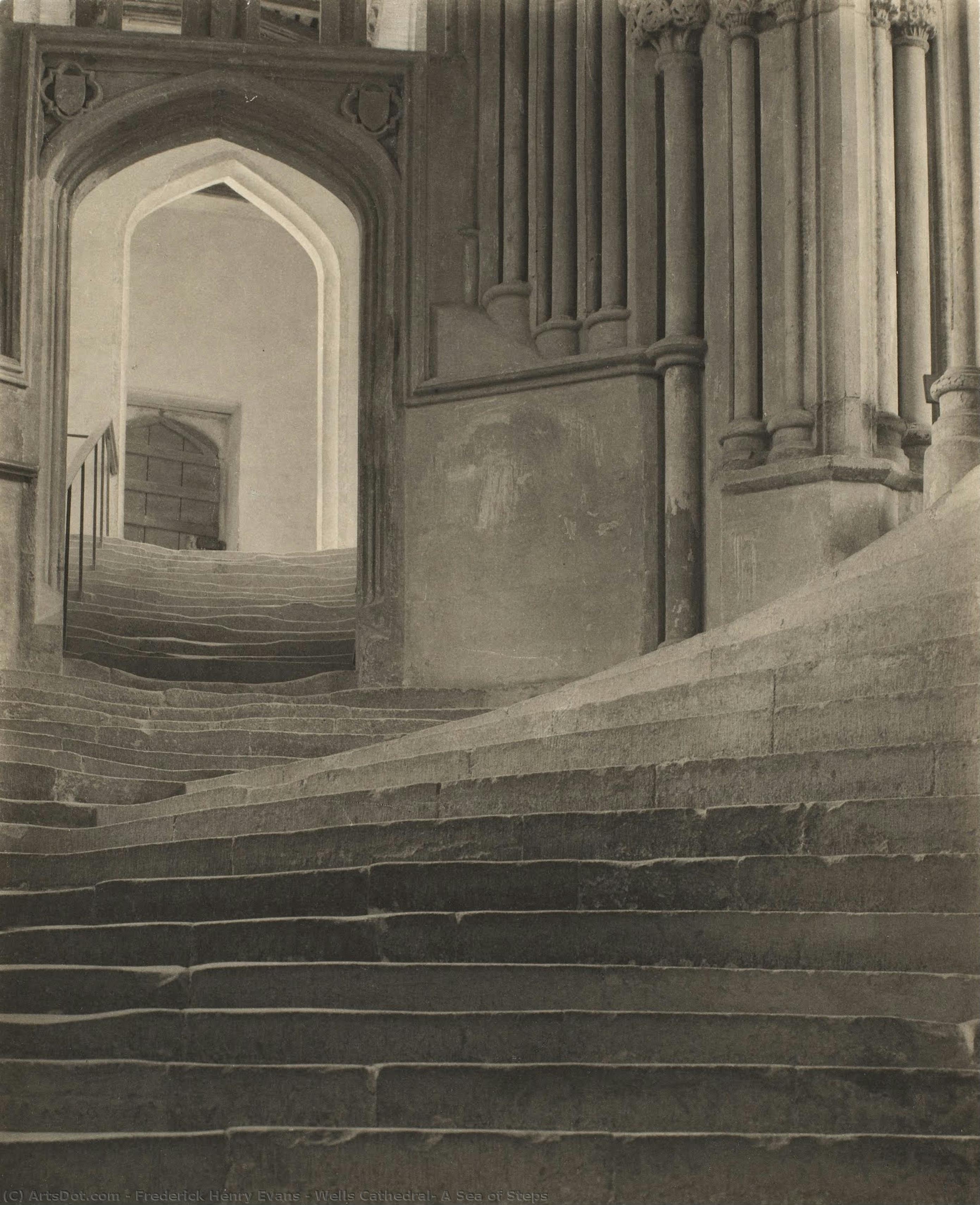
Wells Cathedral: A Sea of Steps
 Photography
- Photo
- Pictorialism
 1903
1903 23.0 x 19.0 cm
 Национальная галерея Канады
 Читать далее
Масляная репродукция ручной работы
Картина маслом на холсте в выбранном вами размере и раме, написанная на заказ нашими художниками. ( Перейти к печати Перейти к цифровым изображениям)




































Выберите один из наших стандартных размеров, соответствующих оригинальным пропорциям произведения искусства.

Вы можете указать собственные размеры, чтобы картина идеально вписалась в выбранную раму или пространство. Если выбранный вами размер не соответствует пропорциям оригинала, мы либо обрежем полотно, либо расширим его за счет дополнительных элементов, написанных вручную. Цифровой макет будет отправлен вам на утверждение перед началом производства.
Обратите внимание, что предварительный просмотр на экране не отражает фактическую обрезку или расширение. Только макет точно покажет окончательную композицию.
Хотя доступны индивидуальные размеры, мы рекомендуем выбирать вариант из предопределенного списка, чтобы сохранить исходные пропорции.
После оформления заказа команда ArtsDot.com свяжется с клиентом по электронной почте для уточнения деталей и предоставит предварительный макет
Доставка по всему миру () за 3–4 недели вместо стандартных 5 недель. (11 Сентябрь). Без компромиссов в качестве.

Бесплатная экспресс-доставка по всему миру

Высококачественный льняной холст

Полное страхование доставки

Гарантия возмещения таможенных пошлин

Гарантия точного соответствия цветов

100-дневная политика возврата (только при обнаружении дефектов)

Гарантия возврата 100% средств

Предложение оптовых скидок
 Вариант со стеклом доступен только для размеров менее 110 см

Wells Cathedral: A Sea of Steps
Техника репродукции
Размер репродукции
-


Итоговая стоимость
$ 263
A Sea of Steps: Frederick Henry Evans’ Masterpiece
Frederick Henry Evans' "Wells Cathedral: A Sea of Steps," created in 1903, isn’t merely a photograph; it’s an immersive experience captured on platinum paper. This remarkable image transports the viewer directly into the heart of Wells Cathedral in Somerset, England, offering a profound meditation on scale, light, and the enduring power of architectural grandeur. Evans, a dedicated practitioner of the platinotype process – a technique prized for its exquisite tonal range and archival stability – meticulously crafted this scene to reveal not just the physical structure of the cathedral but also an underlying sense of spiritual elevation.
The photograph’s composition is strikingly simple yet profoundly effective. The viewer's eye is immediately drawn upwards, following the seemingly endless ascent of the cathedral’s monumental staircase. Each step, rendered in exquisite detail by Evans’ masterful use of light and shadow, contributes to a sense of verticality that dominates the image. The stone itself appears almost luminous, absorbing and reflecting the ambient light with an uncanny realism. The subtle gradations of gray – from the darkest recesses of the stairwell to the brighter highlights on the upper levels – are a testament to Evans’ technical skill and his commitment to capturing the nuances of texture and tone.
The Platinum Process: A Key to Evocation
Evans' choice of the platinotype process was crucial to the success of "Wells Cathedral." Unlike daguerreotypes or albumen prints, which relied on silver-based chemistry and often produced overly glossy surfaces, the platinum printing method offered a remarkably subtle and nuanced image. It allowed Evans to create an extensive tonal range – capturing both the deepest shadows and the brightest highlights with equal fidelity – without sacrificing detail. Furthermore, platinum prints are exceptionally stable over time, ensuring that this evocative image will retain its beauty for generations to come.
The process itself involved a complex series of chemical baths and carefully controlled exposure times. Evans’ dedication to precision was legendary; he often spent hours meticulously adjusting his equipment and monitoring the development process. This painstaking attention to detail is evident in every aspect of the photograph, from the sharp focus on the steps to the subtle variations in tone across the stone surface.
Symbolism and Spiritual Resonance
"Wells Cathedral: A Sea of Steps" transcends a simple architectural study; it’s imbued with symbolic meaning. The cathedral itself is a powerful emblem of faith, history, and human aspiration. Its towering presence represents the enduring reach of the spiritual realm, while its intricate details speak to the craftsmanship and artistry of past generations. The staircase, ascending towards the heavens, symbolizes a journey – both physical and metaphorical – toward enlightenment and transcendence.
Evans’ deliberate framing emphasizes this sense of upward movement, inviting the viewer to contemplate their own place within the vastness of history and faith. The photograph's quiet grandeur evokes a feeling of reverence and awe, prompting reflection on themes of permanence, legacy, and the timeless beauty of human creation.
A Timeless Reproduction
Reproductions of "Wells Cathedral: A Sea of Steps" offer an exceptional opportunity to bring this masterpiece into your home or office. ArtsDot’s hand-painted reproductions faithfully capture the original's exquisite detail, tonal range, and emotional impact. Each reproduction is created by skilled artisans using archival-quality materials, ensuring that it will retain its beauty for years to come. Whether you are an art collector, interior designer, or simply someone who appreciates exceptional craftsmanship, this image offers a unique opportunity to own a piece of art history.
Consider the scale and placement within your space – "A Sea of Steps" commands attention and invites contemplation. Its rich tones and intricate details will add depth and sophistication to any room, while its symbolic resonance will enrich your understanding of human creativity and spiritual aspiration.
Похожие произведения



Биография художника
Frederick Henry Evans: A Life in Platinum
Frederick Henry Evans (1853-1943) was a renowned English photographer celebrated for his architectural studies, particularly of English and French cathedrals. His dedication to the platinotype process and meticulous attention to detail cemented his place as a significant figure within the Pictorialism movement.
Early Life and Career
Born on June 26, 1853, in London, United Kingdom, Evans initially pursued a career as a bookseller. However, he transitioned to full-time photography in 1898, embracing the emerging possibilities of the medium. This shift marked the beginning of his artistic journey and a lifelong dedication to capturing the beauty of architectural spaces.
Photographic Style and Technique
Evans’ photographic style was profoundly shaped by his adoption of the platinotype technique. This process offered several advantages over other methods of the time, including an extensive tonal range, non-glossy images, and superior resistance to deterioration. His mastery of platinum printing allowed him to create photographs with remarkable depth, texture, and atmospheric quality. He was known for his perfectionism, meticulously controlling every aspect of the photographic process from composition to printing.
Notable Works and Artistic Development
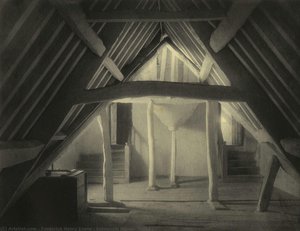
Evans’ most celebrated works are his architectural studies. Kelmscott Manor: Attics (1903) exemplifies his ability to transform ordinary spaces into evocative images. His series of photographs documenting Wells Cathedral, including Wells Cathedral: A Sea of Steps, showcases his skill in capturing the grandeur and complexity of Gothic architecture. Beyond cathedrals, he also produced compelling landscapes and portraits, notably of George Bernard Shaw, with whom he maintained a frequent correspondence.
Influences and Associations
Evans was deeply involved within the artistic community of his time. He became a member of the Linked Ring Photographic Society, a group dedicated to elevating photography to the status of fine art. His work reflects the Pictorialist aesthetic, which emphasized artistic vision and manipulation over purely objective representation.
Major Achievements and Recognition
- Became an honorary fellow of the Royal Photographic Society in 1928
- Gained international recognition for his platinum prints
- Influenced generations of photographers with his technical skill and artistic vision
Historical Significance and Legacy
Frederick Henry Evans’ contribution to photography lies not only in his beautiful images but also in his dedication to the platinotype process. He demonstrated the potential of this technique to create photographs of exceptional quality and lasting beauty. His work continues to inspire photographers today, serving as a testament to the power of artistic vision and technical mastery.
Museums and Collections
- The William Morris Gallery, United Kingdom
- Samuel Johnson Birthplace Museum, United Kingdom
- George Eastman Museum, Rochester, United States

frederick henry evans
1853 - 1943 , United Kingdom
Основные сведения
- Birth Date: June 26, 1853
- Birth Place: London, United Kingdom
- Death Date: 1943
- Movement: Pictorialism
- Name: Frederick Henry Evans
- Nationality: British
- Notable Works:
- Kelmscott Manor: Attics
- Wells Cathedral: A Sea of Steps
Похожие статьи

Beyond the Lens: Photography's Enduring Influence on Modern & Contemporary Art
Explore photography's pivotal role in shaping modern & contemporary art. Discover key movements, influential artists like Stieglitz, and expert collecting advice from ArtsDot.

Monochrome Visions: Exploring the Aesthetic & Historical Significance of Black & White Photography
Explore the rich history & artistic power of black and white photography. From early techniques to iconic masters like Ansel Adams, discover why monochrome continues to captivate art lovers today. Expert insights for collectors.

Топ-10 шедевров документальной фотографии: искусство, изменившее взгляд на мир | ArtsDot.com
Топ-10 шедевров документальной фотографии, изменивших мир искусства. Узнайте истории культовых фотографов и их работ, вдохновившихся реализмом и социальными темами. Репродукции высокого качества на ArtsDot.com – для вашего интерьера!

Pictorialism: A Search for Artistic Photography's Soul – Aesthetics, Techniques & Legacy
Explore the captivating world of Pictorialism – a pivotal movement that transformed photography into fine art. Discover key artists like Stieglitz & Käsebier, techniques, and collecting tips from experts.

Giclée Prints: Archival Quality & Aesthetic Nuances for the Discerning Collector
Explore the world of giclée prints with ArtsDot. Learn about archival quality, aesthetic nuances & investment potential. Expert guidance for discerning art collectors seeking museum-quality reproductions and lasting value.