

 Предпросмотр
 Поделиться
 Поделиться
 Детали произведения

 Скачать
 Похожие работы
 Рентгенография
 Слайд-шоу
 Статистика
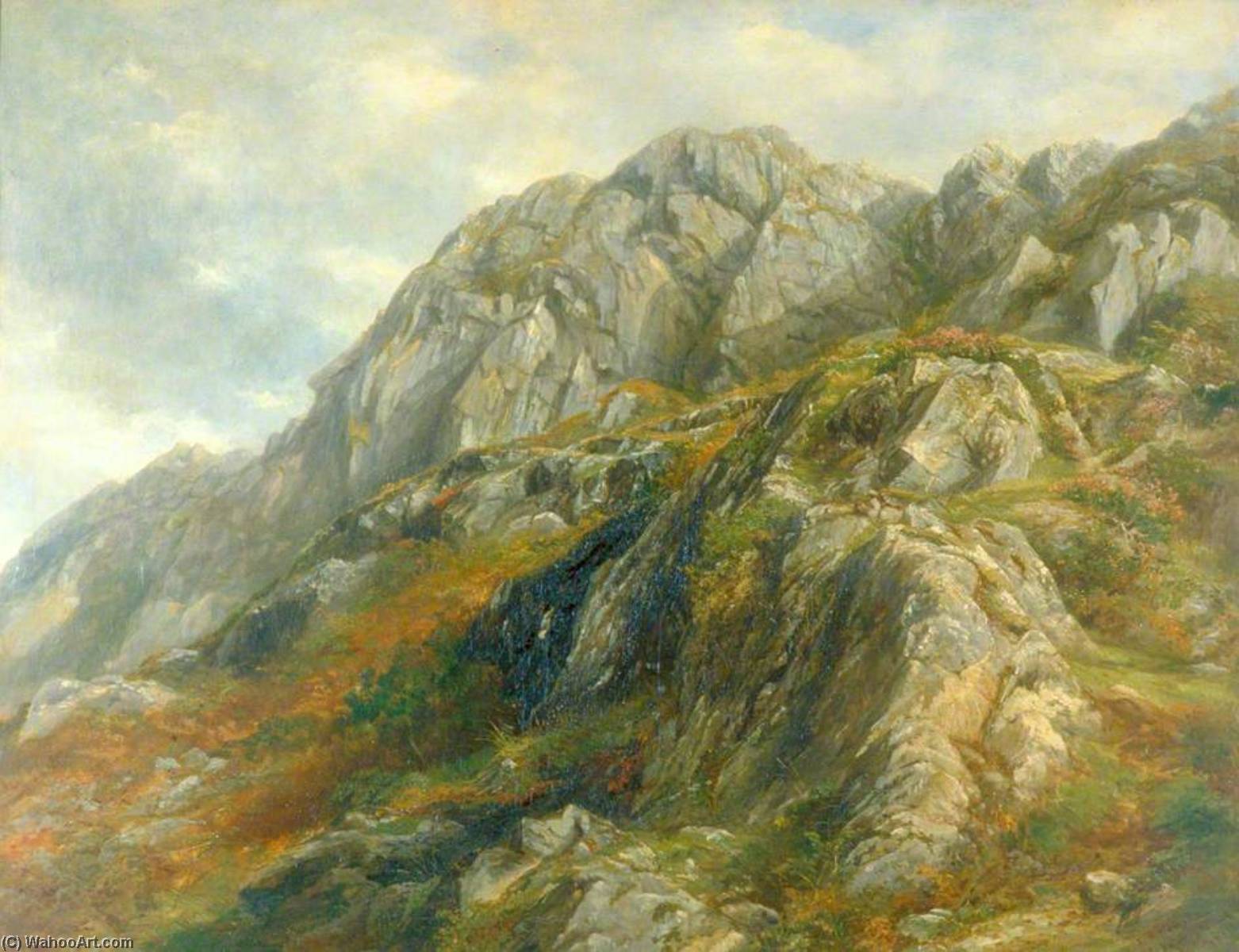
Dinas Betws y Coed
 1851
1851 71.0 x 92.0 cm
 Government Art Collection
 Читать далее
Жикле / Арт-принт
Печать (жикле) или холст музейного качества с быстрыми сроками изготовления и широким выбором вариантов отделки. ( Купить картину ручной работы Перейти к цифровым изображениям)




































Выберите один из наших стандартных размеров, соответствующих оригинальным пропорциям произведения искусства.

Вы можете указать свои собственные размеры, чтобы репродукция идеально подошла под конкретную раму или пространство. Если выбранный вами размер не будет соответствовать пропорциям оригинала, мы либо обрежем произведение, либо дополним изображение зеркальным отражением краев или однотонной заливкой. Перед началом производства вам будет отправлен цифровой макет для утверждения.
Пожалуйста, обратите внимание, что предварительный просмотр на экране не отображает фактическую обрезку или расширение изображения. Только макет точно покажет финальную композицию.
Несмотря на возможность заказа индивидуальных размеров, мы рекомендуем выбирать размер из предопределенного списка, чтобы сохранить оригинальные пропорции.
Доставка по всему миру () за 2 недели вместо стандартных 4/5 недель. (11 Сентябрь)

Бесплатная экспресс-доставка по всему миру

Высококачественный льняной холст

Полное страхование доставки

Гарантия возмещения таможенных пошлин

Гарантия точного соответствия цветов

100-дневная политика возврата (только при обнаружении дефектов)

Гарантия возврата 100% средств

Предложение оптовых скидок
 Вариант со стеклом доступен только для размеров менее 110 см

Dinas Betws y Coed
Жикле / Арт-принт
Размер репродукции
-


Итоговая стоимость
$ 62
Composition and Style
The painting depicts a mountainous landscape with a rocky terrain, covered in lush green grass. A large hillside dominates the scene, with rocks scattered throughout the area. Two figures are visible in the painting, one near the top of the hill and another further down the slope, adding a sense of scale and human presence to the serene landscape. The overall composition showcases the beauty of nature while highlighting the presence of humans within this environment. Key Features of the painting include:- The use of oil on canvas, which provides a rich and vibrant texture to the piece
- The depiction of natural elements, such as rocks and grass, which creates a sense of realism
- The inclusion of human figures, which adds a sense of scale and context to the landscape
Artist and Context
Frederick Henry Henshaw was a British artist known for his landscapes and seascapes. His work is represented in several collections, including the Government Art Collection and the Islington Local History Centre and Museum. Other notable works by the artist include Tintern Abbey from the Chepstow Road and Tintern Abbey.For more information on Frederick Henry Henshaw and his works, visit the Islington Local History Centre and Museum or explore the collection of paintings on ArtsDot.com.
Похожие произведения




Биография художника
Frederick Henry Henshaw: Bridging Impressionism and Symbolism
Frederick Henry Henshaw (1807–1891) stands as a pivotal figure in Victorian landscape painting, embodying the confluence of Luminist ideals and burgeoning Symbolist tendencies. Born in Harborne, Birmingham, he emerged from a family steeped in artistic tradition—his brother John was a skilled diesinker and medallist, while Thomas pursued engraving—establishing him within a milieu acutely attuned to visual aesthetics. Henshaw’s formative years were marked by exposure to Joseph Vincent Barber's teachings, absorbing the stylistic nuances of Constable’s groundbreaking canvases and recognizing the transformative potential of capturing fleeting moments of natural beauty. This influence would permeate his oeuvre, shaping his distinctive approach to portraying the English countryside.- Early Life & Training: Henshaw’s upbringing instilled in him a profound appreciation for craftsmanship and artistic discipline. His familial connections fostered an environment conducive to honing artistic skills, preparing him for a career dedicated to visual representation.
- Birmingham Society of Arts Membership & Artistic Development: Joining the Birmingham Society of Arts at nineteen in 1826 solidified Henshaw’s commitment to artistic engagement and propelled his professional trajectory. Serving as Honorary Secretary from 1842-1847 and Trustee until his death, he actively participated in shaping the Society's artistic discourse and furthering its mission.
- Royal Academy Exhibitions: From 1829 to 1864 Henshaw consistently presented his works at the Royal Academy, establishing himself as a prominent artist of his era. These exhibitions served not only as platforms for showcasing his talent but also as conduits for disseminating his artistic vision and garnering critical acclaim.
Landscape Painting & Constable’s Influence
Henshaw's artistic sensibilities were decisively molded by the stylistic precepts of J.M.W. Turner and, crucially, by Constable’s pioneering explorations of atmospheric perspective and tonal modulation. Constable’s meticulous observation of natural light—particularly its ability to transform landscapes—became a cornerstone of Henshaw’s technique. He meticulously studied Constable's canvases, dissecting his methods for conveying mood and emotion through subtle shifts in color and texture. This dedication to capturing the essence of the English woodland landscape—often depicted during periods of industrial expansion—reflected a broader preoccupation with documenting the changing face of Britain. Henshaw’s paintings frequently evoke a sense of tranquility and contemplation, mirroring Constable's desire to elevate landscape art beyond mere topographical representation.- Constable’s Technique: Henshaw meticulously analyzed Constable’s use of tonal gradation—the gradual blending of colors—to create depth and luminosity within his canvases.
- The Woodland Motif: Henshaw's recurring depictions of English woodland landscapes encapsulate the Victorian fascination with rural tranquility amidst industrial progress, mirroring Constable’s artistic ethos.
Collaboration & Artistic Legacy
Frederick Henry Henshaw cultivated a productive artistic partnership with Robert John Hammond, another Birmingham landscape artist who shared his passion for capturing the grandeur of British scenery. Together, they embarked on ambitious projects documenting diverse regions of England and Wales, resulting in collaborative paintings that exemplify the stylistic conventions of Luminism—a movement characterized by its emphasis on atmospheric illumination and tonal harmony. Henshaw’s artistic legacy extends beyond his individual achievements; he served as a mentor to younger artists, fostering a tradition of landscape painting rooted in meticulous observation and expressive technique. His enduring influence can be discerned in subsequent generations of British painters who embraced Constable's vision—a commitment to portraying the sublime beauty of nature with unwavering fidelity.- Hammond Collaboration: Henshaw’s collaborative endeavors with Hammond produced stunning landscapes that showcased their shared artistic sensibilities and cemented their place within Birmingham’s artistic community.
- Influence on Subsequent Artists: Henshaw's meticulous technique and stylistic approach served as inspiration for artists who followed him, perpetuating the Luminist tradition of capturing natural beauty with tonal precision.
Notable Works & Recognition
Among Henshaw’s most celebrated paintings are “Tree Trunk and Foxglove,” a masterful depiction of woodland flora bathed in dappled sunlight—a testament to his unwavering commitment to Constable's principles—and “The Spirit of Detroit,” an ambitious panoramic vista capturing the dynamism of urban life. These artworks garnered critical acclaim during his lifetime and continue to resonate with audiences today, securing Henshaw’s position as one of Britain’s foremost landscape painters of the Victorian era. His contribution to the Birmingham Society of Arts and his unwavering dedication to artistic excellence cemented his enduring legacy—a testament to the transformative power of observation and expressive technique within the realm of visual art.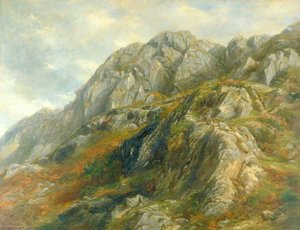
frederick henry henshaw
1807 - 1891
Основные сведения
- Artistic Movement Or Style: Hudson River School
- Artists Or Movements Influenced By This Artist: ['George Holt Henshaw']
- Artists Who Influenced This Artist:
- Joseph Vincent Barber
- Constable
- Date Of Birth: 1807
- Date Of Death: 1891
- Full Name: Frederick Henry Henshaw
- Nationality: Canadian
- Notable Artworks:
- Tree Trunk and Foxglove
- Fitz Henry Lane: Luminosity, Landscape & the American Maritime Tradition
- Place Of Birth: Montreal, Canada