 Предпросмотр
 Поделиться
 Поделиться
 Детали произведения

 Скачать
 Похожие работы
 Рентгенография
 Слайд-шоу
 Статистика
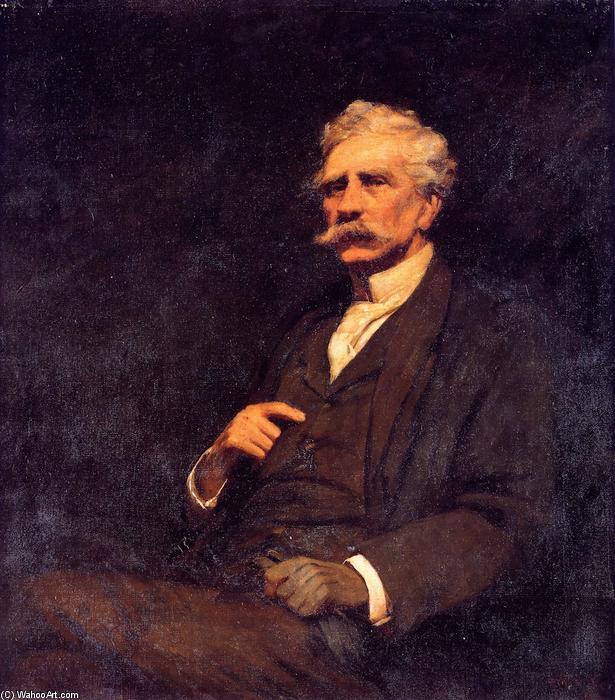
J. A. Panton, Esq. M.P.


 Читать далее
Масляная репродукция ручной работы
Картина маслом на холсте в выбранном вами размере и раме, написанная на заказ нашими художниками. ( Перейти к печати Перейти к цифровым изображениям)




P118B $10

P118H $10

P118W $10

P438Z $10

P508JH $12

P508YH $12

P805H $10

P805Z $10

P919BZ $10

P919G $10

P919XJ $10

P959ZH $10

P968JZ $12

W106C $8

W218G $10

W218JH $8

W218Y $10

W307PJ $10

W316G $10

W316PJ $8

W316Y $10

W398PJ $8

W4111J $10

W500HY $15

W500JH $15

W692G $12

W849H $8

W940BG $15

W953PJ $8




Выберите один из наших стандартных размеров, соответствующих оригинальным пропорциям произведения искусства.

Вы можете указать собственные размеры, чтобы картина идеально вписалась в выбранную раму или пространство. Если выбранный вами размер не соответствует пропорциям оригинала, мы либо обрежем полотно, либо расширим его за счет дополнительных элементов, написанных вручную. Цифровой макет будет отправлен вам на утверждение перед началом производства.
Обратите внимание, что предварительный просмотр на экране не отражает фактическую обрезку или расширение. Только макет точно покажет окончательную композицию.
Хотя доступны индивидуальные размеры, мы рекомендуем выбирать вариант из предопределенного списка, чтобы сохранить исходные пропорции.
После оформления заказа команда ArtsDot.com свяжется с клиентом по электронной почте для уточнения деталей и предоставит предварительный макет
Доставка по всему миру () за 3–4 недели вместо стандартных 5 недель. (11 Сентябрь). Без компромиссов в качестве.

Бесплатная экспресс-доставка по всему миру

Высококачественный льняной холст

Полное страхование доставки

Гарантия возмещения таможенных пошлин

Гарантия точного соответствия цветов

100-дневная политика возврата (только при обнаружении дефектов)

Гарантия возврата 100% средств

Предложение оптовых скидок
 Вариант со стеклом доступен только для размеров менее 110 см

J. A. Panton, Esq. M.P.
Техника репродукции
Размер репродукции
-


Итоговая стоимость
$ 263
A Portrait of Victorian Esteem: J. A. Panton, Esq. M.P. by Frederick McCubbin
Frederick McCubbin’s 1904 painting, “J. A. Panton, Esq. M.P.,” is more than a simple likeness; it's a carefully constructed tableau of Victorian society, imbued with a subtle melancholy and a poignant awareness of the passage of time. The portrait depicts a distinguished gentleman, identified as J.A. Panton, a prominent figure in colonial administration – an Esquire and Member of Parliament – seated within a richly appointed interior that speaks volumes about his status and the era he represents. McCubbin’s masterful use of light and shadow, combined with a restrained palette dominated by browns, ochres, and muted greens, immediately establishes a mood of quiet contemplation.
McCubbin's style leans heavily into the tenets of the Heidelberg School, a movement that sought to capture the essence of Australian life – its landscapes, its people, and its spirit – with an emphasis on direct observation and emotional resonance. He eschews overly polished surfaces, favoring instead a slightly rougher texture achieved through visible brushstrokes. This technique lends a sense of immediacy and authenticity to the scene, as if we are witnessing a fleeting moment captured in time. The composition is deliberately balanced, drawing our eye across Panton’s face – his thoughtful gaze, the subtle lines etched around his eyes hinting at years of experience – and then outwards to the details of the room, each element contributing to the overall narrative.
The Setting: A Window into Victorian Life
The interior itself is a crucial component of the painting’s meaning. It's not a lavishly opulent space designed to proclaim wealth, but rather a comfortably furnished room that suggests quiet success and established position. The dark wood panelling, the heavy curtains, and the carefully arranged furniture all speak to a man accustomed to respectability and authority. A globe sits prominently on a table, symbolizing Panton’s engagement with both his local community and the wider world – a reflection of the colonial mindset prevalent at the time. A small writing desk suggests a life dedicated to correspondence and administrative duties, while a partially visible bookcase hints at an appreciation for learning and culture.
Notably, McCubbin subtly incorporates elements that hint at the realities beneath the veneer of Victorian respectability. The shadows cast by the furniture are deep and suggestive, creating a sense of enclosure and perhaps even unease. The muted colors contribute to this feeling, preventing the scene from becoming overly bright or cheerful. This restrained approach is characteristic of McCubbin’s work – he doesn't shy away from depicting the complexities and ambiguities of human experience.
Symbolism and Emotional Resonance
Beyond its realistic depiction of a Victorian gentleman, “J. A. Panton, Esq. M.P.” carries significant symbolic weight. The portrait can be interpreted as an exploration of identity – the tension between public persona and private self. Panton’s thoughtful expression suggests a man wrestling with his responsibilities and perhaps even contemplating the legacy he will leave behind. The painting's quietness invites introspection, prompting us to consider the burdens of leadership and the fleeting nature of earthly achievements.
McCubbin was deeply interested in portraying the Australian landscape and its impact on human life. While this portrait is primarily focused on a single individual, it’s important to remember that McCubbin's work often explores themes of isolation, loss, and the relationship between humanity and nature. The subtle hints of the outdoors – glimpsed through the window – serve as a reminder of the vastness of the Australian continent and the challenges faced by those who sought to carve out a life within it.
A Legacy of Australian Art
“J. A. Panton, Esq. M.P.” stands as a testament to Frederick McCubbin’s enduring contribution to Australian art. It's a painting that rewards careful observation and invites multiple interpretations. Reproductions of this iconic work offer a valuable window into the Victorian era, capturing not only the appearance of a prominent figure but also the spirit of a nation grappling with its identity and forging its own path. The painting’s quiet dignity and subtle emotional depth continue to resonate with viewers today, cementing McCubbin's place as one of Australia’s most beloved artists.
Похожие произведения
Биография художника
Frederick McCubbin - A Life Rooted in the Australian Landscape
Frederick McCubbin, born February 25th, 1855, in Melbourne, Australia, stands as a cornerstone of Australian art—a figure inextricably linked to the nation’s evolving identity and its distinctive visual language. His journey from humble beginnings—the son of bakers who instilled in him a profound work ethic—to becoming a pivotal voice within the Heidelberg School is a testament to his unwavering dedication and artistic vision. McCubbin's formative years were marked by diverse experiences, beginning with his education at William Willmett’s West Melbourne Common School and St Paul’s School, Swanston Street, where he absorbed foundational knowledge of Victorian society. He subsequently honed his skills as solicitor’s clerk and assisted in the family bakery business—activities that instilled a deep understanding of everyday Australian life, informing much of his artistic output. Crucially, he received formal training at the National Gallery of Victoria's School of Design, studying under luminaries like Eugene von Guerard and George Folingsby, absorbing the stylistic currents of the time and mastering techniques vital to landscape painting.The Heidelberg School: Defining a National Aesthetic
A transformative alliance with Tom Roberts in 1885 ignited McCubbin’s artistic trajectory—establishing the Box Hill Artists' Camp alongside Arthur Streeton and Charles Conder. This plein air collective deliberately rejected the conventions of European academic art, venturing into the Australian bushland with an unprecedented spirit of immediacy and authenticity. Their aim was to capture not merely scenery but the very essence of Australian life—its hardships, its triumphs, and its relationship with the vast wilderness. McCubbin’s contribution during this period was instrumental in shaping what would become known as the Heidelberg School aesthetic. Works like *Down on His Luck* (1889), *On the Wallaby Track* (1896), and *The Pioneer* (1904) exemplify this style—characterized by bold brushstrokes, luminous color palettes, and a focus on depicting rural life with remarkable detail and emotional resonance. These paintings weren’t simply representations of landscapes; they were narratives imbued with social commentary, reflecting the anxieties and aspirations of a nation grappling with its newfound independence. The Heidelberg School artists sought to express the spirit of Australia—its beauty and its challenges—in ways that distinguished it from European artistic traditions.Early Influences and Artistic Development
McCubbin’s early artistic influences included Eugène von Guerard, whose Romantic landscapes instilled in him a love for capturing atmospheric effects and conveying emotion through color. George Folingsby's academic training provided him with technical skills—particularly in figure painting—which would later inform his approach to portraying human subjects alongside the Australian landscape. The friendship with Tom Roberts proved particularly significant—inspiring McCubbin to embrace a more expressive style and fostering a collaborative spirit that enriched their artistic output. Roberts’ return from Europe in 1885 brought exposure to Impressionist techniques, subtly influencing McCubbin's evolving palette and brushwork. Notably, McCubbin was profoundly moved by Jules Bastien-Lepage’s paintings—particularly *The Shepherdess*, which championed a humanist vision of rural life and encouraged McCubbin to explore themes of solitude and contemplation.Major Achievements and Legacy
McCubbin's magnum opus, *On the Wallaby Track* (1896), stands as an iconic representation of Australian Impressionism—a monumental painting that captures the spirit of pioneering life with breathtaking detail and emotional depth. It exemplifies McCubbin’s ability to synthesize stylistic influences—drawing inspiration from Bastien-Lepage and Millet—into a powerfully evocative narrative tableau. His later landscapes, particularly those depicting Mt Macedon—where he resided for many years—demonstrate a deepening engagement with atmospheric effects and a more subjective interpretation of the natural world. McCubbin’s work continues to inspire artists today—serving as a testament to his enduring vision of Australia and its place in the broader artistic landscape. He is remembered not merely as a painter but as a cultural icon—a symbol of Australian identity and resilience, whose legacy ensures that his art will resonate for generations to come. His contribution extends beyond individual paintings; he helped establish a national artistic ethos—one rooted in observation, empathy, and an unwavering appreciation for the beauty of the Australian bush.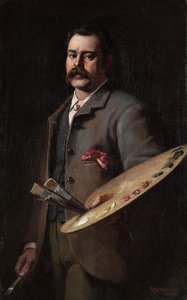
Фредерик МакКубин
1855 - 1917 , Австралия
Основные сведения
- Artistic Movement Or Style: Хайдельбергская школа
- Artists Who Influenced This Artist:
- Эрнест фон Гюérard
- Джордж Фолингсби
- Date Of Birth: 25 февраля 1855 г.
- Date Of Death: 20 декабря 1917 г.
- Full Name: Frederick McCubbin
- Nationality: Австралиец
- Notable Artworks:
- Эх Мистелтоу
- О На пути к Уолби
- Пионер
- Place Of Birth: М Melbourne, Австралия
Похожие статьи

Топ-10 знаменитых картин в черных тонах: шедевры искусства для вашего интерьера
Погрузитесь в мир темных шедевров! Топ-10 знаменитых картин в черных тонах от Гойи, Рембрандта и Мунка. История искусства, техники живописи и вдохновение для вашего интерьера. Купите репродукции высокого качества на ArtsDot.com

Романтический пейзаж: 10 шедевров, изменивших искусство | ArtsDot.com
Погрузитесь в мир романтического пейзажа! 10 шедевров Фридриха, Тёрнера и других гениев. Узнайте историю создания культовых картин и вдохновитесь для декора интерьера. Репродукции высокого качества на ArtsDot.com.

Джон Констебль: 25 шедевров английского пейзажа для вашего интерьера
Погрузитесь в мир английского пейзажа с Джоном Констеблом! 25 шедевров романтизма, история создания картин и вдохновение для вашего интерьера. Репродукции высокого качества на ArtsDot.com – искусство для ценителей.

Evocations of Place: A Historical Journey Through Landscape Art
Explore the rich history of landscape art with ArtsDot. Discover renowned artists, movements like Impressionism & Romanticism, and expert guidance for collecting timeless pieces. Find your perfect serene escape today!

Белые шедевры: 10 знаменитых картин, покоривших мир (репродукции, декор)
Откройте для себя 10 знаменитых картин, где белый цвет – главный герой! Моне, Дега и другие мастера. История искусства, техники живописи и вдохновение для вашего интерьера. Репродукции высокого качества на ArtsDot.com