

 Предпросмотр
 Поделиться
 Поделиться
 Детали произведения

 Скачать
 Похожие работы
 Рентгенография
 Слайд-шоу
 Статистика
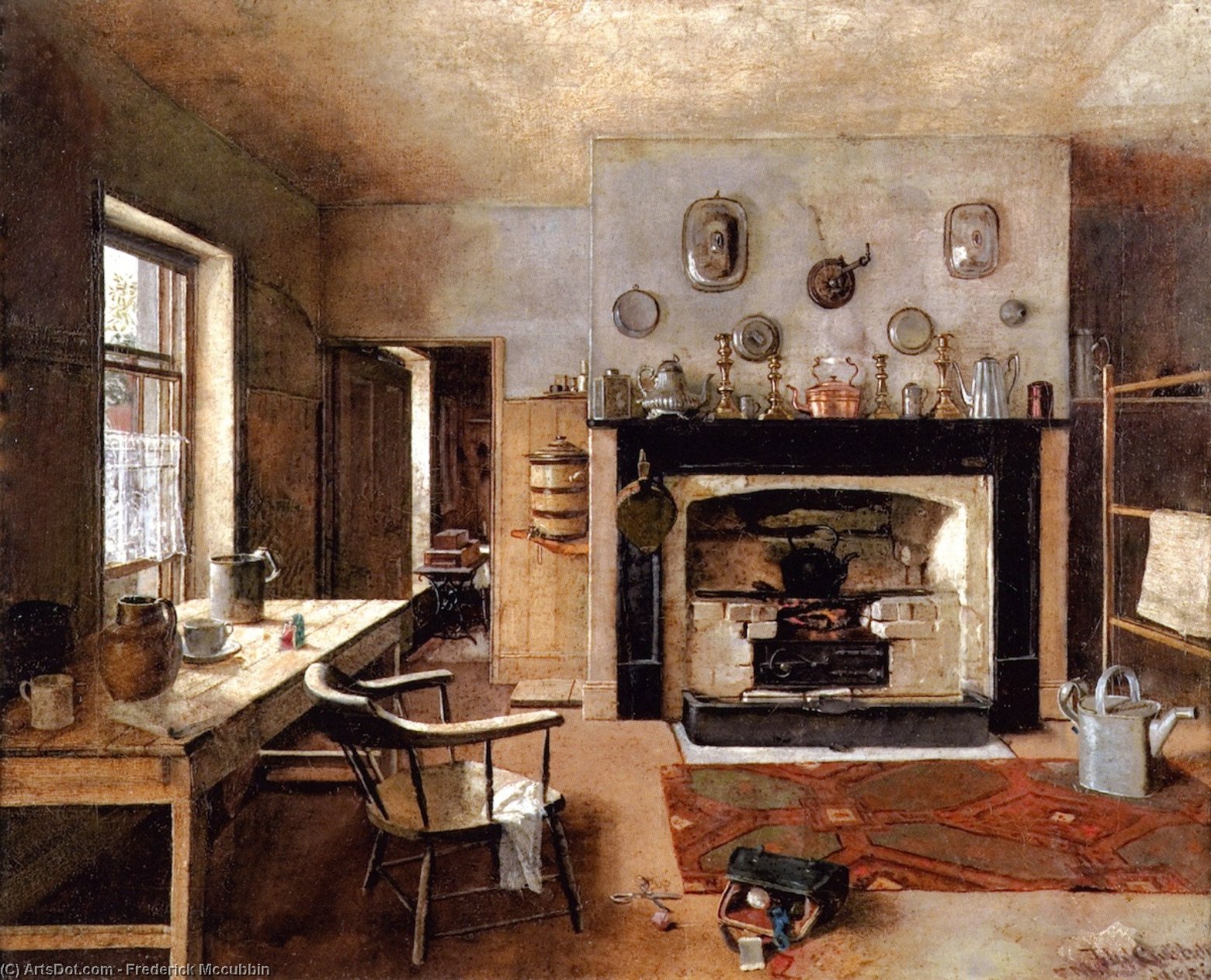
Kitchen at the Old King Street Bakery


 Читать далее
Приобретите цифровое изображение высокого разрешения в улучшенном качестве, которое значительно превосходит онлайн-превью.
Каждый файл тщательно подготавливается нашими специалистами с использованием передовых инструментов и экспертной ручной ретуши. Мы гарантируем исключительную четкость, точную цветопередачу и детальную проработку каждого изображения.
Финальный файл доставляется по электронной почте в течение 72 часов и оптимизирован для немедленного использования в профессиональной среде, при верстке и печати. Это тот же уровень качества, которому доверяют ведущие дизайнерские студии, издательства и галереи.
Цифровое изображение
Скачайте файл высокого разрешения для личного использования, печати и творческих проектов. ( Перейти к печати Купить картину ручной работы)
Включено в каждый заказ цифровых изображений
Гарантия экспертной цифровой доставки
Выбирая ArtsDot.com, вы получаете не просто изображение — вы приобретаете профессионально обработанное цифровое произведение искусства, созданное с безупречной точностью и под защитой гарантии качества. Вот всё, что автоматически входит в ваш заказ:

Мгновенная доставка по e-mail
Ваш цифровой файл в высоком разрешении будет отправлен вам по электронной почте в течение 72 часов после оформления заказа — и сразу станет доступен для использования.

Цифровой файл с ИИ-улучшением
Ваше произведение искусства проходит профессиональную оптимизацию с использованием передовых инструментов ИИ и ручной обработки, что гарантирует максимальную детализацию, четкость и точность цветопередачи.

Бессрочная бесплатная повторная доставка
Случайно удалили или потеряли файл? Не беспокойтесь — мы отправим его вам повторно в любое время и совершенно бесплатно.

Без импортных пошлин — навсегда
Наслаждайтесь вашим произведением искусства мгновенно без таможенных пошлин, сборов или затрат на доставку — цифровые загрузки всегда не облагаются налогом.

Гарантия точности цветопередачи
Мы гарантируем, что ваше цифровое изображение максимально точно передает оригинальные цвета благодаря использованию профессиональных инструментов и систем управления цветом.

Гарантия удовлетворенности 100 дней
Если вы не будете удовлетворены своим цифровым изображением, мы внесем правки или вернем 100% стоимости в течение 100 дней — без лишних вопросов.

100% Гарантия возврата средств
Не удовлетворены покупкой? Получите полный возврат средств в течение 100 дней после получения цифрового файла — без лишних вопросов.

Скидки на оптовые заказы
Купите 3 изображения, сэкономьте 10% — Купите 5, сэкономьте 15% — Купите 10+, сэкономьте 20%. Отличное решение для творческих проектов, галерей и агентств.
A Snapshot of Australian Life: Exploring "Kitchen at the Old King Street Bakery"
Frederick McCubbin’s “Kitchen at the Old King Street Bakery,” painted in 1884, isn't merely a depiction of a domestic scene; it’s a poignant window into the heart of rural Australia at the turn of the century. This oil on canvas masterpiece, currently residing within the Art Gallery of South Australia, captures a moment of quiet industry and warmth – a snapshot of everyday life that speaks volumes about the values and rhythms of the time. McCubbin, deeply rooted in the landscape and the lives he observed, masterfully translates this familiarity onto the canvas with an almost tactile quality.
The painting immediately draws the eye to the central fireplace, its warm glow suggesting a haven from the outside world. The carefully arranged objects – plates, cups, bowls, bottles, and vases – aren’t simply decorative; they represent functionality and sustenance, core elements of rural existence. Two clocks punctuate the scene, not just measuring time but perhaps hinting at the relentless pace of work and the importance of scheduling within a community-focused environment. The placement of the chair and dining table subtly invites the viewer to imagine themselves part of this intimate gathering.
The Heidelberg School and McCubbin’s Vision
“Kitchen at the Old King Street Bakery” firmly places itself within the context of the Heidelberg School, a movement of Australian artists who sought to capture the essence of the bush – its landscapes, its people, and its spirit. McCubbin, like his contemporaries Tom Roberts and Walter Withers, rejected the prevailing European artistic trends, choosing instead to depict subjects that were relevant and meaningful to Australia. His training at the National Gallery of Victoria’s School of Design provided him with a solid foundation in traditional landscape painting techniques, but it was his experiences – working alongside his family in their bakery and spending time amongst the rural communities – that truly shaped his artistic vision. The influence of artists like Eugene von Guerard is evident in McCubbin's attention to detail and his ability to render light and shadow with remarkable accuracy.
Technique and Emotional Resonance
McCubbin’s technique is characterized by a loose, expressive brushstroke that contributes significantly to the painting’s overall atmosphere. The warm color palette – dominated by browns, ochres, and reds – evokes a sense of comfort and nostalgia. The artist's skillful use of light creates a strong focal point around the fireplace, drawing the viewer into the scene. Beyond its technical merits, “Kitchen at the Old King Street Bakery” possesses a profound emotional resonance. It’s a painting about belonging, about community, and about the simple pleasures of life – themes that continue to resonate with audiences today. The sense of quiet domesticity is powerfully conveyed, inviting contemplation on the values of hard work, family, and connection.
A Legacy of Australian Art
Frederick McCubbin’s “Kitchen at the Old King Street Bakery” stands as a testament to his enduring contribution to Australian art. His ability to capture the spirit of everyday life in rural Australia helped to establish a distinctly Australian artistic identity. The painting's current location within the Art Gallery of South Australia ensures its continued accessibility and appreciation for generations to come. It remains a powerful reminder of a bygone era, offering a glimpse into the soul of a nation.
Похожие произведения
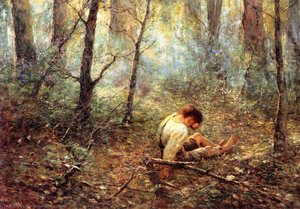
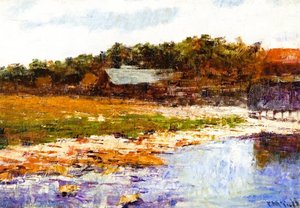
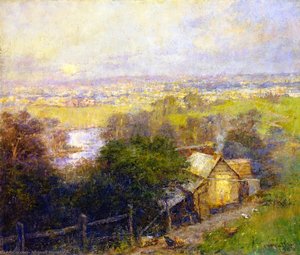
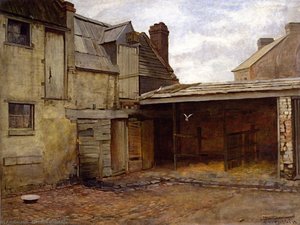
Биография художника
Frederick McCubbin - A Life Rooted in the Australian Landscape
Frederick McCubbin, born February 25th, 1855, in Melbourne, Australia, stands as a cornerstone of Australian art—a figure inextricably linked to the nation’s evolving identity and its distinctive visual language. His journey from humble beginnings—the son of bakers who instilled in him a profound work ethic—to becoming a pivotal voice within the Heidelberg School is a testament to his unwavering dedication and artistic vision. McCubbin's formative years were marked by diverse experiences, beginning with his education at William Willmett’s West Melbourne Common School and St Paul’s School, Swanston Street, where he absorbed foundational knowledge of Victorian society. He subsequently honed his skills as solicitor’s clerk and assisted in the family bakery business—activities that instilled a deep understanding of everyday Australian life, informing much of his artistic output. Crucially, he received formal training at the National Gallery of Victoria's School of Design, studying under luminaries like Eugene von Guerard and George Folingsby, absorbing the stylistic currents of the time and mastering techniques vital to landscape painting.The Heidelberg School: Defining a National Aesthetic
A transformative alliance with Tom Roberts in 1885 ignited McCubbin’s artistic trajectory—establishing the Box Hill Artists' Camp alongside Arthur Streeton and Charles Conder. This plein air collective deliberately rejected the conventions of European academic art, venturing into the Australian bushland with an unprecedented spirit of immediacy and authenticity. Their aim was to capture not merely scenery but the very essence of Australian life—its hardships, its triumphs, and its relationship with the vast wilderness. McCubbin’s contribution during this period was instrumental in shaping what would become known as the Heidelberg School aesthetic. Works like *Down on His Luck* (1889), *On the Wallaby Track* (1896), and *The Pioneer* (1904) exemplify this style—characterized by bold brushstrokes, luminous color palettes, and a focus on depicting rural life with remarkable detail and emotional resonance. These paintings weren’t simply representations of landscapes; they were narratives imbued with social commentary, reflecting the anxieties and aspirations of a nation grappling with its newfound independence. The Heidelberg School artists sought to express the spirit of Australia—its beauty and its challenges—in ways that distinguished it from European artistic traditions.Early Influences and Artistic Development
McCubbin’s early artistic influences included Eugène von Guerard, whose Romantic landscapes instilled in him a love for capturing atmospheric effects and conveying emotion through color. George Folingsby's academic training provided him with technical skills—particularly in figure painting—which would later inform his approach to portraying human subjects alongside the Australian landscape. The friendship with Tom Roberts proved particularly significant—inspiring McCubbin to embrace a more expressive style and fostering a collaborative spirit that enriched their artistic output. Roberts’ return from Europe in 1885 brought exposure to Impressionist techniques, subtly influencing McCubbin's evolving palette and brushwork. Notably, McCubbin was profoundly moved by Jules Bastien-Lepage’s paintings—particularly *The Shepherdess*, which championed a humanist vision of rural life and encouraged McCubbin to explore themes of solitude and contemplation.Major Achievements and Legacy
McCubbin's magnum opus, *On the Wallaby Track* (1896), stands as an iconic representation of Australian Impressionism—a monumental painting that captures the spirit of pioneering life with breathtaking detail and emotional depth. It exemplifies McCubbin’s ability to synthesize stylistic influences—drawing inspiration from Bastien-Lepage and Millet—into a powerfully evocative narrative tableau. His later landscapes, particularly those depicting Mt Macedon—where he resided for many years—demonstrate a deepening engagement with atmospheric effects and a more subjective interpretation of the natural world. McCubbin’s work continues to inspire artists today—serving as a testament to his enduring vision of Australia and its place in the broader artistic landscape. He is remembered not merely as a painter but as a cultural icon—a symbol of Australian identity and resilience, whose legacy ensures that his art will resonate for generations to come. His contribution extends beyond individual paintings; he helped establish a national artistic ethos—one rooted in observation, empathy, and an unwavering appreciation for the beauty of the Australian bush.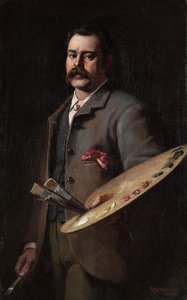
Фредерик МакКубин
1855 - 1917 , Австралия
Основные сведения
- Artistic Movement Or Style: Хайдельбергская школа
- Artists Who Influenced This Artist:
- Эрнест фон Гюérard
- Джордж Фолингсби
- Date Of Birth: 25 февраля 1855 г.
- Date Of Death: 20 декабря 1917 г.
- Full Name: Frederick McCubbin
- Nationality: Австралиец
- Notable Artworks:
- Эх Мистелтоу
- О На пути к Уолби
- Пионер
- Place Of Birth: М Melbourne, Австралия