 Предпросмотр
 Поделиться
 Поделиться
 Детали произведения

 Скачать
 Похожие работы
 Рентгенография
 Слайд-шоу
 Статистика
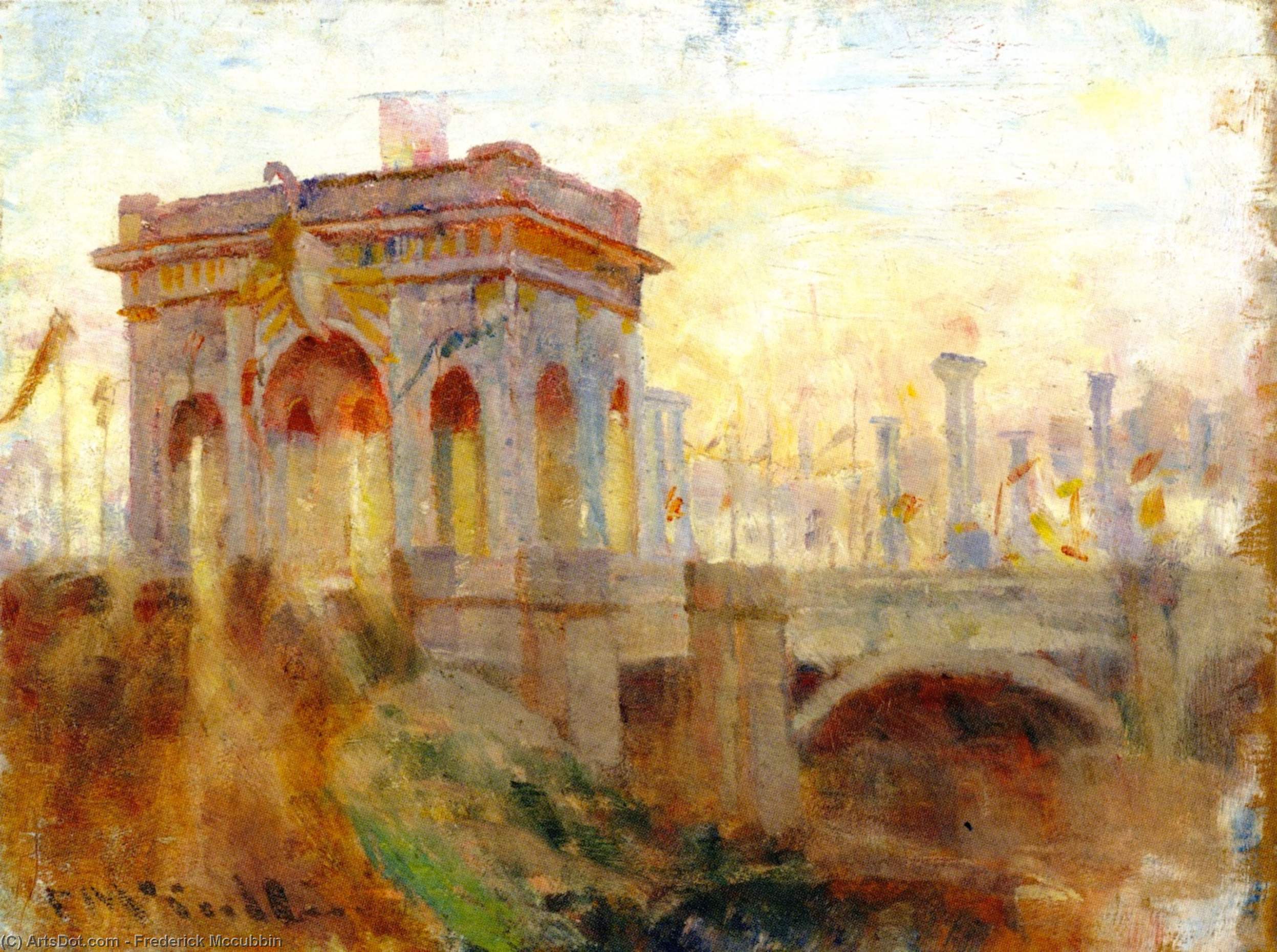
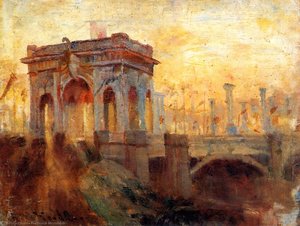
Triumphal Arch at Princes Bridge, Melbourne


 Читать далее
Жикле / Арт-принт
Печать (жикле) или холст музейного качества с быстрыми сроками изготовления и широким выбором вариантов отделки. ( Купить картину ручной работы Перейти к цифровым изображениям)




P118B $10

P118H $10

P118W $10

P438Z $10

P508JH $12

P508YH $12

P805H $10

P805Z $10

P919BZ $10

P919G $10

P919XJ $10

P959ZH $10

P968JZ $12

W106C $8

W218G $10

W218JH $8

W218Y $10

W307PJ $10

W316G $10

W316PJ $8

W316Y $10

W398PJ $8

W4111J $10

W500HY $15

W500JH $15

W692G $12

W849H $8

W940BG $15

W953PJ $8




Выберите один из наших стандартных размеров, соответствующих оригинальным пропорциям произведения искусства.

Вы можете указать свои собственные размеры, чтобы репродукция идеально подошла под конкретную раму или пространство. Если выбранный вами размер не будет соответствовать пропорциям оригинала, мы либо обрежем произведение, либо дополним изображение зеркальным отражением краев или однотонной заливкой. Перед началом производства вам будет отправлен цифровой макет для утверждения.
Пожалуйста, обратите внимание, что предварительный просмотр на экране не отображает фактическую обрезку или расширение изображения. Только макет точно покажет финальную композицию.
Несмотря на возможность заказа индивидуальных размеров, мы рекомендуем выбирать размер из предопределенного списка, чтобы сохранить оригинальные пропорции.
Доставка по всему миру () за 2 недели вместо стандартных 4/5 недель. (12 Сентябрь)

Бесплатная экспресс-доставка по всему миру

Высококачественный льняной холст

Полное страхование доставки

Гарантия возмещения таможенных пошлин

Гарантия точного соответствия цветов

100-дневная политика возврата (только при обнаружении дефектов)

Гарантия возврата 100% средств

Предложение оптовых скидок
 Вариант со стеклом доступен только для размеров менее 110 см

Triumphal Arch at Princes Bridge, Melbourne
Жикле / Арт-принт
Размер репродукции
-


Итоговая стоимость
$ 62
A Moment Frozen in Time: The Majesty of Melbourne
In the heart of a burgeoning nation at the dawn of the twentieth century, Frederick McCubbin captured a fleeting moment of architectural grandeur and urban serenity. Triumphal Arch at Princes Bridge, Melbourne is not merely a depiction of a structure; it is a soulful window into 1901, an era where the pulse of Australian identity was beating with newfound vigor. Through his masterful lens, the Triumphal Arch emerges as a monumental centerpiece, its stately columns and imposing silhouette anchoring the composition. McCubbin invites us to wander through this historical landscape, where the bridge serves as a literal and metaphorical connection between the bustling city life and the tranquil flow of time.
The scene is alive with the quiet rhythm of daily existence. Scattered throughout the frame, figures move with a gentle purpose, some lost in contemplation of the river's edge, others simply passing through the shadow of the arch. This delicate balance between the permanence of stone and the ephemeral nature of human movement creates a profound sense of peace. For the discerning collector or interior designer, this painting offers more than just visual beauty; it provides an atmosphere of nostalgic elegance, making it an ideal focal point for spaces that value heritage, stability, and a connection to the natural world.
The Impressionist Touch: Technique and Texture
As a prominent figure of the Heidelberg School, McCubbin utilized an impressionistic style that breathes life into every inch of the oil on panel. Rather than relying on rigid, clinical lines, he employed a technique characterized by visible, textured brushstrokes that capture the play of light and atmosphere. This method allows the viewer to perceive the subtle shifts in luminosity as it dances across the architectural surfaces and reflects off the surrounding environment. The use of oil on panel provides a rich, tactile depth, where the layering of pigment creates a sense of physical presence that a mere print could never replicate.
The artist’s ability to manipulate light is particularly striking in this work. He captures the soft, diffused glow characteristic of an Australian afternoon, casting gentle shadows that define the columns without obscuring the intricate details of the scene. This mastery of light and shadow—chiaroscuro in a more modern, impressionistic sense—imbues the painting with a three-dimensional quality. The texture of the paint itself adds a layer of sensory engagement, inviting the eye to linger on the ruggedness of the stone and the softness of the sky, ensuring that the artwork remains captivating from every angle.
An Enduring Legacy for the Modern Collector
Owning a piece that resonates with such historical weight is a rare opportunity. McCubbin’s work serves as a testament to the evolution of Australian landscape and urban art, bridging the gap between colonial tradition and modern impressionism. For those seeking to curate a collection of high-quality reproductions, this painting offers an unparalleled sense of prestige. It is a piece that speaks of resilience, beauty, and the enduring spirit of Melbourne.
Whether placed in a sophisticated study, a grand living room, or a curated gallery space, Triumphal Arch at Princes Bridge, Melbourne acts as a conversation starter. It brings with it a sense of historical continuity and an aesthetic of timelessness. To possess a hand-painted reproduction of this masterpiece is to hold a fragment of history, allowing the tranquil beauty and the monumental strength of McCubbin’s vision to grace your walls for generations to come.
Похожие произведения
Биография художника
Frederick McCubbin - A Life Rooted in the Australian Landscape
Frederick McCubbin, born February 25th, 1855, in Melbourne, Australia, stands as a cornerstone of Australian art—a figure inextricably linked to the nation’s evolving identity and its distinctive visual language. His journey from humble beginnings—the son of bakers who instilled in him a profound work ethic—to becoming a pivotal voice within the Heidelberg School is a testament to his unwavering dedication and artistic vision. McCubbin's formative years were marked by diverse experiences, beginning with his education at William Willmett’s West Melbourne Common School and St Paul’s School, Swanston Street, where he absorbed foundational knowledge of Victorian society. He subsequently honed his skills as solicitor’s clerk and assisted in the family bakery business—activities that instilled a deep understanding of everyday Australian life, informing much of his artistic output. Crucially, he received formal training at the National Gallery of Victoria's School of Design, studying under luminaries like Eugene von Guerard and George Folingsby, absorbing the stylistic currents of the time and mastering techniques vital to landscape painting.The Heidelberg School: Defining a National Aesthetic
A transformative alliance with Tom Roberts in 1885 ignited McCubbin’s artistic trajectory—establishing the Box Hill Artists' Camp alongside Arthur Streeton and Charles Conder. This plein air collective deliberately rejected the conventions of European academic art, venturing into the Australian bushland with an unprecedented spirit of immediacy and authenticity. Their aim was to capture not merely scenery but the very essence of Australian life—its hardships, its triumphs, and its relationship with the vast wilderness. McCubbin’s contribution during this period was instrumental in shaping what would become known as the Heidelberg School aesthetic. Works like *Down on His Luck* (1889), *On the Wallaby Track* (1896), and *The Pioneer* (1904) exemplify this style—characterized by bold brushstrokes, luminous color palettes, and a focus on depicting rural life with remarkable detail and emotional resonance. These paintings weren’t simply representations of landscapes; they were narratives imbued with social commentary, reflecting the anxieties and aspirations of a nation grappling with its newfound independence. The Heidelberg School artists sought to express the spirit of Australia—its beauty and its challenges—in ways that distinguished it from European artistic traditions.Early Influences and Artistic Development
McCubbin’s early artistic influences included Eugène von Guerard, whose Romantic landscapes instilled in him a love for capturing atmospheric effects and conveying emotion through color. George Folingsby's academic training provided him with technical skills—particularly in figure painting—which would later inform his approach to portraying human subjects alongside the Australian landscape. The friendship with Tom Roberts proved particularly significant—inspiring McCubbin to embrace a more expressive style and fostering a collaborative spirit that enriched their artistic output. Roberts’ return from Europe in 1885 brought exposure to Impressionist techniques, subtly influencing McCubbin's evolving palette and brushwork. Notably, McCubbin was profoundly moved by Jules Bastien-Lepage’s paintings—particularly *The Shepherdess*, which championed a humanist vision of rural life and encouraged McCubbin to explore themes of solitude and contemplation.Major Achievements and Legacy
McCubbin's magnum opus, *On the Wallaby Track* (1896), stands as an iconic representation of Australian Impressionism—a monumental painting that captures the spirit of pioneering life with breathtaking detail and emotional depth. It exemplifies McCubbin’s ability to synthesize stylistic influences—drawing inspiration from Bastien-Lepage and Millet—into a powerfully evocative narrative tableau. His later landscapes, particularly those depicting Mt Macedon—where he resided for many years—demonstrate a deepening engagement with atmospheric effects and a more subjective interpretation of the natural world. McCubbin’s work continues to inspire artists today—serving as a testament to his enduring vision of Australia and its place in the broader artistic landscape. He is remembered not merely as a painter but as a cultural icon—a symbol of Australian identity and resilience, whose legacy ensures that his art will resonate for generations to come. His contribution extends beyond individual paintings; he helped establish a national artistic ethos—one rooted in observation, empathy, and an unwavering appreciation for the beauty of the Australian bush.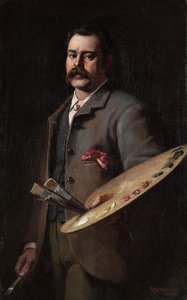
Фредерик МакКубин
1855 - 1917 , Австралия
Основные сведения
- Artistic Movement Or Style: Хайдельбергская школа
- Artists Who Influenced This Artist:
- Эрнест фон Гюérard
- Джордж Фолингсби
- Date Of Birth: 25 февраля 1855 г.
- Date Of Death: 20 декабря 1917 г.
- Full Name: Frederick McCubbin
- Nationality: Австралиец
- Notable Artworks:
- Эх Мистелтоу
- О На пути к Уолби
- Пионер
- Place Of Birth: М Melbourne, Австралия
Похожие статьи

Evocations of Place: A Historical Journey Through Landscape Art
Explore the rich history of landscape art with ArtsDot. Discover renowned artists, movements like Impressionism & Romanticism, and expert guidance for collecting timeless pieces. Find your perfect serene escape today!

Романтический пейзаж: 10 шедевров, изменивших искусство | ArtsDot.com
Погрузитесь в мир романтического пейзажа! 10 шедевров Фридриха, Тёрнера и других гениев. Узнайте историю создания культовых картин и вдохновитесь для декора интерьера. Репродукции высокого качества на ArtsDot.com.

Evocations of Place: A Historical Journey Through Landscape Art
Explore the rich history of landscape art with ArtsDot. Discover renowned artists, movements like Impressionism & tonalism, and expert guidance for collecting timeless pieces. Find your perfect serene escape today!
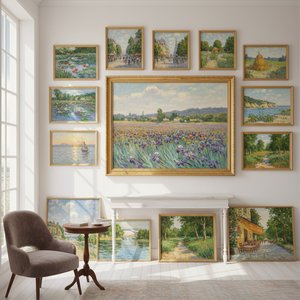
Топ-10 шедевров импрессионизма: пейзажи, изменившие искусство | ArtsDot
Погрузитесь в мир импрессионизма! Откройте 10 шедевров Моне, Ренуара и других великих художников. Узнайте историю создания культовых пейзажей и вдохновитесь для декора вашего дома. Репродукции картин высокого качества на ArtsDot.com.
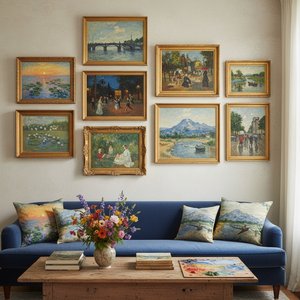
Топ-10 шедевров импрессионизма: пейзажи, изменившие искусство | ArtsDot
Погрузитесь в мир импрессионизма! Откройте топ-10 шедевров Моне, Ренуара и других великих художников. Узнайте историю создания культовых пейзажей и вдохновитесь для декора интерьера. Репродукции картин высокого качества на ArtsDot.com