

 Поделиться
 Поделиться
 Детали произведения

 Скачать
 Похожие работы
 Слайд-шоу
 Статистика
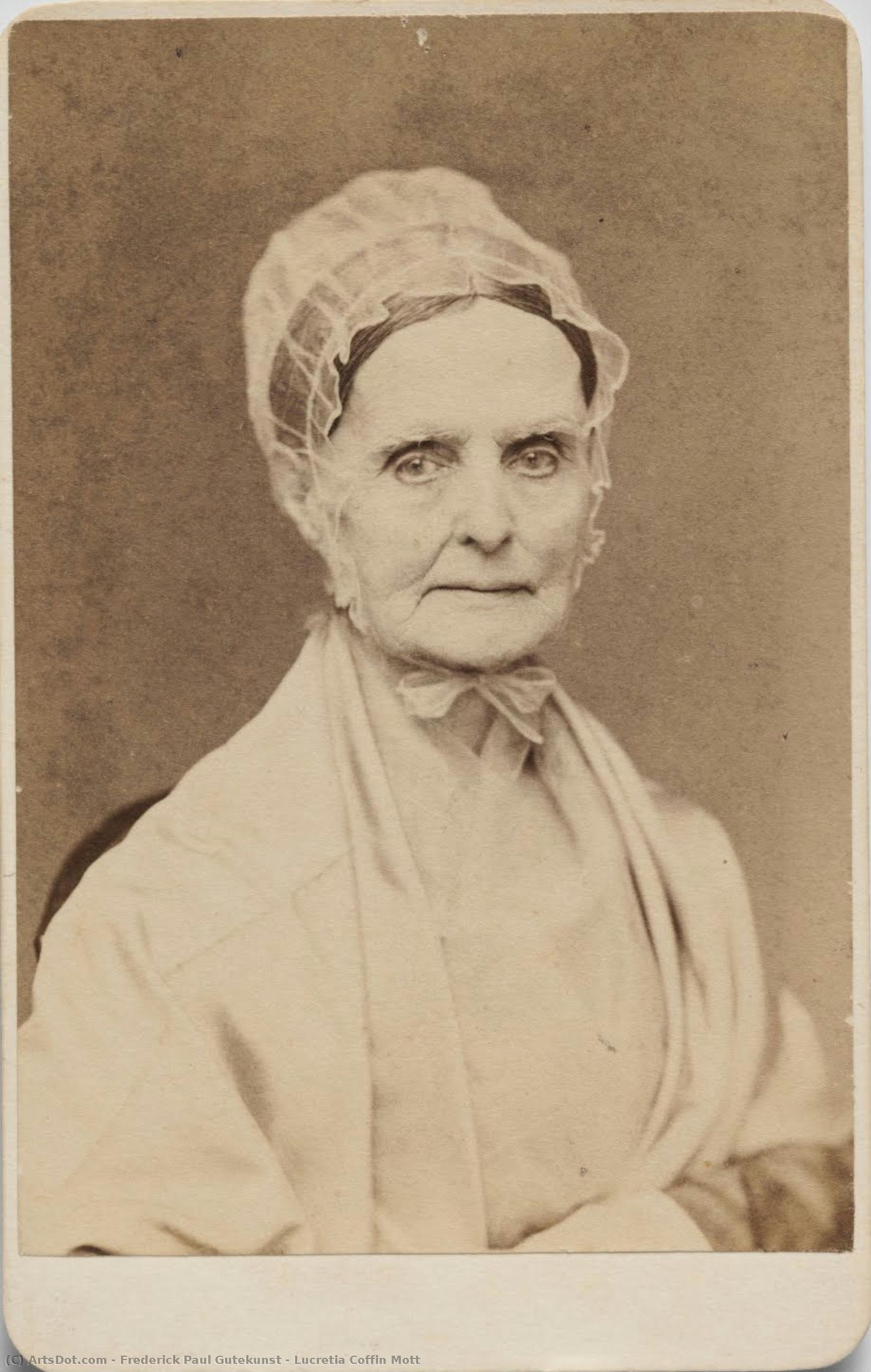
Lucretia Coffin Mott


 Читать далее
Жикле / Арт-принт
Печать (жикле) или холст музейного качества с быстрыми сроками изготовления и широким выбором вариантов отделки. ( Купить картину ручной работы Перейти к цифровым изображениям)




































Выберите один из наших стандартных размеров, соответствующих оригинальным пропорциям произведения искусства.

Вы можете указать свои собственные размеры, чтобы репродукция идеально подошла под конкретную раму или пространство. Если выбранный вами размер не будет соответствовать пропорциям оригинала, мы либо обрежем произведение, либо дополним изображение зеркальным отражением краев или однотонной заливкой. Перед началом производства вам будет отправлен цифровой макет для утверждения.
Пожалуйста, обратите внимание, что предварительный просмотр на экране не отображает фактическую обрезку или расширение изображения. Только макет точно покажет финальную композицию.
Несмотря на возможность заказа индивидуальных размеров, мы рекомендуем выбирать размер из предопределенного списка, чтобы сохранить оригинальные пропорции.
Доставка по всему миру () за 2 недели вместо стандартных 4/5 недель. (11 Сентябрь)

Бесплатная экспресс-доставка по всему миру

Высококачественный льняной холст

Полное страхование доставки

Гарантия возмещения таможенных пошлин

Гарантия точного соответствия цветов

100-дневная политика возврата (только при обнаружении дефектов)

Гарантия возврата 100% средств

Предложение оптовых скидок
 Вариант со стеклом доступен только для размеров менее 110 см

Lucretia Coffin Mott
Жикле / Арт-принт
Размер репродукции
-


Итоговая стоимость
$ 62
A Glimpse Through the Lens of History
In this evocative black and white photograph from 1865, we are invited into a profound moment of stillness, capturing the formidable presence of Lucretia Coffin Mott. The portrait, captured by the skilled hands of Frederick Paul Gutekunst, transcends mere documentation to become a window into the nineteenth century. As we gaze upon the subject, the vintage texture of the image immediately transports the viewer to an era of profound social transformation. Mott, a pivotal figure in the early women's rights movement alongside Elizabeth Cady Stanton, carries an expression that is both stern and deeply contemplative, suggesting a life defined by conviction and the weight of historical responsibility. The subtle interplay of light and shadow across her features lends a sculptural quality to her face, emphasizing the wisdom and resilience etched into her countenance.
The composition is anchored by the classic attire of the period, specifically the bonnet that frames her face with a sense of formal dignity. This detail does more than just indicate the fashion of the 1800s; it serves as a symbol of the era's social decorum and the structured world from which Mott sought to forge new paths for equality. The monochromatic palette strips away the distractions of color, forcing the eye to focus on the raw, emotional truth of the subject’s gaze. For the discerning collector or interior designer, this piece offers a sophisticated touch of historical gravity, making it an ideal centerpiece for a study, a library, or any space dedicated to intellectual reflection and the celebration of human perseverance.
The artistry of Frederick Paul Gutekunst shines through in his mastery of pictorial photography. Known for his ability to capture the essence of influential figures during the Civil War era, Gutekunst employs a technique that emphasizes texture and depth. The soft grain of the photograph adds an ethereal, almost haunting quality to the portrait, turning a simple likeness into a powerful piece of visual storytelling. This reproduction allows the enduring spirit of Lucretia Mott to inhabit modern spaces, providing a soulful connection to the pioneers of justice. It is not merely a photograph, but a preserved fragment of time, offering an emotional resonance that continues to inspire awe and respect in the contemporary viewer.
Похожие произведения
![[lucy Stone]\n\n(main View) — Sumner B. Heald, Impressionistic Landscape](/media/artworks/images-thumb/c0/be/c0be665a8d8b7bd2a40da2b30194adb5.jpg)
Биография художника
The Lens of History: The Life and Legacy of Frederick Paul Gutekunst
In the mid-nineteenth century, as the American landscape was being reshaped by the profound tremors of the Civil War, a quiet revolution was unfolding within the confines of a photographic studio in Philadelphia. Frederick Paul Guteklust, born on September 25, 1831, emerged not merely as a documentarian of his era, but as a master of light and shadow who sought to capture the very soul of a nation in transition. His journey began far from the chemical baths of the darkroom, rooted in the academic rigor of Moberly High School and Central Wesleyan College. This intellectual foundation—later evidenced by his mastery of the German language and his tenure as an assistant professor—imbued his photographic work with a depth of narrative and a scholarly precision that set him apart from the mere technicians of his day.
Gutekunst’s professional odyssey began in 1854 when, alongside his brother, he opened his first photographic portrait studio. For six decades, his lens remained fixed on the most influential figures of the American zeitgeist. His work was characterized by a commitment to what would later be recognized as the Pictorialist aesthetic: a delicate balance between stark realism and an evocative, painterly composition. He did not simply record faces; he orchestrated moments. Through a masterful command of tonal gradation and texture, Gutekunst breathed life into his subjects, transforming static portraits into profound psychological studies. His influence was drawn from the great masters of painting, such as Eugène Delacroix and Frederic Leighton, whose ability to convey emotion through composition guided his hand as he navigated the complexities of light and shadow.
Capturing the Icons of an Era
The true significance of Gutekunst’s oeuvre lies in its unparalleled ability to serve as a visual archive of greatness. His studio became a crossroads for the architects of American history, where the stern resolve of military leaders met the quiet dignity of social reformers. To gaze upon his portraits is to encounter the titans of the nineteenth century in their most intimate moments of stillness.
Among his most enduring contributions are the portraits that captured the essence of leadership and activism:
- Ulysses S. Grant: In his depictions of the Civil War general, Gutekunst captured the weight of command and the gravity of a man tasked with preserving the Union.
- Lucretia Coffin Mott: His 1865 portrait of this pivotal women's rights activist stands as a masterpiece of the medium, utilizing a subtle interplay of light to highlight the wisdom and resilience etched into her countenance.
- Walt Whitman: The legendary poet himself held Gutekunst in high esteem, famously remarking that the photographer was "on the top of the heap," a testament to the artist's peerless skill in capturing the literary spirit.
Beyond the mere documentation of famous faces, Gutekunst was a pioneer of technical innovation. In 1878, he expanded his artistic horizons by purchasing the American rights to the phototype process, establishing a printing works that allowed for a new level of detail and dissemination of photographic art. This pursuit of excellence ensured that his vision could reach beyond the walls of his Philadelphia studio, influencing the broader trajectory of American photography.
A Lasting Impression on the Photographic Canon
As the decades progressed, Gutekunst’s work bridged the gap between the early, experimental days of photography and the sophisticated artistry of the early twentieth century. His ability to elevate the medium from a scientific curiosity to a legitimate fine art form remains his greatest achievement. He understood that a photograph could be more than a mirror; it could be a poem, a historical testament, and an emotional journey.
Today, the legacy of Frederick Paul Gutekunst resides in the quiet power of his surviving images. They offer us more than just a glimpse into the past; they provide a window into the human condition during one of America's most turbulent eras. His portraits continue to resonate in the halls of institutions like the Getty Museum, serving as invaluable touchstones for historians and art lovers alike. Through his lens, the figures of the nineteenth century are granted a form of immortality, preserved forever in the exquisite, monochromatic grace of his timeless compositions.
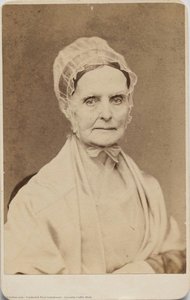
frederick paul gutekunst
1889 - 1985 , United States of America
Основные сведения
- Artistic Movement Or Style: Portraiture
- Date Of Birth: September 25, 1831
- Date Of Death: April 27, 1917
- Full Name: Frederick Paul Gutekunst
- Nationality: American
- Notable Artworks:
- Ulysses S. Grant
- Lucretia Mott
- Place Of Birth: Philadelphia, Pennsylvania
Похожие статьи
Топ-10 шедевров в оттенках черного: искусство, история и декор с ArtsDot
Погрузитесь в мир великих шедевров, где черный цвет – символ страсти и драмы. От Караваджо до Мунка, откройте историю искусства с ArtsDot. Купите репродукции картин онлайн и преобразите свой интерьер! Explore the full collection on ArtsDot.com

Белые шедевры: 10 знаменитых картин, покоривших мир (репродукции, декор)
Откройте для себя 10 знаменитых картин, где белый цвет – главный герой! Моне, Дега и другие мастера. История искусства, техники живописи и вдохновение для вашего интерьера. Репродукции высокого качества на ArtsDot.com
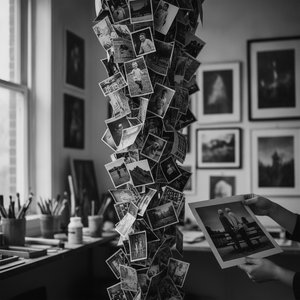
Монохромная элегия: Превратите личные воспоминания в вечные произведения искусства.
Превратите ваши личные фотографии в элегантные монохромные произведения искусства! ArtsDot – эксперты в создании репродукций и портретов на заказ. Доверьтесь мастерству наших художников и создайте вечное наследие для вашего дома.

Топ-10 знаменитых картин в черных тонах: шедевры искусства для вашего интерьера
Погрузитесь в мир темных шедевров! Топ-10 знаменитых картин в черных тонах от Гойи, Рембрандта и Мунка. История искусства, техники живописи и вдохновение для вашего интерьера. Купите репродукции высокого качества на ArtsDot.com

Monochrome Visions: Exploring the Aesthetic & Historical Significance of Black & White Photography
Explore the rich history & artistic power of black and white photography. From early techniques to iconic masters like Ansel Adams, discover why monochrome continues to captivate art lovers today. Expert insights for collectors.