

 Предпросмотр
 Поделиться
 Поделиться
 Детали произведения

 Скачать
 Похожие работы
 Рентгенография
 Слайд-шоу
 Статистика
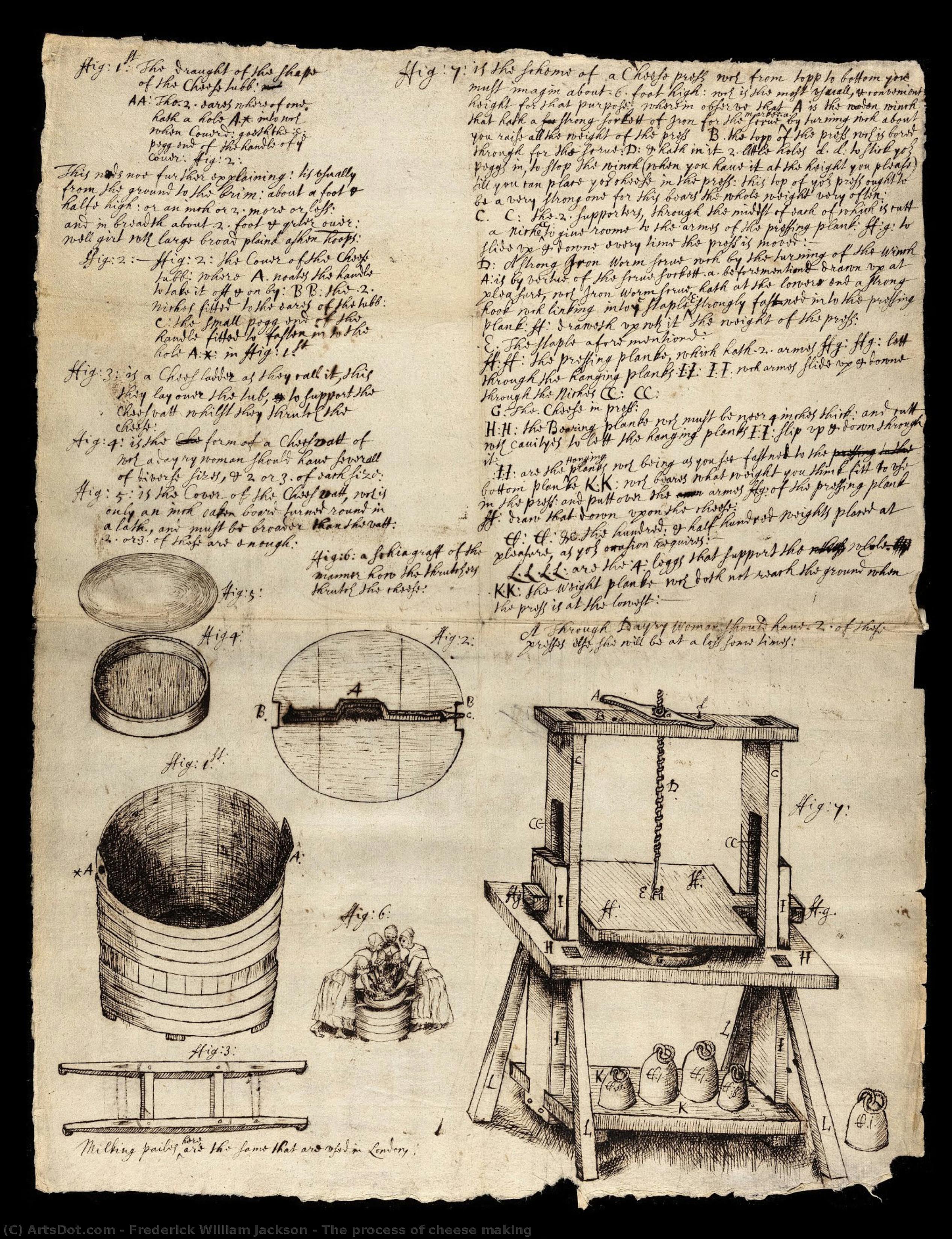
The process of cheese making


 Читать далее
Приобретите цифровое изображение высокого разрешения в улучшенном качестве, которое значительно превосходит онлайн-превью.
Каждый файл тщательно подготавливается нашими специалистами с использованием передовых инструментов и экспертной ручной ретуши. Мы гарантируем исключительную четкость, точную цветопередачу и детальную проработку каждого изображения.
Финальный файл доставляется по электронной почте в течение 72 часов и оптимизирован для немедленного использования в профессиональной среде, при верстке и печати. Это тот же уровень качества, которому доверяют ведущие дизайнерские студии, издательства и галереи.
Цифровое изображение
Скачайте файл высокого разрешения для личного использования, печати и творческих проектов. ( Перейти к печати Купить картину ручной работы)
Включено в каждый заказ цифровых изображений
Гарантия экспертной цифровой доставки
Выбирая ArtsDot.com, вы получаете не просто изображение — вы приобретаете профессионально обработанное цифровое произведение искусства, созданное с безупречной точностью и под защитой гарантии качества. Вот всё, что автоматически входит в ваш заказ:

Мгновенная доставка по e-mail
Ваш цифровой файл в высоком разрешении будет отправлен вам по электронной почте в течение 72 часов после оформления заказа — и сразу станет доступен для использования.

Цифровой файл с ИИ-улучшением
Ваше произведение искусства проходит профессиональную оптимизацию с использованием передовых инструментов ИИ и ручной обработки, что гарантирует максимальную детализацию, четкость и точность цветопередачи.

Бессрочная бесплатная повторная доставка
Случайно удалили или потеряли файл? Не беспокойтесь — мы отправим его вам повторно в любое время и совершенно бесплатно.

Без импортных пошлин — навсегда
Наслаждайтесь вашим произведением искусства мгновенно без таможенных пошлин, сборов или затрат на доставку — цифровые загрузки всегда не облагаются налогом.

Гарантия точности цветопередачи
Мы гарантируем, что ваше цифровое изображение максимально точно передает оригинальные цвета благодаря использованию профессиональных инструментов и систем управления цветом.

Гарантия удовлетворенности 100 дней
Если вы не будете удовлетворены своим цифровым изображением, мы внесем правки или вернем 100% стоимости в течение 100 дней — без лишних вопросов.

100% Гарантия возврата средств
Не удовлетворены покупкой? Получите полный возврат средств в течение 100 дней после получения цифрового файла — без лишних вопросов.

Скидки на оптовые заказы
Купите 3 изображения, сэкономьте 10% — Купите 5, сэкономьте 15% — Купите 10+, сэкономьте 20%. Отличное решение для творческих проектов, галерей и агентств.
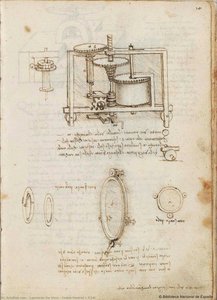
The Process of Cheese Making: A Study in Precision and Antiquity
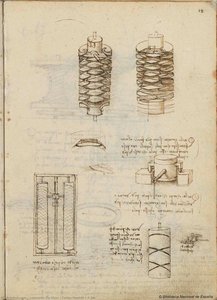
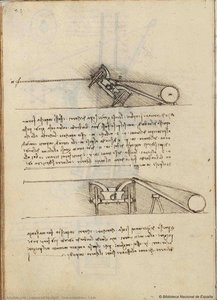
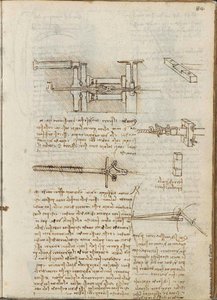
Frederick William Jackson’s “The Process of Cheese Making” isn't merely an illustration; it’s a window into the meticulous craft of cheesemaking during the late 18th century—a testament to scientific observation blended with artistic sensitivity. Executed in 1789, this remarkable piece captures a pivotal moment in artisanal production, meticulously documented by Jackson himself and presented on aged parchment paper bearing visible creases and stains that speak volumes about its history. The artwork’s significance extends beyond its technical accuracy; it embodies the spirit of Enlightenment scholarship and reflects a fascination with understanding natural processes through careful observation—a cornerstone of Luminist painting.- Subject Matter: Jackson's depiction centers entirely on the sequential steps involved in transforming milk into cheese – from initial preparation and curdling to draining, pressing, and ultimately aging. Each stage is rendered with painstaking detail, emphasizing the importance of precise timing and technique.
- Style & Technique: The artwork adheres to a distinctly technical illustration style reminiscent of early scientific drawings. Lines are predominantly dark brown or black, creating sharp outlines for the various equipment and processes depicted. Geometric shapes – circles, squares, rectangles – serve as structural elements, prioritizing clarity over idealized representation. Jackson’s masterful hand-drawing with pen and ink demonstrates an unparalleled level of precision.
- Materials: The artwork utilizes parchment paper—a material chosen specifically for its archival qualities—and black ink—providing a rich tonal range and conveying the seriousness of the subject matter. The subtle texture of the parchment adds to the piece’s visual appeal, grounding it in the tangible realities of the era.
- Historical Context: Created during Jackson's time as a Civil War veteran, “The Process of Cheese Making” reflects his dedication to documenting and understanding the natural world—a characteristic prevalent among Luminist painters who sought to capture landscapes with atmospheric realism. It’s a snapshot of a period marked by intellectual curiosity and a commitment to empirical observation.
- Symbolism & Emotional Impact: While devoid of overt emotional expression, the artwork communicates a profound respect for tradition and craftsmanship. The meticulous rendering of each step underscores the importance of preserving artisanal skills—a subtle yet powerful message conveyed through visual detail. It invites contemplation on the enduring legacy of scientific inquiry and artistic excellence.
Detailed Examination: Composition and Perspective
Jackson’s compositional choices contribute significantly to the artwork's impact. The perspective is flattened, prioritizing clarity and ease of comprehension over achieving a realistic sense of depth. This deliberate simplification allows viewers to focus on the individual components of the cheesemaking process—the vessels used for fermentation, the molds employed for shaping the curdled milk, and the presses applied during maturation. The arrangement of diagrams and textual notes within the illustration is carefully considered, creating a balanced visual hierarchy that guides the eye across the page.Color Palette & Lighting: Subtle Enhancements to Atmosphere
Despite its monochrome palette—primarily consisting of black ink on parchment paper—Jackson skillfully employs shading techniques to imbue the artwork with subtle atmospheric depth. Diffuse lighting casts gentle shadows, enhancing the three-dimensionality of the depicted objects and creating a sense of realism that transcends the limitations of the medium. The muted tones of brown and gray contribute to the overall mood—one of quiet contemplation and scholarly seriousness—reflecting the Luminist aesthetic’s focus on capturing natural beauty with understated elegance.Legacy & Reproduction Considerations
“The Process of Cheese Making” stands as a remarkable achievement in scientific illustration, embodying the spirit of Enlightenment thought and demonstrating Jackson's unwavering commitment to documenting the intricacies of the natural world. Its enduring appeal lies not only in its technical accuracy but also in its ability to transport viewers back to a bygone era—a time when observation and meticulous detail were valued above all else. ArtsDot offers high-quality reproductions that faithfully preserve the artwork’s original character, allowing collectors and enthusiasts alike to appreciate Jackson's masterpiece for generations to come.Похожие произведения
Биография художника
Early Life and Artistic Foundations
Frederick William Jackson, born April 4th, 1843, in Keeseville, New York—a quiet hamlet nestled amidst the Adirondack Mountains—entered a family steeped in artistic inclination. His father, George Hallock Jackson, provided stability, while his mother, Harriet Maria Allen—herself a gifted watercolorist—was the catalyst for young Frederick’s burgeoning passion for visual expression. From infancy, he demonstrated an innate talent, receiving foundational training directly from his mother's practiced hand. This early exposure wasn’t merely technical; it instilled in him an appreciation for the subtleties of light and color—a principle that would become a cornerstone of his artistic vision throughout his life. The influence of Harriet Maria Allen’s watercolor techniques is palpable in Jackson’s later landscapes, where he meticulously captures atmospheric conditions and tonal variations with remarkable precision. Jackson's path soon diverged from conventional academic pursuits. Recognizing the importance of broadening his horizons beyond familial tradition, he enrolled at Oldham School of Art in 1862—a progressive institution fostering connections to the burgeoning Manchester School movement. This association exposed him to the groundbreaking ideas of artists like Joseph Turner and Frederic Church, who championed Impressionistic techniques and sought to convey emotion through color and brushstroke. The Barbizon painters—French landscape artists working in Fontainebleau Forest—served as another significant inspiration, shaping Jackson’s aesthetic sensibilities and encouraging him to prioritize observation and tonal harmony. He diligently studied under John Houghton Hague, a fellow Manchester School artist known for his atmospheric landscapes and masterful use of light.Civil War Service and Observation
October 1862 marked a pivotal moment in Jackson's life—his enlistment in the 12th Vermont Infantry during the American Civil War. While he experienced no battlefield heroism, this period profoundly impacted his artistic development through meticulous observation. He painstakingly sketched scenes of army life—the weary faces of soldiers, the starkness of camp settings under grey skies, and fleeting glimpses of camaraderie amidst hardship—laying the groundwork for a lifelong dedication to documenting the world around him with an artist’s eye. Unlike many of his contemporaries who idealized warfare, Jackson captured its realities—its grime, its fatigue, its emotional intensity—demonstrating a rare sensitivity to human experience. These sketches served as invaluable training in visual perception and compositional technique—skills that would inform his later artistic endeavors.Westward Expansion and Photographic Pioneering
Driven by an irresistible urge for exploration and fueled by the transformative influence of the Union Pacific Railroad’s construction, Jackson embarked on a journey westward in 1866. This wasn't merely relocation; it was immersion into a landscape undergoing rapid metamorphosis—a vast expanse of prairies punctuated by towering mountains and populated by diverse cultures eager to embrace the promise of the frontier. Recognizing the unparalleled potential of photography to capture this dynamic environment, Jackson established a business with his brother Edward in Omaha, Nebraska, in 1867—a venture that would propel him to international renown. Their mission: to document the Native American tribes inhabiting the region—the Osages, Otoes, Pawnees, Winnebagoes, and Omahas—with respect and accuracy. Jackson’s photographic approach distinguished itself from prevailing ethnographic stereotypes of the time; he sought to portray these communities with dignity and nuance—capturing their traditions, their daily lives, and their connection to the land. He utilized the wet collodion process—a complex technique demanding meticulous preparation and painstaking execution—to produce stunningly detailed images that captured the essence of Native American culture.Documenting Yellowstone and Shaping National Identity
Jackson’s involvement in Ferdinand Hayden's geological survey from 1870-1871 solidified his legacy as a pioneer of landscape photography and profoundly shaped perceptions of America’s wilderness. Collaborating closely with Thomas Moran—another visionary artist—he embarked on an expedition to Yellowstone National Park—a breathtaking region teeming with geothermal features and extraordinary wildlife. Employing large format cameras and employing innovative techniques for capturing the grandeur of the American West, Jackson produced images that captivated audiences worldwide. These photographs weren’t merely scientific records; they were evocative landscapes imbued with emotion—expressing awe at the sublime beauty of Yellowstone and conveying a powerful message about conservation. His contribution to Hayden's expedition ensured that Yellowstone National Park would become a protected sanctuary for future generations—a testament to his artistic vision and unwavering commitment to preserving America’s natural heritage.- His photographs captured the dramatic vistas of Grand Canyon, Yellowstone and Yosemite
- He was instrumental in convincing Congress to establish Yellowstone National Park
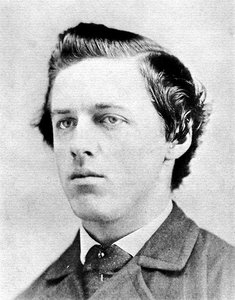
Фредерик Уильям Джексон
1843 - 1942 , Соединенные Штаты Америки
Основные сведения
- Artistic Movement Or Style: Реализм, Импрессионизм
- Artists Or Movements Influenced By This Artist: ['Фотография']
- Artists Who Influenced This Artist: ['Баризонье художники']
- Date Of Birth: Апрель 4, 1843
- Date Of Death: 1942
- Full Name: Frederick William Jackson
- Nationality: Американский
- Notable Artworks:
- Ландшафт
- Процесс изготовления сыра
- Портрет Джона Армитэжа
- Place Of Birth (City And Country): Кизевиль, США