

 Предпросмотр
 Поделиться
 Поделиться
 Детали произведения

 Скачать
 Похожие работы
 Рентгенография
 Слайд-шоу
 Статистика
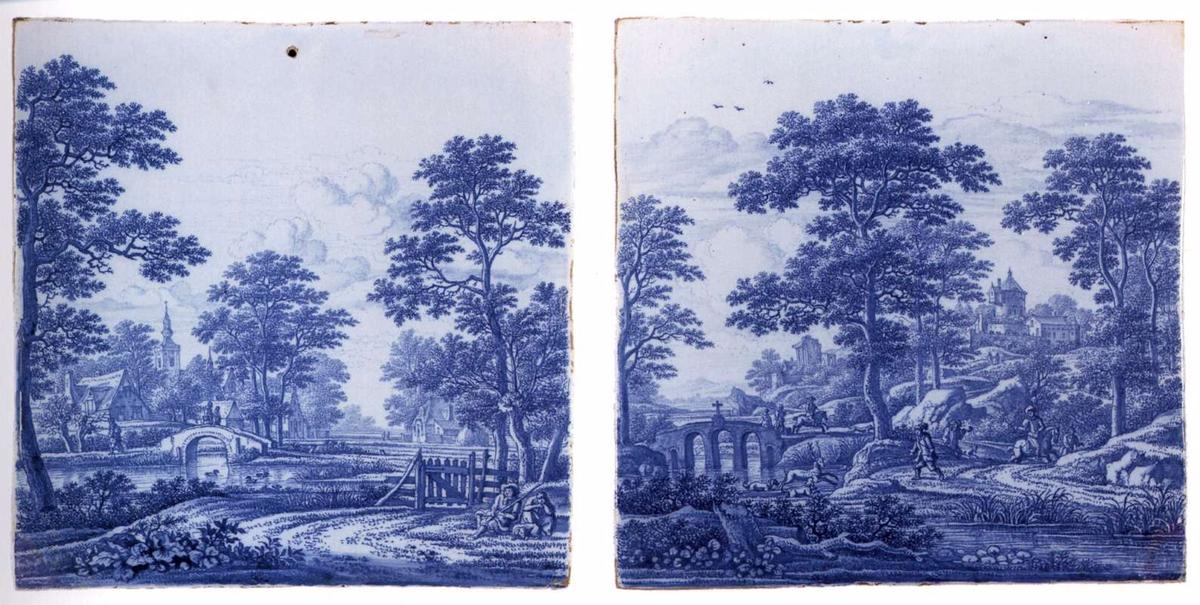
Two plaques with a landscape
 1690
1690 35.0 x 34.0 cm
 Рейксмюзеум
 Читать далее
Масляная репродукция ручной работы
Картина маслом на холсте в выбранном вами размере и раме, написанная на заказ нашими художниками. ( Перейти к печати Перейти к цифровым изображениям)




































Выберите один из наших стандартных размеров, соответствующих оригинальным пропорциям произведения искусства.

Вы можете указать собственные размеры, чтобы картина идеально вписалась в выбранную раму или пространство. Если выбранный вами размер не соответствует пропорциям оригинала, мы либо обрежем полотно, либо расширим его за счет дополнительных элементов, написанных вручную. Цифровой макет будет отправлен вам на утверждение перед началом производства.
Обратите внимание, что предварительный просмотр на экране не отражает фактическую обрезку или расширение. Только макет точно покажет окончательную композицию.
Хотя доступны индивидуальные размеры, мы рекомендуем выбирать вариант из предопределенного списка, чтобы сохранить исходные пропорции.
После оформления заказа команда ArtsDot.com свяжется с клиентом по электронной почте для уточнения деталей и предоставит предварительный макет
Доставка по всему миру () за 3–4 недели вместо стандартных 5 недель. (12 Сентябрь). Без компромиссов в качестве.

Бесплатная экспресс-доставка по всему миру

Высококачественный льняной холст

Полное страхование доставки

Гарантия возмещения таможенных пошлин

Гарантия точного соответствия цветов

100-дневная политика возврата (только при обнаружении дефектов)

Гарантия возврата 100% средств

Предложение оптовых скидок
 Вариант со стеклом доступен только для размеров менее 110 см

Two plaques with a landscape
Техника репродукции
Размер репродукции
-


Итоговая стоимость
$ 263
Похожие произведения

Биография художника
The Alchemist of Delft and Puebla: The Legacy of Frederik van Frytom
In the grand, sweeping tapestry of the Dutch Golden Age, certain names shine with an undeniable brilliance, while others linger like a soft, evocative shadow. Frederik van Frytom (1630–1702) belongs to that mysterious second group—an artist whose biographical footprints are light, yet whose creative impact left an indelible stain upon the history of ceramics. Born in the illustrious city of Delft, Netherlands, around 1630, Frytom emerged from a culture defined by meticulous detail and a burgeoning fascination with the natural world. While the precise details of his early training remain shrouded in the mists of time, his marriage in Delft circa 1652 suggests a man rooted in the stability of Dutch life, even as his artistic spirit prepared for a journey that would eventually bridge two much different worlds.
Frytom’s true historical significance lies not merely in what he painted, but in how he transformed the very medium of his craft. He was a pioneer of Radkersburg majolika, a revolutionary earthenware glaze technique that found its soul in Puebla, Mexico. This was no mere transplanting of European style; it was a profound artistic synthesis. Through a collaboration with the Mexican diplomat José María Martínez Sierra, Frytom moved beyond the traditional boundaries of Dutch pottery to embrace a new, vibrant aesthetic. In Puebla, he helped cultivate a workshop where European sensibilities met the ancient, symbolic echoes of Mesoamerican culture, creating a dialogue between the Old and New Worlds that resonated through the clay itself.
A Symphony of Cobalt and Earth
To behold a piece of Frytom’s work is to witness a masterclass in atmospheric perspective and color theory. Moving away from the subdued, monochrome palettes that dominated much of the era's ceramic decoration, Frytom embraced an audacious use of cobalt blue. He applied these rich pigments directly onto a pristine white feldspar base, creating a striking contrast that breathed life into his subjects. His technique was characterized by a delicate precision; he used fine lines to delineate the contours of rolling hills, meandering waterways, and scattered trees, much like the landscape painters of the Baroque period.
The technical brilliance of his work is most evident in the Radkersburg majolika process. By applying a layer of manganese dioxide to the earthenware before firing, Frytom achieved a distinctive, rich, reddish-brown hue often celebrated as “Mexican Red.” This warmth provided a perfect backdrop for his stylized depictions of flora and fauna. His designs were not merely decorative; they were narrative, often drawing inspiration from Aztec symbolism and integrating it with European landscape traditions. The result was a unique ceramic language—one that captured the vibrancy of the Mexican landscape through a lens of Dutch technical mastery.
An Enduring Artistic Synthesis
Though Frytom’s personal life remains largely undocumented, his prolific output—estimated at over 450 pieces—speaks to a lifetime of relentless experimentation and dedication. His ability to harmonize the meticulous, observational style of the Netherlands with the bold, symbolic energy of Mexico marks him as an essential figure in the evolution of global ceramics. He did not simply decorate vessels; he transformed them into windows through which one could view a fusion of continents.
The historical significance of Frederik van Frytom can be summarized through several key contributions:
- Technical Innovation: The development and refinement of the Radkersburg majolika glaze, introducing the iconic "Mexican Red" to the ceramic repertoire.
- Cultural Bridge-Building: Acting as a primary conduit for the exchange of artistic motifs between European landscape traditions and Mesoamerican symbolism.
- Mastery of Perspective: Bringing the sophisticated atmospheric perspective of Dutch Golden Age painting to the medium of earthenware.
- Aesthetic Revolution: Shifting ceramic decoration from muted, monochromatic tones toward a more vibrant, cobalt-driven palette.
Today, the works of Frytom stand as much more than mere artifacts of the 17th century; they are enduring testaments to the power of artistic migration and the beauty that arises when disparate cultures collide in the crucible of creativity.
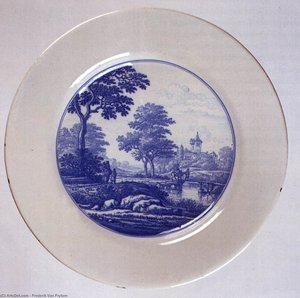
frederik van frytom
1630 - 1702 , Netherlands
Основные сведения
- Artistic Movement Or Style: Radkersburg Majolika
- Artists Or Movements Influenced By This Artist: ['Jan van Goyen']
- Date Of Death: 1702
- Full Name: Frederik van Frytom
- Nationality: Dutch
- Notable Artworks: ['Dish with a landscape']
- Place Of Birth: Delft