

 Предпросмотр
 Поделиться
 Поделиться
 Детали произведения

 Скачать
 Похожие работы
 Рентгенография
 Слайд-шоу
 Статистика
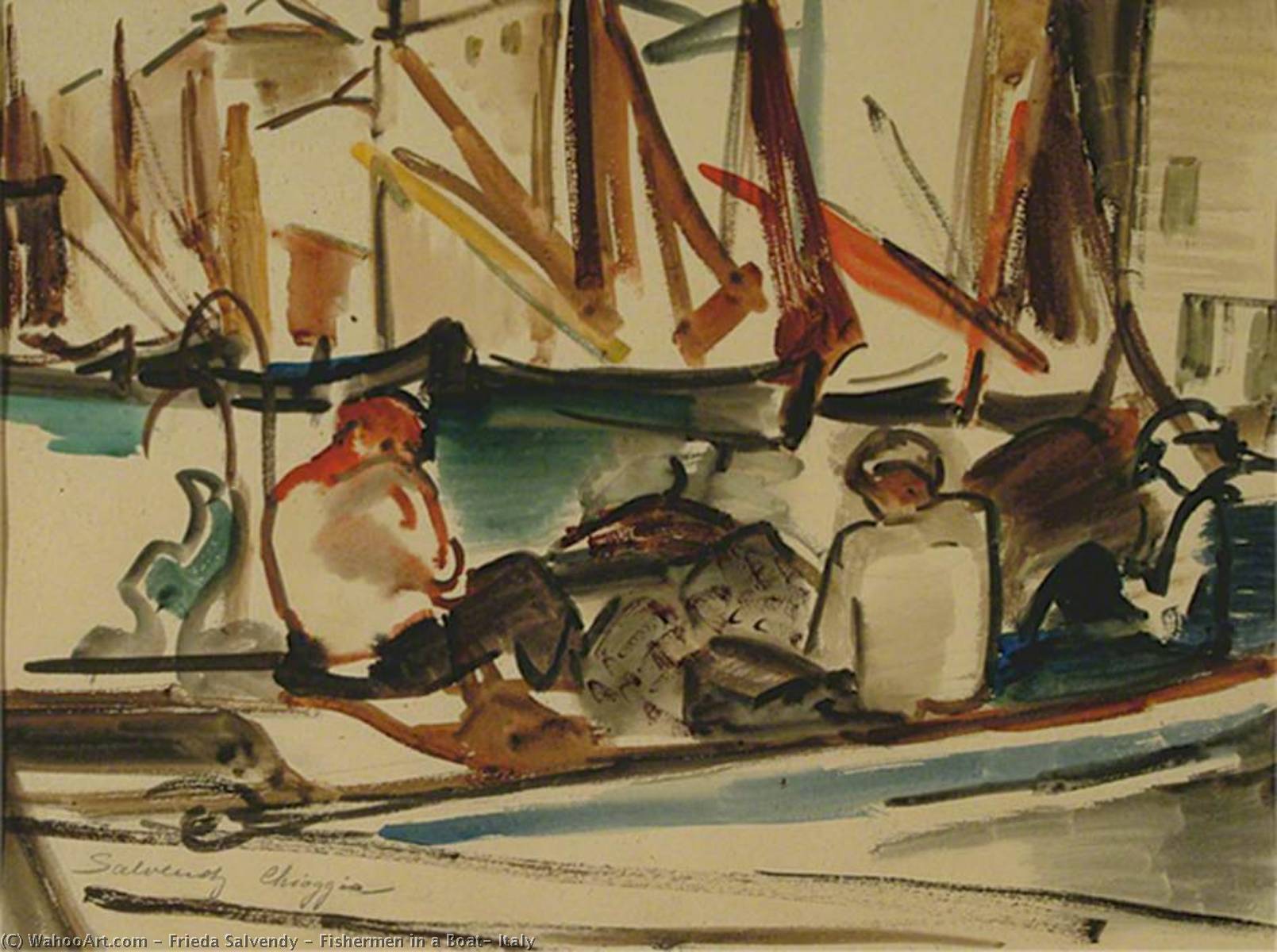
Fishermen in a Boat, Italy
 1932
1932 34.0 x 46.0 cm
 University of Sussex
 Читать далее
Масляная репродукция ручной работы
Картина маслом на холсте в выбранном вами размере и раме, написанная на заказ нашими художниками. ( Перейти к печати Перейти к цифровым изображениям)




































Выберите один из наших стандартных размеров, соответствующих оригинальным пропорциям произведения искусства.

Вы можете указать собственные размеры, чтобы картина идеально вписалась в выбранную раму или пространство. Если выбранный вами размер не соответствует пропорциям оригинала, мы либо обрежем полотно, либо расширим его за счет дополнительных элементов, написанных вручную. Цифровой макет будет отправлен вам на утверждение перед началом производства.
Обратите внимание, что предварительный просмотр на экране не отражает фактическую обрезку или расширение. Только макет точно покажет окончательную композицию.
Хотя доступны индивидуальные размеры, мы рекомендуем выбирать вариант из предопределенного списка, чтобы сохранить исходные пропорции.
После оформления заказа команда ArtsDot.com свяжется с клиентом по электронной почте для уточнения деталей и предоставит предварительный макет
Доставка по всему миру () за 3–4 недели вместо стандартных 5 недель. (12 Сентябрь). Без компромиссов в качестве.

Бесплатная экспресс-доставка по всему миру

Высококачественный льняной холст

Полное страхование доставки

Гарантия возмещения таможенных пошлин

Гарантия точного соответствия цветов

100-дневная политика возврата (только при обнаружении дефектов)

Гарантия возврата 100% средств

Предложение оптовых скидок
 Вариант со стеклом доступен только для размеров менее 110 см

Fishermen in a Boat, Italy
Техника репродукции
Размер репродукции
-


Итоговая стоимость
$ 263
Understanding the Painting
The painting measures 34 x 46 cm and is made on paper, giving it a unique texture and appearance. The scene features several people on boats, with at least five individuals visible in the image. Some of them are sitting or standing near the edge of their boats, while others are engaged in various activities. A dog is also present in the scene, adding an interesting element to the waterfront setting. Key elements of the painting include:- The use of color and light to create a sense of atmosphere and mood
- The depiction of everyday life and activities in a beautiful and serene setting
- The attention to detail and texture, which gives the painting a unique and realistic appearance
Artist and Style
Frieda Salvendy was a talented artist known for her beautiful and captivating paintings. Her style is characterized by her use of color, light, and texture to create unique and realistic representations of everyday life. For more information on Frieda Salvendy and her artwork, visit the https://ArtsDot.com website.Other notable artists and paintings can be found on https://ArtsDot.com, including Charles François Daubigny and his painting Spring Landscape, which is a beautiful representation of a woman walking through a field with trees in the background. For more information on Naive Art/Primitivism, visit the https://ArtsDot.com website and view the painting Poppy by Maria Primachenko.
Похожие произведения










Биография художника
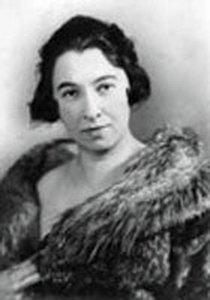
A Soul Forged in Resilience: The Art of Frieda Salvendy
To encounter the work of Frieda Salvendy is to witness a profound dialogue between the external landscape and the internal spirit. Born in Vienna in 1887, Salvendy emerged from the rich, intellectual tapestry of Austro-Hungarian culture, a world where the boundaries between science, philosophy, and art were perpetually blurred. Her early life was shaped by an environment of intense curiosity; as the daughter of a respected professor of mathematics, she learned to appreciate the underlying structures of the world, a skill that would later manifest in her masterful command of form and light. While her formative years were steeped in the burgeoning Expressionist movements of Vienna, Salvendy refused to be tethered to any single dogma. Instead, she sought a path of spiritual expression, moving beyond the mere decorative impulses of Art Nouveau to find a deeper, more symbolic truth within her canvases.
Her artistic education was marked by the guidance of formidable mentors, including Albin Egger-Lienz and Felix Albrecht Harta. Under their tutelage, she developed a technical prowess that allowed her to navigate various mediums, from the delicate precision of lithography to the emotive power of oil painting. As a member of prestigious groups such as the Vereinigung bilderek Künstlerinnen Österreichs (VBKÖ) and the Hagenbund, she stood at the heart of the Viennese avant-garde. Her early works often reflected the tension of her era, blending the structural rigor of New Objectivity with a burgeoning interest in the psychological depth of figure painting. Yet, beneath the surface of these technical explorations lay an unwavering commitment to using art as a vessel for the soul.
Flight, Refuge, and the Cornish Light
The trajectory of Salvendy’s life was irrevocably altered by the shadows of the 20th century. As a Jewish artist in an era of rising antisemitism, the ascent of Nazism presented an existential crisis that forced her into the role of a refugee. After a period of navigating the perils of war and displacement, she found sanctuary in the rugged, windswept landscapes of Cornwall, England. This relocation was far more than a mere change in geography; it was a profound artistic rebirth. The dramatic cliffs, the mercurial seascapes, and the vibrant, untamed wildflowers of the British coast provided a new vocabulary for her creativity.
In Cornwall, Salvendy’s style underwent a luminous evolution. The dense, sometimes heavy brushstrokes of her earlier Expressionist influences gave way to a more fluid, ethereal technique. She began to capture the very essence of the atmosphere, utilizing glazing methods to layer colors that seemed to glow from within. Her palette shifted toward the tranquil blues and verdant greens of the Atlantic coast, reflecting a sense of peace found amidst the aftermath of upheaval. This period of her life was characterized by a newfound lightness, where the landscape became a mirror for her own resilience and the quiet triumph of the human spirit over historical tragedy.
Legacy of a Visionary
The significance of Frieda Salvendy lies not only in her technical mastery but in her ability to weave personal history into the fabric of her art. She was a woman who navigated the most turbulent currents of the modern age—fleeating persecution, enduring the hardships of a refugee, and yet emerging with a vision that remained fundamentally focused on beauty and spiritual depth. Her work serves as a testament to the power of artistic integrity; she shunned the easy path of decorative trends in favor of a more demanding, symbolic language.
Today, her contributions are recognized through several key dimensions:
- Artistic Versatility: Her ability to masterfully transition between landscapes, figure painting, and lithography.
- Historical Importance: Her role as a prominent Jewish female artist who navigated the complexities of the Holocaust and the refugee experience.
- Stylistic Innovation: The unique synthesis of Viennese intellectualism with the atmospheric Impressionism inspired by the Cornish landscape.
- Feminist Contribution: Her active participation in women's art collectives, which helped carve out space for female voices in the male-dominated European art scene.
Ultimately, Salvendy’s oeuvre remains a hauntingly beautiful reminder that even in the darkest of historical epochs, the pursuit of light and color can serve as an enduring act of defiance.
Основные сведения
- Artistic Movement Or Style: Expressionism
- Artists Or Movements Influenced By This Artist: ['Symbolism']
- Artists Who Influenced This Artist:
- Gustav Klimt
- Egon Schiele
- Date Of Birth: Living
- Full Name: Frieda Salvendy
- Nationality: Austrian
- Notable Artworks: ['Cornwall Landscape']
- Place Of Birth: Vienna, Austria