

 Предпросмотр
 Поделиться
 Поделиться
 Детали произведения

 Скачать
 Похожие работы
 Рентгенография
 Слайд-шоу
 Статистика
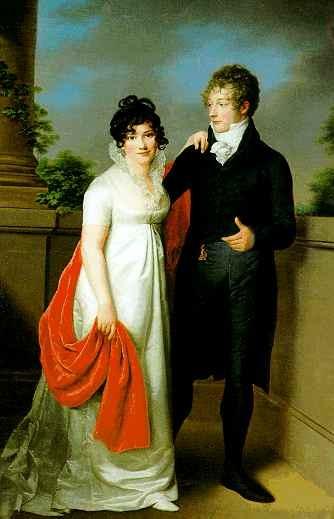
Untitled (AQQC74)


 Читать далее
Приобретите цифровое изображение высокого разрешения в улучшенном качестве, которое значительно превосходит онлайн-превью.
Каждый файл тщательно подготавливается нашими специалистами с использованием передовых инструментов и экспертной ручной ретуши. Мы гарантируем исключительную четкость, точную цветопередачу и детальную проработку каждого изображения.
Финальный файл доставляется по электронной почте в течение 72 часов и оптимизирован для немедленного использования в профессиональной среде, при верстке и печати. Это тот же уровень качества, которому доверяют ведущие дизайнерские студии, издательства и галереи.
Цифровое изображение
Скачайте файл высокого разрешения для личного использования, печати и творческих проектов. ( Перейти к печати Купить картину ручной работы)
Включено в каждый заказ цифровых изображений
Гарантия экспертной цифровой доставки
Выбирая ArtsDot.com, вы получаете не просто изображение — вы приобретаете профессионально обработанное цифровое произведение искусства, созданное с безупречной точностью и под защитой гарантии качества. Вот всё, что автоматически входит в ваш заказ:

Мгновенная доставка по e-mail
Ваш цифровой файл в высоком разрешении будет отправлен вам по электронной почте в течение 72 часов после оформления заказа — и сразу станет доступен для использования.

Цифровой файл с ИИ-улучшением
Ваше произведение искусства проходит профессиональную оптимизацию с использованием передовых инструментов ИИ и ручной обработки, что гарантирует максимальную детализацию, четкость и точность цветопередачи.

Бессрочная бесплатная повторная доставка
Случайно удалили или потеряли файл? Не беспокойтесь — мы отправим его вам повторно в любое время и совершенно бесплатно.

Без импортных пошлин — навсегда
Наслаждайтесь вашим произведением искусства мгновенно без таможенных пошлин, сборов или затрат на доставку — цифровые загрузки всегда не облагаются налогом.

Гарантия точности цветопередачи
Мы гарантируем, что ваше цифровое изображение максимально точно передает оригинальные цвета благодаря использованию профессиональных инструментов и систем управления цветом.

Гарантия удовлетворенности 100 дней
Если вы не будете удовлетворены своим цифровым изображением, мы внесем правки или вернем 100% стоимости в течение 100 дней — без лишних вопросов.

100% Гарантия возврата средств
Не удовлетворены покупкой? Получите полный возврат средств в течение 100 дней после получения цифрового файла — без лишних вопросов.

Скидки на оптовые заказы
Купите 3 изображения, сэкономьте 10% — Купите 5, сэкономьте 15% — Купите 10+, сэкономьте 20%. Отличное решение для творческих проектов, галерей и агентств.
Похожие произведения

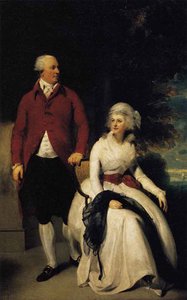
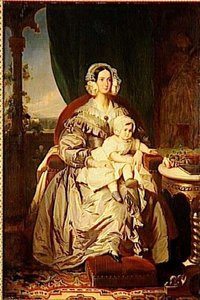
Биография художника
Friedrich Carl Gröger: A North German Master of Portraiture and Lithography
Born in the modest town of Plön in 1766, Friedrich Carl Gröger’s artistic journey began not amidst the halls of privilege but within a family of tailors. His parents, recognizing little interest in his burgeoning talent for painting, initially steered him towards more practical trades – tailoring or woodturning. Yet, this early resistance only fueled Gröger's determination to pursue his passion, leading him to largely self-teach himself the art of capturing likeness and emotion on canvas. His formative years were marked by contact with established artists like Tischbein in Lübeck, providing a crucial foundation for his future endeavors.
Gröger’s early career centered around miniature painting, a demanding discipline requiring meticulous detail and a delicate hand. However, he steadily evolved, recognizing the broader appeal of portraiture. A pivotal meeting in 1785 with Heinrich Jacob Aldenrath in Lübeck forged a lifelong friendship and professional partnership that would profoundly shape his artistic trajectory. This collaboration, cemented by the naming of Grögersweg in Hamburg-Barmbek – linking Tischbeinstraße with Aldenrathsweg – symbolized their enduring bond and shared creative vision.
Academic Pursuits and Early Influences
In 1789, Gröger embarked on a significant chapter of his life by enrolling at the Prussian Academy of Arts in Berlin. This period provided invaluable exposure to established artistic techniques and principles. Following this, he and Aldenrath ventured together to Hamburg, then pursued a joint study trip encompassing Dresden and Paris – cities renowned for their vibrant art scenes and intellectual ferment. Returning to Lübeck, they continued their work until 1807, alternating between the familiar comforts of Lübeck, Copenhagen, Kiel, and Hamburg before finally settling permanently in Hamburg in 1814.
The influence of these diverse environments is evident in Gröger’s artistic development. The rigorous training at the Prussian Academy instilled a formal approach to composition and technique, while the exposure to Parisian art introduced him to the burgeoning ideals of Neoclassicism and Romanticism. Aldenrath's presence was equally crucial; their combined experiences fostered a dynamic creative exchange, pushing each artist beyond their individual limitations.
A Shift Towards Bust Portraits and Lithography
As Gröger’s career progressed, he deliberately shifted his focus towards three-quarter bust portraits – a format that allowed him to capture both the formal dignity of his subjects and the subtle nuances of their personalities. This strategic move reflected a growing confidence in his ability to convey character through carefully observed features and expressive gestures. Simultaneously, he embraced lithography, a relatively new medium in Northern Germany at the time, demonstrating an adaptability and willingness to experiment with emerging technologies.
The partnership with Aldenrath extended beyond artistic collaboration; they established the firm “Firma Gröger & Aldenrath,” specializing in both portraiture and lithography. Aldenrath skillfully transitioned into miniature painting, complementing Gröger’s strengths and ensuring the continued success of their joint venture. This division of labor allowed them to pursue diverse artistic interests while maintaining a cohesive professional identity.
Notable Works and Legacy
Gröger's oeuvre is characterized by its meticulous detail, refined technique, and ability to capture the essence of his subjects. Several notable works stand out as testaments to his skill and artistry. The portrait of Henriette von Heintze (1803), a captivating depiction of familial love set within a romantic landscape, exemplifies his neoclassical style. The 1819 portrait of a noblewoman showcases the elegance and sophistication he brought to his craft. His family portraits, such as those featuring Gerhard von Hosstrup and Elisabeth née Seyler (circa 1815), offer intimate glimpses into the lives of prominent North German families.
Gröger’s legacy endures through his numerous works housed in museums across Germany, including the Hamburger Kunsthalle, and private collections throughout North Germany, Holstein, and Denmark. He is remembered as one of the most respected portraitists of his time, a master of capturing both formal dignity and individual character – a true representative of North German artistic excellence. His work continues to be studied and appreciated for its technical skill, emotional depth, and enduring beauty.
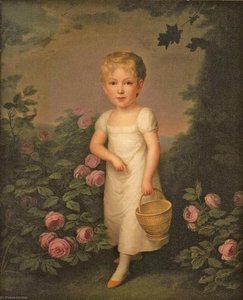
friedrich carl gröger
1766 - 1838
Основные сведения
- Artistic Movement Or Style: Portraiture, Lithography
- Artists Or Movements Influenced By This Artist: ['German Romanticism']
- Artists Who Influenced This Artist:
- Tischbein
- Aldenrath
- Date Of Birth: 1766
- Date Of Death: 1838
- Full Name: Friedrich Carl Gröger
- Nationality: North German
- Notable Artworks:
- Henriette von Heintze
- Untitled (AQQC66)
- Untitled (AQQC72)
- Place Of Birth: Plön, Germany