

 Предпросмотр
 Поделиться
 Поделиться
 Детали произведения

 Скачать
 Похожие работы
 Рентгенография
 Слайд-шоу
 Статистика
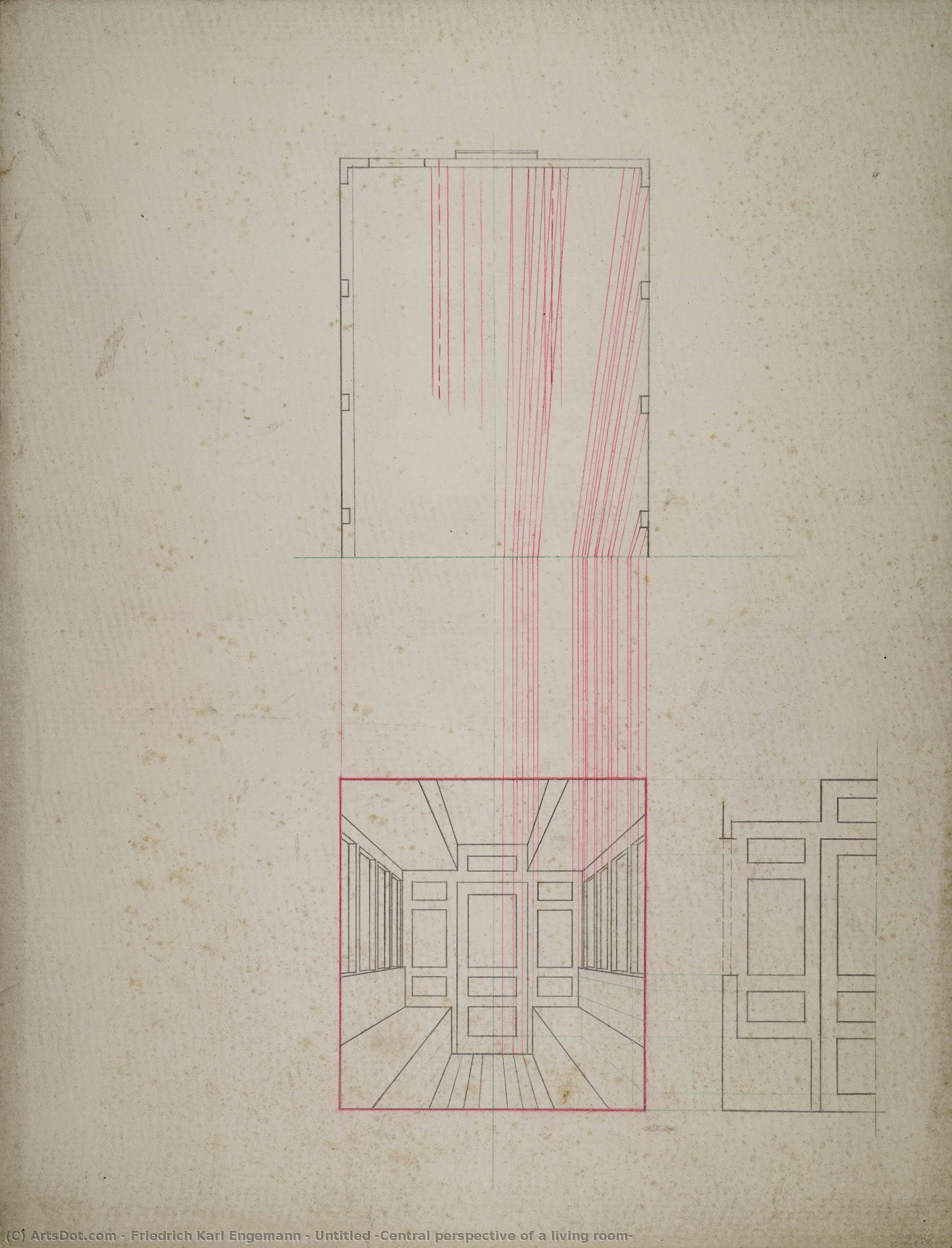
Untitled (Central perspective of a living room)
 77.0 x 59.0 cm
 Баухаус Дессу (Bauhaus Dessau)
 Читать далее
Приобретите цифровое изображение высокого разрешения в улучшенном качестве, которое значительно превосходит онлайн-превью.
Каждый файл тщательно подготавливается нашими специалистами с использованием передовых инструментов и экспертной ручной ретуши. Мы гарантируем исключительную четкость, точную цветопередачу и детальную проработку каждого изображения.
Финальный файл доставляется по электронной почте в течение 72 часов и оптимизирован для немедленного использования в профессиональной среде, при верстке и печати. Это тот же уровень качества, которому доверяют ведущие дизайнерские студии, издательства и галереи.
Цифровое изображение
Скачайте файл высокого разрешения для личного использования, печати и творческих проектов. ( Перейти к печати Купить картину ручной работы)
Включено в каждый заказ цифровых изображений
Гарантия экспертной цифровой доставки
Выбирая ArtsDot.com, вы получаете не просто изображение — вы приобретаете профессионально обработанное цифровое произведение искусства, созданное с безупречной точностью и под защитой гарантии качества. Вот всё, что автоматически входит в ваш заказ:

Мгновенная доставка по e-mail
Ваш цифровой файл в высоком разрешении будет отправлен вам по электронной почте в течение 72 часов после оформления заказа — и сразу станет доступен для использования.

Цифровой файл с ИИ-улучшением
Ваше произведение искусства проходит профессиональную оптимизацию с использованием передовых инструментов ИИ и ручной обработки, что гарантирует максимальную детализацию, четкость и точность цветопередачи.

Бессрочная бесплатная повторная доставка
Случайно удалили или потеряли файл? Не беспокойтесь — мы отправим его вам повторно в любое время и совершенно бесплатно.

Без импортных пошлин — навсегда
Наслаждайтесь вашим произведением искусства мгновенно без таможенных пошлин, сборов или затрат на доставку — цифровые загрузки всегда не облагаются налогом.

Гарантия точности цветопередачи
Мы гарантируем, что ваше цифровое изображение максимально точно передает оригинальные цвета благодаря использованию профессиональных инструментов и систем управления цветом.

Гарантия удовлетворенности 100 дней
Если вы не будете удовлетворены своим цифровым изображением, мы внесем правки или вернем 100% стоимости в течение 100 дней — без лишних вопросов.

100% Гарантия возврата средств
Не удовлетворены покупкой? Получите полный возврат средств в течение 100 дней после получения цифрового файла — без лишних вопросов.

Скидки на оптовые заказы
Купите 3 изображения, сэкономьте 10% — Купите 5, сэкономьте 15% — Купите 10+, сэкономьте 20%. Отличное решение для творческих проектов, галерей и агентств.
Похожие произведения







Биография художника
The Architect of Form: The Life and Legacy of Friedrich Karl Engemann
In the annals of modernism, certain names resonate with the structural clarity of the steel and glass they helped define. Friedrich Karl Engemann (1898–1970) was such a figure, a man whose life story serves as a bridge between the rugged tactile reality of manual craftsmanship and the ethereal, avant-garde visions of the Bauhaus movement. Born in Meuselwitz, Germany, Engemann’s journey did not begin in the lofty studios of fine art, but rather in the dust and grit of labor. His early years were defined by a profound connection to the physical world; having trained as a mason between 1912 and 1915, he possessed an innate understanding of the weight, texture, and permanence of building materials—a foundation that would later allow him to ground revolutionary design theories in structural reality.
This early immersion in trade was complemented by a rigorous academic pursuit of technical and aesthetic mastery. Through his studies at the Polytechnicum Görlitz and an apprenticeship in cabinetmaking, Engemann developed a dual perspective: the precision of the engineer and the soul of the artisan. His intellectual expansion continued at Dresden’s Applied Arts Academy, where he delved into the nuances of interior design and art criticism. This period of his life was not merely about acquiring skill, but about cultivating a vision where form and function were not opposing forces, but a singular, harmonious entity. His personal life further intertwined with the pulse of modernism when he married Alma Else Imboden, a student of the Bauhaus, creating a domestic and professional synergy that placed him at the very heart of Germany's most influential design revolution.
The Bauhaus Years and the Geometry of Modernity
When Engemann arrived in Dessau, he entered a crucible of radical thought. His association with the Bauhaus was transformative, moving from the role of a student to that of an assistant and eventually a teacher of architectural drawing, construction, and descriptive geometry. Working within the orbit of legends like Wassily Kandinsky and Paul Klee, Engemann absorbed the movement's core mission: the dissolution of the barrier between high art and industrial utility. His work during this era reflected the quintessential Bauhaus aesthetic—a pursuit of geometric precision, clarity, and an unapologetic embrace of modern technology.
Engemann’s contribution to the movement was characterized by a unique ability to translate complex architectural concepts into legible, instructional forms. While many focused on the purely abstract, Engemann remained tethered to the practicalities of construction. His drawings and designs, such as those documenting the Engemann house at Fischereiweg 13, showcase a masterful use of graphite and pencil to capture the interplay of light, space, and structural rhythm. He championed an approach where every line served a purpose, and every void was as intentional as the solid mass. This period of his career solidified his reputation as a designer who could navigate the tension between the experimental spirit of the avant-garde and the disciplined requirements of the building craftsman.
A Lasting Blueprint for Design
The trajectory of Engemann’s career was shaped by the turbulent political tides of 20th-century Germany. Following the closure of the Bauhaus in 1933, his role shifted, yet his commitment to architectural education remained steadfast. He continued to influence generations of designers through his work in various educational institutions, eventually playing a formative role in the architectural landscape of the GDR. His ability to maintain the integrity of design principles through periods of intense political transition is a testament to the enduring strength of his convictions.
Today, Friedrich Karl Engemann is remembered not merely as a participant in a movement, but as a vital architect of its educational and practical foundations. His legacy resides in:
- The Synthesis of Craft and Theory: His ability to merge the manual expertise of a mason with the intellectual rigor of an academic.
- Architectural Pedagogy: His significant contributions to teaching construction and descriptive geometry, which helped codify the language of modern design.
- Functional Elegance: A body of work that remains a benchmark for how simplicity and geometric clarity can achieve timelessness.
As we look back upon his life, Engemann stands as a reminder that the most profound innovations often arise from a deep respect for the fundamental elements of our built environment. His life was a continuous dialogue between the earth and the idea, leaving behind a blueprint that continues to inspire the pursuit of functional beauty.
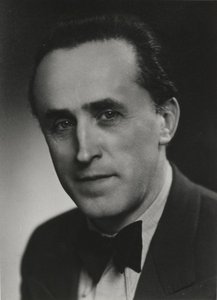
friedrich karl engemann
1898 - 1970 , Germany
Основные сведения
- Artistic Movement Or Style: Bauhaus
- Artists Or Movements Influenced By This Artist: ['Modern Art']
- Artists Who Influenced This Artist:
- Wassily Kandinsky
- Paul Klee
- Joost Schmidt
- Date Of Birth: May 13, 1898
- Date Of Death: January 21, 1970
- Full Name: Friedrich Karl Engemann
- Nationality: German
- Notable Artworks:
- Franz ehrlich: 2 display cases
- Franz ehrlich: Sales counter
- Franz ehrlich: Book and document repository
- Place Of Birth: Meusechwitz, Germany