

 Предпросмотр
 Поделиться
 Поделиться
 Детали произведения

 Скачать
 Похожие работы
 Рентгенография
 Слайд-шоу
 Статистика
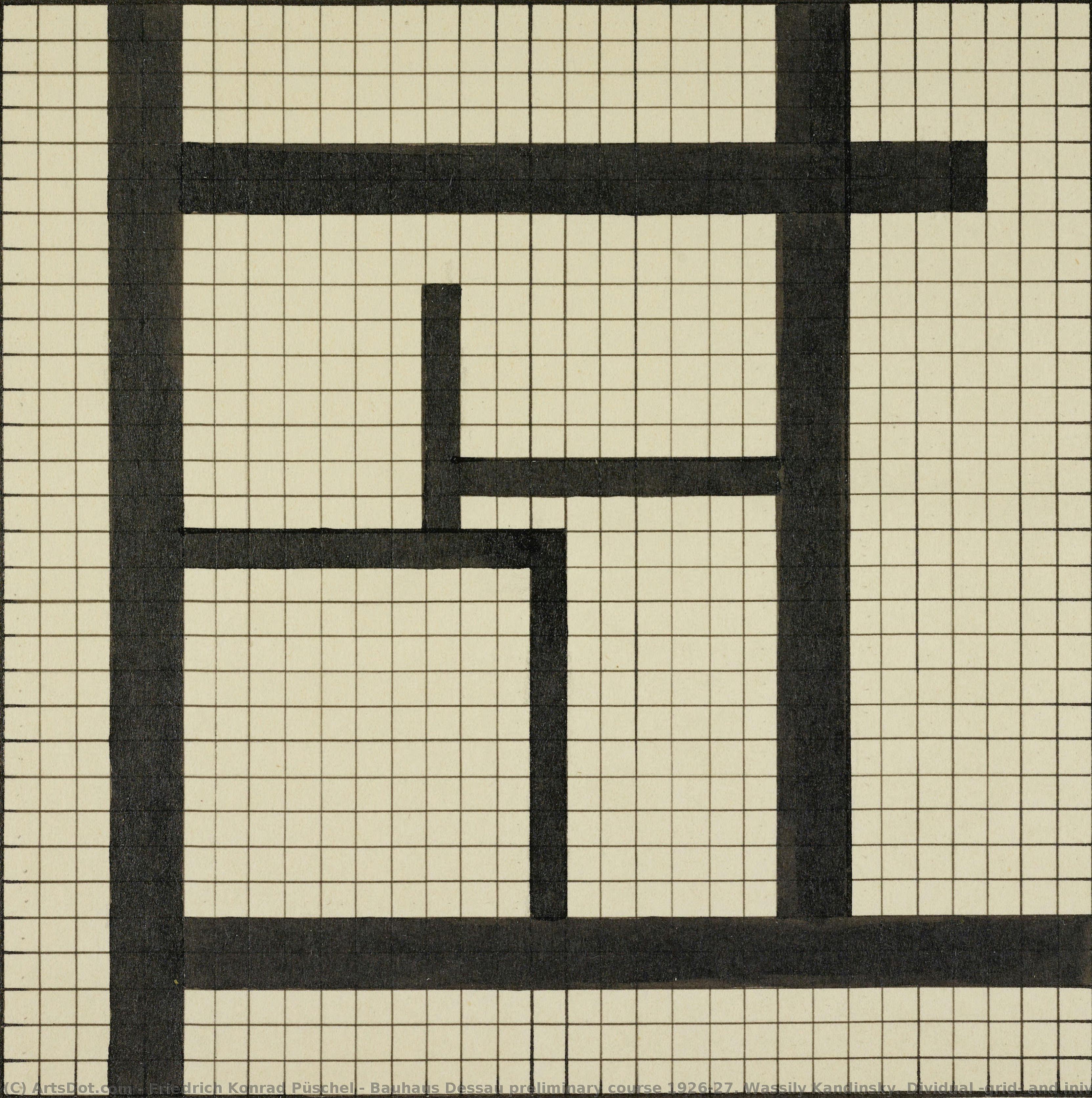
Bauhaus Dessau preliminary course 1926/27. Wassily Kandinsky. Dividual (grid) and inividual (black) design of the square
 Acrylic On Canvas
- WallArt
- Bauhaus Modernism
 1926
1926 21.0 x 29.0 cm
 Баухаус Дессу (Bauhaus Dessau)
 Читать далее
Масляная репродукция ручной работы
Картина маслом на холсте в выбранном вами размере и раме, написанная на заказ нашими художниками. ( Перейти к печати Перейти к цифровым изображениям)




P118B $10

P118H $10

P118W $10

P438Z $10

P508JH $12

P508YH $12

P805H $10

P805Z $10

P919BZ $10

P919G $10

P919XJ $10

P959ZH $10

P968JZ $12

W106C $8

W218G $10

W218JH $8

W218Y $10

W307PJ $10

W316G $10

W316PJ $8

W316Y $10

W398PJ $8

W4111J $10

W500HY $15

W500JH $15

W692G $12

W849H $8

W940BG $15

W953PJ $8




Выберите один из наших стандартных размеров, соответствующих оригинальным пропорциям произведения искусства.

Вы можете указать собственные размеры, чтобы картина идеально вписалась в выбранную раму или пространство. Если выбранный вами размер не соответствует пропорциям оригинала, мы либо обрежем полотно, либо расширим его за счет дополнительных элементов, написанных вручную. Цифровой макет будет отправлен вам на утверждение перед началом производства.
Обратите внимание, что предварительный просмотр на экране не отражает фактическую обрезку или расширение. Только макет точно покажет окончательную композицию.
Хотя доступны индивидуальные размеры, мы рекомендуем выбирать вариант из предопределенного списка, чтобы сохранить исходные пропорции.
После оформления заказа команда ArtsDot.com свяжется с клиентом по электронной почте для уточнения деталей и предоставит предварительный макет
Доставка по всему миру () за 3–4 недели вместо стандартных 5 недель. (13 Сентябрь). Без компромиссов в качестве.

Бесплатная экспресс-доставка по всему миру

Высококачественный льняной холст

Полное страхование доставки

Гарантия возмещения таможенных пошлин

Гарантия точного соответствия цветов

100-дневная политика возврата (только при обнаружении дефектов)

Гарантия возврата 100% средств

Предложение оптовых скидок
 Вариант со стеклом доступен только для размеров менее 110 см

Bauhaus Dessau preliminary course 1926/27. Wassily Kandinsky. Dividual (grid) and inividual (black) design of the square
Техника репродукции
Размер репродукции
-


Итоговая стоимость
$ 263
Bauhaus Dessau Preliminary Course 1926/27: A Grid of Ideas – Exploring Konrad Püschel’s Vision
The artwork "Bauhaus Dessau preliminary course 1926/27. Wassily Kandinsky" by Friedrich Konrad Püschel stands as a testament to the formative years of Bauhaus, Germany's revolutionary design school founded in 1919. Created in 1926 and housed at the Bauhaus Dessau Foundation in Dessau-Roßlau, this painting transcends mere visual representation; it embodies the core principles of the movement – simplification, functionality, and the exploration of abstract forms inspired by Kandinsky’s pioneering theories of color and spirituality. Measuring 21 x 29 cm, executed with ink on paper, Püschel's piece isn’t simply a depiction of a classroom setting; it’s an articulation of Bauhaus’s intellectual ambition.The Grid as Symbol: Structure and Harmony
At first glance, the painting presents a deceptively simple composition – a grid pattern overlaid upon a predominantly white background punctuated by strategically placed black squares. However, this seemingly straightforward arrangement holds profound symbolic significance. The grid itself represents order, rationality, and the Bauhaus ethos of disciplined design. It mirrors the architectural plans of Dessau’s iconic building designed by Walter Gropius, reflecting the school's commitment to constructing a new visual language rooted in geometric precision. As Kandinsky himself championed, grids can facilitate harmonious relationships between elements, guiding the eye towards balance and clarity – mirroring the Bauhaus aspiration for creating spaces that foster creativity and intellectual engagement.Technique and Materiality: Ink on Paper - A Delicate Balance
Püschel’s masterful technique utilizes ink on paper to achieve remarkable tonal subtlety. The artist skillfully employs varying shades of black, meticulously crafted to create a textured surface that captures the nuances of light and shadow. This deliberate choice contributes to the painting's contemplative mood and underscores the importance of tactile experience within Bauhaus aesthetics. Unlike more flamboyant artistic expressions of the era, Püschel’s approach prioritizes understated elegance, reflecting Bauhaus’s belief in functionality informing form—a core tenet that extends beyond architectural considerations into visual art. The paper substrate itself is chosen with care, providing a neutral backdrop against which the black squares can powerfully communicate their geometric essence.Historical Context: Kandinsky's Influence and Bauhaus Ideals
The painting’s genesis lies firmly within the intellectual ferment of the Weimar Republic and the burgeoning influence of Wassily Kandinsky’s groundbreaking explorations into synesthesia – the blending of senses, particularly sight and sound. Kandinsky’s theories argued that colors possessed inherent vibrational qualities capable of evoking emotional responses akin to musical notes. Püschel sought to translate this concept visually, demonstrating how geometric forms could convey spiritual ideas through color relationships. This reflects Bauhaus's broader ambition to liberate art from traditional representational constraints and embrace abstraction as a vehicle for expressing universal truths—a bold stance that positioned Bauhaus at the forefront of European artistic innovation during its formative years.Emotional Resonance: Quiet Contemplation and Intellectual Stimulation
Ultimately, “Bauhaus Dessau preliminary course 1926/27” invites viewers into a state of quiet contemplation. The stark contrast between black and white encourages introspection, prompting consideration of the grid’s symbolic power and Kandinsky's conceptual framework. More than just an aesthetic exercise, it represents Bauhaus’s conviction that art could inspire intellectual curiosity and contribute to shaping human consciousness—a legacy that continues to resonate within contemporary design discourse. It serves as a poignant reminder of the movement’s enduring commitment to exploring the intersection between form, function, and profound artistic expression.Похожие произведения
Биография художника
early life and education
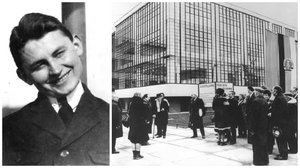
friedrich konrad püschel, a german architect, town planner, and university professor, was born in 1907 in dessau, germany. he attended the renowned bauhaus design school, where he honed his skills in architecture and design.career highlights
püschel's illustrious career spanned across east germany, the soviet union, and north korea. as a university professor, he shared his expertise with numerous students, shaping the minds of future architects and designers. his work in town planning and architecture left an indelible mark on the countries where he worked.notable contributions
- the museum formerly collection bernhard koehler (berlin, germany): püschel's work was influenced by various art collections, including this renowned museum. although many of its artworks were lost or destroyed during world war ii, some surviving pieces can be found in museums worldwide.
- kunsthaus buhler stuttgart, germany: as a prominent figure in the architecture world, püschel's work was likely influenced by this esteemed art museum. kunsthaus buhler boasts an impressive collection of german and french art from the 19th century to the present day.
- unter den linden, berlin, germany: as a prominent architect, püschel might have worked on projects in this historic boulevard, home to several world-renowned museums. his contributions to the city's architecture are a testament to his skill and dedication.
legacy
friedrich konrad püschel passed away in 1997, leaving behind a legacy of innovative architectural designs and a lasting impact on the world of art and design. his work continues to inspire new generations of architects, town planners, and university professors. view more artworks by friedrich konrad püschel on https://ArtsDot.com/@/friedrich-konrad-puschel- discover the museum formerly collection bernhard koehler (berlin, germany) and its significance in the art world: /en/art/show/art-d3bmnh-en/
- explore the kunsthaus buhler stuttgart, germany and its impressive collection: /en/art/show/art-d3b469-en/
- learn more about the unter den linden, berlin, germany and its cultural significance: https://ArtsDot.com/@@/a@d3c97p-the-museum-unter-den-linden-berlin-germany
friedrich konrad püschel
1907 - 1997 , Germany
Основные сведения
- Artistic Movement Or Style: Surrealism, Mexican folk art
- Artists Or Movements Influenced By This Artist: ['Mexican muralism']
- Artists Who Influenced This Artist: ['Diego Rivera']
- Date Of Birth: July 6, 1907
- Date Of Death: July 13, 1954
- Full Name: Magdalena Carmen Frida Kahlo y Calderón
- Nationality: Mexican
- Notable Artworks:
- The Two Fridas
- Henry Ford Hospital
- Self-Portrait with Thorn Necklace and Hummingbird
- Place Of Birth: Coyoacán, Mexico City
Похожие статьи

Топ-10 знаменитых картин в черных тонах: шедевры искусства для вашего интерьера
Погрузитесь в мир темных шедевров! Топ-10 знаменитых картин в черных тонах от Гойи, Рембрандта и Мунка. История искусства, техники живописи и вдохновение для вашего интерьера. Купите репродукции высокого качества на ArtsDot.com
Топ-10 шедевров абстрактного экспрессионизма: искусство для вашего интерьера от ArtsDot.com
Погрузитесь в мир абстрактного экспрессионизма! Откройте для себя 10 шедевров Поллока, Ротко и других гениев. История искусства, техники живописи и вдохновение для вашего интерьера от ArtsDot.com. Explore the full collection online!

Топ-25 шедевров Василия Кандинского: Абстрактное искусство для вашего интерьера
Погрузитесь в мир абстрактного искусства с Василием Кандинским! 25 шедевров экспрессионизма, баухауса и русского авангарда. Репродукции картин Кандинского для вдохновения и декора вашего интерьера. Откройте всю коллекцию на ArtsDot.com

Геометрическая абстракция: 10 шедевров, изменивших искусство | ArtsDot.com
Погрузитесь в мир геометрической абстракции! От Кандинского до Малевича – 10 шедевров, изменивших искусство. Узнайте историю создания и значение культовых картин. Репродукции музейного качества на ArtsDot.com. Вдохновение для вашего интерьера!
Deconstructing Form & Feeling: A Guide to Contemporary Abstract Art for Collectors
Explore the world of contemporary abstract art with ArtsDot. Discover key movements, influential artists & expert collecting advice. Invest in museum-quality paintings today.