

 Предпросмотр
 Поделиться
 Поделиться
 Детали произведения

 Скачать
 Похожие работы
 Рентгенография
 Слайд-шоу
 Статистика
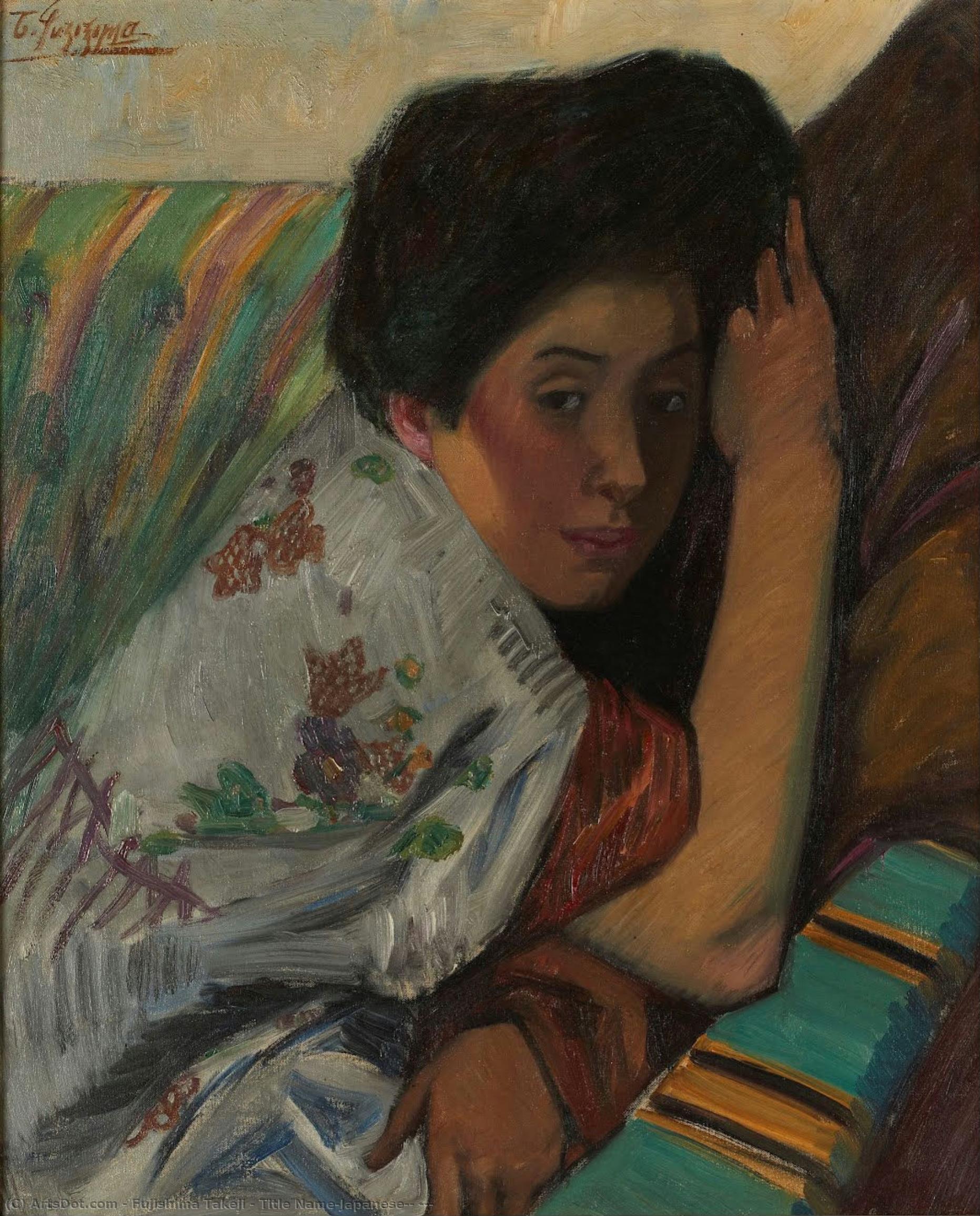
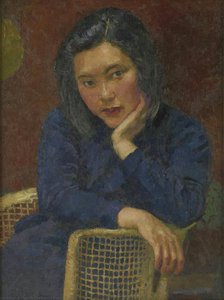
Title Name(Japanese): うつつ
 52.0 x 64.0 cm
 Читать далее
Масляная репродукция ручной работы
Картина маслом на холсте в выбранном вами размере и раме, написанная на заказ нашими художниками. ( Перейти к печати Перейти к цифровым изображениям)




































Выберите один из наших стандартных размеров, соответствующих оригинальным пропорциям произведения искусства.

Вы можете указать собственные размеры, чтобы картина идеально вписалась в выбранную раму или пространство. Если выбранный вами размер не соответствует пропорциям оригинала, мы либо обрежем полотно, либо расширим его за счет дополнительных элементов, написанных вручную. Цифровой макет будет отправлен вам на утверждение перед началом производства.
Обратите внимание, что предварительный просмотр на экране не отражает фактическую обрезку или расширение. Только макет точно покажет окончательную композицию.
Хотя доступны индивидуальные размеры, мы рекомендуем выбирать вариант из предопределенного списка, чтобы сохранить исходные пропорции.
После оформления заказа команда ArtsDot.com свяжется с клиентом по электронной почте для уточнения деталей и предоставит предварительный макет
Доставка по всему миру () за 3–4 недели вместо стандартных 5 недель. (11 Сентябрь). Без компромиссов в качестве.

Бесплатная экспресс-доставка по всему миру

Высококачественный льняной холст

Полное страхование доставки

Гарантия возмещения таможенных пошлин

Гарантия точного соответствия цветов

100-дневная политика возврата (только при обнаружении дефектов)

Гарантия возврата 100% средств

Предложение оптовых скидок
 Вариант со стеклом доступен только для размеров менее 110 см

Title Name(Japanese): うつつ
Техника репродукции
Размер репродукции
-


Итоговая стоимость
$ 263
Похожие произведения






Биография художника
A Bridge Between Worlds: The Life and Art of Fujishima Takeji
Fujishima Takeji, born in Kagoshima in 1867, emerged as a pivotal figure during a period of profound transformation in Japanese art. His life coincided with the rapid modernization of Japan following the Meiji Restoration, an era that witnessed a fervent embrace of Western ideas alongside a deep reverence for traditional culture. This dynamic tension became the defining characteristic of Takeji’s artistic journey, positioning him at the forefront of the *yōga* movement – the adoption of Western painting techniques by Japanese artists. His early life, rooted in the samurai class through his father's lineage as a retainer to the Shimazu clan, instilled within him a sense of discipline and tradition that would subtly inform his later artistic explorations. Though initially studying traditional *nihonga* painting with Hirayama Tōgaku, Takeji felt an undeniable pull towards the innovations unfolding in Western art, leading him to Tokyo and a dedicated pursuit of oil painting under masters like Yamamoto Hōsui and Yukihiko Soyama.Forging a New Aesthetic: Romanticism, Impressionism, and Art Nouveau
Takeji’s artistic style wasn't defined by strict adherence to any single Western school but rather by a masterful synthesis of various influences. He absorbed the tenets of Romanticism, imbuing his works with a sense of emotional depth and dramatic narrative. This was coupled with an appreciation for Impressionism’s emphasis on capturing fleeting moments and the effects of light – though filtered through a distinctly Japanese sensibility. His 1891 debut piece, “Muzan” (Cruelty), garnered attention from the influential novelist Mori Ōgai, signaling his rising prominence within the art world. Later, a sojourn to Europe in 1905 proved transformative. Studying under Fernand Cormon and Carolus-Duran in Paris and Italy respectively, he honed his technical skills while further refining his artistic vision. The influence of Art Nouveau began to subtly weave its way into his compositions, adding an element of decorative elegance and flowing lines. This unique blend resulted in a style that was both distinctly Japanese and undeniably modern – a harmonious fusion of East and West. Works like “Woman of Italy” (1909) beautifully demonstrate this synthesis, showcasing Western portraiture techniques applied to a subject imbued with a delicate Japanese aesthetic.Themes and Techniques: A Celebration of Beauty and Nostalgia
Throughout his career, Fujishima Takeji consistently explored themes that resonated deeply within the Japanese cultural landscape. He frequently depicted women – often historical figures or idealized representations of feminine beauty – rendered with a sensitivity and grace that captivated audiences. Flowers, butterflies, and landscapes also featured prominently in his oeuvre, serving as vehicles for expressing both aesthetic pleasure and subtle emotional undertones. “From the Notebooks: Mourning for Butterflies” exemplifies this approach; its delicate watercolor rendering evokes a sense of wistful melancholy and fleeting beauty, reminiscent of *ukiyo-e* prints yet executed with a distinctly Western painterly technique. His landscapes, such as "Distant View of Awajishima" (1929), are not merely representations of scenery but rather evocative mood pieces that capture the serene atmosphere and subtle nuances of the natural world. Takeji’s technical mastery was evident in his skillful handling of oil paint and watercolor, achieving a remarkable balance between realism and expressive brushwork.Legacy and Influence: Shaping Modern Japanese Art
Fujishima Takeji's impact on the development of modern Japanese painting is undeniable. As a professor at the Tokyo Art School and a member of the Imperial Art Academy, he played a crucial role in shaping the next generation of artists. While not directly involved with the *nihonga* movement – which sought to revitalize traditional Japanese art forms – his work within the *yōga* sphere indirectly influenced its development by demonstrating the possibilities of incorporating Western techniques while retaining a distinctly Japanese identity. He paved the way for other artists to explore new avenues of artistic expression, bridging the gap between tradition and modernity. His recognition with the prestigious Order of Culture in 1937 solidified his position as one of Japan’s most important artists. Today, his works are held in prominent collections, including the Fujikawa Galleries in Japan, continuing to inspire and captivate audiences with their timeless beauty and enduring artistic significance. He remains a testament to the power of cross-cultural exchange and the transformative potential of art.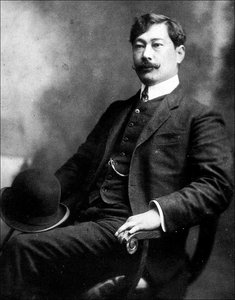
Fujishima Takeji
1867 - 1943 , Japan
Основные сведения
- Artistic Movement Or Style:
- Yōga
- Post-Impressionism
- Art Nouveau
- Romanticism
- Artists Or Movements Influenced By This Artist: ['Nihonga movement']
- Artists Who Influenced This Artist:
- Yamamoto Hōsui
- Kuroda Seiki
- Date Of Birth: October 15, 1867
- Date Of Death: 1943
- Full Name: Fujishima Takeji
- Nationality: Japanese
- Notable Artworks:
- Mourning for Butterflies
- Woman of Italy
- Distant View Awajishima
- Place Of Birth: Kagoshima, Japan