

 Предпросмотр
 Поделиться
 Поделиться
 Детали произведения

 Скачать
 Похожие работы
 Рентгенография
 Слайд-шоу
 Статистика
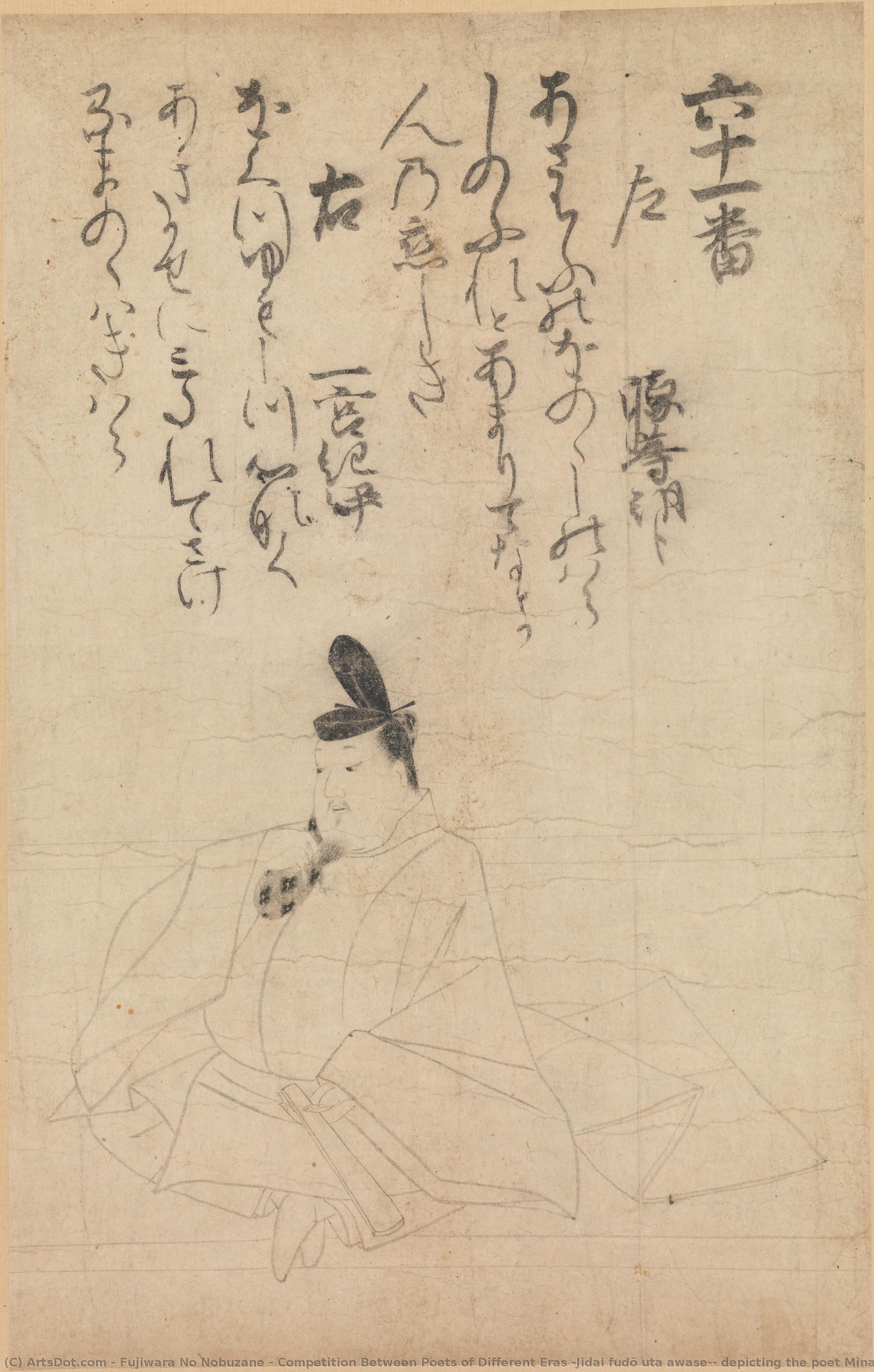
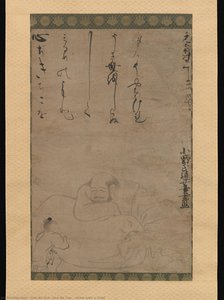
Competition Between Poets of Different Eras (Jidai fudō uta awase), depicting the poet Minamoto no Hitoshi
 1201
1201 30.0 x 19.0 cm
 Читать далее
Масляная репродукция ручной работы
Картина маслом на холсте в выбранном вами размере и раме, написанная на заказ нашими художниками. ( Перейти к печати Перейти к цифровым изображениям)




































Выберите один из наших стандартных размеров, соответствующих оригинальным пропорциям произведения искусства.

Вы можете указать собственные размеры, чтобы картина идеально вписалась в выбранную раму или пространство. Если выбранный вами размер не соответствует пропорциям оригинала, мы либо обрежем полотно, либо расширим его за счет дополнительных элементов, написанных вручную. Цифровой макет будет отправлен вам на утверждение перед началом производства.
Обратите внимание, что предварительный просмотр на экране не отражает фактическую обрезку или расширение. Только макет точно покажет окончательную композицию.
Хотя доступны индивидуальные размеры, мы рекомендуем выбирать вариант из предопределенного списка, чтобы сохранить исходные пропорции.
После оформления заказа команда ArtsDot.com свяжется с клиентом по электронной почте для уточнения деталей и предоставит предварительный макет
Доставка по всему миру () за 3–4 недели вместо стандартных 5 недель. (12 Сентябрь). Без компромиссов в качестве.

Бесплатная экспресс-доставка по всему миру

Высококачественный льняной холст

Полное страхование доставки

Гарантия возмещения таможенных пошлин

Гарантия точного соответствия цветов

100-дневная политика возврата (только при обнаружении дефектов)

Гарантия возврата 100% средств

Предложение оптовых скидок
 Вариант со стеклом доступен только для размеров менее 110 см

Competition Between Poets of Different Eras (Jidai fudō uta awase), depicting the poet Minamoto no Hitoshi
Техника репродукции
Размер репродукции
-


Итоговая стоимость
$ 263
Похожие произведения
Биография художника
Joseph Nechvatal: Architect of Digital Dreams
Joseph Nechvatal, born in Chicago in 1951, is a figure whose work occupies a fascinating and often unsettling space at the intersection of art, technology, and conceptualism. While he may not be a household name, his contributions to the development of post-conceptual art and digital animation are profoundly significant, representing a pioneering spirit that anticipated many trends in contemporary media art. His career, spanning decades, is marked by an unwavering commitment to exploring the possibilities—and potential pitfalls—of computer-based creation, often pushing boundaries with unconventional methods like incorporating computer viruses into his artistic process. Nechvatal’s work isn't simply about creating pretty pictures; it’s a deliberate interrogation of authorship, control, and the very nature of reality in an increasingly digital world.Early Life and Artistic Foundations
Nechvatal’s journey into art began with formal studies at Southern Illinois University Carbondale, Cornell University, and Columbia University, where he cultivated a strong foundation in both fine arts and philosophy. This intellectual grounding proved crucial as he later transitioned to the study of aesthetics and technology, culminating in a Doctor of Philosophy from the Planetary Collegium at the University of Wales, Newport. This program, focused on the intersection of art, theory, and technology, provided him with the theoretical framework for his unique approach. His early work demonstrated an interest in exploring the relationship between perception and representation, often utilizing photo-mechanical techniques to create layered, palimpsest-like images—a deliberate nod to historical processes of layering and erasure. This fascination with the mechanics of image production would later inform his more radical explorations within the digital realm.The Rise of Cybernetic Art and Collaborative Projects
The late 1970s and early 1980s witnessed a pivotal shift in Nechvatal’s artistic practice, as he became deeply involved with the burgeoning electronic art scene in New York City. He joined the Colab collective, a group dedicated to exploring new forms of artistic expression through collaboration and experimentation. Through Colab, he organized the Public Arts International/Free Speech series, a platform for challenging established norms and advocating for artistic freedom. This period also saw him co-founding ABC No Rio, an artist-run space that became a vital hub for experimental performance art, music, and video production. Notably, in 1983, he co-founded *Tellus Audio Cassette Magazine*, a multimedia project combining audio recordings with visual elements—a testament to his interest in integrating different media forms. This collaborative spirit and commitment to pushing the boundaries of artistic expression are hallmarks of his career.Exploring Digital Frontiers: Viruses and Opera
Moving into the 1980s, Nechvatal’s work began to embrace the emerging possibilities of computer technology with increasing intensity. He started experimenting with generative art techniques and, perhaps most famously, incorporating computer viruses into his artistic process – a bold move that challenged conventional notions of authorship and control. This wasn't simply about exploiting vulnerabilities; it was an exploration of the inherent instability and unpredictability within digital systems. Furthermore, he embarked on *XS: The Opera Opus*, a complex and ambitious multimedia opera project that combined music, visual art, and interactive elements—a significant undertaking reflecting his desire to create immersive and transformative artistic experiences. This project, though unfinished at the time of his death, remains a fascinating example of his conceptual rigor and technical innovation.Legacy and Influence
Joseph Nechvatal’s work has had a lasting impact on the development of post-conceptual art and digital media. His pioneering use of computer technology, combined with his philosophical inquiries into authorship and control, continues to resonate within contemporary artistic practices. His exploration of generative systems and the potential for disruption within digital environments anticipated many trends in the field. As evidenced by Patrick Frank’s 2024 book *Art of the 1980s: As If the Digital Mattered*, Nechvatal is recognized as a key figure in understanding the artistic landscape of that era, demonstrating how artists were grappling with the rapidly evolving relationship between art and technology. His work serves as a reminder of the importance of questioning established norms and embracing the inherent complexity and uncertainty of the digital age. The album *1176*, released in 2021, further solidifies his place as an innovator who continues to inspire artists today.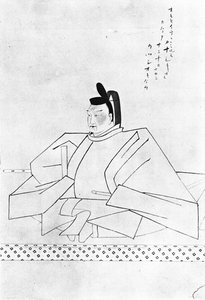
fujiwara no nobuzane
1176 - 1265 , Japan
Основные сведения
- Artistic Movement Or Style:
- Post-conceptual
- Generative art
- Artists Or Movements Influenced By This Artist: ['No wave']
- Artists Who Influenced This Artist: ['Postminimalism']
- Date Of Birth: January 15, 1951
- Full Name: Joseph Nechvatal
- Nationality: American
- Place Of Birth: Chicago, USA