

 Предпросмотр
 Поделиться
 Поделиться
 Детали произведения

 Скачать
 Похожие работы
 Рентгенография
 Слайд-шоу
 Статистика
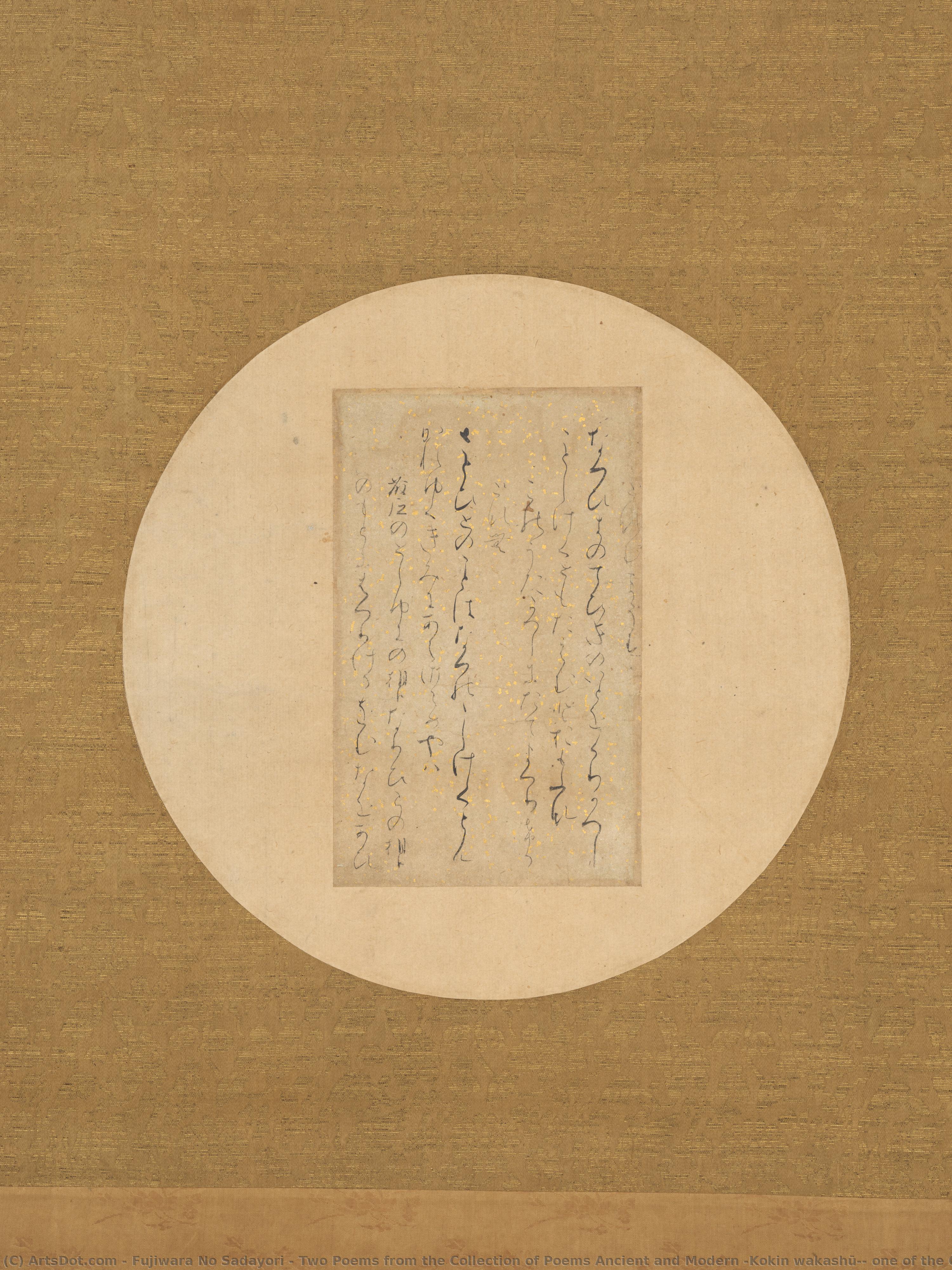
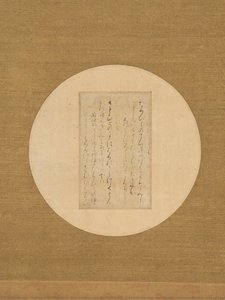
Two Poems from the Collection of Poems Ancient and Modern (Kokin wakashū), one of the Ōe Fragments (Ōe-gire)
 Ink On Paper
 1101
1101- Early Medieval
 21.0 x 13.0 cm
 Читать далее
Приобретите цифровое изображение высокого разрешения в улучшенном качестве, которое значительно превосходит онлайн-превью.
Каждый файл тщательно подготавливается нашими специалистами с использованием передовых инструментов и экспертной ручной ретуши. Мы гарантируем исключительную четкость, точную цветопередачу и детальную проработку каждого изображения.
Финальный файл доставляется по электронной почте в течение 72 часов и оптимизирован для немедленного использования в профессиональной среде, при верстке и печати. Это тот же уровень качества, которому доверяют ведущие дизайнерские студии, издательства и галереи.
Цифровое изображение
Скачайте файл высокого разрешения для личного использования, печати и творческих проектов. ( Перейти к печати Купить картину ручной работы)
Включено в каждый заказ цифровых изображений
Гарантия экспертной цифровой доставки
Выбирая ArtsDot.com, вы получаете не просто изображение — вы приобретаете профессионально обработанное цифровое произведение искусства, созданное с безупречной точностью и под защитой гарантии качества. Вот всё, что автоматически входит в ваш заказ:

Мгновенная доставка по e-mail
Ваш цифровой файл в высоком разрешении будет отправлен вам по электронной почте в течение 72 часов после оформления заказа — и сразу станет доступен для использования.

Цифровой файл с ИИ-улучшением
Ваше произведение искусства проходит профессиональную оптимизацию с использованием передовых инструментов ИИ и ручной обработки, что гарантирует максимальную детализацию, четкость и точность цветопередачи.

Бессрочная бесплатная повторная доставка
Случайно удалили или потеряли файл? Не беспокойтесь — мы отправим его вам повторно в любое время и совершенно бесплатно.

Без импортных пошлин — навсегда
Наслаждайтесь вашим произведением искусства мгновенно без таможенных пошлин, сборов или затрат на доставку — цифровые загрузки всегда не облагаются налогом.

Гарантия точности цветопередачи
Мы гарантируем, что ваше цифровое изображение максимально точно передает оригинальные цвета благодаря использованию профессиональных инструментов и систем управления цветом.

Гарантия удовлетворенности 100 дней
Если вы не будете удовлетворены своим цифровым изображением, мы внесем правки или вернем 100% стоимости в течение 100 дней — без лишних вопросов.

100% Гарантия возврата средств
Не удовлетворены покупкой? Получите полный возврат средств в течение 100 дней после получения цифрового файла — без лишних вопросов.

Скидки на оптовые заказы
Купите 3 изображения, сэкономьте 10% — Купите 5, сэкономьте 15% — Купите 10+, сэкономьте 20%. Отличное решение для творческих проектов, галерей и агентств.
Похожие произведения
Биография художника
A Legacy of Elegance: The Life and Art of Fujiwara no Sadayori
In the golden twilight of the mid-Heian period, a time when the Japanese imperial court flourished in unparalleled refinement, there emerged a figure whose artistry would become synonymous with the very essence of classical beauty. Fujiwara no Sadayori, born in 995, was not merely a participant in this cultural renaissance but one of its most luminous architects. As the eldest son of the legendary poet and scholar Fujiwara no Kintō, and a descendant of Emperor Murakami through his maternal lineage, Sadayori was born into the heart of Japan's political and literary aristocracy. His life was a seamless tapestry woven from threads of administrative duty and poetic devotion, moving from the disciplined role of Director for Military Affairs to the prestigious position of Middle Counselor.
The artistry of Sadayori was never confined to a single medium; rather, it flowed between the rhythmic precision of waka poetry and the graceful movement of calligraphy. To understand his work is to understand the Heian aesthetic—a pursuit of mono no aware, or a sensitive awareness of the impermanence of things. His poetry, characterized by an exquisite simplicity and an evocative use of natural imagery, sought to capture the fleeting moments of existence with profound emotional depth. This mastery was recognized by his peers and posterity alike, earning him a place among the Late Classical Thirty-Six Immortals of Poetry, a prestigious canon that celebrates the most transcendent voices in Japanese history.
The Poetic Voice and Calligraphic Grace
Sadayori’s literary contributions are anchored by his inclusion in the most venerable imperial anthologies, with forty-five of his poems preserved for eternity. Perhaps his most enduring contribution to the Japanese canon is his poem featured as number 64 in the Ogura Hyakunin Isshu. This particular verse, which contemplates the dawn mists over the Uji River, serves as a masterclass in atmospheric suggestion. Through words that evoke the way river fog breaks apart to reveal the wooden pilings of a weir, he invites the reader into a world of subtle transitions and quiet beauty.
Beyond the spoken or written word, his physical hand left an indelible mark on the history of Japanese calligraphy. As a calligrapher, Sadayori was celebrated for a script that balanced strength with fluidity, helping to establish and standardize an orthodox courtly style. His work is often preserved in precious fragments, such as the Ōe-gire, where the ink on paper reflects a disciplined yet soulful energy. This intersection of literature and visual art—where the shape of a character carries as much emotional weight as the meaning of the poem itself—is what defines his unique artistic identity.
Historical Significance and Enduring Influence
The significance of Fujiwara no Sadayori extends far beyond the borders of the Heian court. He represented the pinnacle of a cultural era where art, lineage, and governance were inextricably linked. His ability to navigate the complexities of imperial politics while maintaining the purity of his artistic vision provided a model for the scholar-official that would influence Japanese nobility for centuries. His private collections and the fragments of his work that survive today serve as vital windows into the aesthetic values of a lost age.
Today, the legacy of Sadayori continues to resonate through the study of classical Japanese literature and the appreciation of traditional calligraphy. His influence can be traced through:
- The Canon of Waka: His presence in the Shūishū and other imperial anthologies ensures his voice remains a foundational element of Japanese poetic identity.
- Calligraphic Tradition: The precision and elegance of his script continue to inspire practitioners of Japanese calligraphy, emphasizing the harmony between form and spirit.
- Cultural Heritage: His life stands as a testament to the sophisticated cultural ecosystem of the Heian period, where the beauty of nature was captured through the refined lens of aristocratic devotion.
In every delicate stroke of ink and every carefully chosen metaphor, Fujiwara no Sadayori remains an eternal symbol of the grace, simplicity, and profound emotional resonance that define the heart of Japanese classical art.
fujiwara no sadayori
1045 , Japan
Основные сведения
- Artistic Movement Or Style: Waka Poetry & Calligraphy
- Date Of Death: 1045
- Full Name: Fujiwara no Sadayori
- Nationality: Japanese
- Notable Artworks: ['Asaborake']
- Place Of Birth: Kyoto, Japan