


 Предпросмотр
 Поделиться
 Поделиться
 Детали произведения

 Скачать
 Похожие работы
 Рентгенография
 Слайд-шоу
 Статистика
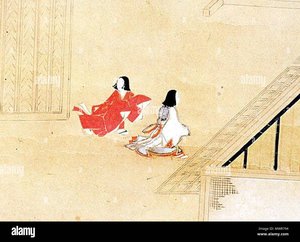
Two Poems from the Collection of Poems Ancient and Modern, Continued (Zoku Kokin wakashū)
 1201
1201 24.0 x 14.0 cm
 Читать далее
Приобретите цифровое изображение высокого разрешения в улучшенном качестве, которое значительно превосходит онлайн-превью.
Каждый файл тщательно подготавливается нашими специалистами с использованием передовых инструментов и экспертной ручной ретуши. Мы гарантируем исключительную четкость, точную цветопередачу и детальную проработку каждого изображения.
Финальный файл доставляется по электронной почте в течение 72 часов и оптимизирован для немедленного использования в профессиональной среде, при верстке и печати. Это тот же уровень качества, которому доверяют ведущие дизайнерские студии, издательства и галереи.
Цифровое изображение
Скачайте файл высокого разрешения для личного использования, печати и творческих проектов. ( Перейти к печати Купить картину ручной работы)
Включено в каждый заказ цифровых изображений
Гарантия экспертной цифровой доставки
Выбирая ArtsDot.com, вы получаете не просто изображение — вы приобретаете профессионально обработанное цифровое произведение искусства, созданное с безупречной точностью и под защитой гарантии качества. Вот всё, что автоматически входит в ваш заказ:

Мгновенная доставка по e-mail
Ваш цифровой файл в высоком разрешении будет отправлен вам по электронной почте в течение 72 часов после оформления заказа — и сразу станет доступен для использования.

Цифровой файл с ИИ-улучшением
Ваше произведение искусства проходит профессиональную оптимизацию с использованием передовых инструментов ИИ и ручной обработки, что гарантирует максимальную детализацию, четкость и точность цветопередачи.

Бессрочная бесплатная повторная доставка
Случайно удалили или потеряли файл? Не беспокойтесь — мы отправим его вам повторно в любое время и совершенно бесплатно.

Без импортных пошлин — навсегда
Наслаждайтесь вашим произведением искусства мгновенно без таможенных пошлин, сборов или затрат на доставку — цифровые загрузки всегда не облагаются налогом.

Гарантия точности цветопередачи
Мы гарантируем, что ваше цифровое изображение максимально точно передает оригинальные цвета благодаря использованию профессиональных инструментов и систем управления цветом.

Гарантия удовлетворенности 100 дней
Если вы не будете удовлетворены своим цифровым изображением, мы внесем правки или вернем 100% стоимости в течение 100 дней — без лишних вопросов.

100% Гарантия возврата средств
Не удовлетворены покупкой? Получите полный возврат средств в течение 100 дней после получения цифрового файла — без лишних вопросов.

Скидки на оптовые заказы
Купите 3 изображения, сэкономьте 10% — Купите 5, сэкономьте 15% — Купите 10+, сэкономьте 20%. Отличное решение для творческих проектов, галерей и агентств.
Похожие произведения

Биография художника
A Life Woven in Poetry: The World of Abutsu-ni
Abutsu-ni, born Ankamon’in no Shijo around 1222 in Kyoto, Japan, was a figure whose life unfolded against the backdrop of a shifting political and cultural landscape. The Kamakura period was dawning, a time marked by the rise of warrior clans and a subtle but profound reorientation of power away from the imperial court. Though born into an aristocratic family with strong ties to the court—her mother served Princess Kuni-naishinnō, later Empress Ankamon-in—Abutsu-ni’s story is not one of grand political maneuvering, but rather of deeply personal expression and a tenacious dedication to preserving poetic tradition. Her name itself reflects this journey; “Abutsu-ni” signifies her status as a Buddhist nun, a path she embraced after the death of her husband, Fujiwara no Tameie.
Her early life was steeped in the refined arts of the Heian court. She received an education befitting her station, cultivating skills in poetry and calligraphy—disciplines considered essential for a woman of noble birth. Around 1250, she married Fujiwara no Tameie, a poet from a prominent literary clan. This union was not merely a social arrangement; it was a meeting of minds, a partnership forged through shared passion for waka poetry. Together they formed a vibrant intellectual and artistic household, raising two children while continuing to contribute to the rich tapestry of Japanese verse.
The Izayoi Nikki and a Legacy in Dispute
Abutsu-ni’s most celebrated work is undoubtedly the Izayoi Nikki (Diary of the Waning Moon). Written during her arduous journey from Kyoto to Kamakura in either 1277 or 1279, it transcends a simple travelogue. It's a poignant and deeply moving account of a woman navigating both physical hardship and emotional turmoil. The diary details her legal battle to secure the poetic inheritance of her late husband, Fujiwara no Tameie, against his sons from a previous marriage. This dispute became legendary—the longest literary quarrel in Japanese history—and the Izayoi Nikki offers an intimate glimpse into the complexities of family relationships, societal expectations, and the fierce protectiveness Abutsu-ni felt towards her husband’s artistic legacy.
The diary is remarkable for its delicate blend of poetry and prose. Abutsu-ni masterfully weaves waka verses into her narrative, using them not merely as ornamentation but as a means to express her innermost feelings—her grief, her determination, her loneliness, and her unwavering devotion to her children. The poems are often imbued with subtle allusions to classical literature, demonstrating her profound knowledge of poetic tradition. The journey itself becomes a metaphor for the challenges she faced, each step fraught with uncertainty yet undertaken with quiet dignity.
Artistic Style and Influences
Abutsu-ni’s poetry is characterized by its simplicity, elegance, and deeply spiritual quality. While rooted in the classical tradition of waka, her work possesses a unique voice—one that reflects her personal experiences and emotional depth. She often depicted scenes from nature, employing imagery evocative of the nanga school of Japanese painting (also known as bunjinga). This style, influenced by monochrome-ink landscape paintings of Chinese literati artists, emphasized subtlety, restraint, and a profound connection to the natural world.
Her work shares affinities with that of other prominent poets of her time, such as Yosa Buson, known for his haiku capturing fleeting moments of beauty in nature. However, Abutsu-ni’s poetry distinguishes itself through its intensely personal focus and the emotional weight it carries. She wasn't simply describing nature; she was using it to explore her inner landscape—her grief, her hopes, and her unwavering commitment to preserving her husband’s artistic heritage.
A Lasting Impression on Japanese Aesthetics
Abutsu-ni’s legacy extends far beyond the Izayoi Nikki. Her other works, including essays and poetic critiques, demonstrate her profound understanding of waka poetry and its aesthetic principles. She played a crucial role in preserving and transmitting classical literary traditions during a period of significant social change. Her dedication to safeguarding her husband’s work—and the fierce legal battle she waged to achieve this goal—established her as a formidable figure in Japanese literary history.
Today, Abutsu-ni is celebrated not only for her poetic talent but also for her resilience and unwavering spirit. Her account of her journey from Kyoto to Kamakura remains a powerful testament to the strength and dignity of women in medieval Japan. Her work continues to inspire readers with its beauty, emotional depth, and profound insights into the human condition—a lasting legacy woven in poetry and etched in the annals of Japanese art and literature.
fujiwara no tameie's wife
1283 , Japan
Основные сведения
- Artistic Movement Or Style: Nanga/Bunjinga (Monochrome)
- Artists Or Movements Influenced By This Artist: ['yosa buson']
- Artists Who Influenced This Artist: ['Fujiwara no Teika']
- Date Of Birth: c. 1222
- Date Of Death: 1283
- Full Name: Fujiwara no Teika's wife
- Nationality: Japanese
- Notable Artworks: ['Izayoi Nikki']
- Place Of Birth: Kyoto, Japan