

 Предпросмотр
 Поделиться
 Поделиться
 Детали произведения

 Скачать
 Похожие работы
 Рентгенография
 Слайд-шоу
 Статистика
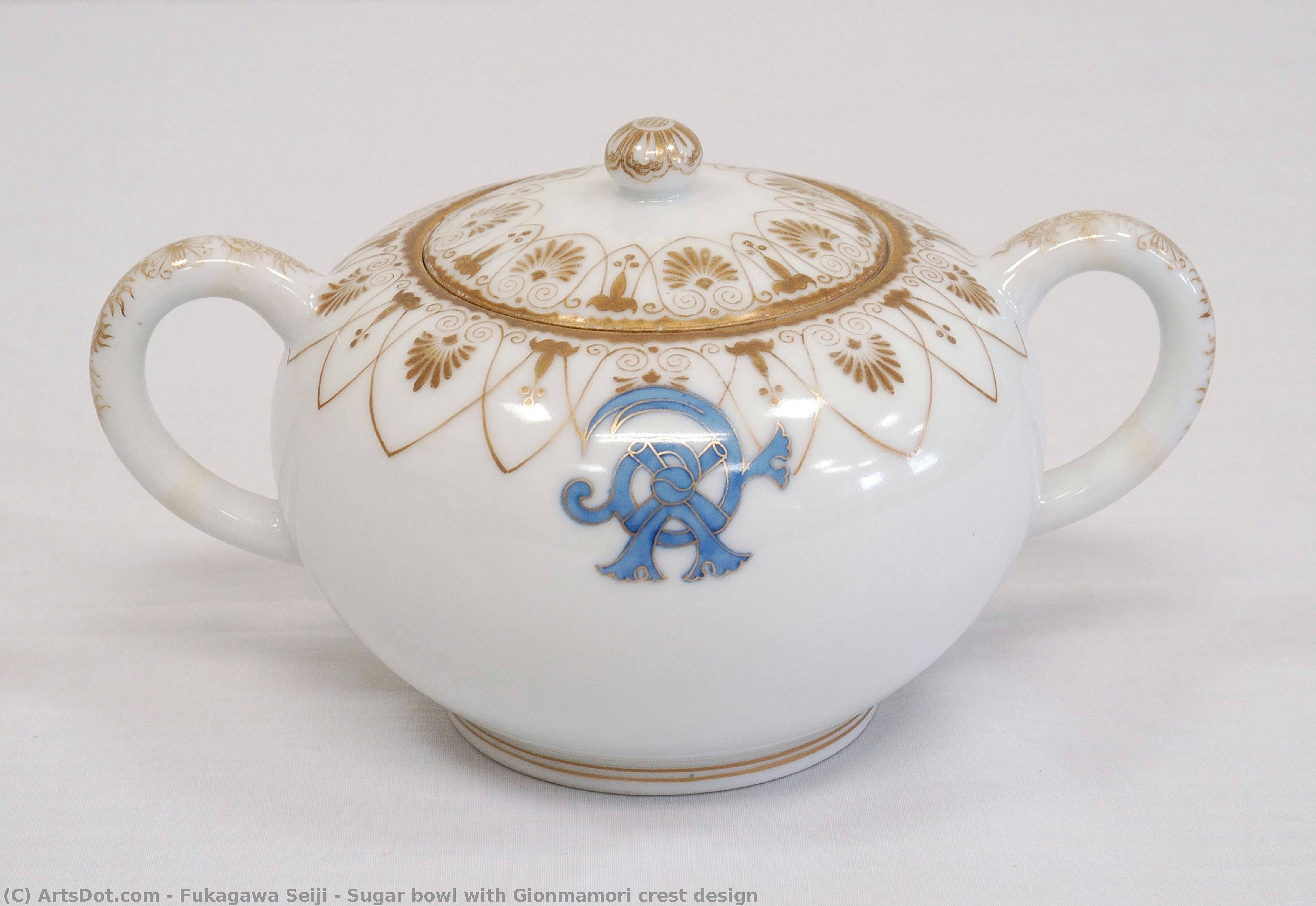
Sugar bowl with Gionmamori crest design


 Читать далее
Приобретите цифровое изображение высокого разрешения в улучшенном качестве, которое значительно превосходит онлайн-превью.
Каждый файл тщательно подготавливается нашими специалистами с использованием передовых инструментов и экспертной ручной ретуши. Мы гарантируем исключительную четкость, точную цветопередачу и детальную проработку каждого изображения.
Финальный файл доставляется по электронной почте в течение 72 часов и оптимизирован для немедленного использования в профессиональной среде, при верстке и печати. Это тот же уровень качества, которому доверяют ведущие дизайнерские студии, издательства и галереи.
Цифровое изображение
Скачайте файл высокого разрешения для личного использования, печати и творческих проектов. ( Перейти к печати Купить картину ручной работы)
Включено в каждый заказ цифровых изображений
Гарантия экспертной цифровой доставки
Выбирая ArtsDot.com, вы получаете не просто изображение — вы приобретаете профессионально обработанное цифровое произведение искусства, созданное с безупречной точностью и под защитой гарантии качества. Вот всё, что автоматически входит в ваш заказ:

Мгновенная доставка по e-mail
Ваш цифровой файл в высоком разрешении будет отправлен вам по электронной почте в течение 72 часов после оформления заказа — и сразу станет доступен для использования.

Цифровой файл с ИИ-улучшением
Ваше произведение искусства проходит профессиональную оптимизацию с использованием передовых инструментов ИИ и ручной обработки, что гарантирует максимальную детализацию, четкость и точность цветопередачи.

Бессрочная бесплатная повторная доставка
Случайно удалили или потеряли файл? Не беспокойтесь — мы отправим его вам повторно в любое время и совершенно бесплатно.

Без импортных пошлин — навсегда
Наслаждайтесь вашим произведением искусства мгновенно без таможенных пошлин, сборов или затрат на доставку — цифровые загрузки всегда не облагаются налогом.

Гарантия точности цветопередачи
Мы гарантируем, что ваше цифровое изображение максимально точно передает оригинальные цвета благодаря использованию профессиональных инструментов и систем управления цветом.

Гарантия удовлетворенности 100 дней
Если вы не будете удовлетворены своим цифровым изображением, мы внесем правки или вернем 100% стоимости в течение 100 дней — без лишних вопросов.

100% Гарантия возврата средств
Не удовлетворены покупкой? Получите полный возврат средств в течение 100 дней после получения цифрового файла — без лишних вопросов.

Скидки на оптовые заказы
Купите 3 изображения, сэкономьте 10% — Купите 5, сэкономьте 15% — Купите 10+, сэкономьте 20%. Отличное решение для творческих проектов, галерей и агентств.
Похожие произведения




Биография художника
The Pioneering Spirit of Fukagawa Seiji: A Revolution in Japanese Porcelain
Born in 1894 in the heart of Arita, Japan—the very cradle of Japanese porcelain—Fukagawa Seiji emerged as a transformative figure in the world of ceramics. While his life was tragically cut short in 1934, his impact reverberates through the history of Japanese art, particularly within the esteemed tradition of Arita ware. Fukagawa wasn’t merely a potter; he was an innovator who dared to break from established norms, infusing traditional techniques with a distinctly modern sensibility and captivating both domestic and international audiences. His story is one of ambition, artistic vision, and a relentless pursuit of perfection that ultimately redefined the aesthetic landscape of Japanese porcelain production.From Tradition to Transformation: Founding Fukagawa Seiji Company
The Fukagawa family had been involved in kiln operations in Arita for generations, steeped in the centuries-old legacy of ceramic artistry. However, it was Chuji Fukagawa who truly propelled the family name into prominence. In 1894, he founded the Fukagawa Seiji company, a venture born from a desire to elevate Japanese porcelain to new heights. This wasn’t simply about continuing a familial trade; Chuji had embarked on several journeys to Europe prior to establishing his firm, meticulously observing the manufacturing processes of renowned European porcelain houses like Meissen in Germany. He recognized the potential for blending Arita's time-honored skills with cutting-edge European technologies and design principles. This fusion became the cornerstone of Fukagawa Seiji’s unique artistic identity. He sought to create a porcelain that was not only technically superior but also embodied the spirit and aesthetic sensibilities of Japan, moving beyond the established styles of Ko-Imari, Kakiemon, and Iro-Nabeshima.Captivating the World: International Recognition and Artistic Innovation
Fukagawa Seiji’s ambition quickly bore fruit. In 1900, he presented a magnificent vase at the Paris International Exposition—a testament to his exceptional decorative techniques and artistic prowess. The piece was awarded the coveted Gold Medal, instantly catapulting Fukagawa Seiji onto the global stage. This recognition wasn't merely a symbolic victory; it opened doors to international markets and established Fukagawa porcelain as a highly sought-after commodity. The company subsequently garnered accolades at various world expositions, solidifying its reputation for quality and innovation. International offices were established through Watt Trading House in key European cities—London, Paris, Hamburg, Milan, and Brussels—facilitating the widespread distribution of Japanese ceramic art across the continent and beyond. Central to this success was the development of what became known as “Fukagawa Blue”—a remarkably pure cobalt blue decoration achieved through a meticulous process involving transparent white porcelain fired at extremely high temperatures (1350°C). The *Dami* technique, employing subtle gradations of color with a single brushstroke, resulted in an ethereal and captivating hue that quickly became synonymous with the Fukagawa name.A Legacy Endures: Imperial Patronage and Continued Excellence
The recognition extended beyond commercial success; in 1910, Fukagawa Seiji was honored with the prestigious appointment as an official purveyor of porcelain to the Japanese Imperial Household—a distinction akin to a Royal Warrant. This solidified the company’s position at the pinnacle of Japanese ceramic artistry. Although Fukagawa Seiji's life ended prematurely in 1934, his vision continued through subsequent generations. Today, the Fukagawa Seiji company remains operational, now under the leadership of its fourth and fifth-generation descendants of Chuji Fukagawa. They continue to uphold the traditions established by their ancestor—a commitment to exceptional craftsmanship, innovative design, and a deep respect for the rich heritage of Arita ware. The legacy of Fukagawa Seiji is not simply preserved in museum collections or historical accounts; it lives on in every piece crafted by the company, a testament to the enduring power of artistic vision and unwavering dedication to excellence.The Enduring Symbolism & Techniques
Fukagawa Seiji’s work wasn't merely about aesthetic beauty; it was imbued with symbolism and technical mastery. The Mount Fuji motif, frequently incorporated into his designs, represented longevity and good fortune—a powerful emblem of Japanese culture. His pieces often featured intricate gold *Yoraku* patterns, signifying imperial lineage and prestige. The meticulous attention to detail, the flawless execution of complex designs, and the innovative use of color set Fukagawa porcelain apart from its contemporaries. He wasn’t afraid to experiment with new forms and techniques, pushing the boundaries of traditional Arita ware while simultaneously honoring its rich history. His influence can be seen in the continued emphasis on high-temperature firing, transparent glazes, and delicate blue decoration that characterizes Fukagawa porcelain today. The company's commitment to serving the Imperial Household further underscores the significance of his work—a symbol of national pride and artistic achievement.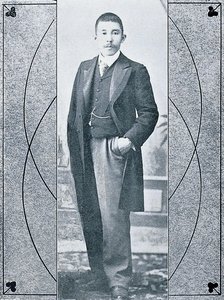
fukagawa seiji
1894 - 1934 , Japan
Основные сведения
- Artistic Movement Or Style: Arita ware ceramics
- Date Of Birth: 1894
- Date Of Death: 1934
- Full Name: Fukagawa Seiji
- Nationality: Japanese
- Notable Artworks: ['Teapot with Gionmamori crest design']
- Place Of Birth: Arita, Japan