

 Предпросмотр
 Поделиться
 Поделиться
 Детали произведения

 Скачать
 Похожие работы
 Рентгенография
 Слайд-шоу
 Статистика
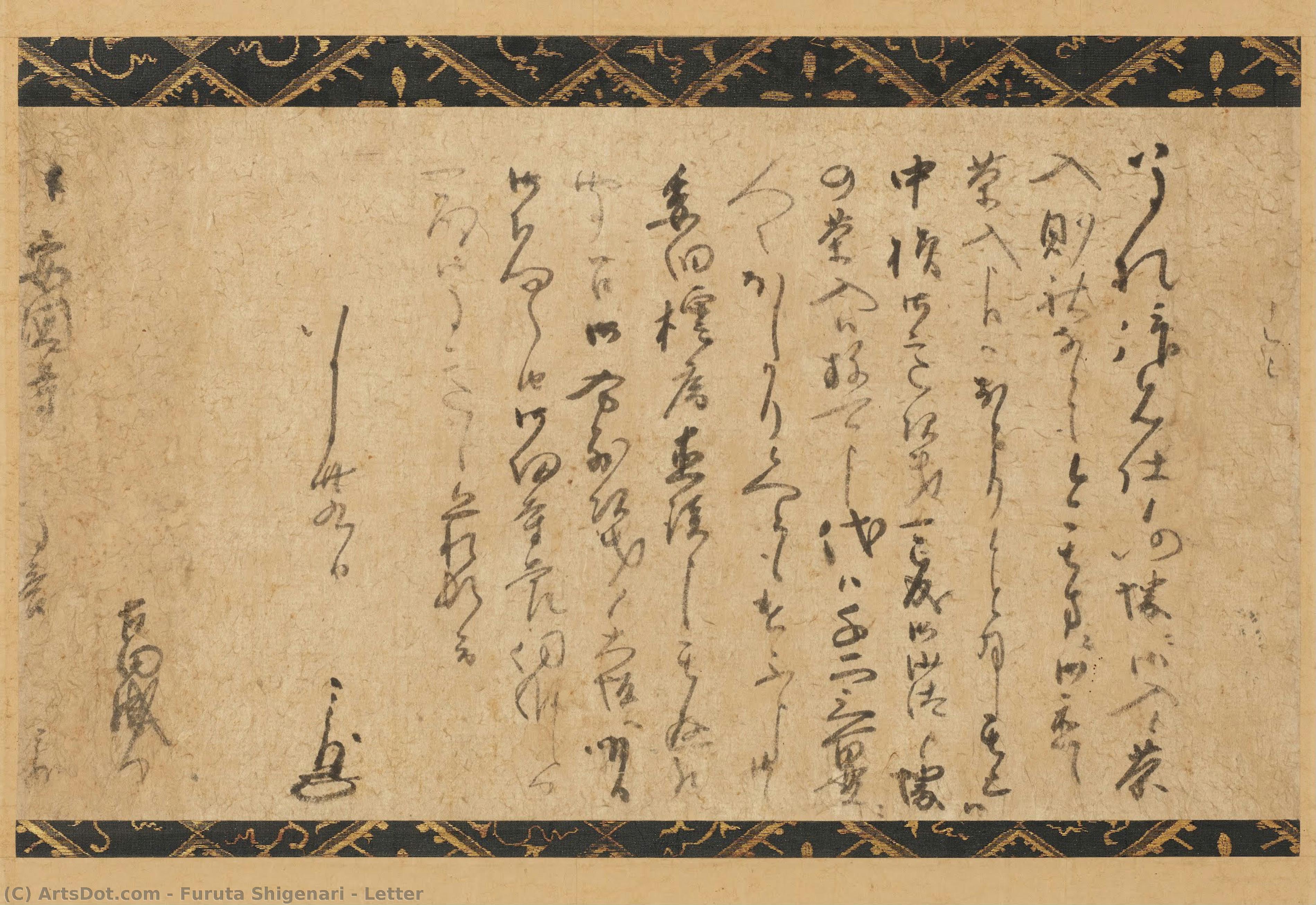
Letter

 Читать далее
Масляная репродукция ручной работы
Картина маслом на холсте в выбранном вами размере и раме, написанная на заказ нашими художниками. ( Перейти к печати Перейти к цифровым изображениям)




































Выберите один из наших стандартных размеров, соответствующих оригинальным пропорциям произведения искусства.

Вы можете указать собственные размеры, чтобы картина идеально вписалась в выбранную раму или пространство. Если выбранный вами размер не соответствует пропорциям оригинала, мы либо обрежем полотно, либо расширим его за счет дополнительных элементов, написанных вручную. Цифровой макет будет отправлен вам на утверждение перед началом производства.
Обратите внимание, что предварительный просмотр на экране не отражает фактическую обрезку или расширение. Только макет точно покажет окончательную композицию.
Хотя доступны индивидуальные размеры, мы рекомендуем выбирать вариант из предопределенного списка, чтобы сохранить исходные пропорции.
После оформления заказа команда ArtsDot.com свяжется с клиентом по электронной почте для уточнения деталей и предоставит предварительный макет
Доставка по всему миру () за 3–4 недели вместо стандартных 5 недель. (10 Сентябрь). Без компромиссов в качестве.

Бесплатная экспресс-доставка по всему миру

Высококачественный льняной холст

Полное страхование доставки

Гарантия возмещения таможенных пошлин

Гарантия точного соответствия цветов

100-дневная политика возврата (только при обнаружении дефектов)

Гарантия возврата 100% средств

Предложение оптовых скидок
 Вариант со стеклом доступен только для размеров менее 110 см

Letter
Техника репродукции
Размер репродукции
-


Итоговая стоимость
$ 263
Похожие произведения



Биография художника
Furuta Shigenari: The Samurai Poet of Tea
Furuta Shigenari (古田 重然; 1544 – 6 July 1615), whose birth name was Furuta Shigenari, stands as a singular figure in the annals of Japanese art and culture—a warrior steeped in aesthetic refinement who irrevocably shaped the trajectory of the tea ceremony and elevated Oribe ware to unparalleled heights. Born into Mino Province (now Gifu Prefecture), he ascended from humble origins to become one of the most influential samurai of his era, simultaneously mastering the profound discipline of *wabi-cha* and forging a distinctive artistic vision that continues to inspire admiration centuries later.- Early Life & Military Service: Shigenari’s father, Furuta Shigesada, was a respected military commander who instilled in his son a dedication to martial prowess alongside an appreciation for scholarly pursuits. Serving Oda Nobunaga during the tumultuous Sengoku period marked the beginning of his illustrious career, propelling him through successive ranks and establishing him as a formidable warrior known for his strategic acumen.
- The Tea Ceremony: Unlike many samurai contemporaries who prioritized warfare above all else, Shigenari possessed an innate fascination with *wabi-cha*, the austere beauty of tea ceremony practiced by Sen no Rikyū. He became Rikyū’s foremost disciple after his teacher's death, inheriting not only Rikyū’s philosophical principles but also his revolutionary approach to artistic expression—a rejection of opulent decoration in favor of understated elegance and a celebration of natural imperfection.
The Oribe School & Artistic Innovation
Shigenari established the Oribe school of tea ceremony, distinguishing it from other schools by its emphasis on bold asymmetry and unconventional forms. This stylistic ethos mirrored his artistic sensibilities, which found their fullest manifestation in Oribe ware—a ceramic style characterized by irregular shapes, subtle tonal variations achieved through meticulous glazing techniques, and a deliberate embrace of flaws as marks of authenticity and beauty. He famously declared that “beauty lies in imperfection,” encapsulating the core tenets of his aesthetic philosophy.- Influence on Ceramics: Shigenari’s influence extended far beyond the tea room; he profoundly impacted ceramic production, advocating for techniques that prioritized spontaneity and naturalness. The resulting Oribe ware—often featuring asymmetrical bowls adorned with delicate floral motifs—became synonymous with understated elegance and a rejection of conventional artistic standards.
- Architecture & Landscape Design: Shigenari’s artistic vision permeated other disciplines as well, notably architecture and landscape design. He oversaw the construction of Nagoya Castle, incorporating elements of Zen garden aesthetics into its design—a testament to his belief that art should harmonize with nature and evoke contemplation.
Service Under Hideyoshi & Legacy
Shigenari’s unwavering loyalty to Toyotomi Hideyoshi solidified his position as a pivotal figure in Japanese history. He served faithfully during Hideyoshi's reign, participating in key military campaigns and demonstrating exceptional leadership qualities. However, Shigenari’s involvement in a conspiracy against Hideyoshi ultimately led to his downfall—he was ordered to commit seppuku (ritual suicide) in 1615, marking the tragic end of a remarkable life.- A Symbol of Artistic Integrity: Despite his untimely demise, Shigenari’s legacy endured as an emblem of artistic integrity—a warrior who dared to pursue beauty and refinement alongside martial prowess. His unwavering commitment to *wabi-cha* and Oribe ware continues to inspire artists and collectors worldwide.
- Enduring Influence: Today, Oribe ware remains a celebrated exemplar of Japanese ceramics, embodying Shigenari’s revolutionary aesthetic principles. Furthermore, his influence extends beyond the visual arts, informing broader understandings of Japanese culture—a testament to the enduring power of an artist who transcended conventional boundaries and achieved unparalleled renown.
Concluding Thoughts
Furuta Shigenari’s life represents a captivating intersection of warrior spirit and artistic sensibility. He stands as a beacon of innovation, demonstrating that true greatness lies not merely in military might but also in the pursuit of beauty—a lesson that resonates powerfully across centuries and continues to illuminate the rich tapestry of Japanese art history.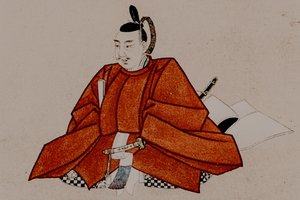
furuta shigenari
1544 - 1615 , Japan
Основные сведения
- Artistic Movement Or Style: Oribe School
- Artists Or Movements Influenced By This Artist: ['Raku ware ceramics']
- Artists Who Influenced This Artist: ['Sen no Rikyū']
- Date Of Birth: 1544
- Full Name: Furuta Shigenari
- Nationality: Japanese
- Notable Artworks: ['Letter']
- Place Of Birth: Mino Province, Japan