

 Предпросмотр
 Поделиться
 Поделиться
 Детали произведения

 Скачать
 Похожие работы
 Рентгенография
 Слайд-шоу
 Статистика
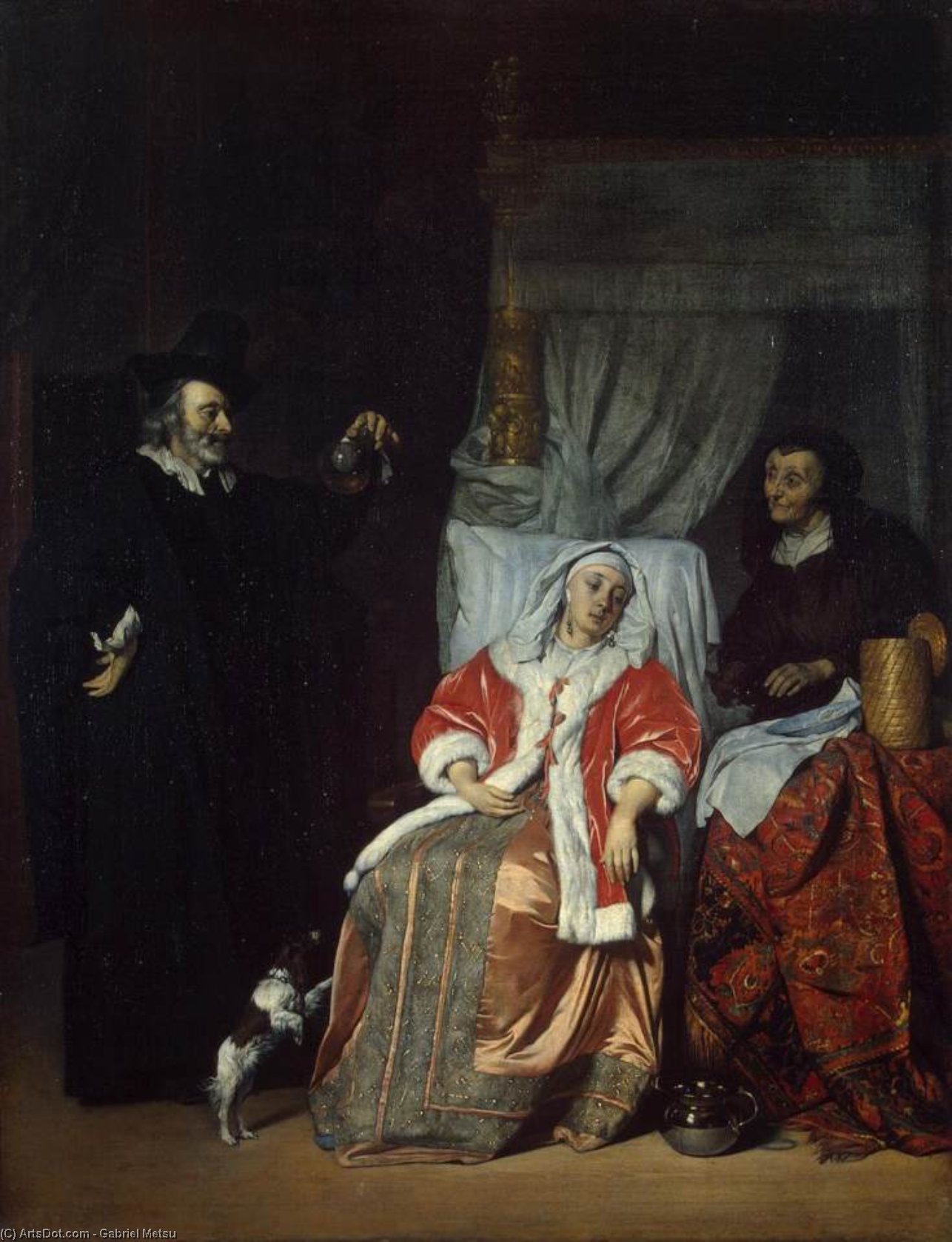
Visit of the Physician
 Oil On Canvas
- WallArt
- Dutch Baroque
 1660
1660- Early Modern
 61.0 x 48.0 cm
 Эрмитаж
 Читать далее
Приобретите цифровое изображение высокого разрешения в улучшенном качестве, которое значительно превосходит онлайн-превью.
Каждый файл тщательно подготавливается нашими специалистами с использованием передовых инструментов и экспертной ручной ретуши. Мы гарантируем исключительную четкость, точную цветопередачу и детальную проработку каждого изображения.
Финальный файл доставляется по электронной почте в течение 72 часов и оптимизирован для немедленного использования в профессиональной среде, при верстке и печати. Это тот же уровень качества, которому доверяют ведущие дизайнерские студии, издательства и галереи.
Цифровое изображение
Скачайте файл высокого разрешения для личного использования, печати и творческих проектов. ( Перейти к печати Купить картину ручной работы)
Включено в каждый заказ цифровых изображений
Гарантия экспертной цифровой доставки
Выбирая ArtsDot.com, вы получаете не просто изображение — вы приобретаете профессионально обработанное цифровое произведение искусства, созданное с безупречной точностью и под защитой гарантии качества. Вот всё, что автоматически входит в ваш заказ:

Мгновенная доставка по e-mail
Ваш цифровой файл в высоком разрешении будет отправлен вам по электронной почте в течение 72 часов после оформления заказа — и сразу станет доступен для использования.

Цифровой файл с ИИ-улучшением
Ваше произведение искусства проходит профессиональную оптимизацию с использованием передовых инструментов ИИ и ручной обработки, что гарантирует максимальную детализацию, четкость и точность цветопередачи.

Бессрочная бесплатная повторная доставка
Случайно удалили или потеряли файл? Не беспокойтесь — мы отправим его вам повторно в любое время и совершенно бесплатно.

Без импортных пошлин — навсегда
Наслаждайтесь вашим произведением искусства мгновенно без таможенных пошлин, сборов или затрат на доставку — цифровые загрузки всегда не облагаются налогом.

Гарантия точности цветопередачи
Мы гарантируем, что ваше цифровое изображение максимально точно передает оригинальные цвета благодаря использованию профессиональных инструментов и систем управления цветом.

Гарантия удовлетворенности 100 дней
Если вы не будете удовлетворены своим цифровым изображением, мы внесем правки или вернем 100% стоимости в течение 100 дней — без лишних вопросов.

100% Гарантия возврата средств
Не удовлетворены покупкой? Получите полный возврат средств в течение 100 дней после получения цифрового файла — без лишних вопросов.

Скидки на оптовые заказы
Купите 3 изображения, сэкономьте 10% — Купите 5, сэкономьте 15% — Купите 10+, сэкономьте 20%. Отличное решение для творческих проектов, галерей и агентств.
A Moment Frozen in Time: Gabriel Metsu’s “Visit of the Physician”
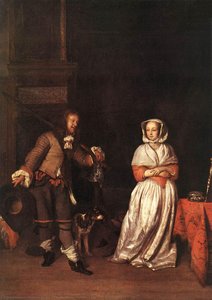
Gabriel Metsu's "Visit of the Physician," completed around 1660, stands as a quintessential example of Dutch Golden Age genre painting—a captivating snapshot of domestic life imbued with subtle symbolism and masterful artistic execution. This serene tableau depicts three figures within a richly furnished room: a woman receiving an examination from two doctors, accompanied by a loyal canine companion.
- Subject Matter & Context: The scene draws upon prevalent themes in Dutch art of the period—the depiction of illness and healing, often interpreted as representing broader anxieties about mortality and spiritual well-being. Metsu skillfully captures a commonplace occurrence – the consultation between physician and patient – elevating it to an artistic statement reflecting societal values concerning health and care.
- Style & Technique: Metsu’s distinctive style aligns with the burgeoning realism championed by Rembrandt and Vermeer, yet diverges in its meticulous attention to detail. He employs chiaroscuro—the dramatic interplay of light and shadow—to sculpt the figures and create a palpable sense of atmosphere. The artist's masterful brushwork contributes to an illusionistic depth that draws viewers into the scene.
- Symbolism & Composition: Beyond its immediate narrative, “Visit of the Physician” resonates with deeper symbolic meanings. The dog symbolizes fidelity and companionship—a comforting presence amidst vulnerability. The bowl suggests provision and care, reinforcing the overarching theme of compassion. Furthermore, Metsu’s compositional choices – centering the figures and utilizing a balanced arrangement – convey stability and tranquility.
- Emotional Impact: The painting evokes feelings of intimacy and quiet contemplation. Metsu's portrayal captures not just physical appearance but also psychological nuance—the woman’s gaze conveys concern and receptiveness, while the doctors exhibit professionalism and empathy. This understated emotional resonance distinguishes Metsu’s work from more overtly dramatic compositions.
Exploring Metsu’s Artistic Legacy
Gabriel Metsu (1629-1667) remains an enigmatic figure within the Dutch artistic canon, despite producing only around 14 paintings during his lifetime. His eclectic approach—embracing history painting alongside genre scenes and portraits—demonstrates a remarkable versatility that cemented his reputation as “a highly eclectic artist.” Influenced by Rembrandt’s dramatic lighting and Vermeer’s luminous interiors, Metsu nevertheless forged his own path, prioritizing psychological realism and capturing the subtleties of everyday life.
Notable Works & Recognition
Metsu's oeuvre includes celebrated paintings such as “The Astronomer,” “Still Life with Fruit and Flowers,” and “Portrait of Maria van Gouda,” each showcasing his unparalleled skill in rendering textures, colors, and light. His works are held in prestigious collections worldwide, including the Rijksmuseum Amsterdam and the Gemäldegalerie Alte Meister Dresden.
A Reproduction Worth Admiring
A high-quality reproduction of “Visit of the Physician” allows admirers to appreciate Metsu’s artistic brilliance without the expense of acquiring the original. ArtsDot offers exceptional reproductions that faithfully capture the painting's luminous palette and intricate detail, bringing this iconic masterpiece into homes and galleries across the globe.
Похожие произведения

Биография художника
Gabriel Metsu (1629–1667): A Life Illuminated by Light and Symbol
Gabriel Metsu, a Dutch painter born in Leiden around November 27 or mid-December 1629, stands as one of the most intriguing figures of the Dutch Golden Age. His artistic legacy is characterized not by grand narratives but by intimate scenes bathed in luminous light—domestic interiors populated by women engaged in quiet activities and meticulously rendered still lifes brimming with symbolic detail. This biography seeks to illuminate Metsu’s life and explore the distinctive qualities that define his oeuvre, revealing a painter who defied convention while capturing the essence of his era.Early Life and Influences: The Tapestry Weaver's Son
Gabriel Metsu’s father, Jacques Metsu (c. 1588 – March 1629), was a tapestry weaver hailing from Hainault—a lineage that instilled in Gabriel an appreciation for intricate craftsmanship and visual storytelling. Their relocation to Leiden exposed him to the burgeoning artistic milieu of the city, fostering connections with artists practicing diverse mediums. Notably, Jacques Metsu’s own painting inclinations foreshadowed Gabriel's future path, demonstrating a familial tradition dedicated to capturing beauty through pigment and brushstroke. The family’s modest circumstances underscored the importance of education—Gabriel received instruction from his stepfather, a skipper, ensuring he possessed the foundational skills necessary for pursuing artistic endeavors.Artistic Career: An Eclectic Master
Metsu's artistic trajectory defies easy categorization; he eschewed adherence to any singular stylistic movement or technique, earning him the moniker “a highly eclectic artist.” This freedom of expression manifested across a spectrum of genres—history paintings depicting biblical narratives alongside portraits commemorating noble families and genre scenes portraying everyday life with remarkable realism. Remarkably, only 14 of Metsu’s estimated 133 works bear dates, leaving scholars to reconstruct his artistic development through stylistic analysis and comparative studies. His formative years were profoundly shaped by Rembrandt van Rijn's groundbreaking approach to chiaroscuro—the dramatic interplay of light and shadow—which instilled in Metsu a sensitivity for capturing atmospheric depth and conveying emotional nuance. This influence extended beyond mere technique; Rembrandt’s humanist vision resonated with Metsu’s own belief in portraying human experience with compassion and psychological insight.Amsterdam and the Rise of Domestic Genre Painting
Around 1655, Metsu embarked on a transformative journey to Amsterdam—a city pulsating with artistic innovation and commercial ambition. He established residency in an alleyway on Prinsengracht, nestled amidst a vibrant community of artists and craftsmen. This relocation coincided with a significant stylistic shift, mirroring the broader trend toward domestic genre painting that was gaining prominence during this period. Metsu’s training program included collaborations with Michiel van Musscher and Joost van Geel—artists who championed the pursuit of refined artistic sensibilities. His engagement with the Amsterdam art market reflected his astute understanding of prevailing tastes and demonstrated a willingness to adapt to evolving aesthetic standards.Notable Works: Capturing Moments of Quiet Reflection
Metsu’s paintings frequently depicted young women engaged in domestic tasks—scenes imbued with tenderness and understated beauty—drawing inspiration from popular emblems that conveyed moral lessons through visual symbolism. *The Sick Child*, completed circa 1664–66, exemplifies Metsu's masterful manipulation of light to evoke empathy and convey profound emotion—a technique reminiscent of Vermeer’s celebrated compositions. His portrait of the Hinlopen family stands as a testament to his ability to capture familial bonds with exquisite detail and psychological accuracy. Furthermore, *Poultry Seller*, completed around 1657–61, showcases Metsu's meticulous observation of natural light and color—a hallmark of Leiden School painting. These works underscore Metsu’s commitment to portraying human experience with sensitivity and nuance—capturing fleeting moments of domestic tranquility and conveying subtle expressions of emotion.Legacy: An Artist Ahead of His Time
Gabriel Metsu’s artistic legacy extends beyond his individual masterpieces; he profoundly influenced subsequent generations of painters, fostering a tradition of domestic genre painting that continues to inspire artists today. His unwavering dedication to capturing the beauty of everyday life—combined with his masterful command of light and color—solidifies his position as one of the most enduring figures of the Dutch Golden Age. Metsu’s work serves as a poignant reminder that artistic greatness resides not in grand spectacle but in profound observation and empathetic representation—a legacy illuminated by the radiant glow of remembrance.- Museums housing Metsu's paintings include the Rijksmuseum in Amsterdam.
Габриэль Метс
1629 - 1667 , Нидерланды
Основные сведения
- Artistic Movement Or Style: Dutch Golden Age painting
- Artists Or Movements Influenced By This Artist:
- Michiel van Musscher
- Joost van Geel
- Artists Who Influenced This Artist:
- Rembrandt van Rijn
- Johannes Vermeer
- Date Of Birth: 1629
- Date Of Death: 1667
- Full Name: Gabriel Metsu
- Nationality: Dutch
- Notable Artworks:
- The Sick Child
- Poultry Seller
- Portrait of the Hinlopen Family
- Place Of Birth: Leiden, Netherlands