

 Предпросмотр
 Поделиться
 Поделиться
 Детали произведения

 Скачать
 Похожие работы
 Рентгенография
 Слайд-шоу
 Статистика
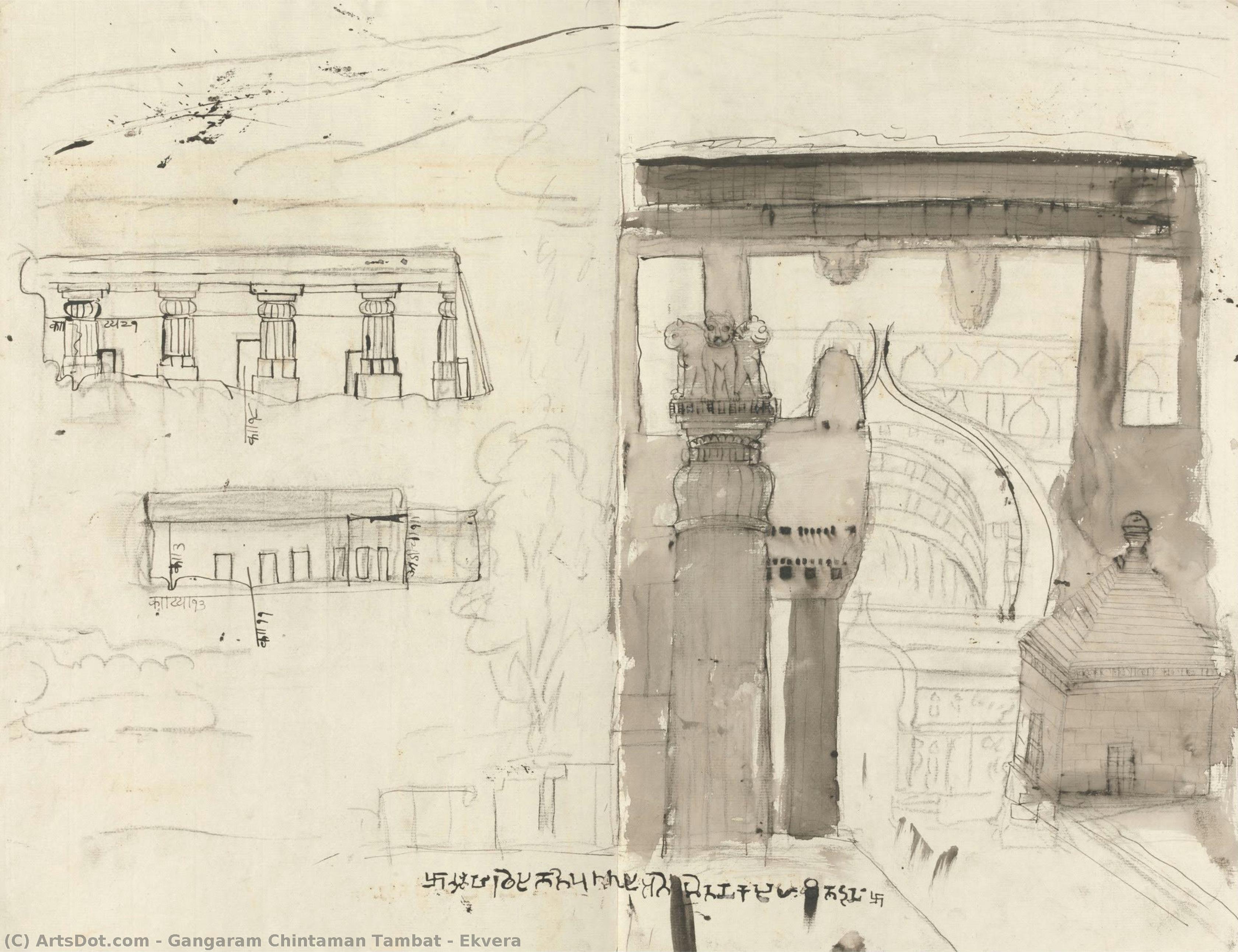
Ekvera
 41.0 x 54.0 cm
 Йельский центр британского искусства
 Читать далее
Приобретите цифровое изображение высокого разрешения в улучшенном качестве, которое значительно превосходит онлайн-превью.
Каждый файл тщательно подготавливается нашими специалистами с использованием передовых инструментов и экспертной ручной ретуши. Мы гарантируем исключительную четкость, точную цветопередачу и детальную проработку каждого изображения.
Финальный файл доставляется по электронной почте в течение 72 часов и оптимизирован для немедленного использования в профессиональной среде, при верстке и печати. Это тот же уровень качества, которому доверяют ведущие дизайнерские студии, издательства и галереи.
Цифровое изображение
Скачайте файл высокого разрешения для личного использования, печати и творческих проектов. ( Перейти к печати Купить картину ручной работы)
Включено в каждый заказ цифровых изображений
Гарантия экспертной цифровой доставки
Выбирая ArtsDot.com, вы получаете не просто изображение — вы приобретаете профессионально обработанное цифровое произведение искусства, созданное с безупречной точностью и под защитой гарантии качества. Вот всё, что автоматически входит в ваш заказ:

Мгновенная доставка по e-mail
Ваш цифровой файл в высоком разрешении будет отправлен вам по электронной почте в течение 72 часов после оформления заказа — и сразу станет доступен для использования.

Цифровой файл с ИИ-улучшением
Ваше произведение искусства проходит профессиональную оптимизацию с использованием передовых инструментов ИИ и ручной обработки, что гарантирует максимальную детализацию, четкость и точность цветопередачи.

Бессрочная бесплатная повторная доставка
Случайно удалили или потеряли файл? Не беспокойтесь — мы отправим его вам повторно в любое время и совершенно бесплатно.

Без импортных пошлин — навсегда
Наслаждайтесь вашим произведением искусства мгновенно без таможенных пошлин, сборов или затрат на доставку — цифровые загрузки всегда не облагаются налогом.

Гарантия точности цветопередачи
Мы гарантируем, что ваше цифровое изображение максимально точно передает оригинальные цвета благодаря использованию профессиональных инструментов и систем управления цветом.

Гарантия удовлетворенности 100 дней
Если вы не будете удовлетворены своим цифровым изображением, мы внесем правки или вернем 100% стоимости в течение 100 дней — без лишних вопросов.

100% Гарантия возврата средств
Не удовлетворены покупкой? Получите полный возврат средств в течение 100 дней после получения цифрового файла — без лишних вопросов.

Скидки на оптовые заказы
Купите 3 изображения, сэкономьте 10% — Купите 5, сэкономьте 15% — Купите 10+, сэкономьте 20%. Отличное решение для творческих проектов, галерей и агентств.
Похожие произведения









Биография художника
The Enigmatic Brush of Gangaram Tambat: Chronicler of a Changing India
Gangaram Chintaman Tambat remains a somewhat elusive figure in the annals of Indian art history, yet his contributions are profoundly significant. Active primarily during the 1790s, Tambat wasn’t a painter working within established courtly traditions seeking patronage for grand religious or mythological narratives. Instead, he was an integral part of a fascinating cultural exchange—a pivotal assistant to Scottish artist James Wales and, crucially, a documentarian of a Western India poised on the cusp of immense change under the growing influence of the East India Company. His work offers a rare and intimate glimpse into the lives, landscapes, and customs of the Peshwa court and surrounding regions at a time when traditional power structures were beginning to yield to colonial forces.
A Life Intertwined with James Wales
Born in Pune around 1790, Tambat’s early life remains largely undocumented. What we know is inextricably linked to his association with James Wales, who arrived in Pune in 1790 seeking to establish a painting school and capture the visual essence of India for British audiences. Wales quickly recognized Tambat's talent and employed him as an assistant—a relationship that proved transformative for both artists. While Wales provided the overarching artistic direction and technical expertise, Tambat possessed an invaluable understanding of local culture, customs, and geography. He wasn’t merely executing commissions; he was guiding Wales, interpreting the world around them, and ensuring a degree of authenticity in the depictions. This collaboration wasn't simply one of master and apprentice but rather a partnership born from necessity and mutual respect.
Documenting a Vanishing World
The paintings produced during this period—often watercolors or ink drawings—were commissioned primarily by British officials eager to record their surroundings. These weren’t intended as grand statements of artistic expression, but as meticulous visual records: landscapes, flora and fauna, portraits of local dignitaries, scenes of everyday life, and depictions of the Peshwa court. Tambat's skill lay in his ability to capture these subjects with remarkable detail and sensitivity. His drawings of jeyties wrestling, for example, are not just accurate representations of a popular sport but also convey the energy and physicality of the participants. Similarly, his depictions of local people aren’t stereotypical portrayals; they offer nuanced glimpses into their dress, mannerisms, and social interactions. He was hired to document the environs, including the Peshwa court, landscape, flora-fauna, people and their manners.
Technique and Influences
Tambat's artistic style reflects a fascinating blend of influences. While he undoubtedly absorbed techniques from Wales—a European emphasis on perspective, shading, and anatomical accuracy—he also retained elements of traditional Indian painting styles. His use of delicate lines, vibrant colors (where applicable), and attention to detail echo the conventions of Mughal miniature painting, albeit adapted for a different purpose. He skillfully integrated these diverse influences, creating a unique visual language that was both informed by European artistic principles and deeply rooted in Indian aesthetic traditions. The resulting works are not simply “Indian paintings done in a Western style” but rather a hybrid form—a testament to the cultural exchange taking place at the time.
Historical Significance and Lasting Legacy
The significance of Gangaram Tambat’s work lies not just in its artistic merit, but also in its historical value. His paintings provide invaluable insights into a pivotal moment in Indian history—a period when traditional power structures were being challenged by colonial forces. They offer a rare glimpse into the lives and customs of the Peshwa court and surrounding regions before they were irrevocably altered by British rule. His works are held in various collections, including the Yale Center for British Art, ensuring their preservation for future generations. While Tambat himself remains largely unknown outside scholarly circles, his paintings continue to captivate and inform our understanding of 18th-century India—a testament to the enduring power of art as a historical record and a cultural bridge.
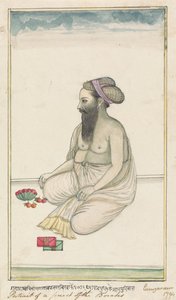
gangaram chintaman tambat
1790 - , India
Основные сведения
- Artistic Movement Or Style: Company Painting
- Artists Who Influenced This Artist: ['James Wales']
- Date Of Birth: 1790
- Full Name: Gangaram Chintaman Tambat
- Nationality: Indian
- Notable Artworks: ['A Rhinoceros in the Peshwa']
- Place Of Birth: Pune, India