

 Предпросмотр
 Поделиться
 Поделиться
 Детали произведения

 Скачать
 Похожие работы
 Рентгенография
 Слайд-шоу
 Статистика
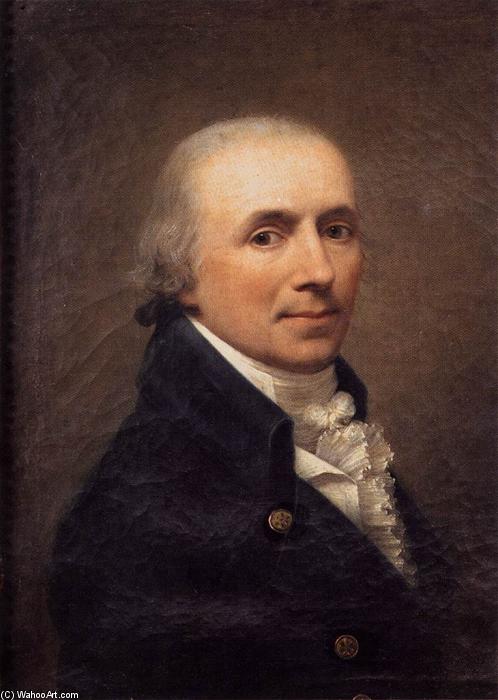
Self-Portrait


 Читать далее
Приобретите цифровое изображение высокого разрешения в улучшенном качестве, которое значительно превосходит онлайн-превью.
Каждый файл тщательно подготавливается нашими специалистами с использованием передовых инструментов и экспертной ручной ретуши. Мы гарантируем исключительную четкость, точную цветопередачу и детальную проработку каждого изображения.
Финальный файл доставляется по электронной почте в течение 72 часов и оптимизирован для немедленного использования в профессиональной среде, при верстке и печати. Это тот же уровень качества, которому доверяют ведущие дизайнерские студии, издательства и галереи.
Цифровое изображение
Скачайте файл высокого разрешения для личного использования, печати и творческих проектов. ( Перейти к печати Купить картину ручной работы)
Включено в каждый заказ цифровых изображений
Гарантия экспертной цифровой доставки
Выбирая ArtsDot.com, вы получаете не просто изображение — вы приобретаете профессионально обработанное цифровое произведение искусства, созданное с безупречной точностью и под защитой гарантии качества. Вот всё, что автоматически входит в ваш заказ:

Мгновенная доставка по e-mail
Ваш цифровой файл в высоком разрешении будет отправлен вам по электронной почте в течение 72 часов после оформления заказа — и сразу станет доступен для использования.

Цифровой файл с ИИ-улучшением
Ваше произведение искусства проходит профессиональную оптимизацию с использованием передовых инструментов ИИ и ручной обработки, что гарантирует максимальную детализацию, четкость и точность цветопередачи.

Бессрочная бесплатная повторная доставка
Случайно удалили или потеряли файл? Не беспокойтесь — мы отправим его вам повторно в любое время и совершенно бесплатно.

Без импортных пошлин — навсегда
Наслаждайтесь вашим произведением искусства мгновенно без таможенных пошлин, сборов или затрат на доставку — цифровые загрузки всегда не облагаются налогом.

Гарантия точности цветопередачи
Мы гарантируем, что ваше цифровое изображение максимально точно передает оригинальные цвета благодаря использованию профессиональных инструментов и систем управления цветом.

Гарантия удовлетворенности 100 дней
Если вы не будете удовлетворены своим цифровым изображением, мы внесем правки или вернем 100% стоимости в течение 100 дней — без лишних вопросов.

100% Гарантия возврата средств
Не удовлетворены покупкой? Получите полный возврат средств в течение 100 дней после получения цифрового файла — без лишних вопросов.

Скидки на оптовые заказы
Купите 3 изображения, сэкономьте 10% — Купите 5, сэкономьте 15% — Купите 10+, сэкономьте 20%. Отличное решение для творческих проектов, галерей и агентств.
A Glimpse into the Soul of Neoclassicism
In the quiet intensity of Gaspare Landi’s Self-Portrait, painted in 1806, we are invited to encounter not just a man, but an era. The canvas serves as a profound window into the early nineteenth century, capturing the essence of the Italian Neoclassical movement through a deeply personal lens. As the viewer approaches this masterful work, they are met with a gaze that is both piercing and contemplative, reflecting the serious demeanor of an artist who navigated the shifting cultural tides of his time. The subject, presented in formal attire of the period, wears a dark, structured coat and a crisp white shirt with a delicate ruffled collar, elements that speak to a refined social standing and the disciplined elegance characteristic of the age.
The composition is a masterclass in balance and focus. By placing the figure centrally against a muted, neutral brown background, Landi eliminates all worldly distractions, forcing an intimate confrontation between the sitter and the observer. This deliberate use of negative space ensures that every nuance of the artist's expression—the subtle tension around the eyes and the composed set of the mouth—becomes the focal point of the narrative. For the collector or interior designer, this piece offers a sophisticated anchor for a room, providing a sense of historical weight and intellectual depth that transcends mere decoration.
Technique, Light, and the Art of Presence
The technical prowess displayed in this self-portrait is nothing short of extraordinary. Landi utilizes a light source emanating from the upper left, a technique reminiscent of the great masters, which casts soft, evocative shadows across the right side of his face. This chiaroscuro effect does more than just create three-dimensional volume; it breathes life into the skin tones and highlights the meticulous rendering of textures. One can almost feel the weight of the heavy fabric in his coat and the lightness of the ruffled linen at his neck.
Every brushstroke serves a purpose in building the illusion of reality. The artist’s attention to detail—from the precise placement of buttons to the careful grooming of his hair—demonstrates the rigorous training he received under masters like Pompeo Battoni. This level of precision makes the portrait an ideal candidate for high-quality reproductions, as the subtle gradations of light and shadow are preserved to inspire awe in any setting. The painting does not merely represent a face; it captures a presence, making it a captivating addition to galleries or private studies where the interplay of light and shadow can be fully appreciated.
A Legacy Captured in Pigment
Beyond its aesthetic beauty, the Self-Portrait carries the historical significance of Gaspare Landi’s illustrious career. As a prominent figure in Rome and a future President of the Accademia San Luca, Landi was a custodian of classical ideals during a period of immense political and social change. This painting, created during the height of his maturity, acts as a visual manifesto of his commitment to clarity, dignity, and the pursuit of perfection. It is a testament to an artist who sought to find permanence in an era of transition.
For those seeking to infuse their living spaces with a sense of timelessness, this artwork offers more than just visual appeal; it offers a connection to the heritage of European art. Whether placed in a contemporary minimalist setting to provide a striking historical contrast or within a traditional library to complement classical motifs, Landi’s self-portrait remains an enduring symbol of the human spirit and the eternal power of the Neoclassical vision.
Похожие произведения

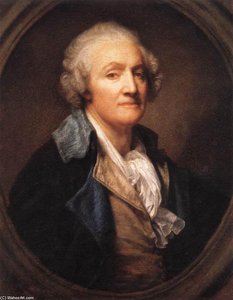
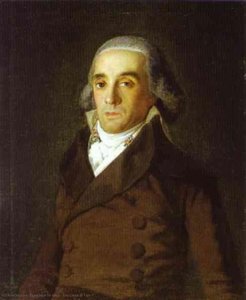

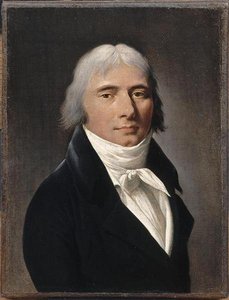
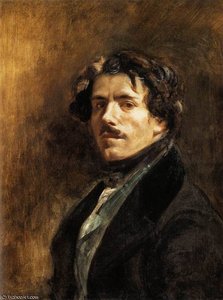
Биография художника
A Life Illuminated by Neoclassical Ideals
Gaspare Landi, born in Piacenza, Italy, on January 6th, 1756, emerged as a significant figure within the Italian Neoclassical movement. His early years hinted at a spirited and joyful disposition, yet beneath this playful exterior lay a burgeoning artistic talent waiting to be nurtured. This potential was recognized by his distant relative and patron, Marquis Giambattista Landi, whose generous financial support in 1781 proved pivotal. It enabled the young artist to journey to Rome – the very heart of Italian art and culture – and embark on formal training that would shape his destiny. This act of patronage wasn’t merely a transaction; it was an investment in a future master, allowing Landi access to the artistic currents and intellectual fervor that defined the era.Roman Apprenticeship and Artistic Flourishing
Upon arriving in Rome at the age of twenty-five, Landi entered the studios of Domenico Corvi and Pompeo Battoni, two prominent artists who would become instrumental in his development. Corvi’s influence likely honed Landi's technical precision, while Battoni instilled a sense of classical composure and refined elegance. These masters weren’t simply instructors; they were conduits to the artistic heritage of antiquity, guiding Landi towards an aesthetic rooted in order, clarity, and idealized form. During this formative period, Landi quickly established himself as a skilled painter specializing in religious scenes, mythological subjects, and portraiture. He wasn't merely replicating styles but synthesizing them into something uniquely his own – a blend of technical mastery and dramatic composition that soon garnered attention within the Roman art scene. His ability to imbue his canvases with emotional intensity, coupled with meticulous anatomical detail, set him apart from his contemporaries.Rivalry, Ambition, and Defining Works
Landi’s artistic journey wasn't without its competitive edge. He found himself in a notable rivalry with Vincenzo Camuccini, another leading Neoclassical painter in Rome. This dynamic, rather than hindering creativity, spurred both artists to push the boundaries of their skill and ambition. The competition manifested most strikingly in Piacenza, where Landi created Lo Spasimo (The Agony), a monumental canvas depicting Christ’s struggle on the road to Calvary. It was deliberately conceived as a direct response to Camuccini's work, a bold statement of artistic prowess intended to surpass his rival. Beyond this defining piece, Landi produced other significant works during this period, including Diomedes and Ulysses bearing off the Palladium (1783) – showcasing his skill in mythological narratives – and The Marriage of Abraham and Sarah, once housed in the Pinacoteca at Parma. His religious iconography also flourished, exemplified by the Madonna addolorata created for the church of Santa Casa at Loreto, a testament to his ability to convey profound spiritual emotion through paint.Academic Recognition and Legacy
Landi’s talent didn't go unnoticed by the artistic establishment. In 1805, he was elected as a member of the prestigious Accademia di San Luca in Rome, a recognition of his contributions to the art world. His ascent within the Academy continued; he became a professor of painting theory in 1812 and ultimately its president in 1817 – positions that underscored his influence and leadership within the Roman artistic community. He received accolades from various rulers, including being made a Chevalier of the Order of the Iron Crown and other prestigious orders, further solidifying his reputation. A brief return to Piacenza around 1820 proved unsatisfying; he found provincial life stifling and soon re-established himself in Rome in 1824. His final work, an Assumption, was placed in the church of San Francesco di Paola in Naples, a fitting culmination to a career dedicated to artistic excellence. Gaspare Landi died on February 28th, 1830, leaving behind a legacy as a refined artist and influential academic leader whose work embodies the ideals of Neoclassicism – order, clarity, and a profound reverence for classical themes. While perhaps not as universally celebrated as some of his contemporaries, Landi’s contributions to Italian art remain significant, particularly in shaping artistic education during his time and demonstrating a masterful command of form and emotion within the constraints of neoclassical style.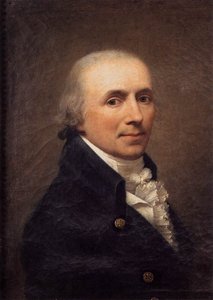
Gaspare Landi
1756 - 1830 , Italy
Основные сведения
- Artistic Movement Or Style: Neoclassicism
- Artists Or Movements Influenced By This Artist: Neoclassical painting
- Artists Who Influenced This Artist:
- Domenico Corvi
- Pompeo Battoni
- Date Of Birth: January 6, 1756
- Date Of Death: February 28, 1830
- Full Name: Gaspare Landi
- Nationality: Italian
- Notable Artworks:
- Lo Spasimo
- Hebe
- Diomedes and Ulysses
- Marriage of Abraham & Sarah
- Place Of Birth: Piacenza, Italy