

 Поделиться
 Поделиться
 Детали произведения

 Скачать
 Похожие работы
 Слайд-шоу
 Статистика
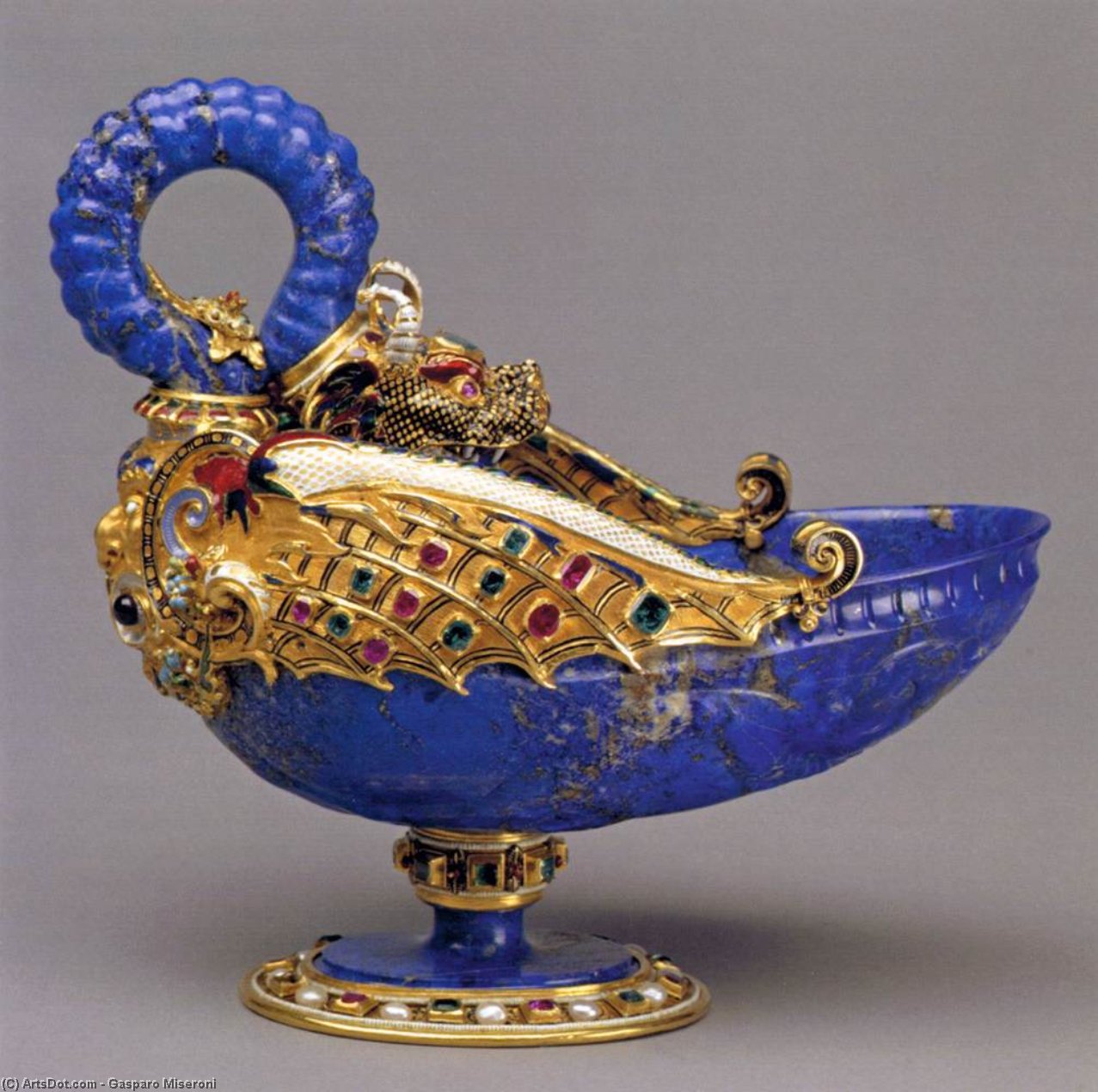
Dragon Bowl
 Ceramics
- Renaissance Fantasy
 1565
1565- Renaissance
 17.0 x 19.0 cm
 Музей истории искусств (Вена)
 Читать далее
Приобретите цифровое изображение высокого разрешения в улучшенном качестве, которое значительно превосходит онлайн-превью.
Каждый файл тщательно подготавливается нашими специалистами с использованием передовых инструментов и экспертной ручной ретуши. Мы гарантируем исключительную четкость, точную цветопередачу и детальную проработку каждого изображения.
Финальный файл доставляется по электронной почте в течение 72 часов и оптимизирован для немедленного использования в профессиональной среде, при верстке и печати. Это тот же уровень качества, которому доверяют ведущие дизайнерские студии, издательства и галереи.
Цифровое изображение
Скачайте файл высокого разрешения для личного использования, печати и творческих проектов. ( Перейти к печати Купить картину ручной работы)
Включено в каждый заказ цифровых изображений
Гарантия экспертной цифровой доставки
Выбирая ArtsDot.com, вы получаете не просто изображение — вы приобретаете профессионально обработанное цифровое произведение искусства, созданное с безупречной точностью и под защитой гарантии качества. Вот всё, что автоматически входит в ваш заказ:

Мгновенная доставка по e-mail
Ваш цифровой файл в высоком разрешении будет отправлен вам по электронной почте в течение 72 часов после оформления заказа — и сразу станет доступен для использования.

Цифровой файл с ИИ-улучшением
Ваше произведение искусства проходит профессиональную оптимизацию с использованием передовых инструментов ИИ и ручной обработки, что гарантирует максимальную детализацию, четкость и точность цветопередачи.

Бессрочная бесплатная повторная доставка
Случайно удалили или потеряли файл? Не беспокойтесь — мы отправим его вам повторно в любое время и совершенно бесплатно.

Без импортных пошлин — навсегда
Наслаждайтесь вашим произведением искусства мгновенно без таможенных пошлин, сборов или затрат на доставку — цифровые загрузки всегда не облагаются налогом.

Гарантия точности цветопередачи
Мы гарантируем, что ваше цифровое изображение максимально точно передает оригинальные цвета благодаря использованию профессиональных инструментов и систем управления цветом.

Гарантия удовлетворенности 100 дней
Если вы не будете удовлетворены своим цифровым изображением, мы внесем правки или вернем 100% стоимости в течение 100 дней — без лишних вопросов.

100% Гарантия возврата средств
Не удовлетворены покупкой? Получите полный возврат средств в течение 100 дней после получения цифрового файла — без лишних вопросов.

Скидки на оптовые заказы
Купите 3 изображения, сэкономьте 10% — Купите 5, сэкономьте 15% — Купите 10+, сэкономьте 20%. Отличное решение для творческих проектов, галерей и агентств.
The Majesty of Myth in Ceramic Form
Behold this exquisite Dragon Bowl, a breathtaking testament to the opulent artistry of the Italian Renaissance. At its heart lies a vision captured in cool blue and burnished gold—a piece that transcends mere utility to become a potent object of contemplation. The subject matter itself is immediately arresting: the serpentine grace of a dragon, rendered with meticulous detail across the curved surface. This creature, an enduring symbol across global cultures, here embodies power, transformation, and the untamed spirit of mythology. To gaze upon it is to be drawn into a narrative whispered from the courts of 16th-century Milan.
A Masterpiece of Renaissance Craftsmanship
This bowl dates to 1565, placing it squarely within the zenith of Gasparo Miseroni’s celebrated career. Miseroni, that Milanese master of fantastical ceramics, possessed a unique genius for merging hard, precious materials with delicate artistry. While his reputation often shines alongside his kin, Gasparo's individual command over lapidary arts and enamel work is undeniable. The technique employed here suggests an unparalleled fusion of ceramic mastery with goldsmithing prowess. One can almost feel the cool weight of the stone or fine porcelain beneath the fingertips, imagining the painstaking hours required to apply the intricate gold trimming that catches the light at every angle.
Symbolism and Material Opulence
The choice of deep cobalt blue paired with lavish gold is never accidental in Renaissance decorative arts. Blue often speaks to divinity, depth, and eternity, while gold universally signifies divine favor, wealth, and enduring glory. The dragon itself carries layers of symbolism; it can represent primal energy, protection, or even the cyclical nature of time. In the context of a wealthy patron's collection, such an object served not only as decoration but as a potent status symbol—a tangible display of erudition, taste, and connection to the grand narratives of classical mythology.
Bringing Myth Home: Decorating with History
For the modern collector or designer, this Dragon Bowl offers more than just aesthetic appeal; it offers a curated piece of history. Its presence on a mantelpiece or within a display cabinet instantly elevates the surrounding space, imbuing it with an air of storied grandeur. Whether you are seeking an accent piece that whispers tales of Renaissance extravagance or a focal point for a classically inspired interior, this reproduction allows you to connect directly with the imaginative spirit of Gasparo Miseroni. It is an object designed not just to be seen, but to be experienced—a miniature world waiting to unfold before your eyes.
Похожие произведения
Биография художника
Gasparo Miseroni: A Milanese Master of Fantastical Ceramics
Gasparo Miseroni (1518-1573) stands as a singular figure in the history of Italian ceramics, a master craftsman whose workshops in Milan produced some of the most opulent and imaginative vessels of the 16th century. While often overshadowed by his more famous cousin, Dionysio Miseroni, Gasparo’s contribution to the artistic landscape was profound, characterized by an extraordinary command of materials – particularly rock crystal, agate, jasper, and chalcedony – combined with a dazzling display of goldsmithing and enamel work. His creations weren't merely decorative; they were miniature worlds brimming with mythological figures, fantastical creatures, and intricate scenes, reflecting the lavish tastes of European courts and wealthy patrons. Born in Milan around 1518, Gasparo’s lineage was steeped in artistic tradition. The Miseroni family had established itself as leading lapidaries and goldsmiths by the 15th century, tracing their roots back to Francesco Miseroni in 1460. This long-standing legacy instilled a deep appreciation for craftsmanship and an understanding of precious materials – qualities that would be passed down through generations. Gasparo’s early training undoubtedly involved learning from his father and uncle, absorbing the family's techniques and developing his own distinctive style. The workshop itself was a hub of activity, employing numerous artisans who contributed to the creation of these elaborate pieces. While precise details about his life remain scarce – he died in Milan in 1573 – contemporary accounts suggest he was a highly respected figure within the artistic community.Technique and Materials: A Symphony of Craftsmanship
Miseroni’s genius lay not just in his imaginative designs but also in his mastery of technique. He worked primarily with rock crystal, a notoriously difficult material to carve due to its inherent brittleness and tendency to fracture. His skill in shaping this delicate stone into intricate forms – shells, dragons, Medusas, and elaborate floral arrangements – was truly remarkable. He employed a subtractive method, carefully removing material to reveal the desired shape, often using diamond-tipped tools. The surfaces were then meticulously polished to a mirror sheen, highlighting the crystal’s natural clarity and brilliance. Beyond rock crystal, Miseroni skillfully utilized other materials like agate, jasper, chalcedony, and lapis lazuli, each contributing unique textures and colors to his designs. These stones were often combined with gold mounts, intricately applied enamel work, and precious gemstones – a testament to the wealth and status of his patrons. The use of enamels, particularly in vibrant blues, greens, and reds, added another layer of richness and visual complexity to his pieces. The integration of these diverse materials demonstrated an exceptional understanding of color theory and design principles, creating works that were both visually stunning and technically impressive.Iconic Designs: Shells, Dragons, and Mythological Narratives
Miseroni’s ceramics are instantly recognizable for their fantastical imagery and opulent decoration. The shell bowl, a recurring motif in his work, is particularly noteworthy. These bowls often depicted winged horses, mythical creatures, or scenes from classical mythology – a deliberate attempt to evoke the grandeur of ancient Greece and Rome. Dragons, another frequent subject, symbolized power and protection, while Medusa’s heads served as potent reminders of the dangers of hubris. These weren't simply decorative objects; they were miniature narratives, carefully crafted to entertain and impress. One particularly striking example is the “Lidded Bowl in Prase” (1565), a testament to his skill with layered materials and intricate detailing. The bowl’s exterior features a vibrant prase agate shell adorned with gold leaf and enamel, while the interior showcases a scene of winged horses galloping across a landscape. Similarly, his dragon-shaped cups and vases are masterpieces of illusionistic carving, creating the impression of three-dimensional forms within the confines of the stone. These pieces demonstrate not only technical virtuosity but also a deep understanding of perspective and spatial relationships.Influence and Legacy: A Family Tradition
Gasparo Miseroni’s influence extended far beyond his own lifetime. His workshop continued to thrive for generations, producing some of the most exquisite ceramics of the 16th and 17th centuries. His son, Girolamo Miseroni, further developed the family's reputation, establishing a workshop in Prague that catered to the demands of European royalty. The Miseroni family’s legacy is inextricably linked to the Habsburg court, which actively sought out talented artisans to decorate its palaces and churches. The techniques pioneered by Gasparo Miseroni – particularly his mastery of rock crystal carving and the integration of gold and enamel work – were highly valued by other artists and workshops throughout Europe. His designs served as inspiration for generations of ceramicists, shaping the aesthetic sensibilities of Renaissance and Baroque art. While often working in the shadow of his more flamboyant cousin Dionysio, Gasparo Miseroni’s contribution to the history of ceramics is undeniable—a testament to the enduring power of imagination, skill, and a deep appreciation for beauty. His work continues to captivate viewers today, offering a glimpse into the opulent world of 16th-century European courts and the extraordinary talent of a Milanese master craftsman.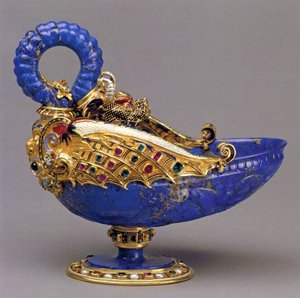
gasparo miseroni
1518 - 1573