

 Поделиться
 Поделиться
 Детали произведения

 Скачать
 Похожие работы
 Слайд-шоу
 Статистика
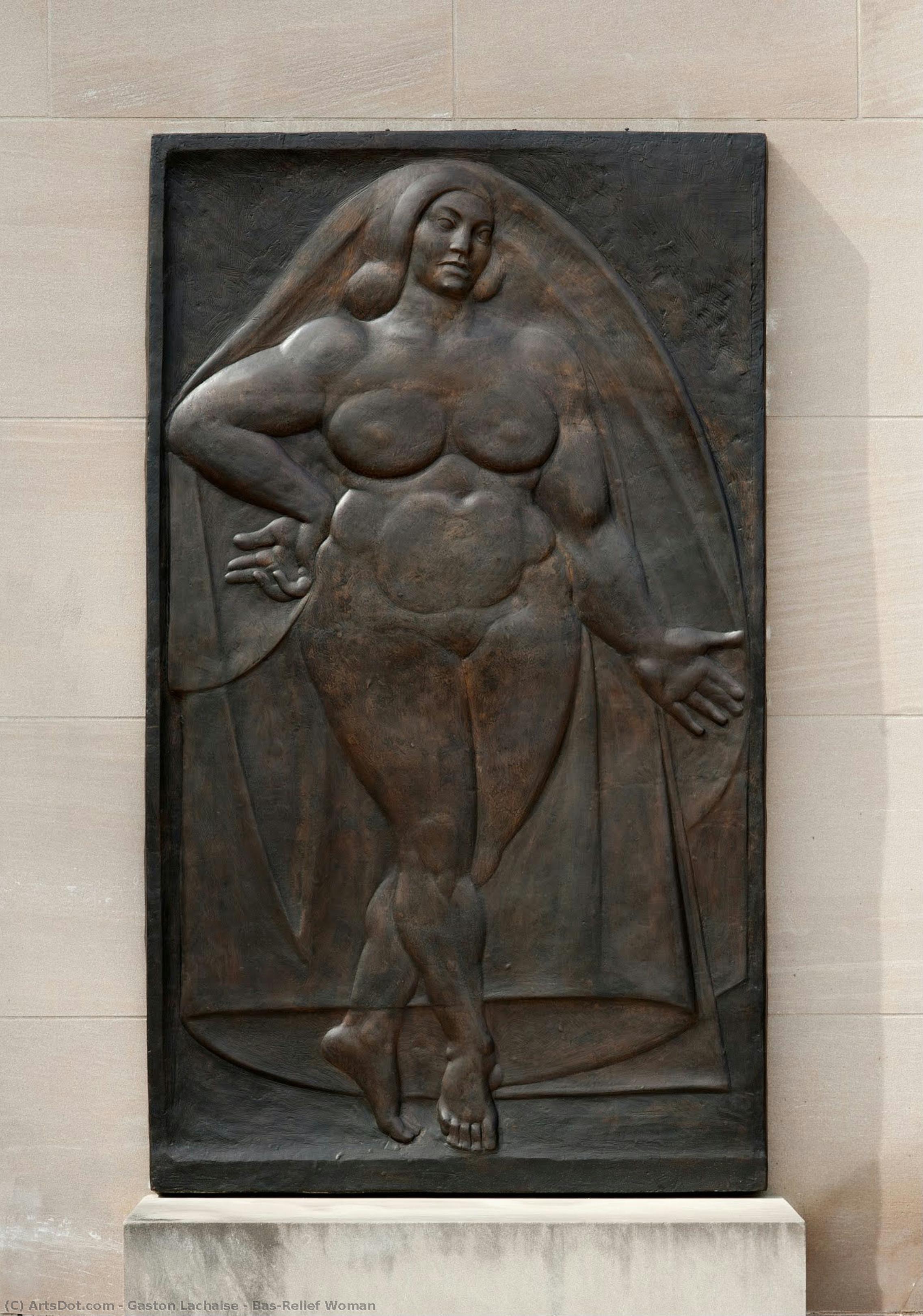
Bas-Relief Woman


 Читать далее
Жикле / Арт-принт
Печать (жикле) или холст музейного качества с быстрыми сроками изготовления и широким выбором вариантов отделки. ( Купить картину ручной работы Перейти к цифровым изображениям)




































Выберите один из наших стандартных размеров, соответствующих оригинальным пропорциям произведения искусства.

Вы можете указать свои собственные размеры, чтобы репродукция идеально подошла под конкретную раму или пространство. Если выбранный вами размер не будет соответствовать пропорциям оригинала, мы либо обрежем произведение, либо дополним изображение зеркальным отражением краев или однотонной заливкой. Перед началом производства вам будет отправлен цифровой макет для утверждения.
Пожалуйста, обратите внимание, что предварительный просмотр на экране не отображает фактическую обрезку или расширение изображения. Только макет точно покажет финальную композицию.
Несмотря на возможность заказа индивидуальных размеров, мы рекомендуем выбирать размер из предопределенного списка, чтобы сохранить оригинальные пропорции.
Доставка по всему миру () за 2 недели вместо стандартных 4/5 недель. (11 Сентябрь)

Бесплатная экспресс-доставка по всему миру

Высококачественный льняной холст

Полное страхование доставки

Гарантия возмещения таможенных пошлин

Гарантия точного соответствия цветов

100-дневная политика возврата (только при обнаружении дефектов)

Гарантия возврата 100% средств

Предложение оптовых скидок
 Вариант со стеклом доступен только для размеров менее 110 см

Bas-Relief Woman
Жикле / Арт-принт
Размер репродукции
-


Итоговая стоимость
$ 62
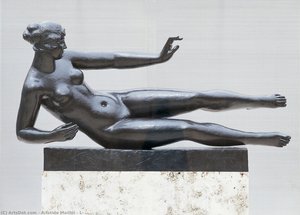
Bas-Relief Woman by Gaston Lachaise: An Ode to Love and Cosmic Energy
Gaston Lachaise’s “Bas-Relief Woman,” created in 1934 and cast in 1993, stands as a testament to the sculptor's profound devotion to his wife, Isabel Dutaud Nagle. More than just a portrait of his beloved, this monumental bronze sculpture embodies an idealized vision of femininity—a voluptuous earth mother brimming with cosmic energy, radiating confidence and strength. Located in the Donald J. Hall Sculpture Park at the Nelson-Atkins Museum of Art in Kansas City, Missouri, it’s a piece that continues to captivate viewers with its elegant simplicity and masterful execution.A Study in Form and Technique
Lachaise's approach to sculpture is characterized by his meticulous attention to anatomical detail combined with an expressive simplification of form. Unlike many figurative sculptures of the era, “Bas-Relief Woman” eschews excessive ornamentation, prioritizing a streamlined aesthetic that focuses on conveying emotion through posture and gesture. The sculptor skillfully employs the technique of lost wax casting—a process renowned for producing exceptionally smooth surfaces and capturing subtle nuances of musculature—resulting in a remarkably lifelike depiction despite its stylized representation. The bronze itself possesses a luminous sheen, reflecting the artist’s desire to imbue his subject with an ethereal quality.Historical Context: Modernism's Embrace of Ideal Beauty
“Bas-Relief Woman” emerged during the height of modernism, a movement that rejected academic conventions in favor of exploring new artistic languages and psychological explorations. Lachaise was deeply influenced by Surrealist ideas—particularly those championed by André Breton—which encouraged artists to tap into subconscious impulses and dreamlike imagery. However, he deftly avoids overtly fantastical elements, grounding his sculpture in a palpable sense of realism. The piece reflects the broader trend toward celebrating female beauty as an embodiment of primal power and spiritual harmony – a reaction against the restrictive ideals prevalent in earlier artistic traditions.Symbolism: Mother Earth and Eternal Femininity
The sculpture’s pose—standing on one leg with arms outstretched—immediately evokes images of stability and resilience, mirroring the strength and grace inherent in the female form. The woman's posture conveys an unwavering confidence, suggesting a connection to the earth and its enduring vitality. Her draped cloak or veil serves as a visual metaphor for protection and nurturing – symbolizing Isabel’s role as Lachaise’s steadfast companion and muse. Furthermore, the sculpture’s overall composition speaks to universal themes of femininity, motherhood, and spiritual transcendence.Emotional Impact: A Celebration of Love and Artistic Vision
“Bas-Relief Woman” transcends mere representation; it communicates a profound emotional resonance. The sculpture captures Lachaise's heartfelt admiration for Isabel—a woman who served as his lifelong inspiration and model. More broadly, the piece invites contemplation on the beauty of the human body and its capacity to express inner emotions. Its serene stillness and luminous surface inspire awe and wonder, reminding viewers of the transformative power of art to elevate our understanding of the world around us. It remains a poignant reminder that true artistic achievement stems from an honest engagement with personal experience and a unwavering commitment to conveying beauty in its purest form.Похожие произведения
Биография художника
Early Life and Education
- Born: March 19, 1882, Paris, France
- Died: October 18, 1935
- Parents: Marie Barré (daughter of a sculptor) and Jean Lachaise (cabinetmaker who designed furniture for Gustave Eiffel's apartment in the Eiffel Tower).
- Early Training: Studied at the École Municipale Bernard Palissy (age 13) and later at the Académie Nationale des Beaux-Arts (1898-1904) under Gabriel-Jules Thomas.
- Early Career: Worked as a modeler for René Lalique, designing decorative objects.
Move to America and Relationship with Isabel Nagel
- Meeting Isabel: Around 1902/1903 met and fell in love with Isabel Dutaud Nagle, an American woman of French Canadian descent.
- Immigration: In 1906, after working for Lalique to pay for his passage, Lachaise immigrated to Boston, vowing to follow Isabel.
- Early Work in America: Worked as a sculptor's assistant for H.H. Kitson in Boston and later Paul Manship in New York (1912-1921).
- Marriage: Married Isabel Dutaud Nagle in 1917 after her divorce. Lachaise considered Isabel his primary inspiration, referring to her as "Woman."
Artistic Development and Style
- Development of Unique Style: While influenced by European sculpture training, Lachaise developed a distinctive style in America, characterized by robust and voluptuous depictions of the female nude.
- "Woman" as a Theme: His concept of "Woman" evolved into a central theme, representing vitality, fertility, and a force of nature based on Isabel's image.
- Sculptural Characteristics: Lachaise’s nudes were known for their powerful forms, emphasizing breasts, abdomen, thighs, and buttocks with “a rounded voluminousness.”
- Materials: Primarily worked in bronze.
Major Works and Recognition
- Standing Woman (Modeled 1928-30): Considered his most famous work, exemplifies his style of the female nude.
- Portraits: Created portraits of notable figures including John Marin, Georgia O'Keeffe, Marianne Moore, and Lincoln Kirstein.
- Architectural Commissions: His works were chosen for commissions at AT&T Building and Rockefeller Center in New York City.
- Retrospective Exhibition: The Museum of Modern Art held a retrospective exhibition in 1935, the first for any American sculptor.
Historical Significance
- Redefining the Female Nude: Lachaise helped redefine the female nude in American art, moving away from slender depictions towards more robust and sensual forms.
- American Modernism: Played a critical role in the birth of American modernism by pushing boundaries and exploring the human body innovatively.
- Influence: His work influenced subsequent generations of sculptors with his emphasis on form, volume, and emotional expression.
- Legacy: Recognized as "the greatest American sculptor of his time" by *ARTnews*, Lachaise's legacy continues to be celebrated for its contribution to American art history.
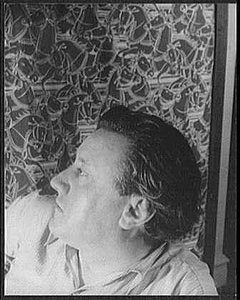
Gaston Lachaise
1882 - 1935 , France
Основные сведения
- Artistic Movement Or Style: Modernism, Art Deco
- Artists Or Movements Influenced By This Artist: ['Paul Manship']
- Artists Who Influenced This Artist:
- René Lalique
- Gabriel-Jules Thomas
- Date Of Birth: March 19, 1882
- Date Of Death: October 18, 1935
- Full Name: Gaston Lachaise
- Nationality: French-American
- Notable Artworks:
- Standing Woman
- (Nude Dancer with Drape)
- Head of a Woman
- Place Of Birth: Paris, France
Похожие статьи
The Enduring Legacy of Bronze: A Historical & Artistic Exploration for the Collector
Explore the rich history & enduring appeal of bronze sculpture with expert insights for collectors at ArtsDot. Learn about casting techniques, iconic artists, collecting tips & contemporary interpretations.
The Enduring Legacy of Bronze Sculpture: A Collector's Guide to Form & Cultural Significance
Explore the rich history & enduring appeal of bronze sculpture with expert insights for collectors at ArtsDot. Learn about casting techniques, iconic artists, and collecting tips to build a discerning art collection.
The Enduring Legacy of Bronze: History, Technique & Artistic Expression for the Collector
Explore the rich history & enduring appeal of bronze sculpture with expert insights for collectors at ArtsDot. Learn about casting techniques, iconic artists, and collecting tips.

10 легендарных бронзовых скульптур, изменивших искусство навсегда | ArtsDot
Погрузитесь в мир великих бронзовых скульптур! От Давида Микеланджело до работ Родена – история искусства, техники и вдохновения. Купите репродукции шедевров для вашего интерьера на ArtsDot.com

10 легендарных бронзовых шедевров, изменивших искусство | ArtsDot
Погрузитесь в мир великих бронзовых шедевров! От Давида Донателло до Мыслителя Родена – узнайте историю создания, технику и значение легендарных скульптур. Вдохновение для интерьера и музейное качество репродукций на ArtsDot.com.