

 Предпросмотр
 Поделиться
 Поделиться
 Детали произведения

 Скачать
 Похожие работы
 Рентгенография
 Слайд-шоу
 Статистика
The Oath of Brutus
 Acrylic On Canvas
- WallArt
- Neoclassical Painting
 1763
1763 213.0 x 264.0 cm
 Йельский центр британского искусства
 Читать далее
Приобретите цифровое изображение высокого разрешения в улучшенном качестве, которое значительно превосходит онлайн-превью.
Каждый файл тщательно подготавливается нашими специалистами с использованием передовых инструментов и экспертной ручной ретуши. Мы гарантируем исключительную четкость, точную цветопередачу и детальную проработку каждого изображения.
Финальный файл доставляется по электронной почте в течение 72 часов и оптимизирован для немедленного использования в профессиональной среде, при верстке и печати. Это тот же уровень качества, которому доверяют ведущие дизайнерские студии, издательства и галереи.
Цифровое изображение
Скачайте файл высокого разрешения для личного использования, печати и творческих проектов. ( Перейти к печати Купить картину ручной работы)
Включено в каждый заказ цифровых изображений
Гарантия экспертной цифровой доставки
Выбирая ArtsDot.com, вы получаете не просто изображение — вы приобретаете профессионально обработанное цифровое произведение искусства, созданное с безупречной точностью и под защитой гарантии качества. Вот всё, что автоматически входит в ваш заказ:

Мгновенная доставка по e-mail
Ваш цифровой файл в высоком разрешении будет отправлен вам по электронной почте в течение 72 часов после оформления заказа — и сразу станет доступен для использования.

Цифровой файл с ИИ-улучшением
Ваше произведение искусства проходит профессиональную оптимизацию с использованием передовых инструментов ИИ и ручной обработки, что гарантирует максимальную детализацию, четкость и точность цветопередачи.

Бессрочная бесплатная повторная доставка
Случайно удалили или потеряли файл? Не беспокойтесь — мы отправим его вам повторно в любое время и совершенно бесплатно.

Без импортных пошлин — навсегда
Наслаждайтесь вашим произведением искусства мгновенно без таможенных пошлин, сборов или затрат на доставку — цифровые загрузки всегда не облагаются налогом.

Гарантия точности цветопередачи
Мы гарантируем, что ваше цифровое изображение максимально точно передает оригинальные цвета благодаря использованию профессиональных инструментов и систем управления цветом.

Гарантия удовлетворенности 100 дней
Если вы не будете удовлетворены своим цифровым изображением, мы внесем правки или вернем 100% стоимости в течение 100 дней — без лишних вопросов.

100% Гарантия возврата средств
Не удовлетворены покупкой? Получите полный возврат средств в течение 100 дней после получения цифрового файла — без лишних вопросов.

Скидки на оптовые заказы
Купите 3 изображения, сэкономьте 10% — Купите 5, сэкономьте 15% — Купите 10+, сэкономьте 20%. Отличное решение для творческих проектов, галерей и агентств.
A Portrait of Stoicism Amidst Political Intrigue: Gavin Hamilton’s “The Oath of Brutus”
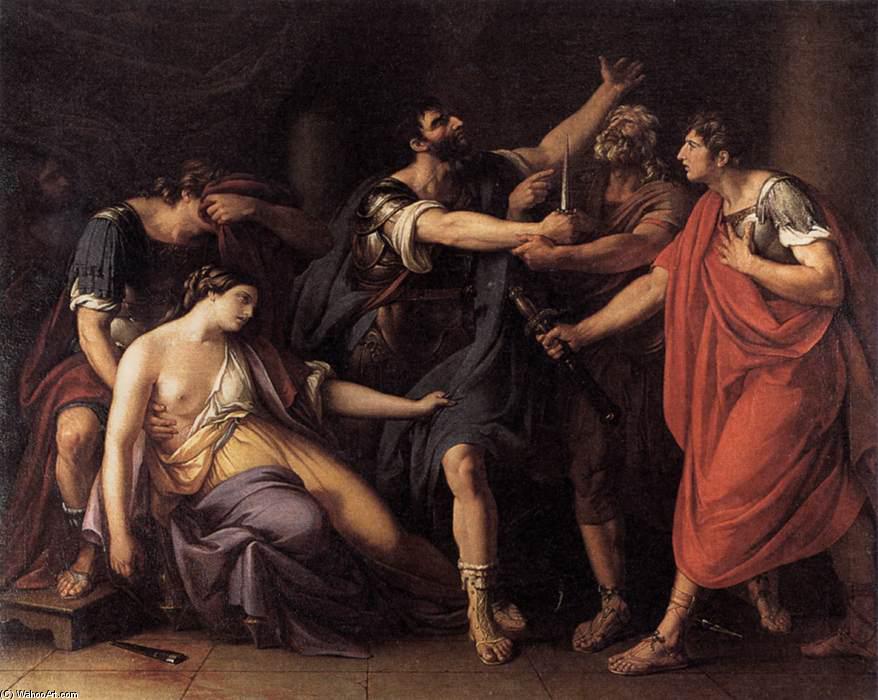
Gavin Hamilton’s “The Oath of Brutus,” completed in 1763, transcends mere visual representation; it embodies a pivotal moment in European intellectual history and stands as a testament to the enduring fascination with classical ideals. Painted during the Enlightenment, this monumental canvas delves into the complexities of Roman republicanism—specifically, the assassination of Julius Caesar—capturing not just an event but also its profound psychological ramifications.
Subject Matter and Composition
The painting depicts a gathering of prominent Roman figures surrounding Marcus Junius Brutus, the leader of the conspirators who orchestrated Caesar’s demise. Hamilton meticulously portrays thirteen men – twelve senators and Brutus himself – engaged in solemn deliberation. The central figure, Brutus, holds aloft a sword, symbolizing defiance against tyranny and upholding republican virtue. Around him are seated senators, their expressions conveying seriousness and contemplation. The arrangement is deliberately formal, mirroring the architectural grandeur of Roman temples and emphasizing the gravity of the occasion.
Style and Technique: Neoclassical Precision
Hamilton’s stylistic approach firmly anchors “The Oath of Brutus” within the Neoclassical movement—a reaction against Rococo frivolity that championed reason, order, and idealized beauty. He achieves this through masterful use of chiaroscuro – dramatic contrasts between light and shadow – creating a palpable sense of depth and realism. Hamilton’s brushstrokes are deliberate and controlled, prioritizing accuracy and anatomical precision. The artist skillfully renders the textures of clothing and skin, conveying a remarkable level of detail that reflects the influence of archaeological discoveries—Hamilton himself was a fervent supporter of excavating Roman sites in Italy.
Historical Context: Caesar's Assassination and Republican Ideals
The assassination of Julius Caesar in 44 BCE represented a dramatic upheaval within Roman politics, triggering debates about the merits of monarchy versus republican governance. Hamilton’s depiction captures this turbulent period, reflecting the anxieties surrounding Caesar’s ambition and perceived threat to traditional liberties. The painting serves as a visual embodiment of Stoic philosophy—the acceptance of fate and virtue amidst adversity—a cornerstone of Enlightenment thought.
Symbolism: Virtue Versus Tyranny
Beyond its historical narrative, “The Oath of Brutus” is laden with symbolic significance. The sword held by Brutus represents courage and righteousness, symbolizing the willingness to defend republican principles against oppressive rule. The solemn expressions of the senators convey moral seriousness and intellectual contemplation—a reflection of the Enlightenment’s emphasis on rational inquiry and ethical conduct. Hamilton's careful attention to detail underscores the importance of upholding virtue and resisting corruption – themes that resonate powerfully across centuries.
Emotional Impact: A Moment Frozen in Time
"The Oath of Brutus" evokes a profound sense of solemnity and contemplation, inviting viewers to consider the weighty questions posed by political upheaval. Hamilton’s masterful use of light and shadow creates an atmosphere of intense drama, capturing not only the physical scene but also the psychological tension inherent in the moment. It is a painting that compels reflection on themes of duty, honor, and the enduring struggle between liberty and tyranny—a timeless masterpiece that continues to inspire admiration for its artistic excellence and intellectual depth.
Похожие произведения
Биография художника
The Sculpted Canvas: The Life and Legacy of Gavin Hamilton
In the grand tapestry of the eighteenth century, few figures managed to weave together the threads of artistic creation and archaeological discovery as seamlessly as Gavin Hamilton. Born in Lanarkshire, Scotland, around 1723, Hamilton emerged from the rugged landscapes of his homeland to become a central protagonist in the Neoclassical movement. His journey was not merely one of personal ambition but a profound odyssey through the ruins of antiquity, as he sought to breathe life back into the silent marble of the past. While his early years provided him with a disciplined foundation in traditional craftsmanship and the linguistic tools of Latin and Greek, it was his eventual migration to Rome that would irrevocably transform his creative soul.
Rome served as more than just a destination; it was Hamilton’s true spiritual and intellectual home. Immersed in the heart of the classical world, he found himself surrounded by the remnants of empires, where every broken column and weathered statue whispered stories of heroism and tragedy. This environment fostered a deep connection to the theories of Johann Joachim Winckelmann, whose veneration of idealized beauty and noble simplicity became the guiding light for Hamilton’s brush. Influenced by these burgeoning ideals, Hamilton moved away from the ornate complexities of previous eras, striving instead for a clarity of form and a monumental stillness that echoed the grandeur of ancient Greek and Roman sculpture.
Mastery of the Homeric Epic and Neoclassical Vision
Hamilton’s oeuvre is characterized by a remarkable ability to translate the epic scale of classical literature into intimate, emotionally resonant visual narratives. He possessed a rare talent for capturing the precise moment of profound human pathos—the breath before a cry, or the heavy silence following a tragedy. His works often focused on legendary figures from Homeric epics, rendered with a meticulous attention to anatomical precision and a compositional harmony that felt both timeless and urgent.
Among his most celebrated contributions to the art world are masterpieces that continue to captivate audiences with their dramatic intensity:
- The Oath of Brutus: A cornerstone of Neoclassical painting, this work depicts a pivotal moment of Roman civic duty, utilizing vibrant color and meticulous detail to convey the weight of political sacrifice.
- Andromache Bewailing the Death of Hector: In this poignant scene, Hamilton explores the depths of grief, using the classical setting to universalize the personal loss of a widow.
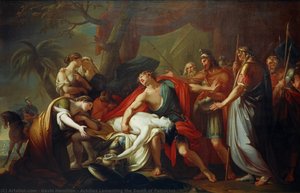
- Achilles Lamenting the Death of Patroclus: A powerful study in mourning and heroic loss, where the artist utilizes the starkness of the composition to emphasize the raw emotion of the legendary warrior.
Through these canvases, Hamilton did more than just illustrate history; he participated in its reconstruction. His deep involvement in archaeological excavations near Rome allowed him to bring an unprecedented level of authenticity to his subjects. He was not merely imagining the classical world; he was witnessing its physical resurrection, and this firsthand intimacy with antiquity lent his paintings a weight and truth that few of his contemporaries could replicate.
A Bridge Between Eras and Disciplines
The historical significance of Gavin Hamilton lies in his dual role as an artist and an antiquarian. He stood at the crossroads of art history and archaeology, acting as a vital conduit through which the rediscovered treasures of the ancient world were communicated to the European consciousness. By bridging the gap between the physical discovery of artifacts and their aesthetic interpretation, he helped shape the very foundations of Neoclassical taste.
His legacy is found not only in the museums that house his paintings but in the enduring way we perceive the classical past. Hamilton taught a generation of viewers to look upon the ruins of Rome not as mere debris, but as the blueprints for beauty, morality, and human excellence. Even today, his work remains a testament to the power of art to resurrect the spirit of lost civilizations, ensuring that the echoes of the ancient world continue to resonate through the centuries.
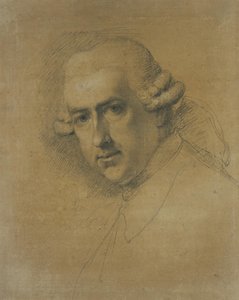
Gavin Hamilton
1723 - 1798 , United Kingdom
Основные сведения
- Artistic Movement Or Style: Neoclassical
- Artists Or Movements Influenced By This Artist: ['Classical Art']
- Artists Who Influenced This Artist: ['Johann Joachim Winckelmann']
- Date Of Death: 1798
- Full Name: Gavin Hamilton
- Nationality: Scottish
- Notable Artworks:
- The Martyrdom of St Andrew
- Andromache Bewailing the Death of Hector
- The Oath of Brutus
- Place Of Birth: Lanarkshire, United Kingdom