 Предпросмотр
 Поделиться
 Поделиться
 Детали произведения

 Скачать
 Похожие работы
 Рентгенография
 Слайд-шоу
 Статистика
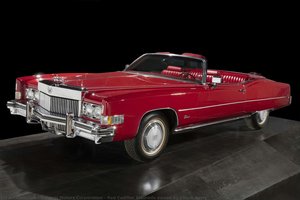
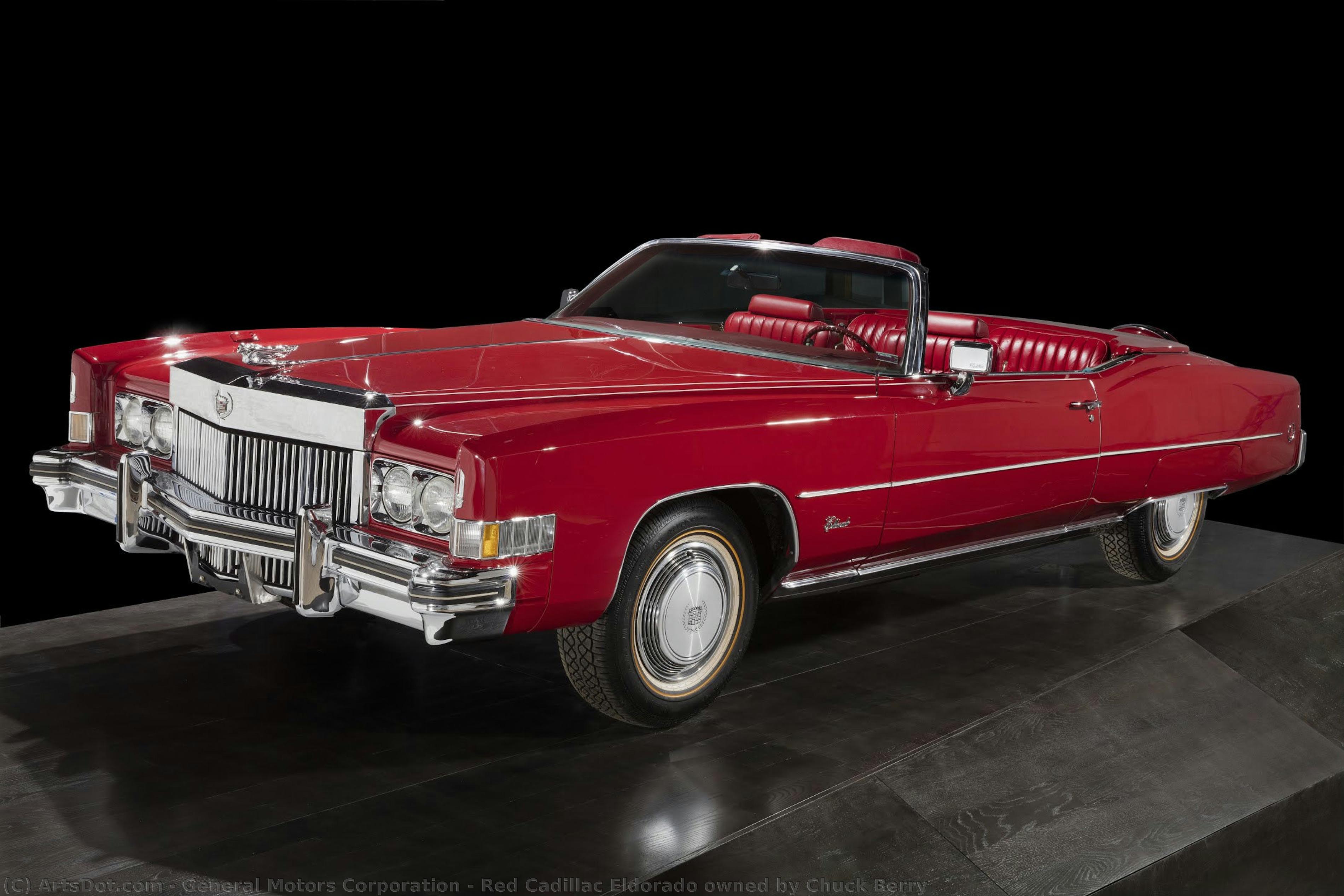
Red Cadillac Eldorado owned by Chuck Berry
 1973
1973 134.0 x 210.0 cm
 Национальный музей афроамериканской истории и культуры
 Читать далее
Приобретите цифровое изображение высокого разрешения в улучшенном качестве, которое значительно превосходит онлайн-превью.
Каждый файл тщательно подготавливается нашими специалистами с использованием передовых инструментов и экспертной ручной ретуши. Мы гарантируем исключительную четкость, точную цветопередачу и детальную проработку каждого изображения.
Финальный файл доставляется по электронной почте в течение 72 часов и оптимизирован для немедленного использования в профессиональной среде, при верстке и печати. Это тот же уровень качества, которому доверяют ведущие дизайнерские студии, издательства и галереи.
Цифровое изображение
Скачайте файл высокого разрешения для личного использования, печати и творческих проектов. ( Перейти к печати Купить картину ручной работы)
Включено в каждый заказ цифровых изображений
Гарантия экспертной цифровой доставки
Выбирая ArtsDot.com, вы получаете не просто изображение — вы приобретаете профессионально обработанное цифровое произведение искусства, созданное с безупречной точностью и под защитой гарантии качества. Вот всё, что автоматически входит в ваш заказ:

Мгновенная доставка по e-mail
Ваш цифровой файл в высоком разрешении будет отправлен вам по электронной почте в течение 72 часов после оформления заказа — и сразу станет доступен для использования.

Цифровой файл с ИИ-улучшением
Ваше произведение искусства проходит профессиональную оптимизацию с использованием передовых инструментов ИИ и ручной обработки, что гарантирует максимальную детализацию, четкость и точность цветопередачи.

Бессрочная бесплатная повторная доставка
Случайно удалили или потеряли файл? Не беспокойтесь — мы отправим его вам повторно в любое время и совершенно бесплатно.

Без импортных пошлин — навсегда
Наслаждайтесь вашим произведением искусства мгновенно без таможенных пошлин, сборов или затрат на доставку — цифровые загрузки всегда не облагаются налогом.

Гарантия точности цветопередачи
Мы гарантируем, что ваше цифровое изображение максимально точно передает оригинальные цвета благодаря использованию профессиональных инструментов и систем управления цветом.

Гарантия удовлетворенности 100 дней
Если вы не будете удовлетворены своим цифровым изображением, мы внесем правки или вернем 100% стоимости в течение 100 дней — без лишних вопросов.

100% Гарантия возврата средств
Не удовлетворены покупкой? Получите полный возврат средств в течение 100 дней после получения цифрового файла — без лишних вопросов.

Скидки на оптовые заказы
Купите 3 изображения, сэкономьте 10% — Купите 5, сэкономьте 15% — Купите 10+, сэкономьте 20%. Отличное решение для творческих проектов, галерей и агентств.
Похожие произведения







Биография художника
The Unconventional Canvas: General Motors Corporation as a Cultural Force
To consider the General Motors Corporation an “artist” may initially seem jarring, yet a closer examination reveals a profound and lasting impact on 20th and 21st-century visual culture. Unlike traditional painters or sculptors working with clay and canvas, GM’s medium was industrial design, mass production, and ultimately, the American automobile itself. The company didn't wield brushes; it commanded assembly lines, shaping not just transportation but also dreams, aspirations, and the very landscape of a nation.
Born from the amalgamation of numerous automotive pioneers in 1908 – a lineage tracing back to innovators like Ransom E. Olds and Henry Durant – General Motors quickly evolved beyond mere vehicle manufacturing. Its early success wasn’t solely about engineering; it was about marketing, branding, and understanding the burgeoning consumer culture. The company recognized that people weren't simply buying cars; they were purchasing status, freedom, and a vision of the future. This realization fueled an unprecedented investment in design aesthetics, moving beyond utilitarian functionality to embrace streamlined forms, vibrant colors, and luxurious interiors.
The Art Deco Influence and Harley Earl’s Vision
The 1930s marked a pivotal period for GM's artistic development, deeply intertwined with the rise of the Art Deco movement. Harley Earl, often hailed as the “father of industrial design,” joined GM in 1927 and spearheaded a revolution in automotive styling. He understood that annual model changes weren’t about mechanical improvements alone; they were about creating desire through visual novelty. The flowing lines, chrome accents, and aerodynamic shapes of cars like the Cadillac V-16 (1930) and subsequent models directly reflected Art Deco's emphasis on glamour, speed, and modernity. Earl’s influence extended beyond aesthetics; he pioneered the use of clay modeling to visualize designs before production, a technique still central to automotive design today.
This era also saw GM embrace color as a powerful artistic tool. Previously, automobiles were largely limited to somber shades of black and gray. GM introduced a wider palette, reflecting consumer preferences and the optimistic spirit of the age. The tailfins of the 1950s – arguably GM’s most iconic design feature – weren't merely stylistic flourishes; they symbolized America’s post-war exuberance, technological advancement, and fascination with space exploration. These designs were not created in isolation but through a collaborative process involving designers, engineers, and marketing teams, all striving to capture the national mood.
Beyond Aesthetics: GM as a Shaper of American Life
GM’s artistic influence extended far beyond the cars themselves. The company actively shaped the infrastructure surrounding automobile ownership. The development of the highway system, heavily influenced by lobbying efforts and funding from automotive manufacturers, fundamentally altered the American landscape and lifestyle. Motels, diners, and suburban developments sprang up along these new routes, creating a car-centric culture that remains prevalent today.
- Advertising: GM’s advertising campaigns were masterful works of persuasion, associating their vehicles with idealized versions of American life – family vacations, success, and social status. These ads weren't simply selling cars; they were selling a dream.
- Futurama (1939 World’s Fair): The Futurama exhibit at the 1939 New York World’s Fair, designed by Norman Bel Geddes with GM sponsorship, presented a utopian vision of a future dominated by automobiles and advanced transportation systems. It was a powerful statement about GM's belief in its own transformative potential.
- Design Staffing: The company fostered an internal design culture that attracted some of the most talented artists and engineers of the era, creating a breeding ground for innovation and stylistic experimentation.
A Legacy of Innovation and Cultural Impact
While GM has faced challenges in recent decades, its legacy as a cultural force remains undeniable. The company’s designs have been endlessly copied, celebrated in art museums, and continue to inspire contemporary artists and designers. The very concept of planned obsolescence – the deliberate design of products with limited lifespans to encourage repeat purchases – while controversial, is a testament to GM's understanding of consumer psychology and its ability to shape market trends.
To view General Motors Corporation as an artist is not to ignore its corporate complexities or economic impact. Rather, it’s to recognize that art isn’t confined to galleries and museums; it can be found in the objects we create, the spaces we inhabit, and the dreams we pursue. GM, for better or worse, fundamentally altered the visual landscape of the 20th century, leaving an indelible mark on American culture and beyond.