

 Предпросмотр
 Поделиться
 Поделиться
 Детали произведения

 Скачать
 Похожие работы
 Рентгенография
 Слайд-шоу
 Статистика
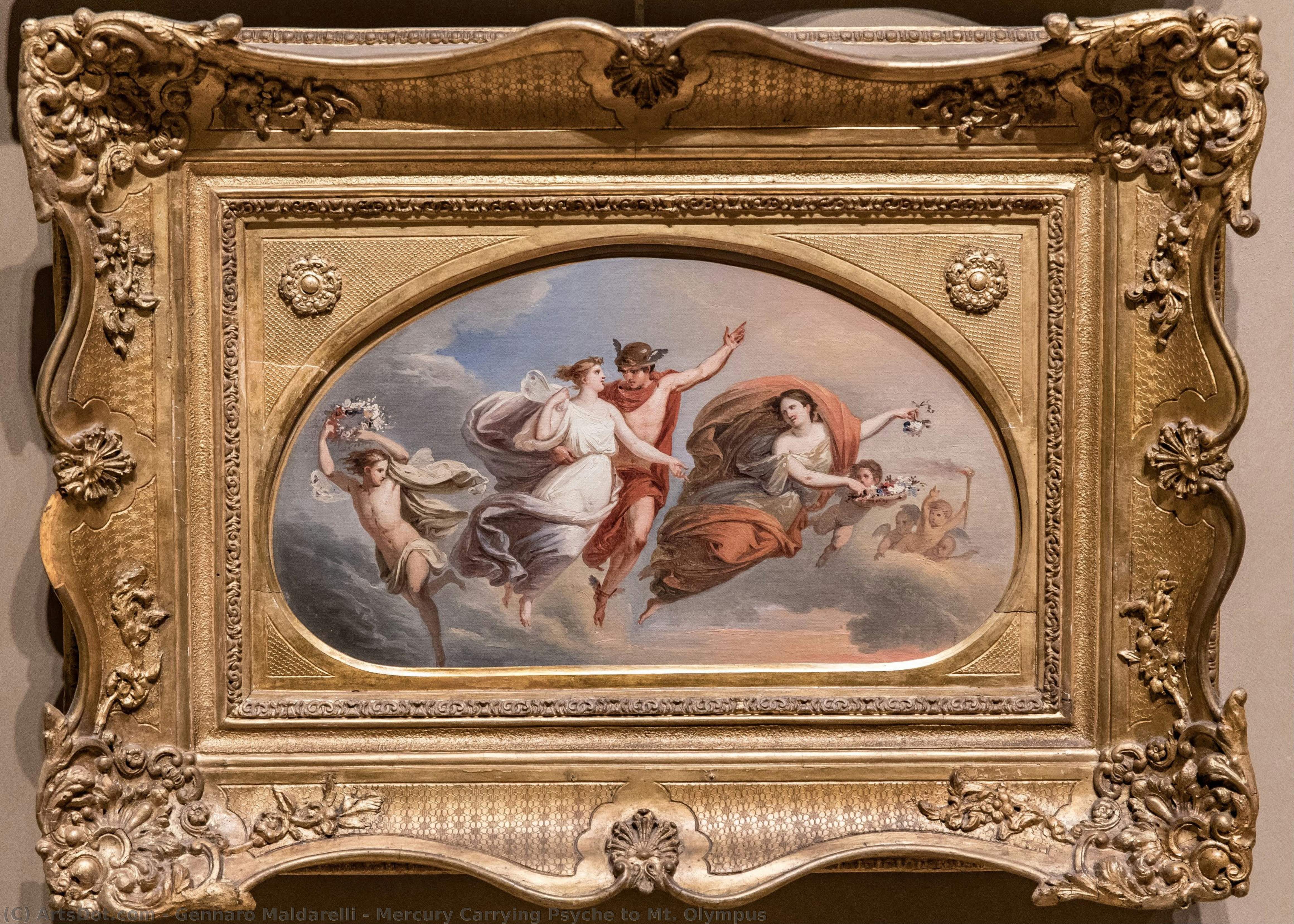
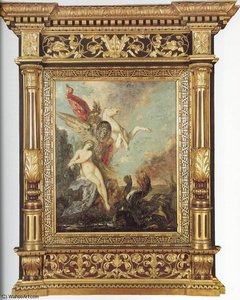
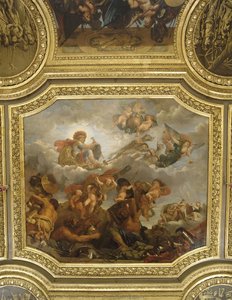
Mercury Carrying Psyche to Mt. Olympus


 Читать далее
Приобретите цифровое изображение высокого разрешения в улучшенном качестве, которое значительно превосходит онлайн-превью.
Каждый файл тщательно подготавливается нашими специалистами с использованием передовых инструментов и экспертной ручной ретуши. Мы гарантируем исключительную четкость, точную цветопередачу и детальную проработку каждого изображения.
Финальный файл доставляется по электронной почте в течение 72 часов и оптимизирован для немедленного использования в профессиональной среде, при верстке и печати. Это тот же уровень качества, которому доверяют ведущие дизайнерские студии, издательства и галереи.
Цифровое изображение
Скачайте файл высокого разрешения для личного использования, печати и творческих проектов. ( Перейти к печати Купить картину ручной работы)
Включено в каждый заказ цифровых изображений
Гарантия экспертной цифровой доставки
Выбирая ArtsDot.com, вы получаете не просто изображение — вы приобретаете профессионально обработанное цифровое произведение искусства, созданное с безупречной точностью и под защитой гарантии качества. Вот всё, что автоматически входит в ваш заказ:

Мгновенная доставка по e-mail
Ваш цифровой файл в высоком разрешении будет отправлен вам по электронной почте в течение 72 часов после оформления заказа — и сразу станет доступен для использования.

Цифровой файл с ИИ-улучшением
Ваше произведение искусства проходит профессиональную оптимизацию с использованием передовых инструментов ИИ и ручной обработки, что гарантирует максимальную детализацию, четкость и точность цветопередачи.

Бессрочная бесплатная повторная доставка
Случайно удалили или потеряли файл? Не беспокойтесь — мы отправим его вам повторно в любое время и совершенно бесплатно.

Без импортных пошлин — навсегда
Наслаждайтесь вашим произведением искусства мгновенно без таможенных пошлин, сборов или затрат на доставку — цифровые загрузки всегда не облагаются налогом.

Гарантия точности цветопередачи
Мы гарантируем, что ваше цифровое изображение максимально точно передает оригинальные цвета благодаря использованию профессиональных инструментов и систем управления цветом.

Гарантия удовлетворенности 100 дней
Если вы не будете удовлетворены своим цифровым изображением, мы внесем правки или вернем 100% стоимости в течение 100 дней — без лишних вопросов.

100% Гарантия возврата средств
Не удовлетворены покупкой? Получите полный возврат средств в течение 100 дней после получения цифрового файла — без лишних вопросов.

Скидки на оптовые заказы
Купите 3 изображения, сэкономьте 10% — Купите 5, сэкономьте 15% — Купите 10+, сэкономьте 20%. Отличное решение для творческих проектов, галерей и агентств.
A Celestial Ascent: The Triumph of Psyche
The moment Mercury lifts Psyche toward the heights of Mount Olympus is more than a mere mythological vignette; it is a breathtaking depiction of transcendence and the ultimate victory of the soul. In this exquisite work from 1840, Gennaro Maldarelli captures the pivotal instant where mortal struggle dissolves into divine grace. As part of a larger decorative cycle originally intended for the Appartamento delle Feste in the Royal Palace of Naples, these sketches breathe life into the ancient, enduring fable of Psyche and Eros. The viewer is immediately drawn into the rhythmic movement of the figures, feeling the weightless ascent of a soul finally finding its place among the gods. There is an undeniable emotional pull in this scene, a sense of relief and arrival that resonates with anyone who has ever sought peace after a period of great trial.
The Pompeian Influence and Academic Precision
Maldarelli’s technique is deeply rooted in the Academic tradition, drawing profound inspiration from the rediscovered splendor of Pompeian frescoes. His approach is characterized by a remarkable clarity and structural integrity that evokes the timelessness of antiquity. The colors used in this piece are remarkably rich and vibrant, designed to capture the light and command attention just as they would on a grand palace ceiling. Through a careful balance of form and color, the artist achieves a sense of depth and vitality that makes the scene feel less like a static sketch and more like a living window into the classical world. The presence of secondary figures adds a layer of narrative complexity, grounding the central celestial event within a populated, divine landscape, while the brushwork maintains a refined elegance that speaks to the artist's mastery of the Neapolitan style.
An Invitation to Classical Splendor
For the interior designer or the passionate art collector, this piece offers an unparalleled opportunity to introduce a sense of historical prestige and narrative depth into a curated space. The composition, characterized by its elegant movement and classical subject matter, serves as a sophisticated focal point that commands attention without overwhelming its surroundings. Whether placed in a grand hall, a formal dining room, or a quiet study, the painting’s vibrant palette and the warmth of its golden tones evoke an atmosphere of luxury and intellectual curiosity. To possess a reproduction of such a significant historical moment is to bring the magic of Olympus into the contemporary home, surrounding oneself with the enduring beauty of the nineteenth-century academic masters.
Похожие произведения

Биография художника
The Echoes of Industry: A Biography of William Adnison
William Adnison (1817-1858), a name perhaps less familiar than his contemporaries in the bustling world of mid-19th century American art, nevertheless carved out a unique and profoundly evocative space for himself. Born in rural Pennsylvania, Adnison’s life was inextricably linked to the burgeoning industrial landscape of America – an observation that would become the defining characteristic of his artistic vision. Unlike many artists of his era focused on idyllic landscapes or historical narratives, Adnison sought to capture the raw, often brutal beauty of factories, mills, and the lives of those who labored within them. His work stands as a poignant testament to the social realities of a rapidly changing nation, offering a stark contrast to the romanticized depictions prevalent at the time. Adnison’s early life provided little indication of his future artistic pursuits. He apprenticed as a printer in Philadelphia, an experience that instilled in him a deep appreciation for craftsmanship and the mechanics of production – skills he would later translate into his paintings. It was during this period that he began to develop his distinctive style, characterized by meticulous detail, a muted color palette dominated by grays, browns, and ochres, and a remarkable ability to render textures with astonishing accuracy. He wasn’t interested in grand gestures or dramatic lighting; instead, he favored the subtle shifts of light and shadow within industrial interiors, revealing the inherent poetry of labor. His early influences were diverse – from the German Romantic painters who explored themes of industry and social critique, to the Dutch masters known for their meticulous depictions of everyday life. However, Adnison’s work quickly developed its own distinct voice, rooted in his unique perspective as an observer of American industrialization. Adnison's artistic journey truly began after a debilitating injury forced him to abandon printing. This enforced inactivity provided the time and impetus he needed to dedicate himself fully to painting. He initially struggled to gain recognition, often exhibiting alongside less established artists. Yet, his unwavering commitment to his subject matter – the factories of Pennsylvania – eventually garnered attention. His paintings weren’t simply depictions of industrial scenes; they were imbued with a sense of melancholy and empathy for the workers he portrayed. He meticulously rendered the faces of men and women, capturing their weariness, resilience, and quiet dignity. His most celebrated works, such as *The Mill*, *The Foundry*, and *The Cotton Factory*, became powerful symbols of the era’s social conditions. These paintings weren't celebratory; they were investigations – honest portrayals of a difficult reality. A key element of Adnison’s artistic process was his painstaking attention to detail. He often worked directly from life, sketching and studying his subjects in factories and mills for extended periods. He employed a technique known as *pointillé*, a method of applying numerous tiny dots of paint to create texture and tonal variations – a technique borrowed from Japanese prints but adapted to suit his own style. This meticulous approach resulted in paintings that possessed an almost photographic quality, capturing the intricate details of machinery, brickwork, and the workers’ clothing with remarkable precision. Furthermore, Adnison's use of light was particularly noteworthy. He avoided bright, dramatic lighting, instead favoring a diffused, atmospheric illumination that emphasized the shadows and created a sense of quiet contemplation. Despite his growing reputation, Adnison’s career was tragically cut short by illness in 1858 at the age of forty-one. His untimely death left behind a relatively small body of work – approximately eighty paintings – but one that continues to resonate with viewers today. His legacy lies not only in his technical skill and artistic vision, but also in his courageous portrayal of an often-overlooked aspect of American history. Adnison’s paintings serve as a poignant reminder of the human cost of industrial progress and offer a valuable insight into the lives of those who toiled within the factories and mills that fueled America's rise to prominence. His work remains a powerful testament to the enduring power of art to illuminate social realities and evoke empathy for the experiences of others, solidifying his place as a significant, if somewhat unsung, figure in American art history.Key Works
- The Mill (1847): Perhaps Adnison’s most famous work, this painting depicts a bustling textile mill with workers engaged in their labor. The scene is rendered with remarkable detail and a subtle sense of melancholy.
- The Foundry (1850): A powerful depiction of a blacksmith's forge, capturing the heat, noise, and intensity of the work. The figures are depicted with dignity and resilience.
- The Cotton Factory (1853): This painting offers a detailed portrayal of a cotton factory, highlighting the repetitive motions and monotonous routines of the workers.
- Portrait of a Worker (circa 1856): A series of intimate portraits capturing the faces of factory workers, revealing their weariness and quiet dignity.

gennaro maldarelli
1858 , Italy
Основные сведения
- Artistic Movement Or Style: World Goes Pop
- Artists Or Movements Influenced By This Artist: ['']
- Artists Who Influenced This Artist: ['']
- Date Of Death: 1858
- Notable Artworks: ['Various works featured in The EY Exhibition: The World Goes Pop']