

 Предпросмотр
 Поделиться
 Поделиться
 Детали произведения

 Скачать
 Похожие работы
 Рентгенография
 Слайд-шоу
 Статистика
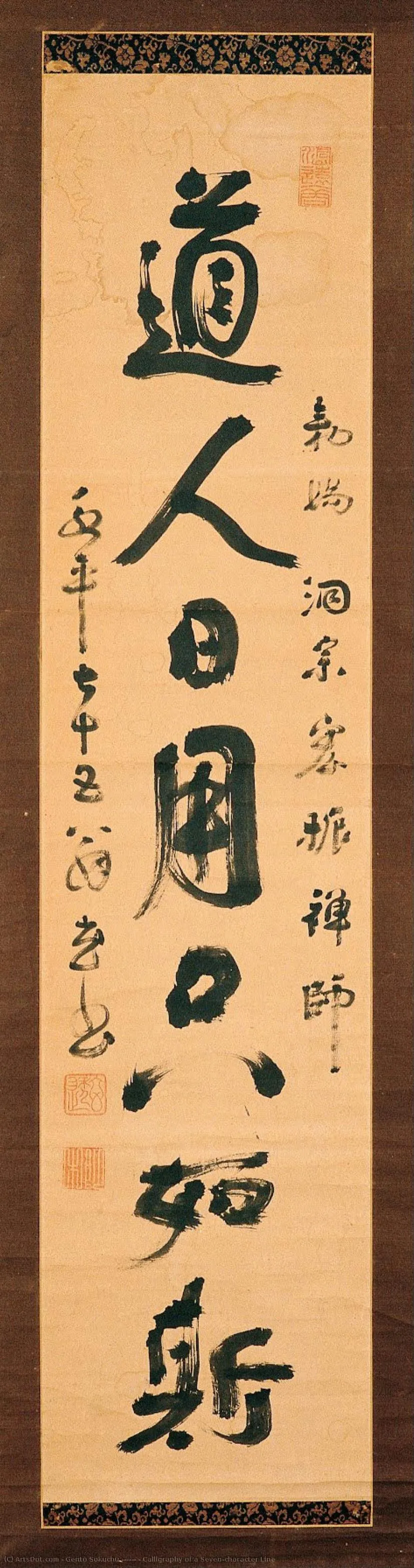
Calligraphy of a Seven-character Line


 Читать далее
Приобретите цифровое изображение высокого разрешения в улучшенном качестве, которое значительно превосходит онлайн-превью.
Каждый файл тщательно подготавливается нашими специалистами с использованием передовых инструментов и экспертной ручной ретуши. Мы гарантируем исключительную четкость, точную цветопередачу и детальную проработку каждого изображения.
Финальный файл доставляется по электронной почте в течение 72 часов и оптимизирован для немедленного использования в профессиональной среде, при верстке и печати. Это тот же уровень качества, которому доверяют ведущие дизайнерские студии, издательства и галереи.
Цифровое изображение
Скачайте файл высокого разрешения для личного использования, печати и творческих проектов. ( Перейти к печати Купить картину ручной работы)
Включено в каждый заказ цифровых изображений
Гарантия экспертной цифровой доставки
Выбирая ArtsDot.com, вы получаете не просто изображение — вы приобретаете профессионально обработанное цифровое произведение искусства, созданное с безупречной точностью и под защитой гарантии качества. Вот всё, что автоматически входит в ваш заказ:

Мгновенная доставка по e-mail
Ваш цифровой файл в высоком разрешении будет отправлен вам по электронной почте в течение 72 часов после оформления заказа — и сразу станет доступен для использования.

Цифровой файл с ИИ-улучшением
Ваше произведение искусства проходит профессиональную оптимизацию с использованием передовых инструментов ИИ и ручной обработки, что гарантирует максимальную детализацию, четкость и точность цветопередачи.

Бессрочная бесплатная повторная доставка
Случайно удалили или потеряли файл? Не беспокойтесь — мы отправим его вам повторно в любое время и совершенно бесплатно.

Без импортных пошлин — навсегда
Наслаждайтесь вашим произведением искусства мгновенно без таможенных пошлин, сборов или затрат на доставку — цифровые загрузки всегда не облагаются налогом.

Гарантия точности цветопередачи
Мы гарантируем, что ваше цифровое изображение максимально точно передает оригинальные цвета благодаря использованию профессиональных инструментов и систем управления цветом.

Гарантия удовлетворенности 100 дней
Если вы не будете удовлетворены своим цифровым изображением, мы внесем правки или вернем 100% стоимости в течение 100 дней — без лишних вопросов.

100% Гарантия возврата средств
Не удовлетворены покупкой? Получите полный возврат средств в течение 100 дней после получения цифрового файла — без лишних вопросов.

Скидки на оптовые заказы
Купите 3 изображения, сэкономьте 10% — Купите 5, сэкономьте 15% — Купите 10+, сэкономьте 20%. Отличное решение для творческих проектов, галерей и агентств.
Похожие произведения





Биография художника
Gentō Sokuchū (玄透即中): A Revivalist of Dōgen’s Legacy
Gentō Sokuchū (玄透即中), born in 1729, stands as a pivotal figure within the Sōtō Zen tradition—a scholar and abbot who tirelessly championed the rediscovery and reaffirmation of Dōgen Zenji's teachings during the late Edo period. His life’s work centered on meticulously reconstructing and disseminating Dōgen’s seminal texts, fundamentally reshaping the trajectory of Sōtō monastic practice and shaping its intellectual landscape for centuries to come. Understanding Sokuchū requires delving into the broader context of a movement striving to recapture the essence of Zen Buddhism's foundational principles—a mission he undertook with unwavering dedication and profound erudition.Early Life & Education
Born in Kyoto, Sokuchū’s formative years were steeped in the rigorous discipline of Eiheiji monastery. From his earliest days, he absorbed the wisdom of Buddhist philosophy and honed his exceptional skill in calligraphy – disciplines that would become inseparable from his lifelong pursuit of enlightenment. This upbringing instilled within him a deep reverence for Dōgen's teachings—a conviction that fueled his scholarly endeavors and shaped his unwavering commitment to preserving Zen’s core tenets.Eihei-ji & The Rediscovery of Dōgen
Sokuchū’s ascension to abbatial leadership at Eiheiji coincided with a period of palpable decline within Sōtō monastic scholarship. Recognizing the urgent need for revitalization, he initiated an ambitious undertaking—the exhaustive editing and publication of Dōgen's monumental works, including Shōbōgenzō and Eihei Kenkōroku (The Record of Enlightenment). This endeavor transcended mere academic pursuit; it represented a deliberate effort to reconnect monks with the bedrock principles of Zen practice – a connection that had been weakened by centuries of neglect. Sokuchū’s vision was not simply to preserve knowledge but to rekindle the spirit of Dōgen's Dharma within Eiheiji’s walls.The Eihei Rules of Purity
Sokuchū’s crowning achievement undoubtedly resided in the compilation of Eihei Shingi—the Eihei Rules of Purity. These rules, painstakingly reconstructed from fragmentary manuscripts and imbued with Dōgen’s uncompromising ethical code for monks, stood as a stark contrast to the lax standards that had characterized monastic life prior to his time. Sokuchū's insistence on enforcing these precepts served as a catalyst for reform within Eiheiji—a transformative moment that reverberated throughout the Sōtō school and reaffirmed Dōgen’s unwavering commitment to ethical conduct. He ensured that the essence of Zen practice was upheld, securing its legacy for generations to come.Influence & Legacy
Gentō Sokuchū's influence extended far beyond Eiheiji’s immediate surroundings. His profound understanding of Zen philosophy informed his advocacy for a balanced approach to meditation—one that honored both tradition and innovation. Notably, he championed the revival of koan practice – a method central to Rinzai Zen – arguing persuasively for its judicious integration alongside established meditative techniques. Furthermore, Sokuchū oversaw a monumental architectural project: the rebuilding of Eiheiji’s sangha hall in 1796—a decision rooted in his admiration for Song Dynasty temples and reflecting Dōgen's enduring vision of monastic architecture as embodying spiritual harmony. His former student Ryōkan profoundly impacted Zen Buddhism, demonstrating Sokuchū’s unwavering dedication to preserving Dōgen’s Dharma and reaffirming its relevance in a changing world. Gentō Sokuchū died in 1807, leaving behind an indelible mark on Sōtō Zen history—a testament to his lifelong devotion to safeguarding and disseminating Dōgen's teachings. His meticulous scholarship and resolute advocacy for monastic reform cemented his position as a cornerstone of Sōtō Zen intellectual tradition, ensuring that Dōgen’s profound insights continue to inspire practitioners today.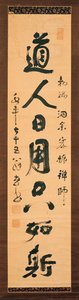
Гэнто Сокучу
1729 - 1807 , Япония
Основные сведения
- Artistic Movement Or Style: Сōtō Zen
- Artists Or Movements Influenced By This Artist: ['Rinzai']
- Artists Who Influenced This Artist: ['Dōgen']
- Date Of Birth: 1729
- Date Of Death: 1807
- Full Name: Gentō Sokuchū 玄透即中
- Nationality: Японский
- Notable Artworks: ['Eihei Rules of Purity']
- Place Of Birth: Kyoto Япония