


 Предпросмотр
 Поделиться
 Поделиться
 Детали произведения

 Скачать
 Похожие работы
 Рентгенография
 Слайд-шоу
 Статистика
Photograph of Lieutenant Geoffrey Haggard and Commander Henry G. Stoker of the AE2

 Читать далее
Приобретите цифровое изображение высокого разрешения в улучшенном качестве, которое значительно превосходит онлайн-превью.
Каждый файл тщательно подготавливается нашими специалистами с использованием передовых инструментов и экспертной ручной ретуши. Мы гарантируем исключительную четкость, точную цветопередачу и детальную проработку каждого изображения.
Финальный файл доставляется по электронной почте в течение 72 часов и оптимизирован для немедленного использования в профессиональной среде, при верстке и печати. Это тот же уровень качества, которому доверяют ведущие дизайнерские студии, издательства и галереи.
Цифровое изображение
Скачайте файл высокого разрешения для личного использования, печати и творческих проектов. ( Перейти к печати Купить картину ручной работы)
Включено в каждый заказ цифровых изображений
Гарантия экспертной цифровой доставки
Выбирая ArtsDot.com, вы получаете не просто изображение — вы приобретаете профессионально обработанное цифровое произведение искусства, созданное с безупречной точностью и под защитой гарантии качества. Вот всё, что автоматически входит в ваш заказ:

Мгновенная доставка по e-mail
Ваш цифровой файл в высоком разрешении будет отправлен вам по электронной почте в течение 72 часов после оформления заказа — и сразу станет доступен для использования.

Цифровой файл с ИИ-улучшением
Ваше произведение искусства проходит профессиональную оптимизацию с использованием передовых инструментов ИИ и ручной обработки, что гарантирует максимальную детализацию, четкость и точность цветопередачи.

Бессрочная бесплатная повторная доставка
Случайно удалили или потеряли файл? Не беспокойтесь — мы отправим его вам повторно в любое время и совершенно бесплатно.

Без импортных пошлин — навсегда
Наслаждайтесь вашим произведением искусства мгновенно без таможенных пошлин, сборов или затрат на доставку — цифровые загрузки всегда не облагаются налогом.

Гарантия точности цветопередачи
Мы гарантируем, что ваше цифровое изображение максимально точно передает оригинальные цвета благодаря использованию профессиональных инструментов и систем управления цветом.

Гарантия удовлетворенности 100 дней
Если вы не будете удовлетворены своим цифровым изображением, мы внесем правки или вернем 100% стоимости в течение 100 дней — без лишних вопросов.

100% Гарантия возврата средств
Не удовлетворены покупкой? Получите полный возврат средств в течение 100 дней после получения цифрового файла — без лишних вопросов.

Скидки на оптовые заказы
Купите 3 изображения, сэкономьте 10% — Купите 5, сэкономьте 15% — Купите 10+, сэкономьте 20%. Отличное решение для творческих проектов, галерей и агентств.
Похожие произведения








Биография художника
Vincent van Gogh: A Life Painted in Light and Shadow
Vincent van Gogh, a name synonymous with passionate intensity and groundbreaking artistic vision, remains one of the most recognizable figures in art history. Born in 1853 in Groot-Zundert, Netherlands, his life was tragically short – just 37 years – yet within that brief span, he produced over 860 paintings, etchings, and drawings that continue to captivate and move audiences worldwide. More than simply a painter, Van Gogh was an innovator who fundamentally altered the course of Western art, laying the groundwork for Expressionism with his bold use of color, dynamic brushstrokes, and deeply personal emotional expression.
Van Gogh’s early life offered little indication of the turbulent artistic journey that lay ahead. He worked as an art dealer in The Hague and London, a period marked by financial instability and a growing sense of disillusionment. He briefly studied theology at the Protestant University of Amsterdam but abandoned his studies after only one year, feeling ill-suited to the rigid demands of religious life. A stint as a teacher in England followed, further fueling his dissatisfaction with conventional paths. It was during this time that he began seriously pursuing art, initially drawn to the realism and social commentary of Millet’s paintings.
His artistic development truly accelerated when he moved to Paris in 1886, immersing himself in the vibrant Impressionist and Post-Impressionist scene. He encountered artists like Toulouse-Lautrec, Émile Bernard, and Paul Gauguin, absorbing their techniques and experimenting with new approaches to color and composition. Gauguin’s influence was particularly profound; Van Gogh adopted Gauguin's use of intense colors and simplified forms, but infused his work with a uniquely personal emotional intensity. The period in Paris saw the creation of some of his most iconic works, including *Self-Portrait with Bandaged Ear*, a poignant reflection on his struggles with mental illness.
The Yellow House and the Rise of Expressionism
In 1888, Van Gogh moved to Arles in Provence, southern France, seeking a haven for artistic creation. He envisioned establishing an artist’s colony – “The Yellow House” – where artists could live and work together, fostering collaboration and inspiration. This period proved incredibly productive, yielding masterpieces such as *Sunflowers*, *Bedroom in Arles*, and *The Night Café*. However, it was also marked by increasing mental instability, exacerbated by loneliness, financial difficulties, and a strained relationship with Gauguin. The infamous incident involving the stabbing of his ear remains shrouded in mystery, though it’s widely believed to have been triggered by a heated argument with Gauguin.
During this time, Van Gogh began experimenting with techniques that would later define Expressionism – using thick impasto brushstrokes, distorted forms, and vibrant, often clashing colors to convey intense emotions. He sought to capture not just the appearance of things but also their underlying psychological essence. His landscapes, particularly those depicting the Provençal countryside, are characterized by a restless energy and a sense of profound connection to nature.
A Final Year of Turmoil and Legacy
Following a period of hospitalization in Saint-Rémy, Van Gogh moved to Auvers-sur-Oise near Paris. Despite receiving medical care, his mental health continued to deteriorate. He painted feverishly during this time, producing works like *Wheatfield with Crows* and *The Starry Night*, both imbued with a sense of unease and impending doom. Tragically, on July 27, 1890, Van Gogh shot himself in the chest and died two days later at the age of 37. His brother Theo was by his side.
During his lifetime, Van Gogh sold only one painting, *The Red Vineyard*. However, after his death, his work gained increasing recognition, transforming him from a relatively obscure artist into an international icon. Today, his paintings are among the most valuable and beloved in the world, celebrated for their emotional power, innovative techniques, and enduring legacy as a pioneer of modern art. His life story—a tale of passion, struggle, and ultimately, profound artistic achievement—continues to inspire artists and viewers alike.
Influences and Artistic Style
Van Gogh’s artistic style was shaped by a complex interplay of influences. Early in his career, he admired the realism of Jean-François Millet and the social commentary of Gustave Courbet. However, it was the Impressionists and Post-Impressionists who truly ignited his imagination. He studied the works of artists like Claude Monet, Edgar Degas, and Paul Cézanne, absorbing their techniques for capturing light and color. Gauguin’s emphasis on bold colors and simplified forms had a particularly strong impact, leading Van Gogh to develop his own distinctive style characterized by expressive brushstrokes, vibrant hues, and emotionally charged subjects.
His technique involved applying paint directly from the tube in thick layers, creating a textured surface that seemed to vibrate with energy. He often used complementary colors – such as blue and orange or red and green – to heighten the intensity of his paintings. Van Gogh’s compositions were frequently dynamic and asymmetrical, reflecting his turbulent emotional state. His use of color was not always realistic; he often exaggerated hues to convey specific moods and emotions.
Historical Significance
Vincent van Gogh's impact on art history is undeniable. He is widely considered a pivotal figure in the transition from Impressionism to Expressionism, paving the way for artists who sought to express their inner feelings through color and form. His bold experimentation with technique and his willingness to break with traditional artistic conventions profoundly influenced generations of artists. Furthermore, Van Gogh’s life story—a testament to the struggles of an artist battling mental illness—has resonated deeply with audiences, transforming him into a symbol of creative passion and personal struggle. His work continues to be studied and admired for its beauty, emotional depth, and enduring relevance.
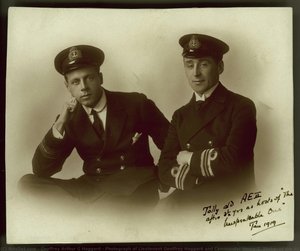
geoffrey arthur g haggard
1888 - 1939 , United Kingdom
Основные сведения
- Artistic Movement Or Style: Post-Impressionism
- Artists Or Movements Influenced By This Artist:
- Expressionism
- Post-Impressionism
- Artists Who Influenced This Artist:
- Eugène Delacroix
- Edgar Degas
- Paul Gauguin
- Date Of Birth: March 30, 1853
- Date Of Death: July 29, 1890
- Full Name: Vincent Willem van Gogh
- Nationality: Dutch
- Notable Artworks:
- Sunflowers
- Bedroom in Arles
- The Starry Night
- Wheatfield with Crows
- Place Of Birth: Ghent, Belgium