

 Предпросмотр
 Поделиться
 Поделиться
 Детали произведения

 Скачать
 Похожие работы
 Рентгенография
 Слайд-шоу
 Статистика
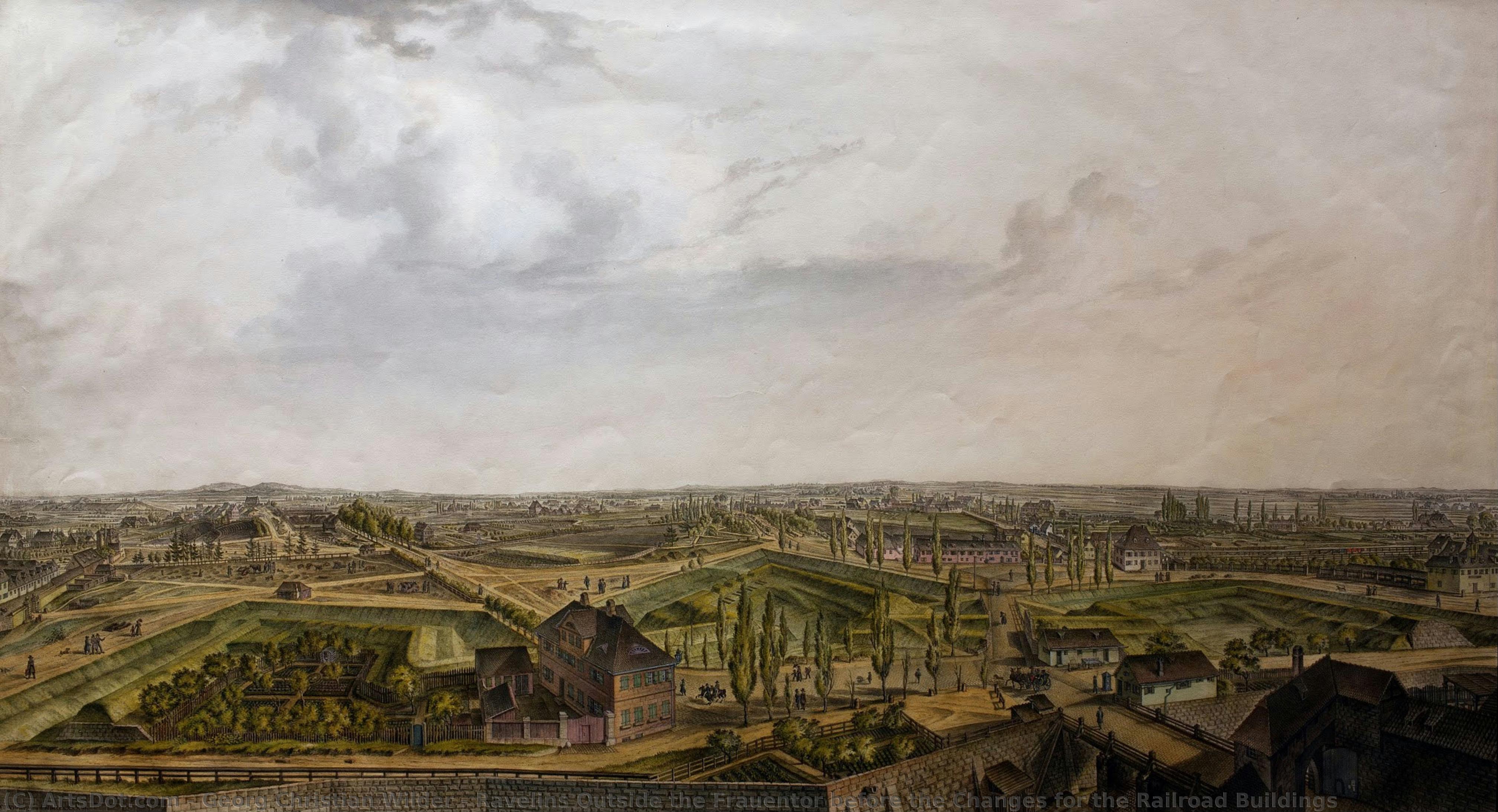
Ravelins Outside the Frauentor before the Changes for the Railroad Buildings


 Читать далее
Жикле / Арт-принт
Печать (жикле) или холст музейного качества с быстрыми сроками изготовления и широким выбором вариантов отделки. ( Купить картину ручной работы Перейти к цифровым изображениям)




































Выберите один из наших стандартных размеров, соответствующих оригинальным пропорциям произведения искусства.

Вы можете указать свои собственные размеры, чтобы репродукция идеально подошла под конкретную раму или пространство. Если выбранный вами размер не будет соответствовать пропорциям оригинала, мы либо обрежем произведение, либо дополним изображение зеркальным отражением краев или однотонной заливкой. Перед началом производства вам будет отправлен цифровой макет для утверждения.
Пожалуйста, обратите внимание, что предварительный просмотр на экране не отображает фактическую обрезку или расширение изображения. Только макет точно покажет финальную композицию.
Несмотря на возможность заказа индивидуальных размеров, мы рекомендуем выбирать размер из предопределенного списка, чтобы сохранить оригинальные пропорции.
Доставка по всему миру () за 2 недели вместо стандартных 4/5 недель. (13 Сентябрь)

Бесплатная экспресс-доставка по всему миру

Высококачественный льняной холст

Полное страхование доставки

Гарантия возмещения таможенных пошлин

Гарантия точного соответствия цветов

100-дневная политика возврата (только при обнаружении дефектов)

Гарантия возврата 100% средств

Предложение оптовых скидок
 Вариант со стеклом доступен только для размеров менее 110 см

Ravelins Outside the Frauentor before the Changes for the Railroad Buildings
Жикле / Арт-принт
Размер репродукции
-


Итоговая стоимость
$ 62
Похожие произведения


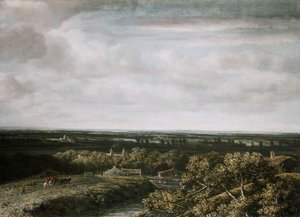
Биография художника
Georg Christian Wilder: A Pioneer of Romantic Landscape and Architectural Documentation
Georg Christian Wilder (1797-1855) stands as a pivotal figure in 19th-century German art, celebrated primarily for his breathtaking depictions of Nuremberg and Franconian Switzerland—landscapes imbued with the spirit of Romanticism—and for his meticulous architectural drawings that meticulously documented the evolving cityscape. Born in Nuremberg, Germany, Wilder’s artistic journey began amidst the burgeoning intellectual fervor of his time, shaping him into a visionary artist deeply attuned to both natural beauty and cultural heritage.Early Life and Artistic Training
Wilder received an exceptional education thanks to his father's influence, attending St Lawrence’s School where he honed his drawing skills before embarking on private tutoring that further nurtured his talent. His formative years were marked by exposure to influential artists like Gustav Philipp Zwinger and Ambrosius Gabler at the Painters’ Academy in Nuremberg, equipping him with foundational knowledge of artistic techniques and stylistic conventions. Notably, Wilder's early engagement with etching—documented in 1811—demonstrated a commitment to precision and detail that would characterize his entire oeuvre.Vienna Years: Romantic Landscape Rediscovery
From 1819 to 1832, Wilder established himself in Vienna, where he became instrumental in reviving interest in the romantic ideals surrounding Nuremberg’s surroundings. He recognized the profound emotional resonance of the old city and Franconian Switzerland—a region transformed by industrial progress—capturing their essence with remarkable sensitivity. This period witnessed a stylistic shift toward topographical realism combined with expressive color palettes, reflecting Wilder's fascination with conveying not merely visual information but also psychological depth.Architectural Documentation: Preserving Nuremberg’s Legacy
Wilder’s artistic legacy rests principally on his groundbreaking architectural drawings—a testament to his dedication to preserving cultural heritage. He meticulously documented the Nuremberg cityscape during King Ludwig I’s reign, producing detailed renderings of buildings and urban spaces that serve as invaluable historical records. His work at St George's Hospital Pathology Museum showcases a passion for scientific observation alongside artistic skill. Wilder’s meticulous approach established him as a pioneer in architectural preservation—a discipline that continues to resonate today.Notable Works and Artistic Achievements
Wilder’s artistic output includes iconic depictions of Nuremberg’s City Hall, the Church of St Lorenz, and Nuremberg Castle—each piece embodying his mastery of landscape painting and architectural illustration. These works are housed in prominent museums across Germany, guaranteeing their enduring presence within the canon of European art history. His contribution to German Romanticism is undeniable, cementing his place as a visionary artist who captured the sublime beauty of his homeland while simultaneously championing the importance of safeguarding its cultural heritage.- Key Influences: Zwinger, Gabler, Reindel – These mentors instilled in Wilder a deep appreciation for classical artistic principles and observational accuracy.
- Signature Style: Romantic Landscape Painting; Topographical Realism; Precise Architectural Drawings
- Historical Significance: Wilder’s work profoundly impacted the preservation movement, establishing Nuremberg as a model of cultural heritage conservation.
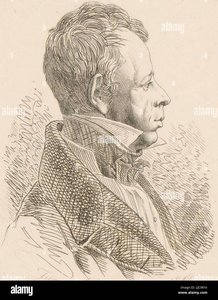
georg christian wilder
1797 - 1855 , Germany
Основные сведения
- Artistic Movement Or Style: Romantic Landscape
- Artists Or Movements Influenced By This Artist: ['Historic Cultural Heritage Preservation']
- Artists Who Influenced This Artist: ['Gustav Philipp Zwinger']
- Date Of Birth: 1797
- Date Of Death: 1855
- Full Name: Georg Christian Wilder
- Nationality: German
- Notable Artworks:
- City Hall
- St Lorenz Church
- Nuremberg Castle
- Place Of Birth: Nuremberg, Germany
Похожие статьи

Evocations of Place: A Historical Journey Through Landscape Art
Explore the rich history of landscape art with ArtsDot. Discover renowned artists, movements like Impressionism & Romanticism, and expert guidance for collecting timeless pieces. Find your perfect serene escape today!

Джон Констебль: 25 шедевров английского пейзажа для вашего интерьера
Погрузитесь в мир английского пейзажа с Джоном Констеблом! 25 шедевров романтизма, история создания картин и вдохновение для вашего интерьера. Репродукции высокого качества на ArtsDot.com – искусство для ценителей.

Романтический пейзаж: 10 шедевров, изменивших искусство | ArtsDot.com
Погрузитесь в мир романтического пейзажа! 10 шедевров Фридриха, Тёрнера и других гениев. Узнайте историю создания культовых картин и вдохновитесь для декора интерьера. Репродукции высокого качества на ArtsDot.com.
Evocations of Place: A Historical Journey Through Landscape Art
Explore the rich history of landscape art with ArtsDot. Discover renowned artists, movements like Impressionism & tonalism, and expert guidance for collecting timeless pieces. Find your perfect serene escape today!
Evoking Nature's Sublime: A Comprehensive Exploration of 19th-Century Landscape Painting
Explore the captivating world of 19th-century landscape painting! Discover renowned artists like Friedrich & Monet, key movements, and find the perfect artwork to bring nature's serenity into your home. Expert insights at ArtsDot.