

 Предпросмотр
 Поделиться
 Поделиться
 Детали произведения

 Скачать
 Похожие работы
 Рентгенография
 Слайд-шоу
 Статистика
Joachim Ulrich Giese
 Oil On Canvas
- WallArt
- Rococo
 1762
1762- Early Modern
 142.0 x 106.0 cm
 Стейтлешские музеи Берлина
 Читать далее
Приобретите цифровое изображение высокого разрешения в улучшенном качестве, которое значительно превосходит онлайн-превью.
Каждый файл тщательно подготавливается нашими специалистами с использованием передовых инструментов и экспертной ручной ретуши. Мы гарантируем исключительную четкость, точную цветопередачу и детальную проработку каждого изображения.
Финальный файл доставляется по электронной почте в течение 72 часов и оптимизирован для немедленного использования в профессиональной среде, при верстке и печати. Это тот же уровень качества, которому доверяют ведущие дизайнерские студии, издательства и галереи.
Цифровое изображение
Скачайте файл высокого разрешения для личного использования, печати и творческих проектов. ( Перейти к печати Купить картину ручной работы)
Включено в каждый заказ цифровых изображений
Гарантия экспертной цифровой доставки
Выбирая ArtsDot.com, вы получаете не просто изображение — вы приобретаете профессионально обработанное цифровое произведение искусства, созданное с безупречной точностью и под защитой гарантии качества. Вот всё, что автоматически входит в ваш заказ:

Мгновенная доставка по e-mail
Ваш цифровой файл в высоком разрешении будет отправлен вам по электронной почте в течение 72 часов после оформления заказа — и сразу станет доступен для использования.

Цифровой файл с ИИ-улучшением
Ваше произведение искусства проходит профессиональную оптимизацию с использованием передовых инструментов ИИ и ручной обработки, что гарантирует максимальную детализацию, четкость и точность цветопередачи.

Бессрочная бесплатная повторная доставка
Случайно удалили или потеряли файл? Не беспокойтесь — мы отправим его вам повторно в любое время и совершенно бесплатно.

Без импортных пошлин — навсегда
Наслаждайтесь вашим произведением искусства мгновенно без таможенных пошлин, сборов или затрат на доставку — цифровые загрузки всегда не облагаются налогом.

Гарантия точности цветопередачи
Мы гарантируем, что ваше цифровое изображение максимально точно передает оригинальные цвета благодаря использованию профессиональных инструментов и систем управления цветом.

Гарантия удовлетворенности 100 дней
Если вы не будете удовлетворены своим цифровым изображением, мы внесем правки или вернем 100% стоимости в течение 100 дней — без лишних вопросов.

100% Гарантия возврата средств
Не удовлетворены покупкой? Получите полный возврат средств в течение 100 дней после получения цифрового файла — без лишних вопросов.

Скидки на оптовые заказы
Купите 3 изображения, сэкономьте 10% — Купите 5, сэкономьте 15% — Купите 10+, сэкономьте 20%. Отличное решение для творческих проектов, галерей и агентств.
The Aura of Enlightenment: A Rococo Portrait
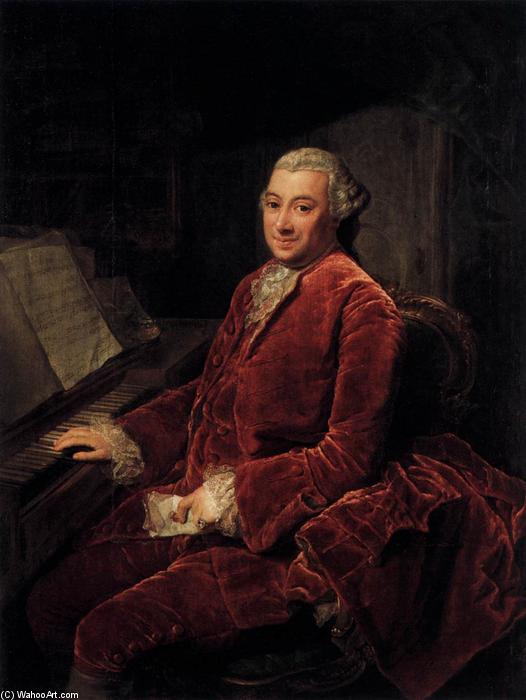
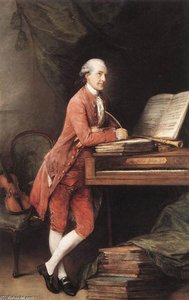
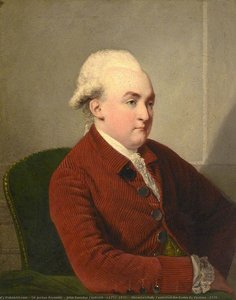
To gaze upon this portrait of Joachim Ulrich Giese is to step directly into the gilded salons of 18th-century Berlin. Painted in 1762 by Georg David Matthieu, the work transcends a mere likeness; it is a carefully constructed tableau of intellectual refinement and aristocratic grace. The very air surrounding the subject seems imbued with the delicate exuberance characteristic of the Rococo period. Everything about the composition whispers of an era that celebrated wit, leisure, and cultivated taste. Notice how the artist has captured not just the man, but his entire social standing—a confluence of wealth, learning, and fashionable sensibility.
Mastery in Technique and Detail
Matthieu’s technical prowess is immediately apparent upon closer inspection. The handling of light and shadow is nothing short of masterful; it sculpts the figure from the surrounding darkness, granting a profound sense of three-dimensionality that breathes life into the canvas. Observe the exquisite rendering of the red velvet coat, its rich texture contrasting sharply with the pristine white lace cuffs. These details are not incidental; they are meticulously painted signifiers of status. Furthermore, the subtle modeling of flesh and fabric speaks to an artist deeply versed in the traditions of portraiture, allowing the viewer's eye to wander across surfaces that seem almost tactile.
Symbolism of Study and Contemplation
The setting itself contributes significantly to the narrative weight of the piece. Seated at a desk with an open book before him, Joachim Ulrich Giese is presented as a man of intellect. The book serves as a potent symbol—a quiet testament to curiosity, scholarship, and the pursuit of knowledge that defined the enlightened gentleman. Yet, his gaze, directed thoughtfully off to the side rather than meeting the viewer's eye, suggests a mind preoccupied with thoughts beyond the immediate moment. It invites us, the observers, into a shared space of contemplation, making the portrait deeply engaging on an emotional level.
A Touch of Rococo Elegance for Modern Spaces
For those seeking to infuse a room with historical depth and unparalleled elegance, this reproduction offers a breathtaking focal point. The inherent lightness and sophisticated drama of the Rococo style—that perfect balance between formality and playful artistry—makes it versatile enough to grace both a formal drawing-room or a library dedicated to quiet study. Owning a piece echoing Matthieu’s vision is not merely decorating; it is curating an atmosphere steeped in history, refinement, and enduring artistic beauty.
Похожие произведения
Биография художника
Jean Baptiste Vanmour: A Painter of the Sublime and the Exotic
Born in Valenciennes, France, in 1671, Jean Baptiste Vanmour’s life was a tapestry woven across continents – from the bustling streets of Paris to the opulent courts of Constantinople. While often overshadowed by his contemporaries, Vanmour carved out a distinctive artistic niche, blending meticulous detail with an evocative sense of drama and a fascination with both classical antiquity and the exotic landscapes of the East. His career spanned nearly seven decades, marked by a remarkable adaptability and a willingness to embrace diverse subject matter, ultimately establishing him as one of the most significant landscape painters of his era.
Vanmour’s early artistic training remains somewhat shrouded in mystery, though it's believed he began his apprenticeship under the renowned painter, Nicolas-Joseph Patelin. This foundation instilled in him a classical sensibility – a deep understanding of composition, perspective, and the idealized beauty of the human form. However, Vanmour quickly transcended mere imitation, developing a unique style characterized by an almost obsessive attention to detail and a masterful use of light and shadow. His early works often depicted scenes from mythology and history, showcasing his technical skill but hinting at a growing desire for something more – a connection with the natural world.
The Eastern Influence: Constantinople and Beyond
A pivotal moment in Vanmour’s career arrived in 1736 when he journeyed to Constantinople, then the capital of the Ottoman Empire. This move proved transformative, profoundly shaping his artistic vision and subject matter. The vibrant colors, dramatic lighting, and exotic flora and fauna of the East captivated him, inspiring a series of paintings that celebrated the splendor and mystery of this distant land. He became intimately familiar with the city’s architecture, its bustling markets, and its diverse population, capturing these scenes with remarkable accuracy and an undeniable sense of wonder.
- Landscapes of the Sublime: Vanmour's landscapes weren’t simply depictions of scenery; they were imbued with a profound sense of drama and grandeur. He frequently chose dramatic vistas – towering mountains, vast plains, and turbulent rivers – to evoke feelings of awe and contemplation.
- Oriental Details: His paintings are replete with meticulously rendered details—the intricate patterns of Persian carpets, the shimmering surfaces of mosques, the vibrant hues of exotic flowers—creating a rich tapestry of sensory experience.
- Portraits of Ottoman Dignitaries: Vanmour also produced numerous portraits of Ottoman officials and dignitaries, skillfully capturing their personalities and status through subtle gestures and carefully chosen attire.
Technique and Style: A Synthesis of Classical and Eastern Traditions
Vanmour’s artistic style represents a fascinating synthesis of classical and oriental influences. He retained the rigorous compositional principles learned from his training in France, employing techniques of aerial perspective and chiaroscuro to create depth and atmosphere. However, he infused these elements with a distinctly eastern sensibility—a heightened awareness of color, texture, and the interplay of light and shadow. His brushwork was often loose and expressive, conveying a sense of movement and spontaneity that contrasted sharply with the more formal style of his contemporaries.
He was particularly adept at capturing the effects of light on water, creating shimmering reflections and dynamic ripples that brought his landscapes to life. His use of color was equally remarkable—he employed a wide range of hues, often layering them to create complex and luminous surfaces. Vanmour’s meticulous attention to detail extended beyond mere representation; he sought to capture the *essence* of each subject, imbuing his paintings with a sense of emotional resonance.
Legacy and Influence
Jean Baptiste Vanmour died in Constantinople in 1778, leaving behind a substantial body of work that continues to fascinate art historians and collectors today. While he never achieved widespread fame during his lifetime, his paintings are now recognized as masterpieces of the late Baroque and early Rococo periods. His influence can be seen in the works of later landscape painters who were inspired by his dramatic compositions, his masterful use of color, and his fascination with the exotic East.
His work is particularly valued for its ability to transport the viewer to distant lands—to the sun-drenched plains of Persia, the majestic mountains of Turkey, and the bustling streets of Constantinople. Vanmour’s paintings are not merely representations of scenery; they are windows into a world of beauty, mystery, and adventure – a testament to the enduring power of art to transcend time and place.
Further Resources
georg david matthieu
1737 - 1778 , Germany
Основные сведения
- Artistic Movement Or Style: Painter
- Artists Who Influenced This Artist: ['None],\n "Artists or movements influenced by this artist": [Hackert, Jacob Philipp']
- Date Of Birth: January 9, 1671
- Date Of Death: January 22, 1737
- Full Name: Jean Baptiste Vanmour
- Nationality: French
- Notable Artworks: ['Various landscapes and portraits']
- Place Of Birth: Valenciennes, France