

 Предпросмотр
 Поделиться
 Поделиться
 Детали произведения

 Скачать
 Похожие работы
 Рентгенография
 Слайд-шоу
 Статистика
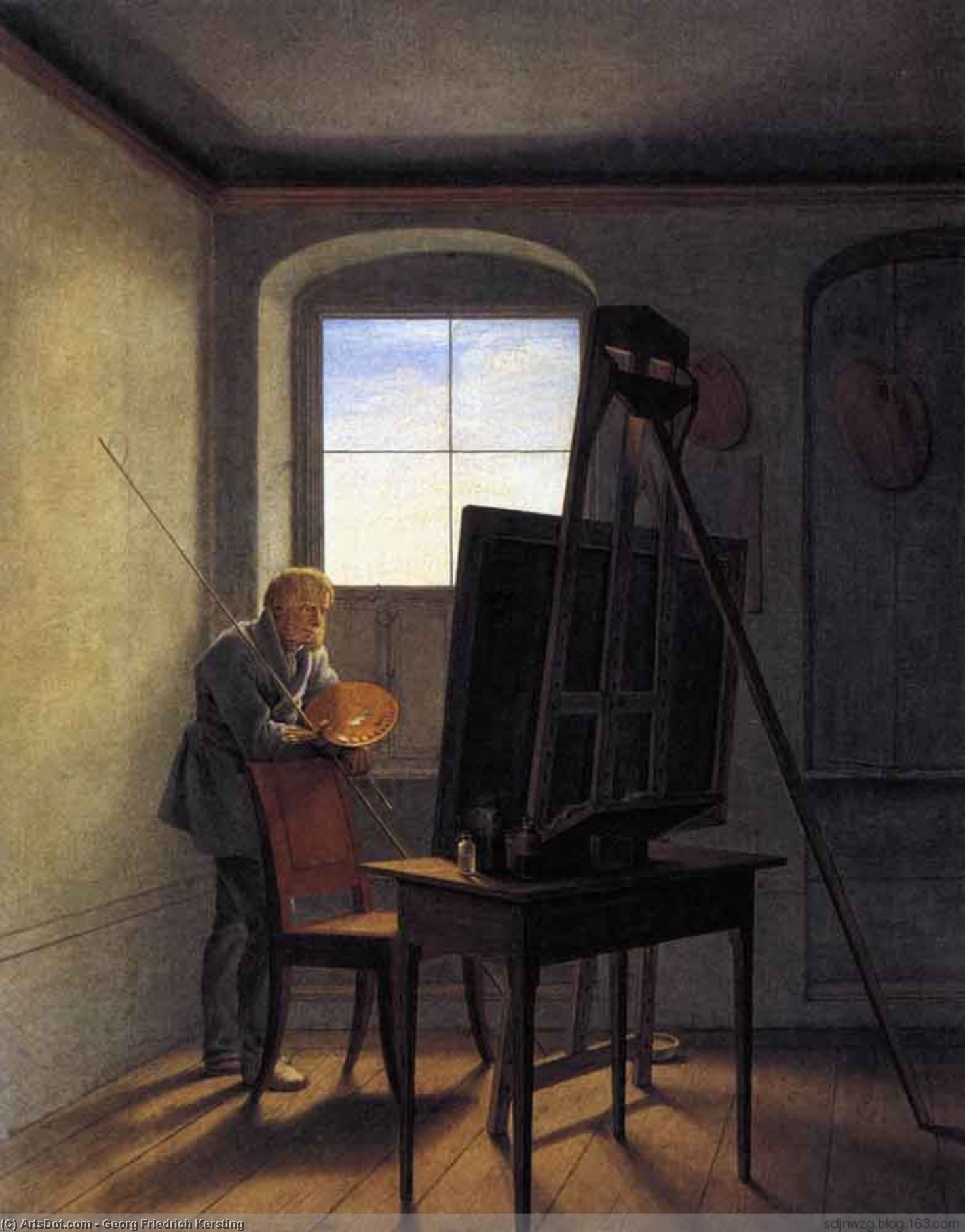
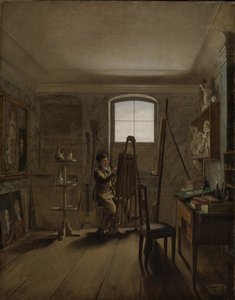
Caspar David Friedrich in his Studio
 Acrylic On Canvas
- WallArt
- Romanticism
 1812
1812 51.0 x 40.0 cm
 Национальная галерея
 Читать далее
Приобретите цифровое изображение высокого разрешения в улучшенном качестве, которое значительно превосходит онлайн-превью.
Каждый файл тщательно подготавливается нашими специалистами с использованием передовых инструментов и экспертной ручной ретуши. Мы гарантируем исключительную четкость, точную цветопередачу и детальную проработку каждого изображения.
Финальный файл доставляется по электронной почте в течение 72 часов и оптимизирован для немедленного использования в профессиональной среде, при верстке и печати. Это тот же уровень качества, которому доверяют ведущие дизайнерские студии, издательства и галереи.
Цифровое изображение
Скачайте файл высокого разрешения для личного использования, печати и творческих проектов. ( Перейти к печати Купить картину ручной работы)
Включено в каждый заказ цифровых изображений
Гарантия экспертной цифровой доставки
Выбирая ArtsDot.com, вы получаете не просто изображение — вы приобретаете профессионально обработанное цифровое произведение искусства, созданное с безупречной точностью и под защитой гарантии качества. Вот всё, что автоматически входит в ваш заказ:

Мгновенная доставка по e-mail
Ваш цифровой файл в высоком разрешении будет отправлен вам по электронной почте в течение 72 часов после оформления заказа — и сразу станет доступен для использования.

Цифровой файл с ИИ-улучшением
Ваше произведение искусства проходит профессиональную оптимизацию с использованием передовых инструментов ИИ и ручной обработки, что гарантирует максимальную детализацию, четкость и точность цветопередачи.

Бессрочная бесплатная повторная доставка
Случайно удалили или потеряли файл? Не беспокойтесь — мы отправим его вам повторно в любое время и совершенно бесплатно.

Без импортных пошлин — навсегда
Наслаждайтесь вашим произведением искусства мгновенно без таможенных пошлин, сборов или затрат на доставку — цифровые загрузки всегда не облагаются налогом.

Гарантия точности цветопередачи
Мы гарантируем, что ваше цифровое изображение максимально точно передает оригинальные цвета благодаря использованию профессиональных инструментов и систем управления цветом.

Гарантия удовлетворенности 100 дней
Если вы не будете удовлетворены своим цифровым изображением, мы внесем правки или вернем 100% стоимости в течение 100 дней — без лишних вопросов.

100% Гарантия возврата средств
Не удовлетворены покупкой? Получите полный возврат средств в течение 100 дней после получения цифрового файла — без лишних вопросов.

Скидки на оптовые заказы
Купите 3 изображения, сэкономьте 10% — Купите 5, сэкономьте 15% — Купите 10+, сэкономьте 20%. Отличное решение для творческих проектов, галерей и агентств.
A Moment of Contemplation: Caspar David Friedrich in His Studio by Georg Friedrich Kersting
The year is 1812, and within the quiet confines of a Dresden studio, Georg Friedrich Kersting captures a scene both intimate and profoundly symbolic – Caspar David Friedrich at work. This remarkable painting, now housed in the Alte Nationalgalerie in Berlin, isn’t merely a portrait; it's a window into the creative process itself, a visual meditation on inspiration, solitude, and the artist’s relationship with his subject matter. Kersting, a meticulous observer and skilled Biedermeier painter, masterfully avoids grand pronouncements or dramatic displays, instead opting for a subtle yet powerful depiction of Friedrich immersed in his craft.
The composition immediately draws the eye to Friedrich himself, positioned slightly off-center within the room. He’s not actively painting—his back is turned to the viewer—but rather leaning against the easel, a thoughtful expression etched on his face. His posture suggests a deep absorption, a state of reverent concentration where the external world fades away and the inner landscape takes precedence. The artist's hand rests lightly upon a mahlstick (a tool used to apply pigment), hinting at the delicate control required in creating such evocative imagery. Kersting’s attention to detail is remarkable; each brushstroke, each subtle shift in light and shadow, contributes to the overall sense of quiet intensity.
The Studio as Sanctuary
Kersting's choice of setting is crucial to understanding the painting’s deeper meaning. The studio itself is remarkably spare – almost monastic in its simplicity. Minimalist furniture—two chairs and a bare table—provides only the most basic necessities, while the walls are adorned with nothing more than a t-square, a tool representing precision and geometric order. This deliberate lack of ornamentation underscores Friedrich’s dedication to his art, suggesting that true creativity thrives not in opulent surroundings but within the confines of focused contemplation. The absence of distractions—no scattered sketches, no overflowing palettes—reinforces the idea that this is a space consecrated solely to the pursuit of artistic vision.
Notably, Kersting cleverly obscures the view from the window, partially blocking it with the easel and its backrest. This strategic choice isn’t accidental; it symbolizes Friedrich's detachment from the external world, his preference for drawing inspiration not from direct observation but from the depths of his own imagination. As Carl Gustav Carus, a contemporary art critic, observed, Friedrich believed that “such aids chill the imagination somewhat,” and Kersting visually embodies this philosophy by concealing the landscape beyond the window.
Symbolism and Romantic Ideals
The painting resonates deeply with the core tenets of the Romantic movement. Friedrich’s solitary figure, lost in his creative process, represents the Romantic ideal of the individual artist as a visionary, attuned to the sublime beauty of nature and driven by an inner spiritual quest. The muted palette—dominated by browns, grays, and subtle greens—evokes a sense of melancholy and introspection, mirroring the emotional intensity characteristic of Romantic art. The t-square, with its association with order and reason, provides a counterpoint to this emotional depth, suggesting the artist’s struggle to reconcile his inner world with the rational constraints of artistic technique.
A Legacy of Intimacy
Kersting's portrait offers a rare glimpse into the private world of one of Germany’s most celebrated Romantic painters. It’s not a grand historical scene or a dramatic self-portrait, but rather a quiet, intimate portrayal of an artist at work—a testament to the power of observation, contemplation, and the enduring allure of artistic creation. The painting's continued appeal lies in its ability to evoke a sense of shared experience – a recognition that within each of us resides a creative spirit yearning for expression, a moment of solitude where we can connect with our inner selves and translate those feelings into something beautiful.
Похожие произведения
Биография художника
The Quiet Observer: The Life and Legacy of Georg Friedrich Kersting
In the grand tapestry of German Romanticism, where dramatic peaks and tempestuous skies often dominate the visual narrative, there exists a more intimate, whispered beauty found in the works of Georg Friedrich Kersting. Born in 1785 in the modest village of Gostendorf to a glazier, Kersting’s journey from humble beginnings to the heights of Prussian artistic prestige is a testament to a life dedicated to the profound observation of the everyday. His early training at the Copenhagen Academy between 1805 and 1808 provided him with a foundation of stylistic clarity and meticulous draughtsmanship, earning him a silver medal and instilling in him a precision that would become his artistic hallmark.
Kersting’s life was not merely one of quiet studio contemplation; it was deeply intertwined with the turbulent political currents of his era. Upon moving to Dresden in 1808, he joined the Lützow Free Corps, a patriotic volunteer unit, embodying the spirit of national reform and service. This period of military involvement likely sharpened his eye for detail and human character, experiences that would later inform the psychological depth found in his paintings. It was during this era that he forged one of the most significant artistic bonds of the nineteenth century through his relationship with Caspar David Friedrich. Walking together through the rugged landscapes of the Riesengebirge, Kersting acted as both a companion and a collaborator, producing preparatory drawings that would serve as vital inspirations for Friedrich’s more monumental, sublime landscapes.
The Art of the Intimate: Style and Technique
While his mentor, Friedrich, sought to capture the infinite and the divine through overwhelming natural phenomena, Kersting found his calling in the Biedermeier tradition—a style characterized by a retreat into the domestic, the cozy, and the tranquil. He mastered the genre of interior scenes, transforming simple rooms into stages for quiet human drama. His technique was a sophisticated blend of Romantic sensitivity and a reverence for the seventeenth-century Dutch masters. By employing subtle nuances of light and color, Kersting could breathe life into a sunlit corner or a shadowed study, imbuing domesticity with a sense of dignity and timelessness.
His work is defined by several key artistic elements:
- Meticulous Realism: A dedication to the precise rendering of textures, from the grain of wooden furniture to the soft folds of fabric.
- Psychological Depth: The ability to capture fleeting moments of contemplation or quiet interaction, suggesting a rich inner life within his subjects.
- Luminous Atmosphere: A masterful use of light to create a sense of warmth and peace, often focusing on the way natural light enters a domestic space.
- The Beauty of the Ordinary: An elevated focus on everyday objects and scenes, finding profound meaning in the mundane aspects of life.
Historical Significance and Artistic Endurance
The historical importance of Georg Friedrich Kersting lies in his ability to bridge the gap between the sweeping emotionalism of Romanticism and the grounded, observational realism of the Biedermeier period. He provided a necessary counterpoint to the era's more grandiose movements, offering a window into the soul of the German middle class and the sanctity of the private sphere. His collaborations and his ability to translate the spirit of his time into intimate visual poetry ensure his place as a vital figure in European art history.
Through his paintings, Kersting invites us to slow our pace and find wonder in the stillness. He reminds us that greatness is not only found in the epic or the extraordinary, but in the quiet, light-filled moments of our shared human experience. His legacy remains a profound celebration of the beauty found within the boundaries of the home and the heart.
Georg Friedrich Kersting
1785 - 1847 , Germany
Основные сведения
- Artistic Movement Or Style: Biedermeier
- Artists Or Movements Influenced By This Artist: Dutch Genre Painting
- Artists Who Influenced This Artist: Caspar David Friedrich
- Date Of Birth: October 31, 1785
- Date Of Death: July 1, 1847
- Full Name: Georg Friedrich Kersting
- Nationality: German
- Notable Artworks:
- The Embroiderer
- Morning in the Riesengebirge
- Place Of Birth: Göstendorf, Germany