

 Предпросмотр
 Поделиться
 Поделиться
 Детали произведения

 Скачать
 Похожие работы
 Рентгенография
 Слайд-шоу
 Статистика
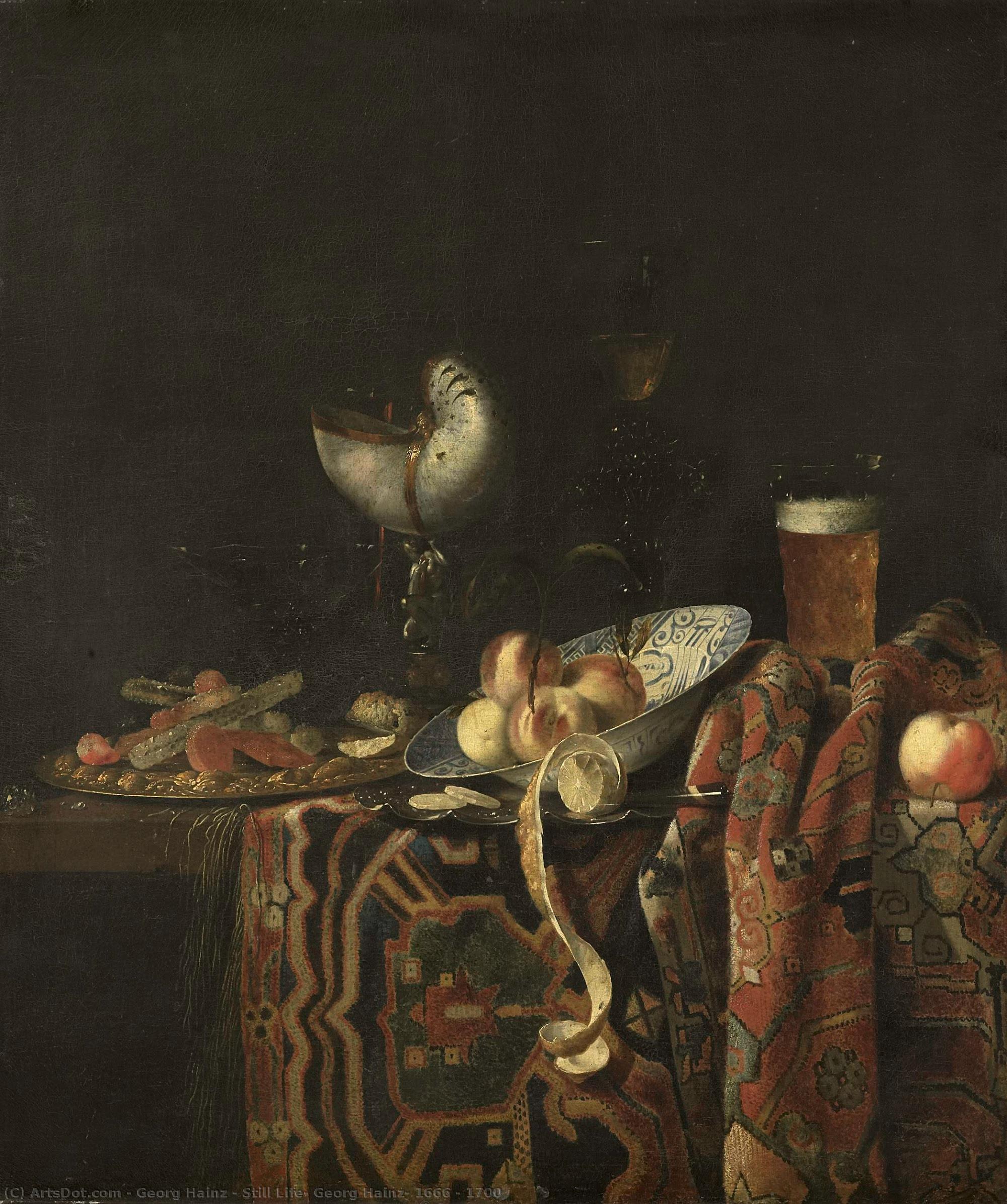
Still Life, Georg Hainz, 1666 - 1700
 1700
1700 113.0 x 95.0 cm
 Читать далее
Масляная репродукция ручной работы
Картина маслом на холсте в выбранном вами размере и раме, написанная на заказ нашими художниками. ( Перейти к печати Перейти к цифровым изображениям)




































Выберите один из наших стандартных размеров, соответствующих оригинальным пропорциям произведения искусства.

Вы можете указать собственные размеры, чтобы картина идеально вписалась в выбранную раму или пространство. Если выбранный вами размер не соответствует пропорциям оригинала, мы либо обрежем полотно, либо расширим его за счет дополнительных элементов, написанных вручную. Цифровой макет будет отправлен вам на утверждение перед началом производства.
Обратите внимание, что предварительный просмотр на экране не отражает фактическую обрезку или расширение. Только макет точно покажет окончательную композицию.
Хотя доступны индивидуальные размеры, мы рекомендуем выбирать вариант из предопределенного списка, чтобы сохранить исходные пропорции.
После оформления заказа команда ArtsDot.com свяжется с клиентом по электронной почте для уточнения деталей и предоставит предварительный макет
Доставка по всему миру () за 3–4 недели вместо стандартных 5 недель. (13 Сентябрь). Без компромиссов в качестве.

Бесплатная экспресс-доставка по всему миру

Высококачественный льняной холст

Полное страхование доставки

Гарантия возмещения таможенных пошлин

Гарантия точного соответствия цветов

100-дневная политика возврата (только при обнаружении дефектов)

Гарантия возврата 100% средств

Предложение оптовых скидок
 Вариант со стеклом доступен только для размеров менее 110 см

Still Life, Georg Hainz, 1666 - 1700
Техника репродукции
Размер репродукции
-


Итоговая стоимость
$ 263
Похожие произведения





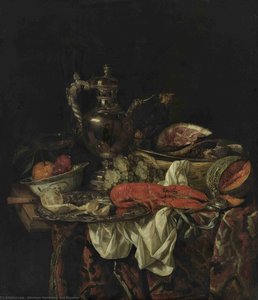

Биография художника
The Master of Material Splendor: The Life and Legacy of Georg Hainz
In the heart of the seventeenth century, as the mercantile pulse of Northern Germany began to beat with newfound prosperity, a singular talent emerged to capture the fleeting beauty of the material world. Georg Johann Hainz, born around 1630 in the vibrant artistic enclave of Altona, stands as a pivotal figure in the North German Baroque. His life and work serve as a window into an era defined by both immense wealth and a profound, melancholic awareness of mortality. Moving through the cultural corridors of Hamburg, Hainz established himself not merely as a painter, but as a visual poet capable of transforming inanimate objects into a complex narrative of human existence.
Hainz’s artistic journey was deeply rooted in the stylistic currents flowing from the Dutch Golden Age. His early training under Johannes Herman Dessler provided him with a rigorous foundation, exposing him to the meticulous traditions of masters like Willem Kalf and Cornelis Gijsbrecht van Bronkhorst. From these influences, Hainz inherited an unwavering commitment to realism and a fascination with the interplay of light and shadow. This education allowed him to master the pronkstilleven—the lavish still life—a genre that demanded an extraordinary ability to render diverse textures, from the cold sheen of silver to the delicate, translucent skin of a ripening peach.
A Symphony of Light and Texture
To encounter a work by Hainz is to be invited into a sensory experience. His compositions are often characterized by a breathtaking density, where objects are arranged with both calculated precision and an organic sense of abundance. In his celebrated Cabinets of Curiosities, the viewer is confronted with a treasure trove of global wonders: gleaming jewelry, exotic porcelain, and intricate nautilus cups. He possessed a rare technical brilliance, utilizing oil glazes to sculpt surfaces with light. One can almost feel the rough patina of aged metal or the cool, smooth curve of an imported dish as his brushwork captures every specular highlight and deep, velvety shadow.
Beyond the mere display of wealth, Hainz’s work is imbued with a profound symbolic depth. He was a master of the Vanitas tradition, weaving subtle reminders of the ephemeral nature of life into his displays of opulence. Within a single frame, a luxurious Persian rug might lie beneath a peeled lemon—its bright acidity contrasting with the inevitable decay it represents—or an aged skull might rest near a shimmering gold-plated dish. This duality creates a tension that is central to his art: the celebration of earthly achievement and the somber memento mori that reminds us all of the passage of time.
Historical Significance and Artistic Lineage
The impact of Georg Hainz extended far beyond his own canvases. As a prominent figure in Hamburg’s flourishing artistic scene, he became a cornerstone of the local Baroque movement. His versatility allowed him to navigate various commissions, ranging from intimate portraits to grand decorative murals, demonstrating an adaptability that secured his patronage among the era's influential noble families and merchant elites. Furthermore, his role as a mentor helped shape the next generation of North German painters; historical records suggest he may have taught artists such as Christian Berentz and potentially Franz Werner von Tamm.
Though his name is sometimes found in historical texts as Heintz or Hinz, his legacy remains unmistakable. He bridged the gap between the Dutch aesthetic and a distinct North German sensibility, creating a body of work that remains as captivating today as it was in the seventeenth century. Through his meticulous attention to detail and his ability to find the spiritual within the material, Georg Hainz ensured that the fleeting splendors of his age would be preserved in eternal, luminous oil.
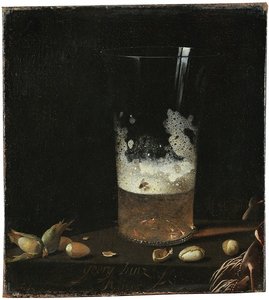
georg hainz
1630 - 1700 , Germany
Основные сведения
- Artistic Movement Or Style: Dutch Still Life Tradition
- Artists Or Movements Influenced By This Artist: ['Floris Jansz. van Sauvegarde']
- Artists Who Influenced This Artist: ['Willem Kalf']
- Date Of Birth: ca. 1630
- Date Of Death: 1688
- Full Name: Georg Johann Hainz
- Nationality: German
- Notable Artworks: ['Still Life with carved Ivory Ewer']
- Place Of Birth: Altona, Germany