


 Предпросмотр
 Поделиться
 Поделиться
 Детали произведения

 Скачать
 Похожие работы
 Рентгенография
 Слайд-шоу
 Статистика
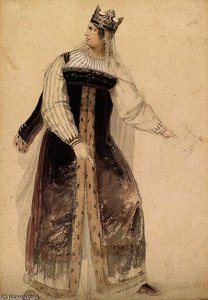
Journal des Luxus und der Moden, plate 23
 Neoclassicism
 1793
1793 19.0 x 11.0 cm
 Читать далее
Приобретите цифровое изображение высокого разрешения в улучшенном качестве, которое значительно превосходит онлайн-превью.
Каждый файл тщательно подготавливается нашими специалистами с использованием передовых инструментов и экспертной ручной ретуши. Мы гарантируем исключительную четкость, точную цветопередачу и детальную проработку каждого изображения.
Финальный файл доставляется по электронной почте в течение 72 часов и оптимизирован для немедленного использования в профессиональной среде, при верстке и печати. Это тот же уровень качества, которому доверяют ведущие дизайнерские студии, издательства и галереи.
Цифровое изображение
Скачайте файл высокого разрешения для личного использования, печати и творческих проектов. ( Перейти к печати Купить картину ручной работы)
Включено в каждый заказ цифровых изображений
Гарантия экспертной цифровой доставки
Выбирая ArtsDot.com, вы получаете не просто изображение — вы приобретаете профессионально обработанное цифровое произведение искусства, созданное с безупречной точностью и под защитой гарантии качества. Вот всё, что автоматически входит в ваш заказ:

Мгновенная доставка по e-mail
Ваш цифровой файл в высоком разрешении будет отправлен вам по электронной почте в течение 72 часов после оформления заказа — и сразу станет доступен для использования.

Цифровой файл с ИИ-улучшением
Ваше произведение искусства проходит профессиональную оптимизацию с использованием передовых инструментов ИИ и ручной обработки, что гарантирует максимальную детализацию, четкость и точность цветопередачи.

Бессрочная бесплатная повторная доставка
Случайно удалили или потеряли файл? Не беспокойтесь — мы отправим его вам повторно в любое время и совершенно бесплатно.

Без импортных пошлин — навсегда
Наслаждайтесь вашим произведением искусства мгновенно без таможенных пошлин, сборов или затрат на доставку — цифровые загрузки всегда не облагаются налогом.

Гарантия точности цветопередачи
Мы гарантируем, что ваше цифровое изображение максимально точно передает оригинальные цвета благодаря использованию профессиональных инструментов и систем управления цветом.

Гарантия удовлетворенности 100 дней
Если вы не будете удовлетворены своим цифровым изображением, мы внесем правки или вернем 100% стоимости в течение 100 дней — без лишних вопросов.

100% Гарантия возврата средств
Не удовлетворены покупкой? Получите полный возврат средств в течение 100 дней после получения цифрового файла — без лишних вопросов.

Скидки на оптовые заказы
Купите 3 изображения, сэкономьте 10% — Купите 5, сэкономьте 15% — Купите 10+, сэкономьте 20%. Отличное решение для творческих проектов, галерей и агентств.
Похожие произведения
Биография художника
Georg Melchior Kraus (1737–1806): A Weimar Pioneer
Georg Melchior Kraus (1737–1806) stands as a pivotal figure in German art history, particularly recognized for his contribution to the Weimar School and his enduring friendship with Johann Wolfgang Goethe. Born in Frankfurt am Main, he emerged from humble beginnings—the sixth child of Cornelia Krauser née Paulsen and Johann Georg Krauser—who operated the “Zur Weissen Schlangen” hotel in Frankfurt’s Sandgasse. Despite facing significant hardship early in life due to the premature deaths of five siblings, Kraus possessed an unwavering determination that propelled him toward artistic excellence and intellectual engagement. His formative years were spent studying under Johann Heinrich Tischbein the Elder at the court of Frederick II of Saxe Weimar and Eisenach, absorbing the stylistic precepts of Baroque painting and honing his observational skills. This exposure proved invaluable as he embarked on a Parisian sojourn in 1762–63, immersing himself in the vibrant artistic milieu of Enlightenment France and collaborating with luminaries like Jean-Baptiste Greuze. It was during this period that Kraus cultivated an influential connection with Goethe, forging a bond that would shape both their artistic careers and intellectual dialogues for decades to come. Kraus’s artistic output spanned diverse mediums—paintings, etchings, and architectural designs—reflecting his versatility as an artist and his keen understanding of contemporary tastes. Notably, he established the Fürstliche Freie Zeichenschule Weimar (Royal Free Drawing School) in 1776 alongside Friedrich Justin Bertuch, fostering a new generation of artists committed to Neoclassical ideals. This institution became a cornerstone of Weimar’s cultural landscape and cemented Kraus's legacy as a champion of artistic innovation and educational reform. Among his most celebrated works are depictions of biblical scenes—particularly “The Annunciation”—characterized by meticulous detail and expressive dynamism, demonstrating Kraus’s mastery of chiaroscuro and compositional balance. However, it is perhaps his engravings that garnered him enduring recognition. His prints captured the spirit of Weimar society with remarkable accuracy, portraying portraits of prominent figures like Goethe and Friedrich Schiller alongside scenes from daily life—a testament to his ability to convey emotion and narrative through visual language. A particularly striking example is “Journal des Luxus und der Moden,” plate 23 (1793), showcasing Kraus’s skill in capturing the elegance and sophistication of the era. The artwork portrays a woman adorned in opulent attire, meticulously rendered with delicate etching techniques—a masterful demonstration of Kraus's technical prowess. Furthermore, his involvement in architectural projects, notably the Pulverturm and Johannistor in Jena (completed in 1792), underscores his broader engagement with shaping the visual environment of Weimar’s intellectual capital. Kraus’s artistic legacy extends beyond individual masterpieces; he profoundly influenced the development of Weimar’s artistic culture and established a tradition of scholarly painting that endured for generations. His unwavering dedication to artistic excellence, coupled with his friendship with Goethe—a relationship marked by mutual admiration and collaborative creativity—solidifies Kraus's place as one of Germany’s most important artists of the eighteenth century.
georg melchior kraus
1737 - 1806
Основные сведения
- Artistic Movement Or Style: Neoclassicism
- Artists Or Movements Influenced By This Artist: ['Goethe']
- Artists Who Influenced This Artist: ['Johann Heinrich Tischbein']
- Date Of Birth: 1737
- Full Name: Georg Melchior Kraus
- Nationality: German
- Notable Artworks:
- A Family at Table
- Journal des Luxus und der Moden, plate 23
- Place Of Birth: Frankfurt am Main, Germany