

 Предпросмотр
 Поделиться
 Поделиться
 Детали произведения

 Скачать
 Похожие работы
 Рентгенография
 Слайд-шоу
 Статистика
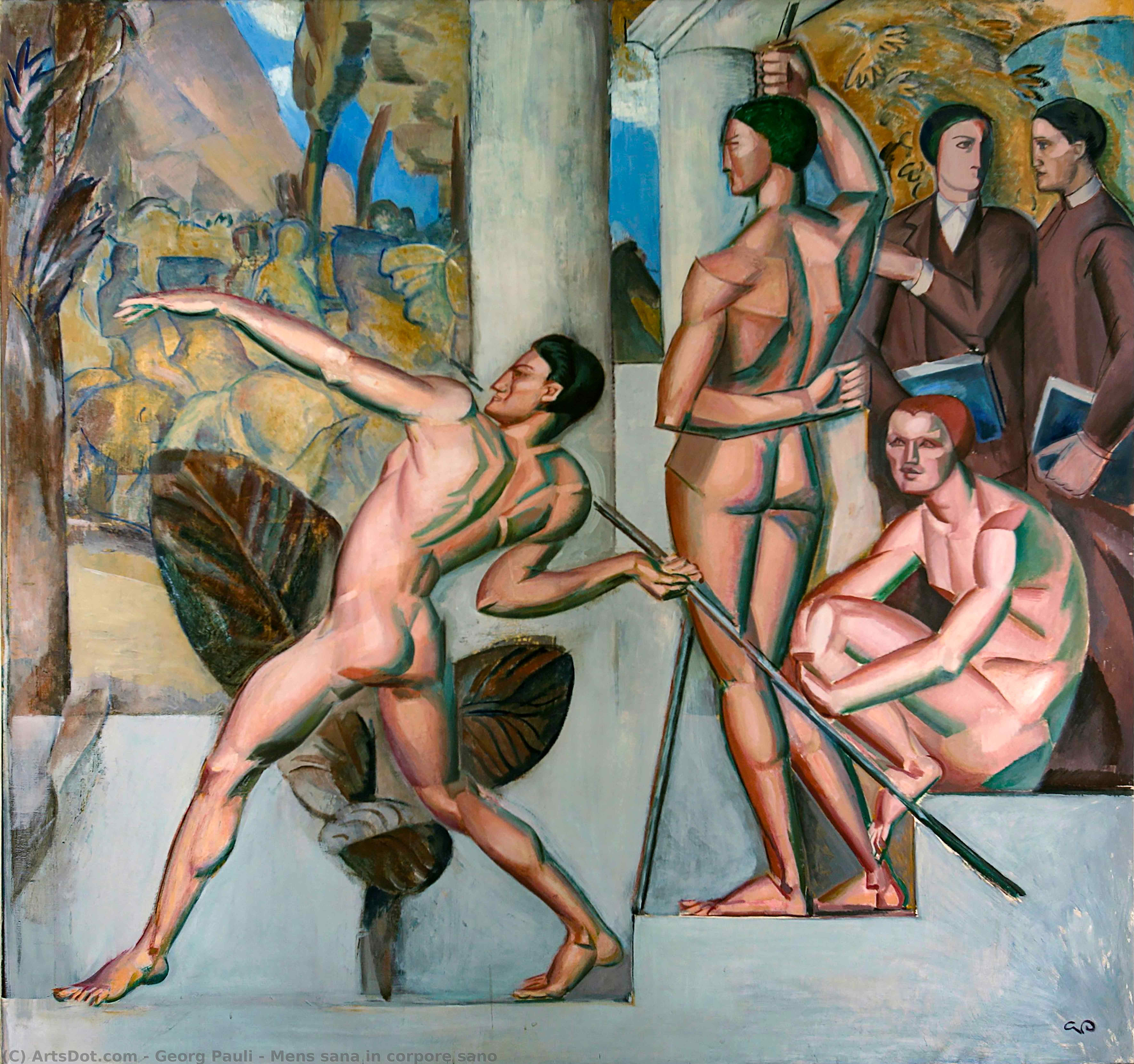
Mens sana in corpore sano
 1912
1912 196.0 x 187.0 cm
 Читать далее
Приобретите цифровое изображение высокого разрешения в улучшенном качестве, которое значительно превосходит онлайн-превью.
Каждый файл тщательно подготавливается нашими специалистами с использованием передовых инструментов и экспертной ручной ретуши. Мы гарантируем исключительную четкость, точную цветопередачу и детальную проработку каждого изображения.
Финальный файл доставляется по электронной почте в течение 72 часов и оптимизирован для немедленного использования в профессиональной среде, при верстке и печати. Это тот же уровень качества, которому доверяют ведущие дизайнерские студии, издательства и галереи.
Цифровое изображение
Скачайте файл высокого разрешения для личного использования, печати и творческих проектов. ( Перейти к печати Купить картину ручной работы)
Включено в каждый заказ цифровых изображений
Гарантия экспертной цифровой доставки
Выбирая ArtsDot.com, вы получаете не просто изображение — вы приобретаете профессионально обработанное цифровое произведение искусства, созданное с безупречной точностью и под защитой гарантии качества. Вот всё, что автоматически входит в ваш заказ:

Мгновенная доставка по e-mail
Ваш цифровой файл в высоком разрешении будет отправлен вам по электронной почте в течение 72 часов после оформления заказа — и сразу станет доступен для использования.

Цифровой файл с ИИ-улучшением
Ваше произведение искусства проходит профессиональную оптимизацию с использованием передовых инструментов ИИ и ручной обработки, что гарантирует максимальную детализацию, четкость и точность цветопередачи.

Бессрочная бесплатная повторная доставка
Случайно удалили или потеряли файл? Не беспокойтесь — мы отправим его вам повторно в любое время и совершенно бесплатно.

Без импортных пошлин — навсегда
Наслаждайтесь вашим произведением искусства мгновенно без таможенных пошлин, сборов или затрат на доставку — цифровые загрузки всегда не облагаются налогом.

Гарантия точности цветопередачи
Мы гарантируем, что ваше цифровое изображение максимально точно передает оригинальные цвета благодаря использованию профессиональных инструментов и систем управления цветом.

Гарантия удовлетворенности 100 дней
Если вы не будете удовлетворены своим цифровым изображением, мы внесем правки или вернем 100% стоимости в течение 100 дней — без лишних вопросов.

100% Гарантия возврата средств
Не удовлетворены покупкой? Получите полный возврат средств в течение 100 дней после получения цифрового файла — без лишних вопросов.

Скидки на оптовые заказы
Купите 3 изображения, сэкономьте 10% — Купите 5, сэкономьте 15% — Купите 10+, сэкономьте 20%. Отличное решение для творческих проектов, галерей и агентств.
Artistic Significance
"Cubist emphasized murals were among the first in Sweden and aroused great debate," highlighting the innovative and controversial nature of Pauli's work. The painting features a central figure, a nude man with outstretched arms, drawing attention from the surrounding individuals. Some are engaged in conversation, while others observe the main subject intently. A book is visible on one side, suggesting an intellectual or artistic setting.Composition and Symbolism
The composition of Mens sana in corpore sano is dynamic and engaging, with a lively atmosphere that captures the viewer's attention. The central figure, symbolizing strength and vitality, is juxtaposed with the book, representing knowledge and intellect. This contrast underscores the Latin phrase "Mens sana in corpore sano," meaning "A healthy mind in a healthy body."Artistic Context
Georg Pauli's work can be compared to other notable artists of his time. For instance, Tom Thomson's The Drive, an oil on canvas painting housed at the Macdonald Stewart Art Center in Ontario, United States, also explores themes of nature and human interaction.Relevance Today
The significance of Mens sana in corpore sano extends beyond its historical context. It continues to inspire contemporary artists and art enthusiasts alike. At ArtsDot.com, you can find high-quality reproductions of this masterpiece, allowing you to bring a piece of history into your home.Conclusion
Georg Pauli's Mens sana in corpore sano is a seminal work that encapsulates the spirit of Cubism and the artist's vision for monumental art. Its blend of physical strength, intellectual pursuits, and social interaction makes it a captivating piece that continues to resonate with audiences today.- Mens sana in corpore sano by Georg Pauli
- Macdonald Stewart Art Center (Ontario, United States)
- Girl in a Gondola by Georg Pauli
- The Model by Georg Pauli
- Landscape by Georg Pauli
Похожие произведения







Биография художника
Georg Wilhelm Pauli (1855 – 1935): A Titan of Swedish Symbolism
Georg Wilhelm Pauli was a prolific Swedish painter who achieved international renown for his monumental murals and evocative depictions of mythological themes, cementing his place as one of Sweden’s most significant artistic figures. Born in Jönköping in 1855, Pauli embarked on an artistic journey that spanned decades, marked by rigorous training, extensive travels abroad, and a lifelong fascination with classical motifs and symbolism—influences that profoundly shaped his distinctive style.Early Years & Artistic Education
Pauli’s formative years were spent honing his skills at the Royal Academy of Arts in Stockholm (1871-75 and 1878–79), where he immersed himself in naturalist painting alongside luminaries like Bastien-lepage. This foundational training instilled a meticulous attention to detail and an appreciation for capturing the natural world with precision, yet Pauli quickly transcended mere realism, gravitating towards explorations of emotion and imagination—a trajectory that would define his artistic career. His subsequent studies in France and Italy during the 1870s and 1880s exposed him to Impressionist techniques and broadened his artistic horizons.Symbolist Influences & Marriage
The Symbolist movement exerted a considerable impact on Pauli’s artistic sensibilities, fostering an interest in exploring psychological depth and conveying spiritual ideas through visual imagery. This stylistic shift culminated in his marriage to Hanna Hirsch (1864–1940), another accomplished Swedish painter who shared his passion for artistic experimentation. Together they established a creative partnership that nurtured their respective talents and contributed to the flourishing of Swedish art during the late 19th century.Monumental Murals & Public Commissions
Pauli’s artistic reputation soared as he undertook ambitious public commissions, transforming walls into canvases of breathtaking grandeur. Notably, he decorated the Gothenburg Museum (now Göteborg City Museum), the New Stockholm Opera House, and the Royal Institute of Technology in Stockholm—projects that showcased his mastery of scale and color and cemented his legacy as a visionary artist. These monumental murals weren’t merely decorative; they served as powerful vehicles for conveying narratives rooted in mythology and classical tradition, reflecting Pauli's unwavering commitment to exploring universal themes.Cubism & Later Years
In the early 1900s Pauli encountered Cubist principles in Paris, initiating a period of experimentation that briefly embraced geometric abstraction. However, he soon abandoned this stylistic approach, returning to his core aesthetic—characterized by rich color palettes and evocative compositions—drawing inspiration from classical sources and mythological narratives. Throughout his life Pauli continued to produce drawings and paintings that celebrated the beauty of nature and the grandeur of human experience. He died in Tullinge, Stockholm County, in 1935, leaving behind a substantial body of work that continues to inspire admiration for its artistic integrity and profound symbolic resonance. His paintings reside prominently in Nationalmuseum, Stockholm, ensuring his enduring contribution to Swedish art history.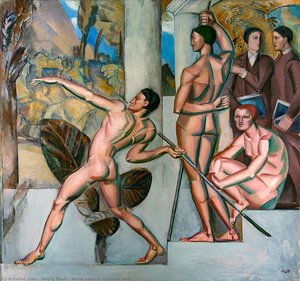
georg pauli
1855 - 1935
Основные сведения
- Artistic Movement Or Style: Symbolist Art; Cubism
- Artists Or Movements Influenced By This Artist: ['André Lhôte']
- Artists Who Influenced This Artist: ['Bastien-Lepage']
- Date Of Death: 1935
- Full Name: Georg Wilhelm Pauli
- Nationality: Swedish
- Notable Artworks:
- Theatre People
- The corpse of Mímir
- Place Of Birth: Jönköping