 Предпросмотр
 Поделиться
 Поделиться
 Детали произведения

 Скачать
 Похожие работы
 Рентгенография
 Слайд-шоу
 Статистика
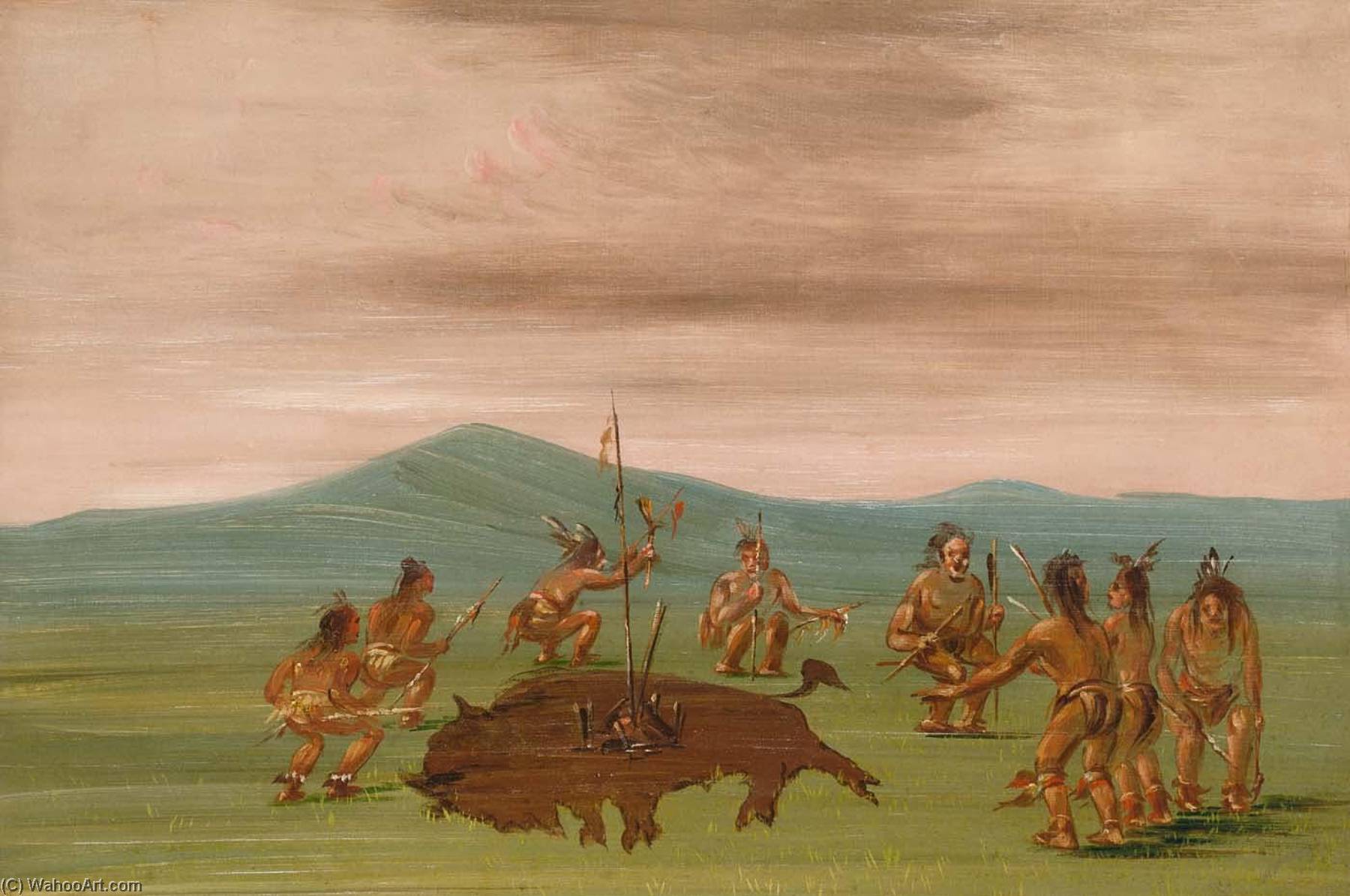
Medicine Buffalo of the Sioux
 Oil On Canvas
- WallArt
- American Romanticism
 1839
1839- 19th Century
 50.0 x 70.0 cm
 Читать далее
Масляная репродукция ручной работы
Картина маслом на холсте в выбранном вами размере и раме, написанная на заказ нашими художниками. ( Перейти к печати Перейти к цифровым изображениям)




P118B $10

P118H $10

P118W $10

P438Z $10

P508JH $12

P508YH $12

P805H $10

P805Z $10

P919BZ $10

P919G $10

P919XJ $10

P959ZH $10

P968JZ $12

W106C $8

W218G $10

W218JH $8

W218Y $10

W307PJ $10

W316G $10

W316PJ $8

W316Y $10

W398PJ $8

W4111J $10

W500HY $15

W500JH $15

W692G $12

W849H $8

W940BG $15

W953PJ $8




Выберите один из наших стандартных размеров, соответствующих оригинальным пропорциям произведения искусства.

Вы можете указать собственные размеры, чтобы картина идеально вписалась в выбранную раму или пространство. Если выбранный вами размер не соответствует пропорциям оригинала, мы либо обрежем полотно, либо расширим его за счет дополнительных элементов, написанных вручную. Цифровой макет будет отправлен вам на утверждение перед началом производства.
Обратите внимание, что предварительный просмотр на экране не отражает фактическую обрезку или расширение. Только макет точно покажет окончательную композицию.
Хотя доступны индивидуальные размеры, мы рекомендуем выбирать вариант из предопределенного списка, чтобы сохранить исходные пропорции.
После оформления заказа команда ArtsDot.com свяжется с клиентом по электронной почте для уточнения деталей и предоставит предварительный макет
Доставка по всему миру () за 3–4 недели вместо стандартных 5 недель. (12 Сентябрь). Без компромиссов в качестве.

Бесплатная экспресс-доставка по всему миру

Высококачественный льняной холст

Полное страхование доставки

Гарантия возмещения таможенных пошлин

Гарантия точного соответствия цветов

100-дневная политика возврата (только при обнаружении дефектов)

Гарантия возврата 100% средств

Предложение оптовых скидок
 Вариант со стеклом доступен только для размеров менее 110 см

Medicine Buffalo of the Sioux
Техника репродукции
Размер репродукции
-


Итоговая стоимость
$ 413
A Vision of the Sacred Frontier
In the vast, sweeping annals of American art history, few works capture the raw, spiritual essence of the Great Plains as poignantly as George Catlin’s 1839 masterpiece, Medicine Buffalo of the Sioux. This evocative oil on canvas serves as more than a mere historical record; it is a window into a vanishing world, a moment frozen in time where the boundaries between the human spirit and the natural realm blur. The painting presents a scene of profound ritualistic significance, depicting Native American hunters in the triumphant yet solemn aftermath of a buffalo hunt. Through Catlin’s eyes, we do not merely observe a successful harvest; we witness a sacred communion between a people and the animal that provided their very sustenance.
The composition is masterfully arranged to draw the viewer into the heart of the celebration. At the center of this dramatic tableau lies the fallen buffalo, an icon of abundance and strength. The figures surrounding the beast are positioned with a dynamic energy that suggests movement and life, even in the presence of death. Catlin employs a style that is both realistic and beautifully stylized, utilizing a flattened perspective reminiscent of early 19th-century illustrative traditions to create a stage-like quality. This technique focuses the viewer's attention on the intricate details of the hunters' attire and their expressive poses, emphasizing the communal triumph and the shared identity forged through survival and tradition.
Technique, Texture, and the Earthly Palette
To behold this reproduction is to appreciate the meticulous craftsmanship required to replicate Catlin’s original vision. The artwork is characterized by a rich, earthy color palette, dominated by deep ochres, muted browns, and subtle grays, which ground the scene in the rugged reality of the American frontier. Hints of soft blue and atmospheric haze in the background provide a sense of depth, suggesting an expansive, overcast sky that blankets the plains in a diffused, natural light. This lighting avoids harsh shadows, instead bathing the subjects in a gentle glow that highlights the textures of the landscape and the organic shapes of the figures.
The technique is defined by visible, expressive brushstrokes that lend the piece an undeniable sense of immediacy and authenticity. There is a beautiful contrast between the smooth, sweeping rendering of the sky and the more tactile, textured depictions of the hunters' clothing and skin. For the discerning collector or interior designer, these nuances offer a sophisticated layer of visual interest. The interplay of light and shadow, combined with the deliberate layering of paint, creates a sense of movement—as if the buffalo might leap from the canvas at any moment—making it a captivating centerpiece for any curated collection.
A Legacy of Cultural Documentation
Beyond its aesthetic brilliance, Medicine Buffalo of the Sioux carries immense historical weight. George Catlin, driven by an urgent mission to document the customs and traditions of Native American tribes before they were irrevocably altered by westward expansion, poured his soul into his work. His background, shaped by tales of the frontier, allowed him to approach his subjects with a deep-seated respect and an eye for the profound spiritual connections inherent in their way of life. The buffalo, depicted here not just as prey but as a sacred entity, symbolizes the delicate balance of nature that Catlin sought to immortalize.
For those looking to bring a piece of this storied heritage into their homes or galleries, this high-quality handmade oil painting reproduction offers an unparalleled opportunity. It is an investment in art that speaks to themes of resilience, community, and the enduring power of nature. Whether placed in a grand library, a contemporary living space, or a professional design setting, this work serves as a powerful conversation piece, inviting all who gaze upon it to reflect on the beauty of our shared human history and the profound mysteries of the wild.
Похожие произведения
Биография художника
Early Life and the Call of the Frontier
George Catlin, born in Wilkes-Barre, Pennsylvania, in 1796, was destined for a life profoundly shaped by the vastness and mystery of the American West. His childhood wasn’t one of privilege or refinement; instead, it was steeped in tales spun by his mother, Polly Sutton – a woman who herself had been captured as a young girl during an Indian raid, a harrowing experience that indelibly colored her son's imagination. These stories, filled with both danger and a strange, compelling beauty, ignited within Catlin a deep fascination for the frontier—a land perceived as simultaneously threatening and utterly romantic. Initially trained in law, he found himself drawn not to the ordered world of legal arguments but to the vibrant, untamed spirit of the West. After only two years practicing law, a powerful artistic impulse took hold, compelling him to abandon his legal career and dedicate himself to capturing the essence of Native American life before it vanished forever. This wasn’t merely an aesthetic pursuit; it was driven by a profound sense of urgency—a premonition that westward expansion would irrevocably alter these cultures, silencing their voices and erasing their traditions. His early artistic endeavors focused on engravings depicting scenes along the Erie Canal, demonstrating his technical skill in line work and attention to detail – qualities he would later translate into his monumental paintings. These initial works served as a crucial foundation, honing his observational abilities and establishing a deep commitment to visually documenting a way of life he felt compelled to preserve.Documenting a Vanishing World: The Indian Gallery
Catlin’s most enduring legacy is undoubtedly “The Indian Gallery,” an extraordinary collection of over 500 paintings that served as a visual testament to Native American life and culture during the 1830s, 40s, and 50s. He embarked on five ambitious expeditions into the heart of the American West – traveling up the Missouri River and venturing into territories inhabited by tribes such as the Mandan, Sioux, Blackfeet, and Choctaw. Crucially, Catlin didn’t simply observe from a distance; he immersed himself within these communities, participating in ceremonies, witnessing daily life, and forging genuine relationships with tribal leaders. He sought to understand their customs, beliefs, and social structures, striving to represent them not as exotic primitives but as complex individuals with rich cultural traditions. His paintings are remarkable for their realism – a departure from the romanticized depictions prevalent at the time – and their vibrant use of color, capturing not only physical likenesses but also a palpable sense of dignity and spiritual depth. Works like Sham Fight, Mandan Boys (1832-1833) vividly portray a playful mock battle among young warriors, showcasing their athleticism and communal spirit. Similarly, his portrait of Mó-sho-la-túb-bee, He Who Puts Out and Kills, Chief of the Tribe (1839) conveys both authority and wisdom through the subject’s intense gaze and powerful presence. Catlin's meticulous attention to detail – including elaborate backgrounds depicting landscapes, tipis, and ceremonial objects – provides a rich context for understanding his subjects and their environment.A Revolutionary Approach to Portraiture
Catlin’s approach to portraiture was revolutionary for its time. He rejected the traditional European style of formal poses and idealized features, instead opting for dynamic compositions that captured Native Americans in action—hunting, dancing, playing games, or engaging in everyday activities. He often placed his subjects within their natural surroundings, emphasizing their connection to the land and highlighting the beauty of the American West. This wasn’t simply a stylistic choice; it reflected Catlin's belief that Native Americans should be represented authentically, without resorting to stereotypes or caricatures. He meticulously researched tribal customs and traditions, ensuring that his paintings accurately depicted their clothing, adornments, and rituals. His portraits weren’t merely likenesses; they were attempts to convey the spirit and essence of each individual, capturing not just their physical appearance but also their personality and cultural identity. This commitment to authenticity earned him both admiration and criticism – some praised his artistic skill and sensitivity, while others accused him of exploiting Native Americans for personal gain.Challenges and Recognition: A Life Dedicated to Preservation
Despite the undeniable merit of “The Indian Gallery” and Catlin’s unwavering dedication, he faced significant obstacles throughout his career. He initially envisioned donating his collection to the U.S. government as a permanent record of Native American culture, but his proposals were repeatedly rejected – largely due to bureaucratic inertia and a lack of understanding of the historical significance of his work. Undeterred, Catlin took his paintings on an extensive tour across America and Europe during the 1840s and 50s, showcasing them in prestigious galleries and museums. These exhibitions garnered considerable attention, introducing audiences to a world they had previously only encountered through secondhand accounts or sensationalized newspaper articles. He also published several influential books, including Manners, Customs, and Condition of the North American Indians (1841) and Last Rambles Amongst the Indians of the Rocky Mountains and the Andes (1868), which further solidified his reputation as a leading authority on Native American culture. However, financial difficulties persisted throughout his life, forcing him to resort to increasingly desperate measures – including creating a smaller “cartoon collection” of over 400 paintings in order to recoup some of his investment. This period was marked by a poignant irony: a man dedicated to preserving a vanishing world found himself struggling for his own survival.Legacy and Historical Significance
George Catlin died in Jersey City, New Jersey, in 1872, leaving behind a legacy that continues to resonate today. While his work wasn’t fully appreciated during his lifetime, it has since been recognized as an invaluable historical record of Native American life before the devastating impact of westward expansion. His paintings offer a rare and intimate glimpse into cultures that were often misrepresented or ignored in mainstream narratives – providing crucial insights into their customs, beliefs, social structures, and artistic traditions. Works like Prairie Meadows Burning (1832) capture not only the landscape but also the profound connection between Native Americans and their environment, while Medicine Buffalo of the Sioux (1839) portrays a powerful leader with dignity and authority. Catlin’s meticulous documentation played a vital role in shaping public perception of Native Americans, challenging prevailing stereotypes and fostering a greater understanding of their rich cultural heritage. He wasn't simply an artist; he was a chronicler, a witness, and a passionate advocate for a vanishing way of life – a legacy that continues to inspire artists, historians, and anyone interested in preserving the stories of diverse cultures.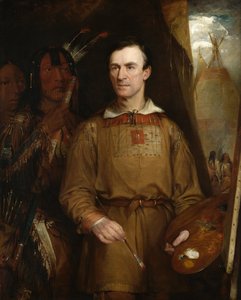
Джордж Катлин
1796 - 1872 , США
Основные сведения
- Artistic Movement Or Style: Фронтьерная живопись
- Date Of Birth: 1796
- Full Name: George Catlin
- Nationality: Американский
- Notable Artworks:
- Шэм-файт, мальчики Манданы
- Горение Prairie Meadows
- Пипстоун-кварцир, Котау дес Прайрийз
- Place Of Birth: Вильсба́рре, США
Похожие статьи

Жорж Сёра: 25 шедевров великого мастера пуантилизма | ArtsDot
Откройте для себя 25 шедевров Жоржа Сёра – пионера пуантилизма! Узнайте историю создания культовых картин, технику письма и влияние импрессионизма. Репродукции высокого качества на ArtsDot.com. Искусство для вашего интерьера.

Жорж Брак: 25 шедевров кубизма для ценителей искусства и интерьера
Откройте для себя 25 шедевров Жоржа Брака – пионера кубизма! Узнайте историю создания культовых картин, технику и влияние французского художника на искусство XX века. Репродукции высокого качества для вашего интерьера на ArtsDot.com.

10 Шедевров Американского Реализма: Искусство Правды и Жизни | ArtsDot
Погрузитесь в мир американского реализма! 10 шедевров от Эндрю Уайета, Эдварда Хоппера и других. История искусства, техники живописи и вдохновение для вашего интерьера. Купите репродукции картин на ArtsDot.com!
Grant Wood & American Regionalism: Identity, Myth & the Rural Landscape
Explore the world of Grant Wood & American Regionalism with ArtsDot. Discover the symbolism behind 'American Gothic', recurring themes, and the movement's lasting impact on art history. High-quality reproductions available.
George Catlin: Witnessing & Representing Indigenous Life on the American Frontier
Explore the captivating art of George Catlin, renowned for his vivid portraits & landscapes documenting Native American life on the frontier. Discover a vanishing world through stunning paintings and historical context.