

 Предпросмотр
 Поделиться
 Поделиться
 Детали произведения

 Скачать
 Похожие работы
 Рентгенография
 Слайд-шоу
 Статистика
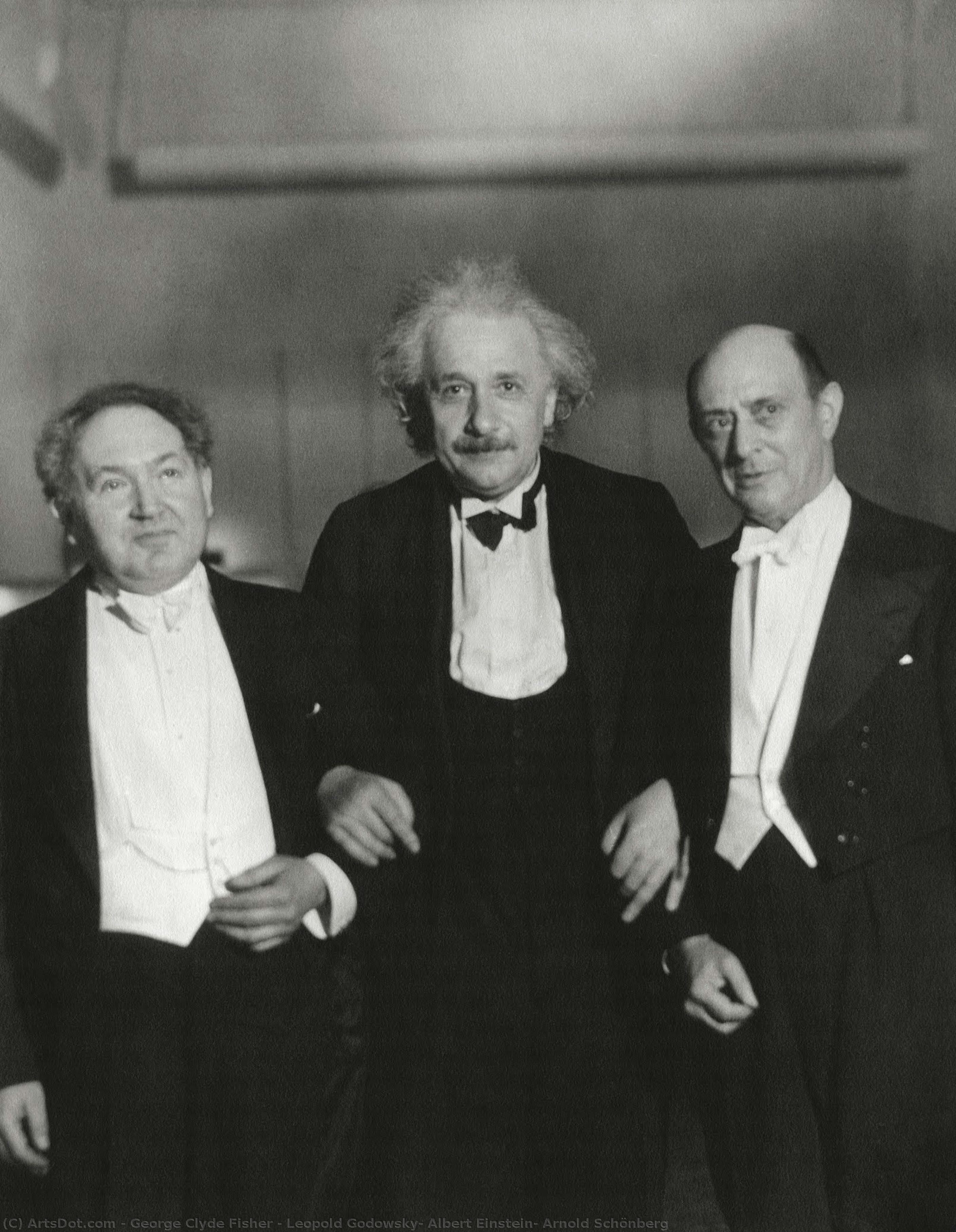
Leopold Godowsky, Albert Einstein, Arnold Schönberg


 Читать далее
Приобретите цифровое изображение высокого разрешения в улучшенном качестве, которое значительно превосходит онлайн-превью.
Каждый файл тщательно подготавливается нашими специалистами с использованием передовых инструментов и экспертной ручной ретуши. Мы гарантируем исключительную четкость, точную цветопередачу и детальную проработку каждого изображения.
Финальный файл доставляется по электронной почте в течение 72 часов и оптимизирован для немедленного использования в профессиональной среде, при верстке и печати. Это тот же уровень качества, которому доверяют ведущие дизайнерские студии, издательства и галереи.
Цифровое изображение
Скачайте файл высокого разрешения для личного использования, печати и творческих проектов. ( Перейти к печати Купить картину ручной работы)
Включено в каждый заказ цифровых изображений
Гарантия экспертной цифровой доставки
Выбирая ArtsDot.com, вы получаете не просто изображение — вы приобретаете профессионально обработанное цифровое произведение искусства, созданное с безупречной точностью и под защитой гарантии качества. Вот всё, что автоматически входит в ваш заказ:

Мгновенная доставка по e-mail
Ваш цифровой файл в высоком разрешении будет отправлен вам по электронной почте в течение 72 часов после оформления заказа — и сразу станет доступен для использования.

Цифровой файл с ИИ-улучшением
Ваше произведение искусства проходит профессиональную оптимизацию с использованием передовых инструментов ИИ и ручной обработки, что гарантирует максимальную детализацию, четкость и точность цветопередачи.

Бессрочная бесплатная повторная доставка
Случайно удалили или потеряли файл? Не беспокойтесь — мы отправим его вам повторно в любое время и совершенно бесплатно.

Без импортных пошлин — навсегда
Наслаждайтесь вашим произведением искусства мгновенно без таможенных пошлин, сборов или затрат на доставку — цифровые загрузки всегда не облагаются налогом.

Гарантия точности цветопередачи
Мы гарантируем, что ваше цифровое изображение максимально точно передает оригинальные цвета благодаря использованию профессиональных инструментов и систем управления цветом.

Гарантия удовлетворенности 100 дней
Если вы не будете удовлетворены своим цифровым изображением, мы внесем правки или вернем 100% стоимости в течение 100 дней — без лишних вопросов.

100% Гарантия возврата средств
Не удовлетворены покупкой? Получите полный возврат средств в течение 100 дней после получения цифрового файла — без лишних вопросов.

Скидки на оптовые заказы
Купите 3 изображения, сэкономьте 10% — Купите 5, сэкономьте 15% — Купите 10+, сэкономьте 20%. Отличное решение для творческих проектов, галерей и агентств.
Похожие произведения







Биография художника
A Life Dedicated to Unveiling the Cosmos: George Clyde Fisher
George Clyde Fisher, a name perhaps less celebrated than many of his contemporaries, nevertheless represents a fascinating intersection of scientific rigor, educational passion, and artistic sensibility. Born near Sidney, Ohio, on May 22, 1878, Fisher’s journey began not in an art studio but amidst the natural world, nurtured by a childhood fascination with astronomy sparked by two devoted uncles. This early inclination would shape his entire life, leading him from rural Ohio to the hallowed halls of the American Museum of Natural History and ultimately to the creation of one of America's most iconic institutions: the Hayden Planetarium. Fisher’s path wasn’t direct; he earned a Bachelor of Arts degree from Miami University in 1905, followed by a period teaching science at Troy High School. He then took on administrative roles at Palmer College Academy, even serving as acting president for a time, before pursuing his academic passions further and obtaining a Ph.D. in botany from Johns Hopkins University in 1913. This diverse background—teacher, administrator, botanist—laid the foundation for his unique ability to connect with audiences of all ages and backgrounds, a skill that would prove invaluable throughout his career.From Visual Instruction to Celestial Visions
Fisher’s arrival at the American Museum of Natural History in 1913 marked a turning point. Initially appointed as curator of visual instruction work with schools and colleges, he quickly demonstrated an exceptional talent for making complex scientific concepts accessible. He wasn't merely presenting facts; he was crafting experiences, designing educational programs that ignited curiosity and fostered a deeper understanding of the natural world. This dedication led to his appointment as curator of astronomy in 1924, a role that allowed him to fully immerse himself in his lifelong passion. Recognizing the power of visual media, Fisher embarked on trips to Europe, meticulously studying the cutting-edge Zeiss projection planetariums in Germany. These visits were instrumental in shaping his vision for a similar institution in New York City—a place where visitors could journey through the cosmos without ever leaving the ground. The realization of this dream came with the opening of the Hayden Planetarium in 1935, an event that transformed astronomy education and captivated the public imagination. Fisher served as its first curator, guiding its development and ensuring it remained true to his core belief: that science should be both informative and inspiring.A Network of Influences and Collaborative Spirit
Fisher’s career wasn't solely defined by institutional roles; he was a deeply connected individual who thrived on collaboration and intellectual exchange. His early friendship with the renowned naturalist John Burroughs exposed him to a wider circle of thinkers, including literary giants like Theodore Roosevelt, Walt Whitman, and John Muir. This network fostered a holistic approach to understanding nature—one that valued both scientific observation and artistic appreciation. Later in his career, Fisher forged a close bond with Ernest Thompson Seton, the celebrated wildlife artist and conservationist. While details of their specific collaborations remain somewhat elusive, it’s clear that they shared a common commitment to preserving the natural world through education and advocacy. Fisher's own work, though often overshadowed by his administrative achievements, frequently involved scientific illustrations—visual representations designed to enhance understanding and appreciation of complex subjects. These images weren’t simply technical renderings; they were imbued with a sense of wonder and artistic skill, reflecting Fisher’s belief that art and science could coexist harmoniously.Expeditions and the Pursuit of Knowledge
Beyond the walls of the museum, Fisher was an active explorer, driven by an insatiable thirst for knowledge. He led numerous expeditions to observe astronomical events firsthand, venturing across continents in pursuit of scientific understanding. These journeys weren’t merely about collecting data; they were opportunities to connect with different cultures and broaden his perspective on the universe. He participated in a Harvard-MIT eclipse expedition to Siberia in 1936, braving harsh conditions to capture crucial observations. In 1937, he led an American Museum of Natural History expedition to Peru for another solar eclipse, employing innovative techniques—including flying above cloud cover—to obtain clear photographs. His adventures extended beyond astronomy; a trip with the Woodcraft Indians in the western United States in 1927 resulted in his adoption into the North Dakota Sioux tribe and the bestowal of the name Mato-koki-popi (Afraid of Bear). These experiences demonstrate Fisher’s willingness to embrace diverse perspectives and learn from different cultures, enriching both his scientific work and his personal life.Legacy: A Bridge Between Science and Society
George Clyde Fisher passed away on January 7, 1949, leaving behind a legacy that extends far beyond the Hayden Planetarium. He was a tireless advocate for science education, a gifted communicator who could translate complex concepts into accessible language, and a dedicated explorer who sought to understand the universe through both observation and experience. His prolific writing—including articles on astronomy, natural history, and biographies of scientific figures—helped to popularize science and inspire a new generation of thinkers. Fisher’s true achievement lay in his ability to bridge the gap between science and society, making knowledge accessible to all and fostering a deeper appreciation for the wonders of the cosmos. He wasn't just an astronomer or an educator; he was a visionary who understood the power of art, collaboration, and exploration to transform our understanding of the world around us. His contributions continue to resonate today, reminding us that science is not merely a collection of facts but a journey of discovery—one that should be shared with everyone.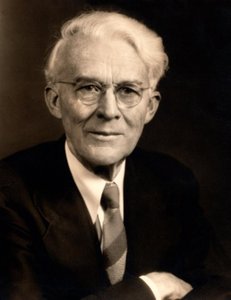
george clyde fisher
1878 - 1949 , United States of America
Основные сведения
- Artistic Movement Or Style: Scientific illustration
- Artists Who Influenced This Artist: ['John Burroughs']
- Date Of Birth: May 22, 1878
- Date Of Death: January 7, 1949
- Full Name: George Clyde Fisher
- Nationality: American
- Place Of Birth: Sidney, USA