


 Предпросмотр
 Поделиться
 Поделиться
 Детали произведения

 Скачать
 Похожие работы
 Рентгенография
 Слайд-шоу
 Статистика
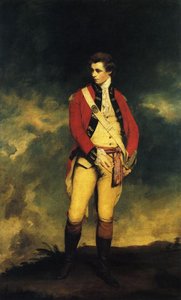
Portrait of Duke of Wellington
 Oil On Canvas
- WallArt
- Romanticism
 1829
1829- 19th Century
 317.0 x 185.0 cm
 Эрмитаж
 Читать далее
Масляная репродукция ручной работы
Картина маслом на холсте в выбранном вами размере и раме, написанная на заказ нашими художниками. ( Перейти к печати Перейти к цифровым изображениям)




P118B $10

P118H $10

P118W $10

P438Z $10

P508JH $12

P508YH $12

P805H $10

P805Z $10

P919BZ $10

P919G $10

P919XJ $10

P959ZH $10

P968JZ $12

W106C $8

W218G $10

W218JH $8

W218Y $10

W307PJ $10

W316G $10

W316PJ $8

W316Y $10

W398PJ $8

W4111J $10

W500HY $15

W500JH $15

W692G $12

W849H $8

W940BG $15

W953PJ $8




Выберите один из наших стандартных размеров, соответствующих оригинальным пропорциям произведения искусства.

Вы можете указать собственные размеры, чтобы картина идеально вписалась в выбранную раму или пространство. Если выбранный вами размер не соответствует пропорциям оригинала, мы либо обрежем полотно, либо расширим его за счет дополнительных элементов, написанных вручную. Цифровой макет будет отправлен вам на утверждение перед началом производства.
Обратите внимание, что предварительный просмотр на экране не отражает фактическую обрезку или расширение. Только макет точно покажет окончательную композицию.
Хотя доступны индивидуальные размеры, мы рекомендуем выбирать вариант из предопределенного списка, чтобы сохранить исходные пропорции.
После оформления заказа команда ArtsDot.com свяжется с клиентом по электронной почте для уточнения деталей и предоставит предварительный макет
Доставка по всему миру () за 3–4 недели вместо стандартных 5 недель. (14 Сентябрь). Без компромиссов в качестве.

Бесплатная экспресс-доставка по всему миру

Высококачественный льняной холст

Полное страхование доставки

Гарантия возмещения таможенных пошлин

Гарантия точного соответствия цветов

100-дневная политика возврата (только при обнаружении дефектов)

Гарантия возврата 100% средств

Предложение оптовых скидок
 Вариант со стеклом доступен только для размеров менее 110 см

Portrait of Duke of Wellington
Техника репродукции
Размер репродукции
-


Итоговая стоимость
$ 263
A Vision of Napoleonic Grandeur: The Portrait of Duke of Wellington
To gaze upon this magnificent portrait is to step directly into the charged atmosphere of early 19th-century British aristocracy and military might. George Dawe’s depiction of the Duke of Wellington transcends a mere likeness; it is a carefully constructed tableau vivant, capturing not just the man in uniform, but the very spirit of an era defined by martial glory and enduring national character. The subject stands poised against a backdrop that speaks of both cultivated nature and untamed wilderness—a picturesque setting that mirrors the complex duality of heroism itself.
Technique and Compositional Mastery
Dawe employs a rich, academic style characteristic of early Romantic portraiture, yet infused with a palpable sense of immediacy. Observe the meticulous detail in the Duke’s uniform; the vibrant red jacket, trimmed with crisp white accents, speaks volumes about his station and the formality of the occasion. The artist has mastered the interplay between the rigid structure of military dress and the organic flow of the natural elements surrounding him. Notice the inclusion of the two birds—one subtly placed in the upper left quadrant and another anchoring the lower right. These avian details are not mere filler; they act as delicate visual counterpoints to the Duke’s steadfast bearing, lending a touch of ephemeral grace to an otherwise monumental figure.
Symbolism Woven into the Landscape
The setting itself is deeply symbolic. The background, featuring rolling mountains and mature trees, evokes the grand sweep of history against which Wellington's achievements were forged. In art history, such natural backdrops often serve as metaphors for enduring virtue or the passage of time. Furthermore, the sword held at his side is the ultimate symbol of duty and martial readiness, while the hat he appears to hold suggests a moment paused—a breath taken between campaigns. These elements combine to create an emotional resonance: the weight of command tempered by the serenity of nature.
Historical Resonance and Enduring Appeal
Painted in 1829, this work captures Wellington at a pivotal juncture following his most defining military successes. For the collector or designer, owning a reproduction of this piece is acquiring more than just decoration; it is an investment in narrative. It speaks to themes of steadfast leadership, national pride, and the romantic ideal of the warrior-statesman. The depth achieved by Dawe allows the viewer to feel the gravity of history while appreciating the exquisite craftsmanship that has preserved this vision for us today.
Похожие произведения

Похожие статьи
Марианна Норт: 25 Шедевров Художницы и Путешественницы | ArtsDot
Погрузитесь в мир ботанической живописи с Марианной Норт! 25 шедевров викторианской художницы, полных экзотических цветов и тропических пейзажей. Купить репродукции картин онлайн на ArtsDot – вдохновение для вашего интерьера!
Топ-10 шедевров XIX века: искусство, история и декор от ArtsDot.com
Погрузитесь в мир искусства XIX века! От реализма до импрессионизма – 10 величайших картин, истории художников и вдохновение для вашего интерьера. Репродукции высокого качества на ArtsDot.com. Откройте всю коллекцию онлайн!
Eugène Lami: A Study in Academic Eclecticism & the Rise of 19th-Century Decorative Art
Explore the captivating world of Eugène Lami, a pivotal 19th-century French painter. Discover his eclectic style blending Romanticism & Academic traditions in history, fashion, and literary illustrations. Learn about his legacy today!
Топ-25 шедевров Британского музея: искусство для вашего дома от ArtsDot
Погрузитесь в мир искусства с 25 шедеврами Британского музея! Узнайте истории Ван Гога, Моне и других великих художников. Репродукции картин для вашего дома от ArtsDot.com – вдохновение и качество.

Walter Crane: Aestheticism, Socialism & the Evolution of British Decorative Art
Explore the life & work of Walter Crane, a pivotal figure in Aestheticism & the Arts & Crafts movement. Discover his socialist ideals, stunning illustrations, and lasting impact on British art & design.