

 Предпросмотр
 Поделиться
 Поделиться
 Детали произведения

 Скачать
 Похожие работы
 Рентгенография
 Слайд-шоу
 Статистика
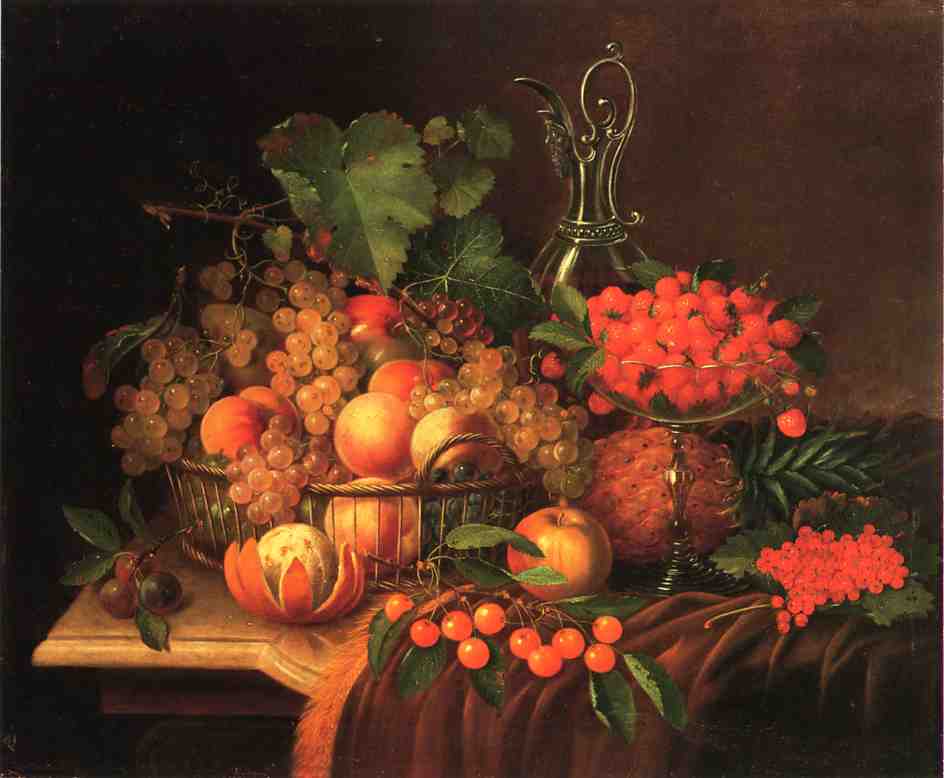
Still Life with Fruit

 Читать далее
Масляная репродукция ручной работы
Картина маслом на холсте в выбранном вами размере и раме, написанная на заказ нашими художниками. ( Перейти к печати Перейти к цифровым изображениям)




































Выберите один из наших стандартных размеров, соответствующих оригинальным пропорциям произведения искусства.

Вы можете указать собственные размеры, чтобы картина идеально вписалась в выбранную раму или пространство. Если выбранный вами размер не соответствует пропорциям оригинала, мы либо обрежем полотно, либо расширим его за счет дополнительных элементов, написанных вручную. Цифровой макет будет отправлен вам на утверждение перед началом производства.
Обратите внимание, что предварительный просмотр на экране не отражает фактическую обрезку или расширение. Только макет точно покажет окончательную композицию.
Хотя доступны индивидуальные размеры, мы рекомендуем выбирать вариант из предопределенного списка, чтобы сохранить исходные пропорции.
После оформления заказа команда ArtsDot.com свяжется с клиентом по электронной почте для уточнения деталей и предоставит предварительный макет
Доставка по всему миру () за 3–4 недели вместо стандартных 5 недель. (11 Сентябрь). Без компромиссов в качестве.

Бесплатная экспресс-доставка по всему миру

Высококачественный льняной холст

Полное страхование доставки

Гарантия возмещения таможенных пошлин

Гарантия точного соответствия цветов

100-дневная политика возврата (только при обнаружении дефектов)

Гарантия возврата 100% средств

Предложение оптовых скидок
 Вариант со стеклом доступен только для размеров менее 110 см

Still Life with Fruit
Техника репродукции
Размер репродукции
-


Итоговая стоимость
$ 263
The Composition
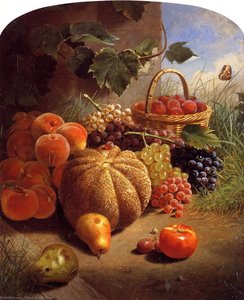
The painting features a variety of fruits, including apples, oranges, grapes, plums, peaches, pears, and cherries, arranged in a decorative manner on a table. The composition is balanced and harmonious, with the fruits placed in a way that creates a sense of movement and energy. The addition of leaves and a vase adds depth and texture to the painting, making it even more visually appealing.Artistic Style
George Forster's style is reminiscent of the Expressionist movement, characterized by bold and vibrant colors, distorted forms, and emotional intensity. However, his work also shows a strong influence of traditional still life painting, as seen in the works of Paul Cézanne, who is often referred to as the "father of us all" in the art world, according to Wikipedia.Reproductions and Availability
For those interested in owning a piece of art history, handmade oil painting reproductions of Still Life with Fruit are available at ArtsDot.com. These reproductions are created by skilled artists who use high-quality materials and techniques to ensure that the final product is a faithful representation of the original painting.- High-quality oil on canvas
- Hand-painted by skilled artists
- Available in various sizes
The Museum Stadtmuseum Bonn, Germany is also worth visiting for those interested in learning more about the artist and his work.
In conclusion, Still Life with Fruit by George Forster is a beautiful and captivating painting that showcases the artist's skill and attention to detail. With its rich colors and inviting atmosphere, it is a piece that can be enjoyed by art lovers of all ages.
Похожие произведения
Биография художника
The Quiet Majesty of George Forster
In the grand tapestry of nineteenth-century German art, certain names resonate with thunderous fame, while others whisper with a more delicate, enduring grace. George Forster (1817–1896) belongs to that second, more intimate category. A Bavarian master whose work serves as a bridge between the profound emotionality of Romanticism and the meticulous realism of the Dutch tradition, Forster possessed a rare ability to transform the mundane into the monumental. Born into an artistic lineage in Bavaria—his father being a respected portrait painter—Forster was raised amidst the scents of oil paint and the quiet discipline of visual observation. This early immersion provided him with more than just technical instruction; it instilled in him a lifelong reverence for the fleeting beauty found within the natural world.
The artistic soul of Forster was deeply shaped by the burgeoning Romantic movement that swept through Europe during his formative years. He drew significant inspiration from the likes of Caspar David Friedrich, whose landscapes were never merely topographical studies but spiritual explorations of the sublime. While Forster did not seek to capture the vast, intimidating vistas of the mountains or the sea, he applied this same Romantic sensibility to the miniature worlds of flora and fauna. To Forster, a single peach blossom or a cluster of ripening grapes was as much a vessel for spiritual reflection as any sun-drenched horizon. He sought to convey not just the physical presence of his subjects, but the very essence of their existence—the way light dances upon a skin of fruit or the fragile hope held within a bird's nest.
A Mastery of Light and Symbolism
Technically, Forster was a virtuoso of chiaroscuro, the dramatic interplay between shadow and illumination. His command over light allowed him to breathe life into his compositions, creating a sense of three-dimensionality that invites the viewer to reach out and touch the textures of his subjects. Whether working in the luminous, translucent layers of watercolor or the rich, controlled application of oil on canvas, he achieved a remarkable level of tactile realism. In his celebrated works, such as Still Life with Fruit and Bird's Nest, one can almost feel the contrast between the velvety skin of a peach, the rough weave of a wicker basket, and the delicate, brittle structure of an eggshell.
However, to view Forster’s work solely through the lens of technical prowess would be to miss its profound intellectual depth. His still lifes were rarely mere decorative arrangements; they were carefully constructed meditations on the cycles of life. Through his choice of subjects, he wove complex symbolic narratives:
- Abundance and Fertility: The overflowing bowls of grapes, apples, and apricots served as celebrations of nature's bounty and prosperity.
- The Passage of Time: The inclusion of ripening fruit alongside elements of decay acted as a memento mori, reminding the observer of the inevitable transition from bloom to wither.
- New Beginnings: The recurring motif of the bird's nest, often containing eggs, introduced themes of hope, rebirth, and the continuous promise of future growth.
Legacy of a Bavarian Master
As the nineteenth century progressed, Forster’s work remained a steadfast testament to the power of observation. While art movements shifted toward more experimental and abstract territories, his dedication to the classical virtues of balance, harmony, and precision ensured his place in the canon of German still life painting. His ability to evoke the "quiet opulence" of a stone ledge laden with fruit allowed him to capture a sense of peace that remains palpable to modern audiences.
Today, the works of George Forster are cherished not only for their aesthetic beauty but for their ability to halt time. In an era of constant motion, his paintings offer a sanctuary of stillness. He leaves behind a legacy where every meticulously rendered grape and every shadowed petal serves as a reminder that there is profound meaning to be found in the smallest corners of our world. His contribution to the history of art lies in his ability to make the ephemeral eternal, turning the fleeting moments of nature into lasting monuments of human emotion.
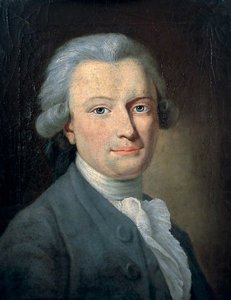
george forster
1817 - 1896 , Germany
Основные сведения
- Artistic Movement Or Style: Romanticism
- Artists Or Movements Influenced By This Artist: ['Romantic Landscape Painting']
- Artists Who Influenced This Artist: ['Caspar David Friedrich']
- Date Of Birth: 1817
- Full Name: George Forster
- Nationality: German
- Notable Artworks: ['Still Life with Fruit and Flowers']
- Place Of Birth: Bavaria, Germany