

 Предпросмотр
 Поделиться
 Поделиться
 Детали произведения

 Скачать
 Похожие работы
 Рентгенография
 Слайд-шоу
 Статистика
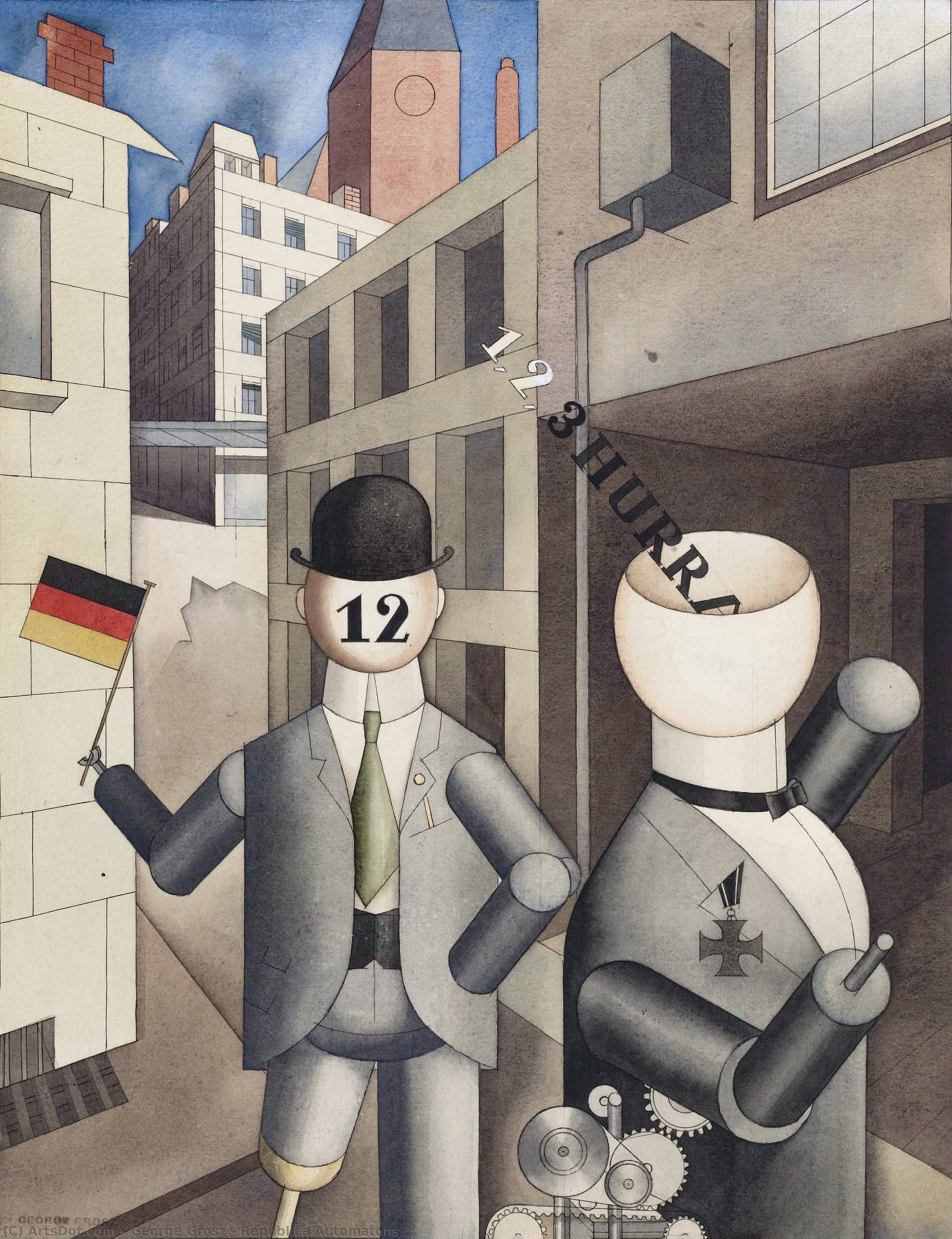
Republica Automatons
 Oil On Canvas
- WallArt
- Dadaist Satire
 1920
1920- 19th Century
 47.0 x 60.0 cm
 Читать далее
Приобретите цифровое изображение высокого разрешения в улучшенном качестве, которое значительно превосходит онлайн-превью.
Каждый файл тщательно подготавливается нашими специалистами с использованием передовых инструментов и экспертной ручной ретуши. Мы гарантируем исключительную четкость, точную цветопередачу и детальную проработку каждого изображения.
Финальный файл доставляется по электронной почте в течение 72 часов и оптимизирован для немедленного использования в профессиональной среде, при верстке и печати. Это тот же уровень качества, которому доверяют ведущие дизайнерские студии, издательства и галереи.
Цифровое изображение
Скачайте файл высокого разрешения для личного использования, печати и творческих проектов. ( Перейти к печати Купить картину ручной работы)
Включено в каждый заказ цифровых изображений
Гарантия экспертной цифровой доставки
Выбирая ArtsDot.com, вы получаете не просто изображение — вы приобретаете профессионально обработанное цифровое произведение искусства, созданное с безупречной точностью и под защитой гарантии качества. Вот всё, что автоматически входит в ваш заказ:

Мгновенная доставка по e-mail
Ваш цифровой файл в высоком разрешении будет отправлен вам по электронной почте в течение 72 часов после оформления заказа — и сразу станет доступен для использования.

Цифровой файл с ИИ-улучшением
Ваше произведение искусства проходит профессиональную оптимизацию с использованием передовых инструментов ИИ и ручной обработки, что гарантирует максимальную детализацию, четкость и точность цветопередачи.

Бессрочная бесплатная повторная доставка
Случайно удалили или потеряли файл? Не беспокойтесь — мы отправим его вам повторно в любое время и совершенно бесплатно.

Без импортных пошлин — навсегда
Наслаждайтесь вашим произведением искусства мгновенно без таможенных пошлин, сборов или затрат на доставку — цифровые загрузки всегда не облагаются налогом.

Гарантия точности цветопередачи
Мы гарантируем, что ваше цифровое изображение максимально точно передает оригинальные цвета благодаря использованию профессиональных инструментов и систем управления цветом.

Гарантия удовлетворенности 100 дней
Если вы не будете удовлетворены своим цифровым изображением, мы внесем правки или вернем 100% стоимости в течение 100 дней — без лишних вопросов.

100% Гарантия возврата средств
Не удовлетворены покупкой? Получите полный возврат средств в течение 100 дней после получения цифрового файла — без лишних вопросов.

Скидки на оптовые заказы
Купите 3 изображения, сэкономьте 10% — Купите 5, сэкономьте 15% — Купите 10+, сэкономьте 20%. Отличное решение для творческих проектов, галерей и агентств.
Republica Automatons: A Chronicle of Weimar Disillusionment
George Grosz’s “Republica Automatons,” painted in 1920, is more than just a depiction of two men on a Berlin street; it's a searing indictment of the moral and societal decay consuming Germany during the tumultuous years of the Weimar Republic. Executed in oil on canvas, this work embodies Grosz’s signature style – a potent blend of stark realism and unsettling surrealism – reflecting his profound disillusionment with the political landscape and the burgeoning threat of fascism. The painting's immediate impact lies in its jarring juxtaposition: the formal attire of the men, coupled with the almost mechanical quality suggested by their movement, against the backdrop of a bustling city street punctuated by the unexpected presence of birds. This dissonance immediately establishes a sense of unease, mirroring the instability and fractured realities of the era.
- Subject Matter: The central figures – two men engaged in an apparent march – represent the faceless masses swept up in political currents. Their attire, particularly the one man’s tie, speaks to a lingering adherence to bourgeois norms amidst profound societal upheaval.
- Composition & Style: Grosz's Dadaist leanings are evident in the fragmented perspective and distorted figures, rejecting traditional notions of beauty and harmony. The inclusion of birds, often symbols of freedom or chaos, adds another layer of complexity to the scene, suggesting a yearning for escape from the oppressive atmosphere.
- Technique: Grosz’s masterful use of line is particularly striking. Jagged, angular strokes define the figures and buildings, conveying a sense of agitation and unrest. The application of paint is deliberately rough, contributing to the overall feeling of unease and urgency.
Historical Context & The Weimar Republic
"Republica Automatons" was created during a pivotal moment in German history – the Weimar Republic (1919-1933). This period was characterized by hyperinflation, political instability, and widespread social unrest following World War I. Grosz’s art served as a direct response to these conditions, offering a brutally honest critique of the corruption, militarism, and moral bankruptcy he witnessed. The clock on the building in the background is not merely an architectural detail; it's a potent symbol of time running out, of the relentless march towards disaster. The painting captures the anxieties and uncertainties that gripped Berlin at the time – a city grappling with its identity and facing an uncertain future.
Symbolism: The flag held by one of the men could represent misguided loyalty or nationalistic fervor, while the birds symbolize both freedom and potential chaos. The overall composition suggests a breakdown of order and a loss of direction.Grosz’s Artistic Legacy & Emotional Impact
George Grosz was a fiercely independent artist who refused to compromise his vision. His work is profoundly unsettling, yet undeniably powerful. “Republica Automatons” resonates with an enduring sense of anxiety – a feeling that continues to be relevant today. The painting's raw emotional intensity and unflinching critique of power make it a significant example of early 20th-century satire. It’s a testament to Grosz’s ability to capture the zeitgeist of his time, offering a timeless warning about the dangers of unchecked ambition and societal decay. This reproduction offers a unique opportunity to own a piece of art history, a window into a turbulent era, and a reminder of the importance of critical observation.
- Size: 47 x 60 cm – Ideal for smaller spaces or as part of a curated collection.
- Date: 1920 – A key moment in Grosz’s career, showcasing the evolution of his distinctive style.
Похожие произведения
Биография художника
A Satirist of Shattered Worlds: The Life and Art of George Grosz
George Grosz, born Georg Ehrenfried Groß in Berlin in 1893, was a visual chronicler of societal decay and political upheaval. His art wasn’t merely *of* its time—the tumultuous Weimar Republic and the rise of fascism—it was a visceral reaction to it, a furious indictment rendered in jagged lines and grotesque caricatures. Grosz didn't simply depict Berlin; he dissected it, exposing its moral rot with unflinching honesty. The early years of his life were marked by instability following his father’s death, an event that propelled his mother into managing an officers’ mess, placing the young Georg amidst a world of Prussian militarism and rigid social hierarchies—a world he would later relentlessly satirize. His formal artistic training began with meticulous copies of traditional Dutch masters like Eduard von Grützner, honing technical skill before he abandoned academic conventions for a far more provocative path. This early discipline, however, provided the foundation upon which his uniquely expressive style would be built.Dada and New Objectivity: A Revolutionary Voice
Grosz’s artistic development was inextricably linked to the avant-garde movements that flourished in post-World War I Germany. He became a central figure in Berlin Dada, embracing its nihilistic spirit and anti-establishment fervor. Unlike some of his Dadaist contemporaries who reveled in pure absurdity, Grosz channeled Dada's rebellious energy into pointed social commentary. His work during this period—pieces like *The Pit* (1921) and *The Pillars of Society* (1926)—are searing indictments of the German bourgeoisie, the military elite, and the corrupt political system that led the nation to disaster. He wasn’t interested in aesthetic beauty; he sought to shock, provoke, and expose hypocrisy. This commitment to social critique evolved into his participation in *Neue Sachlichkeit* (New Objectivity), a movement characterized by its realistic yet unsentimental depiction of contemporary life. While sharing New Objectivity's focus on realism, Grosz infused it with a uniquely biting satire that distinguished him from other artists associated with the group. His paintings and drawings weren’t simply representations of reality; they were distorted reflections of a society teetering on the brink of collapse. The use of sharp angles, exaggerated features, and unsettling compositions created a sense of unease and moral condemnation.The Seeds of Discontent: Early Influences and Artistic Style
Grosz's early life profoundly shaped his artistic vision. His father’s death instilled in him a deep skepticism towards authority and a fascination with the darker aspects of human nature. The officers’ mess, a microcosm of Prussian society, exposed him to the rigid hierarchies and moral decay he would later depict in his art. This experience fueled his desire to challenge established norms and expose hypocrisy. His initial training in traditional Dutch masters provided him with technical proficiency, but he quickly abandoned academic conventions, embracing distortion and exaggeration as tools for social critique. His style is instantly recognizable—a blend of caricature, expressionism, and a deliberately jarring aesthetic. He employed bold colors, dynamic lines, and unsettling imagery to convey his message of disillusionment and condemnation.Exile and Transformation: A New World, A Shifting Style
The ascent of Nazism forced Grosz into exile in 1933. He found refuge in the United States, becoming a naturalized citizen in 1938. This relocation marked a significant turning point in his artistic career. Removed from the immediate context that fueled his most potent work, and confronted with a different set of social and political realities, Grosz’s style began to shift. The overtly aggressive caricatures gave way to more subdued landscapes and portraits, often tinged with a sense of melancholy and disillusionment. While he continued to exhibit and teach at the Art Students League in New York, his work lacked the raw urgency of his Berlin period. He struggled to find his footing in a new environment, grappling with feelings of alienation and artistic uncertainty. The apocalyptic visions that emerged during this time—paintings depicting desolate landscapes and fragmented figures—reflected not only the horrors unfolding in Europe but also his own internal turmoil.Legacy and Enduring Relevance
George Grosz returned to Berlin in 1959, shortly before his death, a poignant return to the city that had both inspired and haunted him. His legacy extends far beyond the historical context of Weimar Germany. He remains a powerful example of an artist who dared to confront uncomfortable truths and challenge societal norms. *His art serves as a cautionary tale about the dangers of political extremism, social injustice, and unchecked power.* Grosz’s influence can be seen in the work of countless artists who followed, those drawn to his commitment to social engagement and his willingness to use art as a weapon against injustice.- Satirical Power: Grosz’s masterful use of caricature continues to inspire artists and commentators today.
- Social Commentary: His unflinching critique of societal ills remains remarkably relevant in a world still grappling with inequality, corruption, and political polarization.
- Historical Witness: His art provides invaluable insight into the social and political climate of interwar Germany, offering a visceral understanding of the forces that led to World War II.
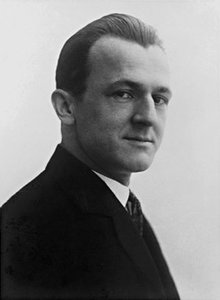
Герхард Гросш
1893 - 1959 , Германия
Основные сведения
- Artistic Movement Or Style: Дада, Новая объективность
- Date Of Birth: 26 июля 1893 г.
- Date Of Death: 6 июля 1959 г.
- Full Name: George Grosz
- Nationality: Немецкий
- Notable Artworks:
- The Pit
- Pillars Society
- Place Of Birth: Берлин, Германия