

 Предпросмотр
 Поделиться
 Поделиться
 Детали произведения

 Скачать
 Похожие работы
 Рентгенография
 Слайд-шоу
 Статистика
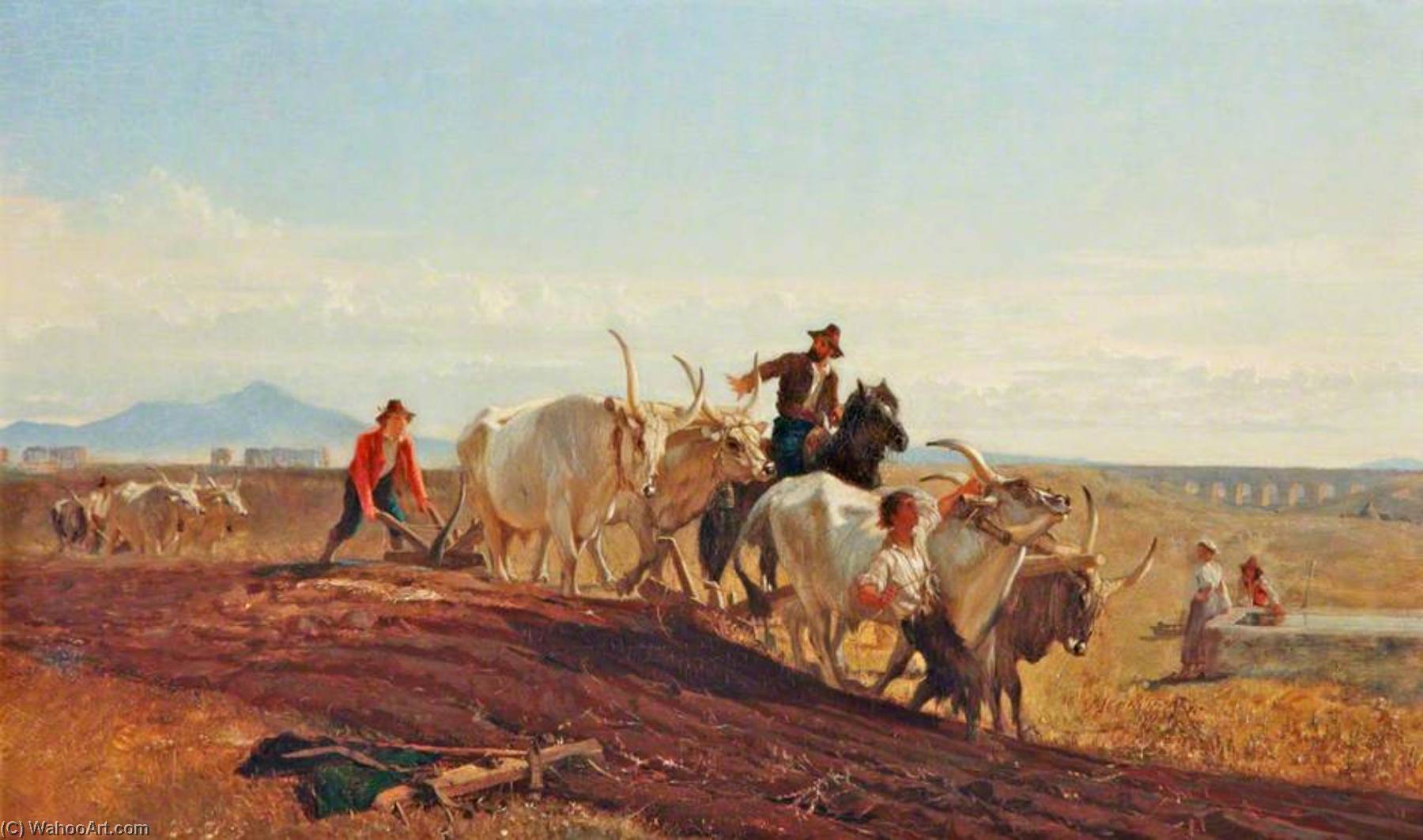
Ploughing in the Campagna
 1857
1857 38.0 x 75.0 cm
 Читать далее
Масляная репродукция ручной работы
Картина маслом на холсте в выбранном вами размере и раме, написанная на заказ нашими художниками. ( Перейти к печати Перейти к цифровым изображениям)




































Выберите один из наших стандартных размеров, соответствующих оригинальным пропорциям произведения искусства.

Вы можете указать собственные размеры, чтобы картина идеально вписалась в выбранную раму или пространство. Если выбранный вами размер не соответствует пропорциям оригинала, мы либо обрежем полотно, либо расширим его за счет дополнительных элементов, написанных вручную. Цифровой макет будет отправлен вам на утверждение перед началом производства.
Обратите внимание, что предварительный просмотр на экране не отражает фактическую обрезку или расширение. Только макет точно покажет окончательную композицию.
Хотя доступны индивидуальные размеры, мы рекомендуем выбирать вариант из предопределенного списка, чтобы сохранить исходные пропорции.
После оформления заказа команда ArtsDot.com свяжется с клиентом по электронной почте для уточнения деталей и предоставит предварительный макет
Доставка по всему миру () за 3–4 недели вместо стандартных 5 недель. (11 Сентябрь). Без компромиссов в качестве.

Бесплатная экспресс-доставка по всему миру

Высококачественный льняной холст

Полное страхование доставки

Гарантия возмещения таможенных пошлин

Гарантия точного соответствия цветов

100-дневная политика возврата (только при обнаружении дефектов)

Гарантия возврата 100% средств

Предложение оптовых скидок
 Вариант со стеклом доступен только для размеров менее 110 см

Ploughing in the Campagna
Техника репродукции
Размер репродукции
-


Итоговая стоимость
$ 263
The Painting's Composition and Significance
The painting depicts a group of people working together to plow the land with oxen, emphasizing the significance of collaboration and dedication in rural communities. The scene is set in a serene landscape, with the oxen pulling a plow through the dirt, while several men are positioned nearby, overseeing the process. A horse is also present in the scene, adding to the sense of movement and activity. Key elements of the painting include the use of earthy tones, which evoke a sense of warmth and naturalness, and the artist's attention to detail, particularly in the depiction of the oxen and the plow. The painting's composition is well-balanced, with the figures and animals arranged in a harmonious manner, creating a sense of visual flow.Similar Works and Artists
Other notable artists have also explored themes related to rural life and agriculture in their works. For example, Nikolai Pimonenko's "Harvester" and Jules Jacques Veyrassat's "Ploughing in the Nivernais" showcase similar scenes of rural activity. Additionally, Peter De Wint's "The Glebe Farm" offers a glimpse into the daily life of farm workers.- View more artworks by George Heming Mason
- Explore the collection at Dudley Museum and Art Gallery
- Discover more about Ren Xiong on ArtsDot.com
The "Ploughing in the Campagna" painting by George Heming Mason is a remarkable example of 19th-century art, offering a glimpse into the lives of rural communities. Its beauty and significance can be appreciated by art enthusiasts and historians alike, making it a valuable addition to any collection.
Похожие произведения









Биография художника
George Hemming Mason: A Painter of English Pastoral
George Heming Mason (1818-1872) stands as a quietly significant figure in 19th-century British landscape painting, a master of capturing the serene beauty and subtle drama of rural England. Initially rooted in the vibrant artistic milieu of Italy, Mason ultimately established himself as a dedicated observer and interpreter of his native countryside, producing works that resonate with a profound sense of sentimentality and pastoral charm. His legacy lies not in grand, revolutionary gestures but rather in the meticulous detail and evocative atmosphere he imbued within scenes of everyday life – ploughing fields, gathering livestock, and simply existing within the rhythms of the seasons.
Born at Fenton Park in Stoke-upon-Trent, Staffordshire, Mason’s lineage was deeply intertwined with a rich artistic heritage. His grandfather, Miles Mason, was a potter, and his father, George Miles Mason, a cultivated gentleman who abandoned a career in business to pursue literature and painting after graduating from Oxford. This confluence of artistic tradition, combined with a youthful passion for athletics and literature – hallmarks of the era – laid the foundation for Mason’s own artistic journey. Early training included studies at King Edward's School in Birmingham, followed by formal instruction under surgeon William Royden Watts, a decision that ultimately led him to abandon his medical aspirations in favor of a life dedicated to art.
Early Years and Italian Influences
In the autumn of 1843, Mason embarked on a transformative journey with his brother Miles through France, Switzerland, and Italy. This extended sojourn proved pivotal, exposing him to the artistic currents of the time, particularly the influence of the Etruscan School – a movement characterized by its monochrome underdrawings and emphasis on atmospheric perspective. The Italian landscape, with its dramatic light and shadow, rolling hills, and ancient ruins, profoundly impacted Mason’s style. He established a studio in Rome, where he honed his skills by painting portraits of English tourists, specializing in depictions of their horses and dogs – a subject that allowed him to practice capturing texture and detail with remarkable precision. Despite facing considerable financial hardship and enduring a serious illness, Mason maintained an unwavering spirit, demonstrating resilience during the tumultuous events of 1848, when he assisted wounded soldiers amidst the Italian war.
The Campagna and a Return to England
A significant period of Mason’s artistic development occurred in the Campagna region of Italy. Here, he found inspiration in the rustic beauty of the countryside, producing iconic works such as “Ploughing in the Campagna” (1856) and "In the Salt Marshes." These paintings are characterized by a masterful use of light and color to evoke the mood and atmosphere of rural life. Mason’s approach involved meticulous observation – he would often wander the surrounding countryside, seeking out specific forms and colors to incorporate into his compositions. His friend Giovanni Costa, a fellow artist, recognized the underlying sentimentality in Mason's work, appreciating his ability to capture the quiet dignity and inherent beauty of the rural world.
In 1858, Mason returned to England and married Mary Emma Wood, settling back at Wetley Abbey. Initially, he found the English landscape somewhat subdued compared to the dramatic light of Italy, but with the encouragement of his friend Sir Frederick Leighton, he persevered, producing works like “Wind on the Wold” that showcased his evolving style. His later paintings often reflected a more contemplative mood, exploring themes of solitude and reflection within the natural world.
Style and Legacy
Mason’s artistic style is best described as idyllic and sentimental, deeply influenced by the Etruscan School but tempered with a distinctly English sensibility. He was particularly adept at capturing the textures of rural landscapes – the rough bark of trees, the damp earth beneath ploughshares, the woolly coats of livestock. His compositions are typically balanced and harmonious, conveying a sense of peace and tranquility. While he never achieved widespread fame during his lifetime, Mason’s work is now recognized for its quiet beauty and evocative atmosphere. His paintings offer a poignant glimpse into a bygone era, capturing the essence of rural England with remarkable sensitivity and skill. George Hemming Mason's contribution to English landscape painting lies in his ability to translate the simple pleasures and profound beauty of everyday life onto canvas, leaving behind a legacy of understated elegance and enduring charm.
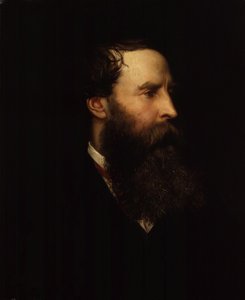
george heming mason
1818 - 1872
Основные сведения
- Artistic Movement Or Style: Etruscan School
- Artists Or Movements Influenced By This Artist: ['Etruscan School']
- Artists Who Influenced This Artist: ['Frederic Leighton']
- Date Of Birth: 1818
- Date Of Death: 1872
- Full Name: George Hemming Mason
- Nationality: British
- Notable Artworks:
- Evening, near Southport
- Ploughing in the Campagna
- In the Salt Marshes
- Place Of Birth: Stoke-on-Trent, England