


 Предпросмотр
 Поделиться
 Поделиться
 Детали произведения

 Скачать
 Похожие работы
 Рентгенография
 Слайд-шоу
 Статистика
Topus with cross-shaped form in the center


 Читать далее
Приобретите цифровое изображение высокого разрешения в улучшенном качестве, которое значительно превосходит онлайн-превью.
Каждый файл тщательно подготавливается нашими специалистами с использованием передовых инструментов и экспертной ручной ретуши. Мы гарантируем исключительную четкость, точную цветопередачу и детальную проработку каждого изображения.
Финальный файл доставляется по электронной почте в течение 72 часов и оптимизирован для немедленного использования в профессиональной среде, при верстке и печати. Это тот же уровень качества, которому доверяют ведущие дизайнерские студии, издательства и галереи.
Цифровое изображение
Скачайте файл высокого разрешения для личного использования, печати и творческих проектов. ( Перейти к печати Купить картину ручной работы)
Включено в каждый заказ цифровых изображений
Гарантия экспертной цифровой доставки
Выбирая ArtsDot.com, вы получаете не просто изображение — вы приобретаете профессионально обработанное цифровое произведение искусства, созданное с безупречной точностью и под защитой гарантии качества. Вот всё, что автоматически входит в ваш заказ:

Мгновенная доставка по e-mail
Ваш цифровой файл в высоком разрешении будет отправлен вам по электронной почте в течение 72 часов после оформления заказа — и сразу станет доступен для использования.

Цифровой файл с ИИ-улучшением
Ваше произведение искусства проходит профессиональную оптимизацию с использованием передовых инструментов ИИ и ручной обработки, что гарантирует максимальную детализацию, четкость и точность цветопередачи.

Бессрочная бесплатная повторная доставка
Случайно удалили или потеряли файл? Не беспокойтесь — мы отправим его вам повторно в любое время и совершенно бесплатно.

Без импортных пошлин — навсегда
Наслаждайтесь вашим произведением искусства мгновенно без таможенных пошлин, сборов или затрат на доставку — цифровые загрузки всегда не облагаются налогом.

Гарантия точности цветопередачи
Мы гарантируем, что ваше цифровое изображение максимально точно передает оригинальные цвета благодаря использованию профессиональных инструментов и систем управления цветом.

Гарантия удовлетворенности 100 дней
Если вы не будете удовлетворены своим цифровым изображением, мы внесем правки или вернем 100% стоимости в течение 100 дней — без лишних вопросов.

100% Гарантия возврата средств
Не удовлетворены покупкой? Получите полный возврат средств в течение 100 дней после получения цифрового файла — без лишних вопросов.

Скидки на оптовые заказы
Купите 3 изображения, сэкономьте 10% — Купите 5, сэкономьте 15% — Купите 10+, сэкономьте 20%. Отличное решение для творческих проектов, галерей и агентств.
A Moment Captured in Stillness
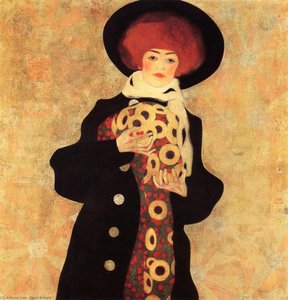
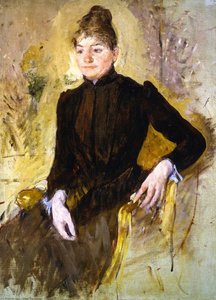
In the quiet intimacy of this evocative piece, titled Topus with cross-shaped form in the center, we are invited into a profound moment of personal reflection. The composition centers on a woman, her presence commanding yet gentle, as she gazes toward an unseen horizon. There is a striking duality in the work; while the focus remains tightly on her features and the delicate details of her attire, there is an expansive sense of thought permeating the atmosphere. Her long, flowing hair cascades down to her waist, framing a face that holds a look of quiet contemplation, perhaps even a touch of melancholy. The light catches the subtle contours of her expression, drawing the viewer into her internal world and making the observer feel less like a stranger and perhaps more like a silent companion to her thoughts.
The focal point of the piece—a small but significant pin with a cross-shaped form resting upon her left shoulder—serves as a powerful symbolic anchor. This tiny detail introduces themes of faith, memory, or perhaps a personal talisman that connects the subject to something much larger than herself. In the realm of fine art, such symbols often act as windows into the soul of the sitter, suggesting a narrative of devotion or protection. For the collector, this subtle element provides a layer of intellectual depth, transforming a beautiful portrait into a complex study of identity and belief.
The Mastery of Light and Texture
Executed with the sensitivity characteristic of the late 19th-century aesthetic, the work demonstrates a masterful command over texture and tonal range. The artist utilizes a soft, almost ethereal approach to light, which illuminates the woman's skin and the dark fabric of her shirt with a gentle radiance. This technique creates a sense of three-dimensionality that is essential for any high-quality reproduction intended for sophisticated interiors. The interplay between the deep blacks of her clothing and the luminous quality of her complexion creates a visual rhythm that guides the eye across the canvas, ensuring that every brushstroke contributes to the overall harmony of the piece.
For interior designers and art enthusiasts, this work offers an unparalleled versatility. Its muted palette and serene mood make it an ideal centerpiece for a gallery wall or a standalone statement in a study or library. The emotional weight of the portrait—its ability to evoke peace, introspection, and a sense of timelessness—allows it to anchor a room, providing a focal point that encourages slow looking and deep appreciation. Whether placed in a contemporary setting to provide a classical contrast or within a traditional space to enhance its historical resonance, this artwork brings a sophisticated, soulful energy to any environment.
Похожие произведения

Биография художника
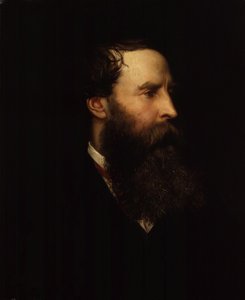
George Hemming Mason: A Painter of English Pastoral
George Heming Mason (1818-1872) stands as a quietly significant figure in 19th-century British landscape painting, a master of capturing the serene beauty and subtle drama of rural England. Initially rooted in the vibrant artistic milieu of Italy, Mason ultimately established himself as a dedicated observer and interpreter of his native countryside, producing works that resonate with a profound sense of sentimentality and pastoral charm. His legacy lies not in grand, revolutionary gestures but rather in the meticulous detail and evocative atmosphere he imbued within scenes of everyday life – ploughing fields, gathering livestock, and simply existing within the rhythms of the seasons.
Born at Fenton Park in Stoke-upon-Trent, Staffordshire, Mason’s lineage was deeply intertwined with a rich artistic heritage. His grandfather, Miles Mason, was a potter, and his father, George Miles Mason, a cultivated gentleman who abandoned a career in business to pursue literature and painting after graduating from Oxford. This confluence of artistic tradition, combined with a youthful passion for athletics and literature – hallmarks of the era – laid the foundation for Mason’s own artistic journey. Early training included studies at King Edward's School in Birmingham, followed by formal instruction under surgeon William Royden Watts, a decision that ultimately led him to abandon his medical aspirations in favor of a life dedicated to art.
Early Years and Italian Influences
In the autumn of 1843, Mason embarked on a transformative journey with his brother Miles through France, Switzerland, and Italy. This extended sojourn proved pivotal, exposing him to the artistic currents of the time, particularly the influence of the Etruscan School – a movement characterized by its monochrome underdrawings and emphasis on atmospheric perspective. The Italian landscape, with its dramatic light and shadow, rolling hills, and ancient ruins, profoundly impacted Mason’s style. He established a studio in Rome, where he honed his skills by painting portraits of English tourists, specializing in depictions of their horses and dogs – a subject that allowed him to practice capturing texture and detail with remarkable precision. Despite facing considerable financial hardship and enduring a serious illness, Mason maintained an unwavering spirit, demonstrating resilience during the tumultuous events of 1848, when he assisted wounded soldiers amidst the Italian war.
The Campagna and a Return to England
A significant period of Mason’s artistic development occurred in the Campagna region of Italy. Here, he found inspiration in the rustic beauty of the countryside, producing iconic works such as “Ploughing in the Campagna” (1856) and "In the Salt Marshes." These paintings are characterized by a masterful use of light and color to evoke the mood and atmosphere of rural life. Mason’s approach involved meticulous observation – he would often wander the surrounding countryside, seeking out specific forms and colors to incorporate into his compositions. His friend Giovanni Costa, a fellow artist, recognized the underlying sentimentality in Mason's work, appreciating his ability to capture the quiet dignity and inherent beauty of the rural world.
In 1858, Mason returned to England and married Mary Emma Wood, settling back at Wetley Abbey. Initially, he found the English landscape somewhat subdued compared to the dramatic light of Italy, but with the encouragement of his friend Sir Frederick Leighton, he persevered, producing works like “Wind on the Wold” that showcased his evolving style. His later paintings often reflected a more contemplative mood, exploring themes of solitude and reflection within the natural world.
Style and Legacy
Mason’s artistic style is best described as idyllic and sentimental, deeply influenced by the Etruscan School but tempered with a distinctly English sensibility. He was particularly adept at capturing the textures of rural landscapes – the rough bark of trees, the damp earth beneath ploughshares, the woolly coats of livestock. His compositions are typically balanced and harmonious, conveying a sense of peace and tranquility. While he never achieved widespread fame during his lifetime, Mason’s work is now recognized for its quiet beauty and evocative atmosphere. His paintings offer a poignant glimpse into a bygone era, capturing the essence of rural England with remarkable sensitivity and skill. George Hemming Mason's contribution to English landscape painting lies in his ability to translate the simple pleasures and profound beauty of everyday life onto canvas, leaving behind a legacy of understated elegance and enduring charm.
george heming mason
1818 - 1872
Основные сведения
- Artistic Movement Or Style: Etruscan School
- Artists Or Movements Influenced By This Artist: ['Etruscan School']
- Artists Who Influenced This Artist: ['Frederic Leighton']
- Date Of Birth: 1818
- Date Of Death: 1872
- Full Name: George Hemming Mason
- Nationality: British
- Notable Artworks:
- Evening, near Southport
- Ploughing in the Campagna
- In the Salt Marshes
- Place Of Birth: Stoke-on-Trent, England