

 Предпросмотр
 Поделиться
 Поделиться
 Детали произведения

 Скачать
 Похожие работы
 Рентгенография
 Слайд-шоу
 Статистика
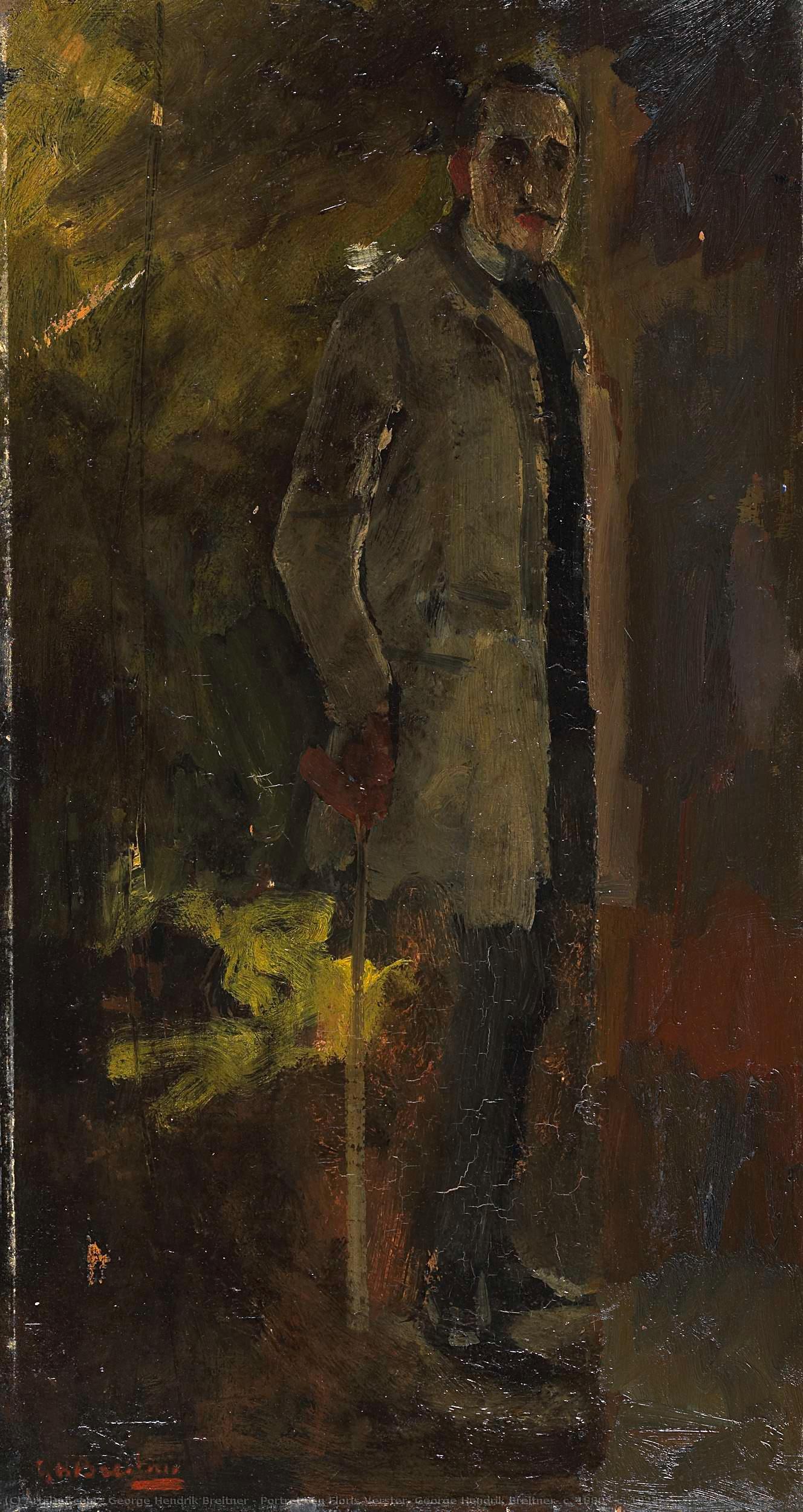
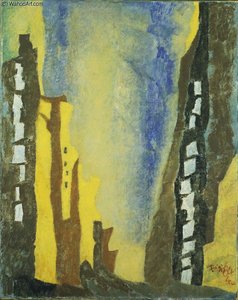
Portret van Floris Verster, George Hendrik Breitner, c. 1880 - c. 1923
 1923
1923 45.0 x 25.0 cm
 Читать далее
Жикле / Арт-принт
Печать (жикле) или холст музейного качества с быстрыми сроками изготовления и широким выбором вариантов отделки. ( Купить картину ручной работы Перейти к цифровым изображениям)




































Выберите один из наших стандартных размеров, соответствующих оригинальным пропорциям произведения искусства.

Вы можете указать свои собственные размеры, чтобы репродукция идеально подошла под конкретную раму или пространство. Если выбранный вами размер не будет соответствовать пропорциям оригинала, мы либо обрежем произведение, либо дополним изображение зеркальным отражением краев или однотонной заливкой. Перед началом производства вам будет отправлен цифровой макет для утверждения.
Пожалуйста, обратите внимание, что предварительный просмотр на экране не отображает фактическую обрезку или расширение изображения. Только макет точно покажет финальную композицию.
Несмотря на возможность заказа индивидуальных размеров, мы рекомендуем выбирать размер из предопределенного списка, чтобы сохранить оригинальные пропорции.
Доставка по всему миру () за 2 недели вместо стандартных 4/5 недель. (12 Сентябрь)

Бесплатная экспресс-доставка по всему миру

Высококачественный льняной холст

Полное страхование доставки

Гарантия возмещения таможенных пошлин

Гарантия точного соответствия цветов

100-дневная политика возврата (только при обнаружении дефектов)

Гарантия возврата 100% средств

Предложение оптовых скидок
 Вариант со стеклом доступен только для размеров менее 110 см

Portret van Floris Verster, George Hendrik Breitner, c. 1880 - c. 1923
Жикле / Арт-принт
Размер репродукции
-


Итоговая стоимость
$ 62
Похожие произведения






Биография художника
Early Life and Artistic Beginnings
George Hendrik Breitner, born in Rotterdam in 1857, emerged as a pivotal figure in Dutch painting during a period of significant artistic transition. Though originating from a mercantile family—his father was a successful shopkeeper—Breitner’s path diverged towards the world of art, fueled by an early fascination with light and atmosphere. His initial training took place at the Rotterdam Academy of Fine Arts, but he soon sought broader horizons, moving to Amsterdam in 1876 to study under August Allebé at the Rijksakademie van Beeldende Kunsten. This formal education provided a foundation in traditional techniques, yet Breitner’s temperament leaned towards observation and capturing the immediacy of modern life rather than historical or mythological subjects favored by many of his contemporaries. He was drawn to the bustling streets of Amsterdam, a city undergoing rapid industrialization and social change, which would become the defining subject matter of his career.The Embrace of Realism and Urban Scenes
Breitner’s artistic development coincided with the rise of realism as a dominant force in European art. Unlike the idyllic landscapes or romanticized depictions prevalent at the time, Breitner chose to portray the everyday realities of urban existence—the working class, street vendors, horse-drawn carriages, and the often-gritty conditions of city life. He was deeply influenced by modern literature, particularly the works of authors like Louis Couperus and Willem Kloos, who explored similar themes of social alienation and the complexities of contemporary society. This literary connection fostered a desire to document “ordinary” people and their surroundings with honesty and empathy. His early paintings, often executed in muted tones and loose brushstrokes, reflect this commitment to capturing the fleeting moments of urban life. He rejected academic polish in favor of a more direct and spontaneous approach, prioritizing atmosphere and emotional resonance over meticulous detail.Techniques and Style: A Master of Atmosphere
Breitner’s distinctive style is characterized by his masterful use of light and color to create evocative atmospheres. He frequently employed a technique known as *plein air* painting—working outdoors directly from observation—to capture the nuances of natural light and its effects on urban landscapes. However, he wasn't simply replicating what he saw; rather, he used light and shadow to convey mood and emotion. His palette often consisted of subdued grays, browns, and blues, punctuated by occasional bursts of color that drew attention to specific details or figures within the composition. He also experimented with different brushstroke techniques, ranging from loose and impressionistic strokes to more deliberate and controlled applications of paint. This versatility allowed him to create a wide range of effects, from the hazy atmosphere of a rainy Amsterdam street to the sharp contrasts of sunlight on brick buildings.Major Achievements and Lasting Legacy
Throughout his career, Breitner produced an extensive body of work that documented the changing face of Amsterdam during the late 19th and early 20th centuries. Some of his most iconic paintings include “Lunchtime at the Building Site on the Van Diemenstraat in Amsterdam” (1897), which offers a poignant glimpse into the lives of working-class laborers, and numerous depictions of the Leidseplein, capturing the vibrant energy of this bustling public square. He also experimented with photography, using it as a tool to aid his painting process and explore new ways of representing urban space. Breitner’s work was not always immediately embraced by the Dutch art establishment; however, he gradually gained recognition for his innovative approach and his commitment to portraying the realities of modern life. Today, he is celebrated as one of the most important figures in Dutch realism, whose paintings continue to resonate with viewers due to their emotional depth, atmospheric beauty, and insightful social commentary.Historical Significance and Influence
George Hendrik Breitner’s significance extends beyond his technical achievements; he played a crucial role in shaping the development of modern art in the Netherlands. His focus on urban life and everyday subjects paved the way for subsequent generations of Dutch artists who sought to capture the complexities of contemporary society. He challenged traditional academic conventions, embracing a more direct and spontaneous approach to painting that emphasized observation and emotional expression. His influence can be seen in the work of later realist painters, as well as in the development of Dutch Impressionism and Expressionism. Breitner’s paintings offer a valuable glimpse into the social and cultural landscape of late 19th-century Amsterdam, providing a powerful testament to the lives of ordinary people and the transformative effects of industrialization. He remains a vital figure for understanding the evolution of Dutch art, and his work continues to inspire artists and viewers alike with its enduring beauty and emotional resonance.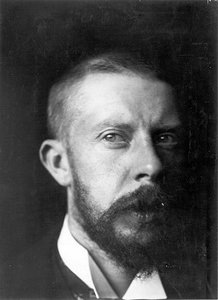
Основные сведения
- Artistic Movement Or Style: Realism
- Date Of Death: 1923
- Full Name: George Hendrik Breitner
- Nationality: Dutch
- Notable Artworks:
- Lunchtime at the Building Site
- Vase with Pink Flowers
- Neighborhood Street in The Hague
- Place Of Birth: Rotterdam, Netherlands