

 Предпросмотр
 Поделиться
 Поделиться
 Детали произведения

 Скачать
 Похожие работы
 Рентгенография
 Слайд-шоу
 Статистика
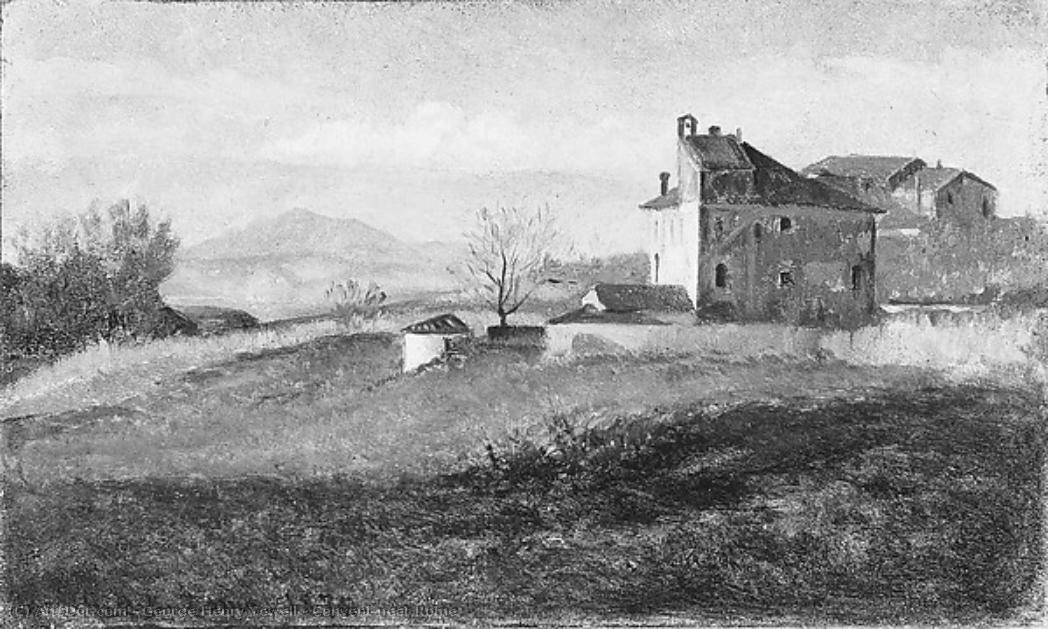
Convent near Rome
 Oil On Canvas
- WallArt
- Realism
 1870
1870 14.0 x 23.0 cm
 Музей Метрополитен
 Читать далее
Масляная репродукция ручной работы
Картина маслом на холсте в выбранном вами размере и раме, написанная на заказ нашими художниками. ( Перейти к печати Перейти к цифровым изображениям)




P118B $10

P118H $10

P118W $10

P438Z $10

P508JH $12

P508YH $12

P805H $10

P805Z $10

P919BZ $10

P919G $10

P919XJ $10

P959ZH $10

P968JZ $12

W106C $8

W218G $10

W218JH $8

W218Y $10

W307PJ $10

W316G $10

W316PJ $8

W316Y $10

W398PJ $8

W4111J $10

W500HY $15

W500JH $15

W692G $12

W849H $8

W940BG $15

W953PJ $8




Выберите один из наших стандартных размеров, соответствующих оригинальным пропорциям произведения искусства.

Вы можете указать собственные размеры, чтобы картина идеально вписалась в выбранную раму или пространство. Если выбранный вами размер не соответствует пропорциям оригинала, мы либо обрежем полотно, либо расширим его за счет дополнительных элементов, написанных вручную. Цифровой макет будет отправлен вам на утверждение перед началом производства.
Обратите внимание, что предварительный просмотр на экране не отражает фактическую обрезку или расширение. Только макет точно покажет окончательную композицию.
Хотя доступны индивидуальные размеры, мы рекомендуем выбирать вариант из предопределенного списка, чтобы сохранить исходные пропорции.
После оформления заказа команда ArtsDot.com свяжется с клиентом по электронной почте для уточнения деталей и предоставит предварительный макет
Доставка по всему миру () за 3–4 недели вместо стандартных 5 недель. (11 Сентябрь). Без компромиссов в качестве.

Бесплатная экспресс-доставка по всему миру

Высококачественный льняной холст

Полное страхование доставки

Гарантия возмещения таможенных пошлин

Гарантия точного соответствия цветов

100-дневная политика возврата (только при обнаружении дефектов)

Гарантия возврата 100% средств

Предложение оптовых скидок
 Вариант со стеклом доступен только для размеров менее 110 см

Convent near Rome
Техника репродукции
Размер репродукции
-


Итоговая стоимость
$ 263
A Moment of Tranquil Reflection: George Henry Yewell’s “Convent Near Rome”
George Henry Yewell's "Convent Near Rome," painted in 1870, isn’t merely a landscape; it’s a carefully constructed tableau of serenity and understated beauty. This monochrome masterpiece, rendered in oil on canvas, transports the viewer to a rural Italian scene—a place where time seems to slow and the spirit finds solace. The painting immediately establishes a mood of quiet contemplation through its muted palette – predominantly cool blues, grays, and browns – that evokes the hazy atmosphere of a distant afternoon. Yewell masterfully employs atmospheric perspective, subtly lightening the tones in the background to create an illusion of depth, drawing the eye towards the imposing yet harmonious structure of the convent itself.
The Artist’s Hand: Technique and Style
Yewell's style is a fascinating blend of realism and impressionism. While rooted in observation—evident in the detailed rendering of the stone wall and the subtle variations in the grassy field—the painting also possesses an expressive quality. Short, broken brushstrokes build texture and volume, particularly noticeable in the foreground, suggesting a dynamic interplay between light and shadow. The loose application of paint contributes to the overall sense of immediacy and captures the fleeting effects of natural light. Notably, Yewell’s technique echoes that of Thomas Cole, whose influence is palpable in the painting's focus on capturing the grandeur and spiritual resonance of the landscape—a connection further solidified by Yewell’s early exposure to Cole’s *The Voyage of Life*. The composition itself is deliberately balanced, with horizontal lines dominating the scene, creating a feeling of stability and grounding.
Historical Context and Artistic Influences
To fully appreciate “Convent Near Rome,” it's crucial to understand Yewell’s artistic journey. Born in Havre de Grace, Maryland, he initially trained as a tailor before dedicating himself to painting. His formative years in Iowa City, influenced by Theodore S. Parvin and the principles of careful draftsmanship, laid the foundation for his later work. A pivotal moment arrived with a political cartoon that catapulted him into local fame, demonstrating an early talent for capturing human character and social commentary. His time in Paris under Thomas Couture and William Makepeace Thackeray further refined his skills, exposing him to European artistic trends. The painting’s subject matter—a rural Italian scene—reflects Yewell's travels and his fascination with the landscapes of Europe, particularly Italy, where he spent several years residing in Rome.
Symbolism and Emotional Resonance
While “Convent Near Rome” avoids overt symbolism, it resonates deeply through its portrayal of tranquility and connection to nature. The convent itself can be interpreted as a symbol of faith, community, and refuge—a place of quiet contemplation amidst the bustle of life. The surrounding landscape evokes a sense of timelessness and serenity, inviting the viewer to step into the scene and experience a moment of peaceful reflection. The muted colors and soft lighting contribute to an emotional atmosphere of gentle melancholy and understated beauty, suggesting a longing for simplicity and connection with something larger than oneself. It’s a painting that speaks not through grand pronouncements but through subtle gestures—a testament to Yewell's ability to capture the essence of a place and evoke a profound sense of feeling.
A Timeless Masterpiece: Reproduction Options
ArtsDot offers high-quality reproductions of “Convent Near Rome,” allowing you to bring this captivating artwork into your home or office. Available in various sizes, our prints faithfully capture the painting’s delicate details and atmospheric depth. Whether you're an art collector, interior designer, or simply someone seeking a touch of timeless beauty, a reproduction of Yewell’s “Convent Near Rome” is sure to be a cherished addition to your collection. Explore our options today and experience the serenity of this remarkable landscape firsthand.
Похожие произведения
Биография художника
Early Life and Education
George Henry Yewell (January 20, 1830 – September 26, 1923) was an American painter and etcher born in Havre de Grace, Maryland. His father, Solomon Yewell, died when he was a young boy, leaving him and his mother to relocate to Cincinnati, Ohio, where Harriet Carver Yewell had family connections. Recognizing the importance of artistic training, Harriet enrolled her son in Theodore S. Parvin’s school in Iowa City, Iowa—Parvin would later become a respected educator and editor of *The Annals of Iowa*. This formative experience instilled in Yewell an appreciation for observation and meticulous draftsmanship, qualities that would characterize his entire oeuvre.- Iowa City Years: From 1841 to 1848, Yewell honed his artistic skills through apprenticeship with a tailor while simultaneously cultivating his passion for art.
- Thomas Cole’s Influence: A pivotal moment arrived when he encountered Thomas Cole's *The Voyage of Life*, sparking an enduring fascination with Romantic landscape painting and its exploration of spiritual themes.
Breakthrough Career and Political Cartoons
Yewell’s artistic breakthrough occurred in 1848 when he drew a satirical cartoon about the contentious debate surrounding Iowa City's relocation of its state capital to Des Moines—a scene rendered with remarkable dynamism and symbolic representation. As Yewell himself recounted, “At the height of the excitement, I drew a large caricature, representing the capitol building on wheels, and oxen pulling one way, upon whose shoulders were placed heads of members who voted for removal. On the other end of the building were those members who voted against the bill, represented by oxen whose feeble chain had broken and tumbled them in a heap.” This piece garnered widespread acclaim and cemented Yewell’s reputation as a gifted caricaturist—a skill he would continue to employ throughout his career.- Charles Mason's Patronage: The influential Judge Charles Mason recognized Yewell’s talent and generously financed his move to New York City, where he enrolled in the studio of William Makepeace Thackeray.
- Early Artistic Training: Thackeray’s guidance provided Yewell with invaluable insight into artistic technique and aesthetic sensibilities.
Formal Studies and Parisian Atelier
Driven by a desire for comprehensive artistic development, Yewell pursued formal studies at the National Academy of Design from 1851 to 1853—a period during which he studied under Thomas Hicks, whose pupil he became. Hicks’s studio fostered an environment conducive to mastering tonal contrasts and capturing the essence of light and shade—principles that would inform Yewell's later paintings. Furthermore, he traveled by stagecoach and rail to Manhattan on October 9, 1851, establishing himself in New York City and embarking upon a new chapter of his artistic journey.- Thomas Hicks’ Influence: Hicks instilled in Yewell the importance of meticulous observation and stylistic refinement—skills honed through copying Old Master works at the Louvre and the Luxembourg Palace.
Mature Artistic Output and Recognition
Yewell's artistic output spanned decades, encompassing portraits, genre scenes, and Orientalist landscapes inspired by his travels in Europe and Egypt. He achieved considerable acclaim from contemporary critics such as Henry T. Tuckerman, who lauded Yewell’s ability to portray architectural elements with “elaborate care.” Notably, he was elected an Academician of the National Academy of Design in 1881—a testament to his enduring artistic merit and contribution to American art history. His landscapes, particularly those depicting serene Italian countryside vistas, continue to captivate viewers today.- Rome Years: From 1867 to 1875 Yewell resided in Rome alongside Mary Elizabeth Coast, immersing himself in the vibrant artistic milieu of the city and collaborating with fellow American artists like Elihu Vedder and Charles Caryl Coleman.
Legacy and Artistic Style
George Henry Yewell’s artistic style—characterized by meticulous draftsmanship, tonal contrasts, and a restrained palette—reflects the influence of Romanticism and Academic Realism. His paintings convey a profound appreciation for observation and an unwavering commitment to capturing the beauty and grandeur of the natural world. He remains remembered as one of Iowa's most prominent artists, whose work continues to inspire admiration and scholarly study.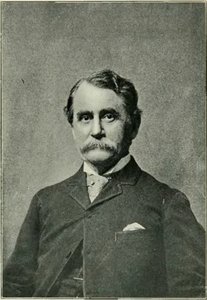
George Henry Yewell
1830 - 1923 , United States of America
Основные сведения
- Artistic Movement Or Style: Orientalist
- Artists Or Movements Influenced By This Artist: ['Henry T. Tuckerman']
- Artists Who Influenced This Artist:
- Thomas Cole
- Charles Mason
- Date Of Birth: January 20, 1830
- Date Of Death: September 26, 1923
- Full Name: George Henry Yewell
- Nationality: American
- Notable Artworks:
- Convent near Rome
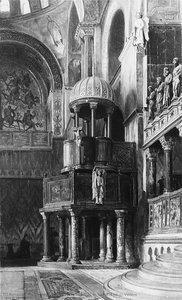
- Pulpit in Saint Mark's, Venice
- Place Of Birth: Havre de Grace, Maryland
Похожие статьи

Жорж Брак: 25 шедевров кубизма для ценителей искусства и интерьера
Откройте для себя 25 шедевров Жоржа Брака – пионера кубизма! Узнайте историю создания культовых картин, технику и влияние французского художника на искусство XX века. Репродукции высокого качества для вашего интерьера на ArtsDot.com.

Evocations of Place: A Historical Journey Through Landscape Art
Explore the rich history of landscape art with ArtsDot. Discover renowned artists, movements like Impressionism & Romanticism, and expert guidance for collecting timeless pieces. Find your perfect serene escape today!
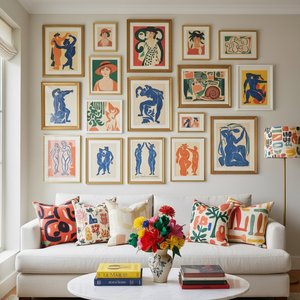
Топ-25 шедевров Анри Матисса: Цвет и форма в интерьере с ArtsDot
Погрузитесь в мир Анри Матисса! 25 шедевров фовизма, ярких красок и новаторских техник. Узнайте историю создания культовых картин художника и вдохновитесь для интерьера с ArtsDot.com – музейное качество репродукций.

Жорж Сёра: 25 шедевров великого мастера пуантилизма | ArtsDot
Откройте для себя 25 шедевров Жоржа Сёра – пионера пуантилизма! Узнайте историю создания культовых картин, технику письма и влияние импрессионизма. Репродукции высокого качества на ArtsDot.com. Искусство для вашего интерьера.

Романтический пейзаж: 10 шедевров, изменивших искусство | ArtsDot.com
Погрузитесь в мир романтического пейзажа! 10 шедевров Фридриха, Тёрнера и других гениев. Узнайте историю создания культовых картин и вдохновитесь для декора интерьера. Репродукции высокого качества на ArtsDot.com.