Предпросмотр
 Поделиться
 Поделиться
 Детали произведения

 Скачать
 Похожие работы
 Рентгенография
 Слайд-шоу
 Статистика
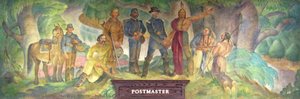
Индейцы передают землю


 Читать далее
Масляная репродукция ручной работы
Картина маслом на холсте в выбранном вами размере и раме, написанная на заказ нашими художниками. ( Перейти к печати Перейти к цифровым изображениям)




P118B $10

P118H $10

P118W $10

P438Z $10

P508JH $12

P508YH $12

P805H $10

P805Z $10

P919BZ $10

P919G $10

P919XJ $10

P959ZH $10

P968JZ $12

W106C $8

W218G $10

W218JH $8

W218Y $10

W307PJ $10

W316G $10

W316PJ $8

W316Y $10

W398PJ $8

W4111J $10

W500HY $15

W500JH $15

W692G $12

W849H $8

W940BG $15

W953PJ $8

Выберите один из наших стандартных размеров, соответствующих оригинальным пропорциям произведения искусства.

Вы можете указать собственные размеры, чтобы картина идеально вписалась в выбранную раму или пространство. Если выбранный вами размер не соответствует пропорциям оригинала, мы либо обрежем полотно, либо расширим его за счет дополнительных элементов, написанных вручную. Цифровой макет будет отправлен вам на утверждение перед началом производства.
Обратите внимание, что предварительный просмотр на экране не отражает фактическую обрезку или расширение. Только макет точно покажет окончательную композицию.
Хотя доступны индивидуальные размеры, мы рекомендуем выбирать вариант из предопределенного списка, чтобы сохранить исходные пропорции.
После оформления заказа команда ArtsDot.com свяжется с клиентом по электронной почте для уточнения деталей и предоставит предварительный макет
Доставка по всему миру () за 3–4 недели вместо стандартных 5 недель. (15 Сентябрь). Без компромиссов в качестве.

Бесплатная экспресс-доставка по всему миру

Высококачественный льняной холст

Полное страхование доставки

Гарантия возмещения таможенных пошлин

Гарантия точного соответствия цветов

100-дневная политика возврата (только при обнаружении дефектов)

Гарантия возврата 100% средств

Предложение оптовых скидок
 Вариант со стеклом доступен только для размеров менее 110 см

Индейцы передают землю
Техника репродукции
Размер репродукции
-


Итоговая стоимость
$ 263
Индианцы и Земля: Эпоха Религии и Надежды в Живописи Джорджа Мельвилла Смита
Джордж Мельвилл Смит (1879 – 1979) занимает особое место в истории американской живописи, особенно в контексте Проекта по облегчению искусства при Финансовом Министерстве во время Великой Депрессии. Рожденный в Чикаго среди бурно развивающейся художественной среды — его семья воспитывала любовь к творчеству и культуре — ранние годы Смита сформировали его эстетические взгляды и вдохновили на создание произведений искусства, отражающих дух времени.
Смит начал свою профессиональную деятельность как архитекторский ученик и коммерческий художник, что дало ему глубокое понимание визуального языка и умение передавать сложные идеи через изображение. Однако его истинным призванием оказалась живопись, где он смог реализовать свой талант и создать произведения искусства, которые продолжают вдохновлять зрителей по сей день.
Мурлы Джорджа Мельвилла Смита для Почтового Офиса в городе Кронпойнт и Элмхёрст (1938) и Парк Ридж (1940) являются ярким примером искусства эпохи Депрессии. Эти масштабные работы были созданы в рамках Проекта по облегчению искусства при Финансовом Министерстве США и отражают стремление художников использовать искусство как средство выражения социальных проблем и укрепления национальной идентичности.
Смит был членом Художественного Клуба Чикаго и Общества Чикагских Художников и впоследствии стал пятым президентом Общества Чикаго Искусств. Его творчество оказало значительное влияние на развитие американской живописи и вдохновило многих художников последующих поколений.
Особое внимание следует уделить технике работы Смита — он использовал метод масляной живописи на холсте, что позволяет добиться реалистичной передачи света и тени и создает ощущение глубины пространства. Кроме того, художник тщательно работал над композицией и цветовой палитрой, чтобы передать эмоциональный посыл картины и вызвать у зрителя определенные чувства.
Мурлы Смита отличаются глубоким символизмом и отражают темы религии и надежды — ключевые понятия для американской культуры того времени. Использование традиционных мотивов и образов подчеркивает связь художника с историческим контекстом и передает ощущение единства и гармонии между человеком и природой.
Сегодня эти работы Смита являются ценным источником вдохновения для художников и дизайнеров интерьера, которые стремятся создать произведения искусства, отражающие дух времени и выражающие глубокие человеческие эмоции. Они напоминают нам о важности сохранения культурного наследия и о том, как искусство может способствовать формированию мировоззрения и нравственных ценностей.
Похожие произведения


Биография художника
The Architect of Everyday Life: The Legacy of George Melville Smith
In the heart of Chicago, amidst the industrial pulse and burgeoning cultural energy of the late nineteenth century, George Melville Smith was born in 1879. His early years were marked by a unique duality; before he ever picked up a brush to capture the soul of a subject, he served as an apprentice to an architect. This foundational period instilled in him a profound understanding of structure, space, and the skeletal strength of the built environment—elements that would later lend a remarkable sense of permanence and weight to his paintings. As he transitioned from the drafting table to the easel at the age of seventeen, Smith began formal studies at the prestigious School of the Art Institute of Chicago, setting the stage for a century-long journey through the evolution of American art.
The trajectory of Smith’s development was profoundly shaped by his wanderlust and his thirst for classical mastery. Seeking to expand his visual vocabulary beyond the American Midwest, he embarked on a transformative sojourn through Europe. For nearly two years, he immersed himself in the light and legacy of Italy, France, and Spain, absorbing the timeless techniques of the Old Masters. This period of exploration reached a pivotal moment in Paris, where he studied under the influential André Lhote. Under Lhote’s guidance, Smith began to navigate the complex waters of modernism, learning to assimilate classical observation with the emerging rhythms of contemporary art. This synthesis allowed him to move beyond mere imitation, developing a style that could bridge the gap between traditional figure painting and the structured sensibilities of the modern age.
A Chronicler of the American Spirit
While his training was rooted in European tradition, Smith’s heart remained tethered to the social realities of his homeland. During the profound economic hardships of the 1930s, he emerged as a vital voice within the Treasury Relief Art Project (TRAP). This era demanded an art that did not merely decorate but documented; it required a visual language capable of honoring the dignity of labor and the resilience of the common person. Smith rose to this challenge with remarkable grace, utilizing his skills as a muralist to transform public spaces into narrative landscapes. His work in post offices across Illinois—including locations such as Crown Point, Elmhurst, and Park Ridge—served as a silent, painted testament to the strength of the working class.
His murals were far more than civic ornaments; they were profound explorations of human endurance. Whether depicting the rhythmic toil of industry or the quiet moments of domestic life, Smith’s brushwork carried an Impressionistic warmth that softened the starkness of social realism. He possessed a rare ability to capture the fleeting beauty within ordinary circumstances, imbuing his subjects with a monumental quality. His contributions to the Schubert School in Chicago, featuring works such as The Life of Franz Schubert and The Hurricane, further demonstrate his capacity to handle both historical reverence and dramatic intensity. Through these large-scale compositions, Smith ensured that the struggles and triumphs of the era were etched into the very walls of the community.
An Enduring Artistic Impression
George Melville Smith’s career spanned an incredible century, witnessing the birth of modernism and the transformation of the American landscape. Though he eventually settled in Fayette, Kentucky, his artistic identity remained inextricably linked to the grit and grandeur of the Midwest and the sophisticated lessons of Paris. His oeuvre, characterized by its mastery of genre, figure, and interior painting, remains a vital archive of an era defined by both hardship and hope.
To reflect on the breadth of his contribution is to recognize several key pillars of his artistry:
- Structural Integrity: The lasting influence of his architectural apprenticeship, which provided a disciplined foundation for his compositions.
- Cultural Synthesis: The seamless blending of American social realism with the refined techniques learned in the studios of Europe and Paris.
- Civic Narrative: His role as a muralist who used public art to foster national morale and celebrate the dignity of everyday life during the Great Depression.
- Versatility of Vision: An ability to move between the intimate scale of canvas painting and the monumental demands of large-scale public murals.
Today, the works of George Melville Smith stand as more than mere relics of the past; they are windows into a period of profound transition. He remains a celebrated figure for those seeking to understand the intersection of personal artistry and social responsibility, leaving behind a legacy that continues to resonate with the enduring strength of the human spirit.
George Melville Smith
1879 - 1979 , United States of America
Основные сведения
- Artistic Movement Or Style: Social realism
- Artists Who Influenced This Artist: ['George Whyte-Melville']
- Date Of Birth: May 12, 1879
- Date Of Death: 1979
- Full Name: George Melville Smith
- Nationality: American
- Notable Artworks: ['Indians Cede the Land']
- Place Of Birth: Chicago, United States
Похожие статьи

Жорж Сёра: 25 шедевров великого мастера пуантилизма | ArtsDot
Откройте для себя 25 шедевров Жоржа Сёра – пионера пуантилизма! Узнайте историю создания культовых картин, технику письма и влияние импрессионизма. Репродукции высокого качества на ArtsDot.com. Искусство для вашего интерьера.

Жорж Брак: 25 шедевров кубизма для ценителей искусства и интерьера
Откройте для себя 25 шедевров Жоржа Брака – пионера кубизма! Узнайте историю создания культовых картин, технику и влияние французского художника на искусство XX века. Репродукции высокого качества для вашего интерьера на ArtsDot.com.

Роспись стен как визуальная идентичность бренда: руководство для отельеров и дизайнеров
Узнайте, как роспись стен может стать мощным инструментом брендинга для вашего отеля или ресторана. Советы экспертов по дизайну и реализации от .

Преображение интерьеров: как муралы переосмысливают кухни и ванные комнаты
Узнайте, как муралы преобразят вашу кухню и ванную комнату! Экспертные советы по выбору дизайна, материалам и уходу. Создайте уникальный интерьер с помощью росписи стен.

От джунглей до золотой геометрии: тренды муралов для стильных интерьеров отелей
Узнайте о последних трендах муралов для отелей! Экспертные советы по выбору стиля, заказу и интеграции настенной живописи в дизайн интерьера. Создайте уникальную атмосферу с .