

 Предпросмотр
 Поделиться
 Поделиться
 Детали произведения

 Скачать
 Похожие работы
 Рентгенография
 Слайд-шоу
 Статистика
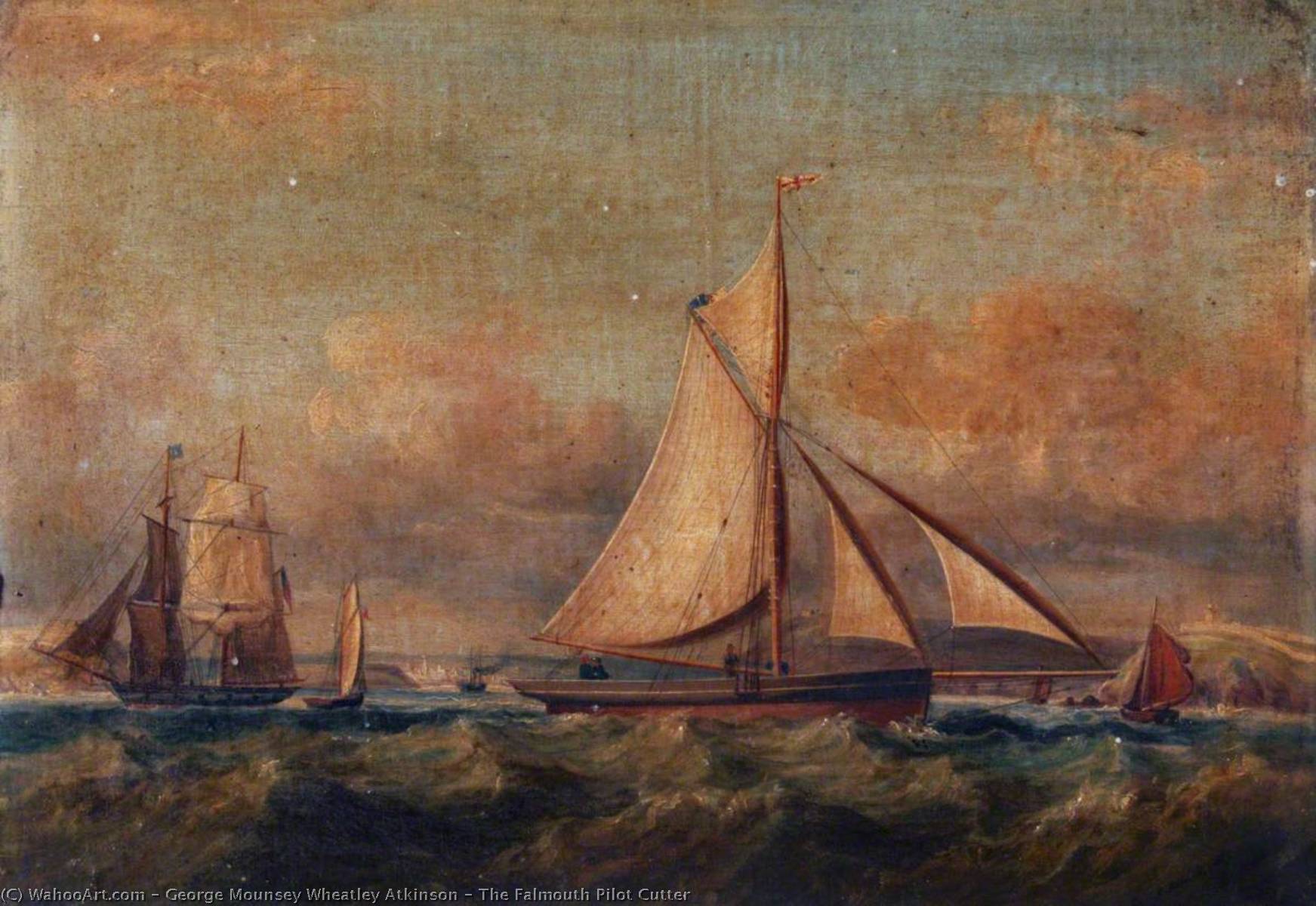
The Falmouth Pilot Cutter
 Academic Realism
 1858
1858 31.0 x 43.0 cm
 Читать далее
Масляная репродукция ручной работы
Картина маслом на холсте в выбранном вами размере и раме, написанная на заказ нашими художниками. ( Перейти к печати Перейти к цифровым изображениям)




































Выберите один из наших стандартных размеров, соответствующих оригинальным пропорциям произведения искусства.

Вы можете указать собственные размеры, чтобы картина идеально вписалась в выбранную раму или пространство. Если выбранный вами размер не соответствует пропорциям оригинала, мы либо обрежем полотно, либо расширим его за счет дополнительных элементов, написанных вручную. Цифровой макет будет отправлен вам на утверждение перед началом производства.
Обратите внимание, что предварительный просмотр на экране не отражает фактическую обрезку или расширение. Только макет точно покажет окончательную композицию.
Хотя доступны индивидуальные размеры, мы рекомендуем выбирать вариант из предопределенного списка, чтобы сохранить исходные пропорции.
После оформления заказа команда ArtsDot.com свяжется с клиентом по электронной почте для уточнения деталей и предоставит предварительный макет
Доставка по всему миру () за 3–4 недели вместо стандартных 5 недель. (13 Сентябрь). Без компромиссов в качестве.

Бесплатная экспресс-доставка по всему миру

Высококачественный льняной холст

Полное страхование доставки

Гарантия возмещения таможенных пошлин

Гарантия точного соответствия цветов

100-дневная политика возврата (только при обнаружении дефектов)

Гарантия возврата 100% средств

Предложение оптовых скидок
 Вариант со стеклом доступен только для размеров менее 110 см

The Falmouth Pilot Cutter
Техника репродукции
Размер репродукции
-


Итоговая стоимость
$ 263
Похожие произведения
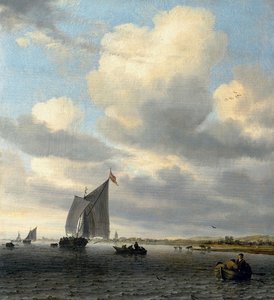
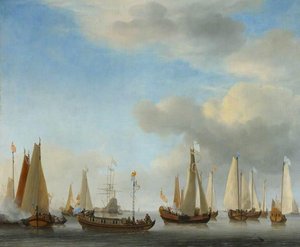
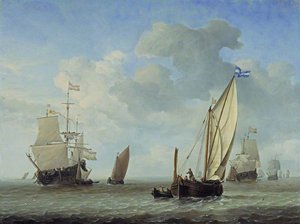
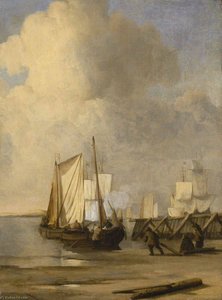
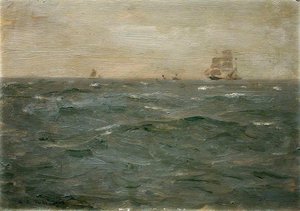
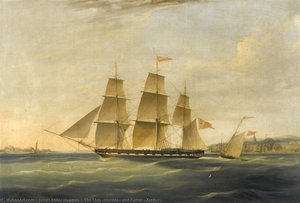
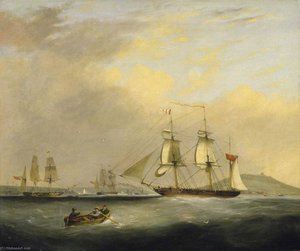
Биография художника
A Chronicler of a Vanishing World: The Life and Art of George Mounsey Wheatley Atkinson
George Mounsey Wheatley Atkinson, though perhaps less widely celebrated than some of his contemporaries, occupies a unique and vital position in the history of 19th-century Irish art. His name is inextricably linked with Cork Harbour, a bustling maritime hub that he documented with meticulous detail and an artist’s keen eye for atmosphere. Born into a world rapidly changing – a world where sail was giving way to steam, and traditional ways of life were yielding to industrial progress – Atkinson dedicated his career to preserving the visual memory of this transition, creating a remarkable record of ships, sailors, dockyards, and the vibrant coastal communities that thrived around Ireland’s southern coast. While biographical details remain somewhat sparse, the sheer volume and quality of his work speak volumes about his dedication and skill. He wasn't merely painting pictures; he was constructing a visual archive, capturing a fleeting moment in time before it disappeared forever. Atkinson’s art provides an invaluable glimpse into the social fabric, economic realities, and everyday life of 19th-century Ireland, offering historians and art enthusiasts alike a rich source of information and aesthetic pleasure.Early Influences and Artistic Development
The precise details of Atkinson's early training are not fully known, but it is believed he received instruction from local artists in the Cork area. The influence of earlier marine painters is evident in his work, particularly those who focused on detailed ship studies and dramatic seascapes. However, Atkinson quickly developed a distinctive style that moved beyond mere technical proficiency. He possessed an exceptional ability to capture light and shadow, imbuing his paintings with a sense of realism rarely found in more romanticized depictions of maritime life. His early works often featured precise renderings of individual vessels, showcasing the intricate details of rigging, sails, and hull construction. As his career progressed, Atkinson broadened his scope, incorporating wider views of Cork Harbour, bustling quaysides teeming with activity, and portraits of sailors and dockworkers. This shift suggests a growing interest in portraying not just *what* was being seen, but also *who* was involved in the maritime trade and the broader social context surrounding it. The influence of the plein air movement can be detected in his later works, with a greater emphasis on capturing the atmospheric conditions and natural light of the Irish coastline.Cork Harbour: A Life’s Work
Atkinson's enduring legacy rests upon his extensive series of paintings depicting Cork Harbour. He wasn’t simply drawn to the picturesque beauty of the harbor; he was fascinated by its dynamic energy, its complex network of trade routes, and the lives of those who depended on it for their livelihood. His canvases are filled with a remarkable array of vessels – from majestic three-masted schooners to humble fishing boats – each meticulously rendered with an attention to detail that borders on photographic accuracy. He documented the arrival and departure of ships from around the world, capturing the excitement and bustle of port activity. Beyond the ships themselves, Atkinson’s paintings offer a fascinating glimpse into the daily lives of sailors, dockworkers, merchants, and passengers. His scenes are populated with figures engaged in various activities – loading cargo, repairing sails, negotiating deals, or simply enjoying a moment of respite from their arduous work. The artist's commitment to capturing these everyday moments elevates his work beyond mere topographical representation; he was creating a social history painted onto canvas. He became closely associated with the Cork Art Union, exhibiting regularly and gaining recognition for his ability to portray local scenes with authenticity and skill.Technique and Style: A Blend of Realism and Narrative
Atkinson’s technique is characterized by a remarkable blend of realism and narrative detail. He employed a meticulous brushstroke, carefully layering paint to create depth and texture. His palette was typically subdued, favoring earth tones and muted blues that accurately reflected the atmospheric conditions of the Irish coastline. However, he wasn't afraid to use brighter colors to highlight specific details or capture the dramatic effects of sunlight on water. His compositions are often complex, featuring multiple figures and vessels arranged in a dynamic interplay of space and form. Atkinson’s paintings aren’t simply static representations; they convey a sense of movement, energy, and life. He had an exceptional ability to capture the play of light on water, creating shimmering reflections that add depth and realism to his scenes. Furthermore, he often incorporated subtle narrative elements into his work, hinting at the stories behind the ships and the people depicted. A carefully placed flag, a gesture between two sailors, or a glimpse of activity within a ship’s cabin – these details invite viewers to imagine the lives and experiences of those who inhabited this maritime world.Historical Significance and Lasting Legacy
George Mounsey Wheatley Atkinson's work holds significant historical value as a visual record of 19th-century Irish life, particularly within the context of Cork Harbour’s thriving maritime trade. His paintings provide invaluable insights into ship design, port infrastructure, and the social dynamics of coastal communities. They offer a rare glimpse into a world that has largely disappeared – a world where sail dominated the seas, and traditional ways of life were deeply intertwined with the rhythms of nature. While he may not have achieved widespread fame during his lifetime, Atkinson’s paintings are now recognized as important historical documents and compelling works of art. His dedication to capturing the authenticity of Irish maritime life has ensured that his legacy endures, providing future generations with a vivid and evocative glimpse into a vanishing world.- His work is increasingly sought after by collectors and museums.
- He provides an important visual counterpoint to more romanticized depictions of the sea.
- Atkinson’s paintings continue to inspire artists and historians alike.
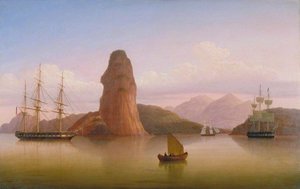
Похожие статьи

Масляная живопись: История, техника и непреходящее наследие
Узнайте все о масляной живописи: история техники, секреты мастеров и современные тенденции. Погрузитесь в мир искусства с экспертами !

The Enduring Legacy of Oil on Canvas: Technique, History & Aesthetic Impact
Explore the rich history & techniques of oil painting – from Renaissance masters to Impressionism. Discover pigments, layering methods, and why this timeless medium endures. Expert insights for artists & art enthusiasts.
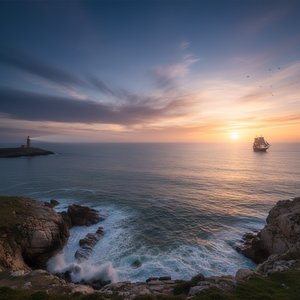
The Allure of the Horizon: A Comprehensive Exploration of Seascape Art Through History & Emotion
Explore the captivating world of seascape art! Discover its history, key artists & movements – from Dutch Masters to Impressionism. Expert insights for collectors and enthusiasts at ArtsDot.

Oil on Canvas: A Historical & Technical Exploration of a Timeless Artistic Medium
Explore the rich history & enduring techniques of oil painting on canvas. Discover the science behind its longevity, conservation practices, and contemporary relevance. Expert insights for art enthusiasts.

The Enduring Power of Painting: A Historical & Contemporary Exploration of Form and Emotion
Explore the rich history & enduring techniques of oil painting with ArtsDot. Discover masterpieces, learn about art collecting, and find authentic handmade reproductions crafted by skilled artists.