

 Предпросмотр
 Поделиться
 Поделиться
 Детали произведения

 Скачать
 Похожие работы
 Рентгенография
 Слайд-шоу
 Статистика
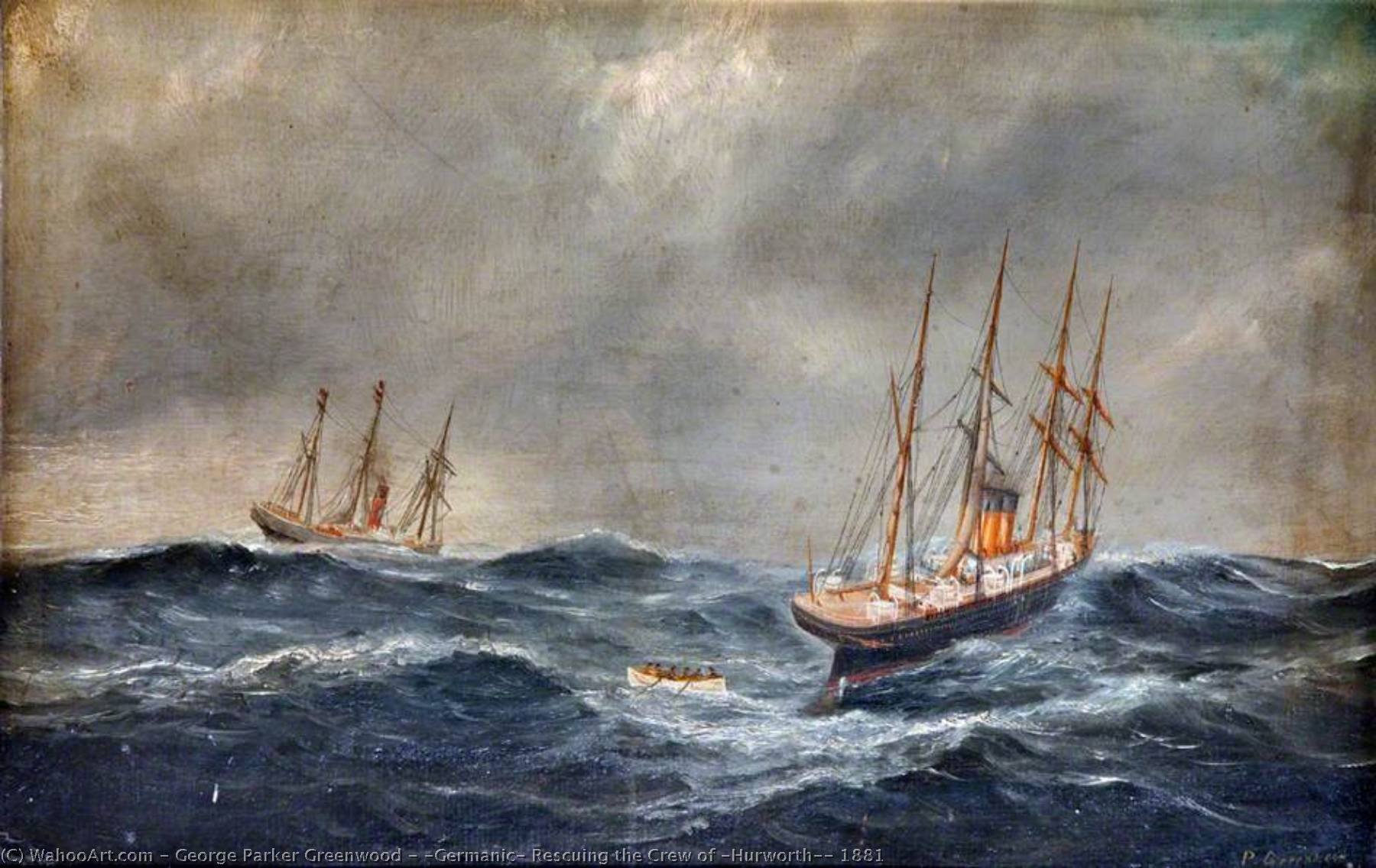
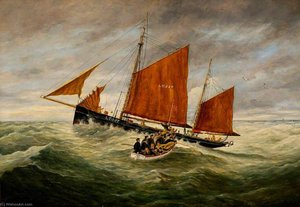
'Germanic' Rescuing the Crew of 'Hurworth', 1881
 Other
Other 32.0 x 51.0 cm
 Читать далее
Жикле / Арт-принт
Печать (жикле) или холст музейного качества с быстрыми сроками изготовления и широким выбором вариантов отделки. ( Купить картину ручной работы Перейти к цифровым изображениям)




































Выберите один из наших стандартных размеров, соответствующих оригинальным пропорциям произведения искусства.

Вы можете указать свои собственные размеры, чтобы репродукция идеально подошла под конкретную раму или пространство. Если выбранный вами размер не будет соответствовать пропорциям оригинала, мы либо обрежем произведение, либо дополним изображение зеркальным отражением краев или однотонной заливкой. Перед началом производства вам будет отправлен цифровой макет для утверждения.
Пожалуйста, обратите внимание, что предварительный просмотр на экране не отображает фактическую обрезку или расширение изображения. Только макет точно покажет финальную композицию.
Несмотря на возможность заказа индивидуальных размеров, мы рекомендуем выбирать размер из предопределенного списка, чтобы сохранить оригинальные пропорции.
Доставка по всему миру () за 2 недели вместо стандартных 4/5 недель. (13 Сентябрь)

Бесплатная экспресс-доставка по всему миру

Высококачественный льняной холст

Полное страхование доставки

Гарантия возмещения таможенных пошлин

Гарантия точного соответствия цветов

100-дневная политика возврата (только при обнаружении дефектов)

Гарантия возврата 100% средств

Предложение оптовых скидок
 Вариант со стеклом доступен только для размеров менее 110 см

'Germanic' Rescuing the Crew of 'Hurworth', 1881
Жикле / Арт-принт
Размер репродукции
-


Итоговая стоимость
$ 62
Похожие произведения

Биография художника
George Parker Greenwood (1850 – 1904): A Liverpool Mariner’s Painter
George Parker Greenwood was born in Liverpool, England, in 1850, into a family steeped in maritime tradition. His father, William Greenwood, was a shipowner and trader, instilling in young George a lifelong fascination with the sea and its role in shaping British commerce and culture. This familial connection profoundly influenced Greenwood’s artistic vision, propelling him to dedicate his life to capturing the grandeur and drama of Liverpool's harbor landscape and the voyages of its merchant ships.- Early Life & Education: Greenwood received a formal education at Rugby School, honing his skills in mathematics and classical studies – disciplines that would later inform his meticulous attention to detail and compositional precision.
- Move to Paris (1876): Seeking artistic inspiration and exposure to European avant-garde movements, Greenwood relocated to Paris in 1876 where he studied under Gustave Boulanger, a prominent figure in the Symbolist movement. Boulanger’s emphasis on emotive expression and mythological subjects resonated deeply with Greenwood, shaping his stylistic preferences.
- Return to Liverpool & Artistic Development: Returning to Liverpool in 1880, Greenwood established himself as a prolific painter, primarily focusing on maritime scenes—ships battling storms, coastal vistas bathed in twilight, and portraits of seafaring men. He developed a distinctive realist style characterized by painstaking observation and meticulous brushwork, capturing the textures and nuances of the natural world with remarkable accuracy.
Notable Works & Artistic Style
Greenwood’s oeuvre comprises over 300 paintings, predominantly executed in oil on canvas. His artistic style is undeniably influenced by Gustave Boulanger's Symbolist aesthetic but transcends mere imitation; Greenwood achieved a remarkable synthesis of Impressionistic techniques with meticulous realism. He skillfully employed atmospheric perspective to convey the mood and drama of his subjects—often depicting turbulent seas rendered with vibrant colors and dynamic brushstrokes—while simultaneously rendering intricate details of ship construction, rigging, and human anatomy with astonishing precision.- ‘Germanic’ Rescuing the Crew of ‘Hurworth’, 1881: This monumental canvas exemplifies Greenwood's mastery of dramatic composition and tonal gradation. The painting portrays a perilous maritime rescue operation amidst a raging storm, capturing the raw emotion and physicality of the scene with unflinching realism.
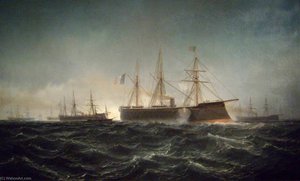
- ‘Germanic’ in the Mersey: Another celebrated work showcases Greenwood’s ability to convey both grandeur and intimacy within a single frame. The depiction of a White Star Line steamship departing Liverpool captures the bustling energy of Victorian port life, blending Impressionistic color palettes with meticulous attention to architectural detail.
- The White Star Line Steamship ‘Adriatic’ Leaving Liverpool: Greenwood's portrayal of the Adriatic exemplifies his dedication to capturing the essence of maritime experience—the interplay of light and shadow on the ship’s hull, the faces of its crew reflecting the challenges of seafaring life.
Historical Significance & Legacy
George Parker Greenwood's paintings stand as invaluable records of Victorian Liverpool and British maritime history. They offer a glimpse into the daily lives of sailors, shipbuilders, and merchants—individuals who played a pivotal role in shaping Britain’s economic prosperity and imperial ambitions. Furthermore, Greenwood’s artistic innovations – his masterful blending of Impressionistic color palettes with meticulous realism – contributed to the development of British watercolor painting and influenced subsequent generations of artists. His legacy continues to inspire admiration for his unwavering commitment to capturing the beauty and drama of the sea, cementing his place as one of Liverpool's most distinguished painters.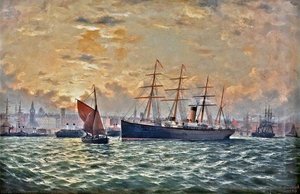
george parker greenwood
1850 - 1904
Основные сведения
- Artistic Movement Or Style: Realism
- Artists Or Movements Influenced By This Artist: ['Hudson Lowe']
- Artists Who Influenced This Artist:
- William Holman Hunt
- John Ruskin
- Date Of Birth: 1850
- Date Of Death: 1904
- Full Name: George Parker Greenwood
- Nationality: British
- Notable Artworks:
- Germanic Rescuing the Crew of 'Hurworth'
- 'Germanic' in the Mersey
- Place Of Birth: Liverpool, England
Похожие статьи

Жорж Брак: 25 шедевров кубизма для ценителей искусства и интерьера
Откройте для себя 25 шедевров Жоржа Брака – пионера кубизма! Узнайте историю создания культовых картин, технику и влияние французского художника на искусство XX века. Репродукции высокого качества для вашего интерьера на ArtsDot.com.
Bring the Ocean Home: Captivating Maritime Paintings to Transform Your Space with Timeless Elegance
Transform your home with breathtaking maritime oil paintings. From serene seascapes to dramatic nautical scenes, discover hand-painted reproductions that bring the ocean's soul to your space. Expertly crafted for collectors seeking timeless elegance and coastal tranquility.

Жорж Сёра: 25 шедевров великого мастера пуантилизма | ArtsDot
Откройте для себя 25 шедевров Жоржа Сёра – пионера пуантилизма! Узнайте историю создания культовых картин, технику письма и влияние импрессионизма. Репродукции высокого качества на ArtsDot.com. Искусство для вашего интерьера.

The Enduring Legacy of Oil on Canvas: Technique, History & Aesthetic Impact
Explore the rich history & techniques of oil painting – from Renaissance masters to Impressionism. Discover pigments, layering methods, and why this timeless medium endures. Expert insights for artists & art enthusiasts.

Oil on Canvas: A Historical & Technical Exploration of a Timeless Artistic Medium
Explore the rich history & enduring techniques of oil painting on canvas. Discover the science behind its longevity, conservation practices, and contemporary relevance. Expert insights for art enthusiasts.