

 Предпросмотр
 Поделиться
 Поделиться
 Детали произведения

 Скачать
 Похожие работы
 Рентгенография
 Слайд-шоу
 Статистика
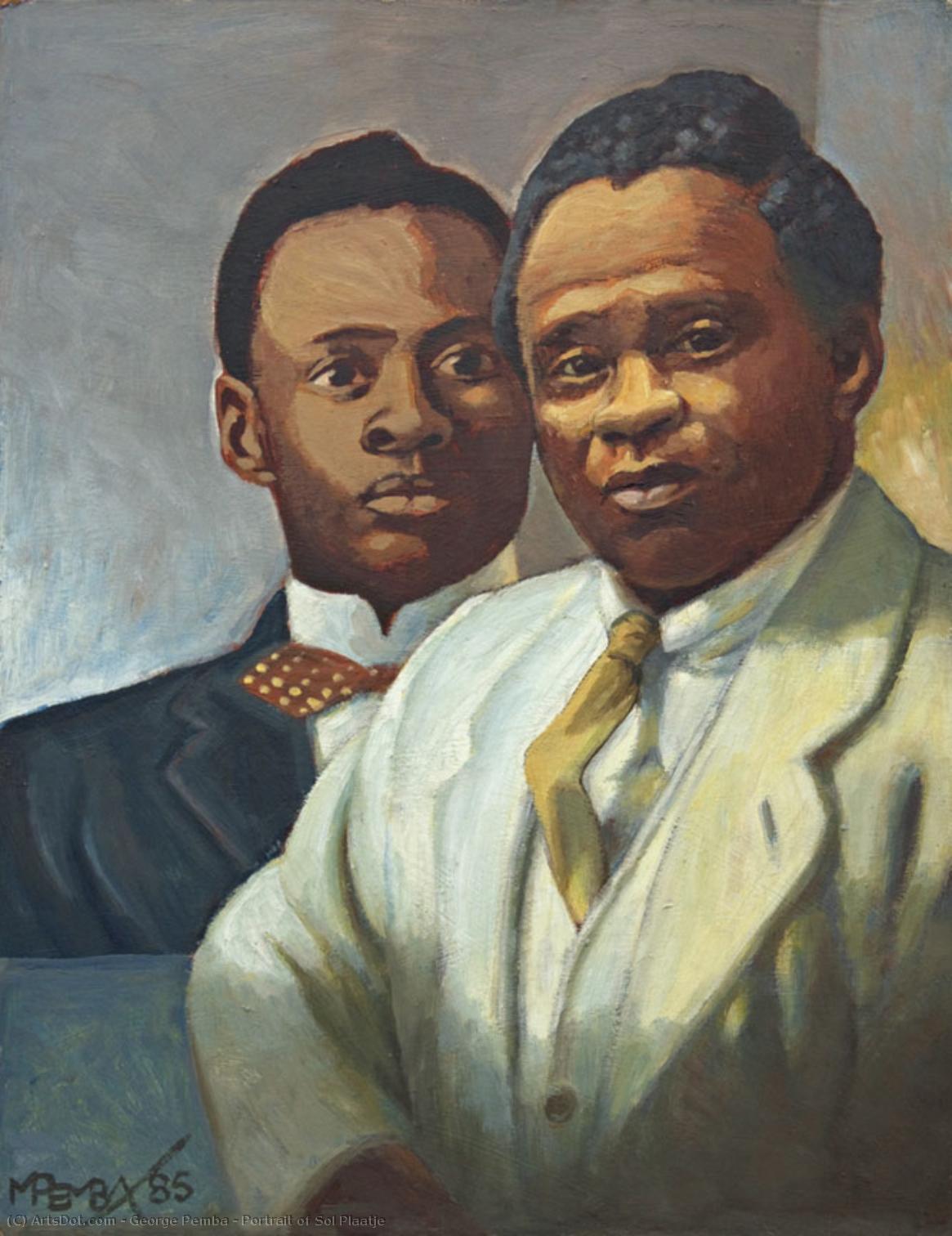
Portrait of Sol Plaatje


 Читать далее
Масляная репродукция ручной работы
Картина маслом на холсте в выбранном вами размере и раме, написанная на заказ нашими художниками. ( Перейти к печати Перейти к цифровым изображениям)




































Выберите один из наших стандартных размеров, соответствующих оригинальным пропорциям произведения искусства.

Вы можете указать собственные размеры, чтобы картина идеально вписалась в выбранную раму или пространство. Если выбранный вами размер не соответствует пропорциям оригинала, мы либо обрежем полотно, либо расширим его за счет дополнительных элементов, написанных вручную. Цифровой макет будет отправлен вам на утверждение перед началом производства.
Обратите внимание, что предварительный просмотр на экране не отражает фактическую обрезку или расширение. Только макет точно покажет окончательную композицию.
Хотя доступны индивидуальные размеры, мы рекомендуем выбирать вариант из предопределенного списка, чтобы сохранить исходные пропорции.
После оформления заказа команда ArtsDot.com свяжется с клиентом по электронной почте для уточнения деталей и предоставит предварительный макет
Доставка по всему миру () за 3–4 недели вместо стандартных 5 недель. (12 Сентябрь). Без компромиссов в качестве.

Бесплатная экспресс-доставка по всему миру

Высококачественный льняной холст

Полное страхование доставки

Гарантия возмещения таможенных пошлин

Гарантия точного соответствия цветов

100-дневная политика возврата (только при обнаружении дефектов)

Гарантия возврата 100% средств

Предложение оптовых скидок
 Вариант со стеклом доступен только для размеров менее 110 см

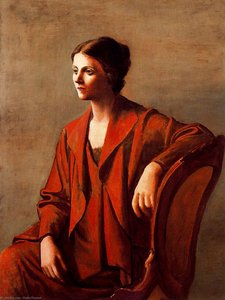
Portrait of Sol Plaatje
Техника репродукции
Размер репродукции
-


Итоговая стоимость
$ 288
Похожие произведения






Биография художника
Paul Jackson Pollock: A Dance of Color and Chaos
Born in Cody, Wyoming, on January 28, 1912, into a family rooted in the rugged landscapes of the American West, Paul Jackson Pollock’s life was one of constant movement and transformation. His early years were marked by frequent relocations across California, Arizona, and eventually to Los Angeles, shaped by his parents' itinerant careers – his father as a grain buyer and his mother supporting the family through home renovation. This restless upbringing instilled in him a sense of displacement and an acute awareness of change, themes that would profoundly influence his artistic vision. Pollock’s heritage was a blend of Irish and Scots-Irish ancestry, a connection to a history of frontier life that subtly informed his later explorations of American identity.
His formal education was sporadic, punctuated by periods of self-directed study and experimentation. He briefly attended Manual Arts High School in Los Angeles, where he encountered Frederick John de St. Vrain Schwankovsky, an artist and member of the Theosophical Society. This encounter introduced him to esoteric ideas about consciousness and the interconnectedness of all things – concepts that would later manifest in the seemingly random yet deeply felt compositions of his paintings.
The Emergence of a Unique Style
Pollock’s artistic journey began modestly, experimenting with watercolors and charcoal. However, it was in the late 1940s that he developed the revolutionary technique that would define his career: “drip painting.” This involved pouring, dripping, and splattering paint directly onto a canvas laid flat on the floor – a deliberate rejection of traditional easel painting. He utilized commercial house paints, often mixing them with turpentine to achieve desired consistencies. The process was intensely physical, requiring him to move around the canvas, using brushes, sticks, knives, and even his own body as instruments. This action-oriented approach wasn’t simply about applying color; it was a visceral expression of emotion and an attempt to bypass conscious control.
Influenced by European abstract movements like Surrealism and Cubism, Pollock nevertheless forged a distinctly American style. He drew inspiration from the works of Wassily Kandinsky, particularly his exploration of color and its emotional impact, as well as the gestural painting of Franz Marindt. However, unlike these artists, Pollock’s work was characterized by an unparalleled sense of immediacy and spontaneity – a feeling that he was capturing pure, unadulterated emotion in real-time.
Key Works and Recognition
Several paintings stand as pivotal examples of Pollock's development. “Number 1, 1950” (often referred to as "Lavender Mist") is considered a cornerstone of his drip technique, showcasing the fluidity and layered application of paint. “Blue Poles” (1952), created during a residency at Two Trees Farm in New England, demonstrated his ability to create large-scale compositions with vibrant color fields. “Mural” (1950) is perhaps his most ambitious work, covering an entire wall of the Pollock studio with a complex web of lines and colors. These works, along with others like "Convergence" (1952), established him as a leading figure in Abstract Expressionism.
Despite facing initial skepticism from critics who questioned the coherence of his style, Pollock’s work gained increasing recognition during his lifetime. The Museum of Modern Art held a major retrospective exhibition in 1958, solidifying his place within the canon of American art. However, his life was tragically cut short on August 11, 1956, when he died in a car accident – an event that further cemented his status as a tragic hero of the artistic world.
Legacy and Influence
Jackson Pollock’s impact on the art world is immeasurable. His “drip technique” revolutionized painting, challenging traditional notions of composition, process, and representation. He paved the way for subsequent generations of artists to explore gesture, spontaneity, and non-objective forms. His work continues to be studied and admired for its raw emotional power, its innovative approach to materials, and its profound reflection on the nature of creativity.
Beyond his technical innovations, Pollock’s life itself became a subject of fascination. His struggles with alcoholism, his unconventional personal relationships, and his reclusive personality contributed to an aura of mystery that only enhanced his artistic appeal. He remains one of the most iconic and influential figures in 20th-century art – a painter who dared to dance with color and chaos, leaving behind a legacy that continues to inspire and provoke.

george pemba
1912 - 2001 , South Africa
Основные сведения
- Artistic Movement Or Style: Abstract Expressionism, Action Painting
- Artists Or Movements Influenced By This Artist:
- Lee Krasner
- Abstract Expressionism
- Artists Who Influenced This Artist:
- Edward Gordon Craig
- Vasilly Kandinsky
- Date Of Birth: January 28, 1912
- Date Of Death: August 11, 1956
- Full Name: Paul Jackson Pollock
- Nationality: American
- Notable Artworks:
- Blue Poles
- Mural
- Number 17A
- Place Of Birth: Cody, Wyoming, USA