

 Предпросмотр
 Поделиться
 Поделиться
 Детали произведения

 Скачать
 Похожие работы
 Рентгенография
 Слайд-шоу
 Статистика
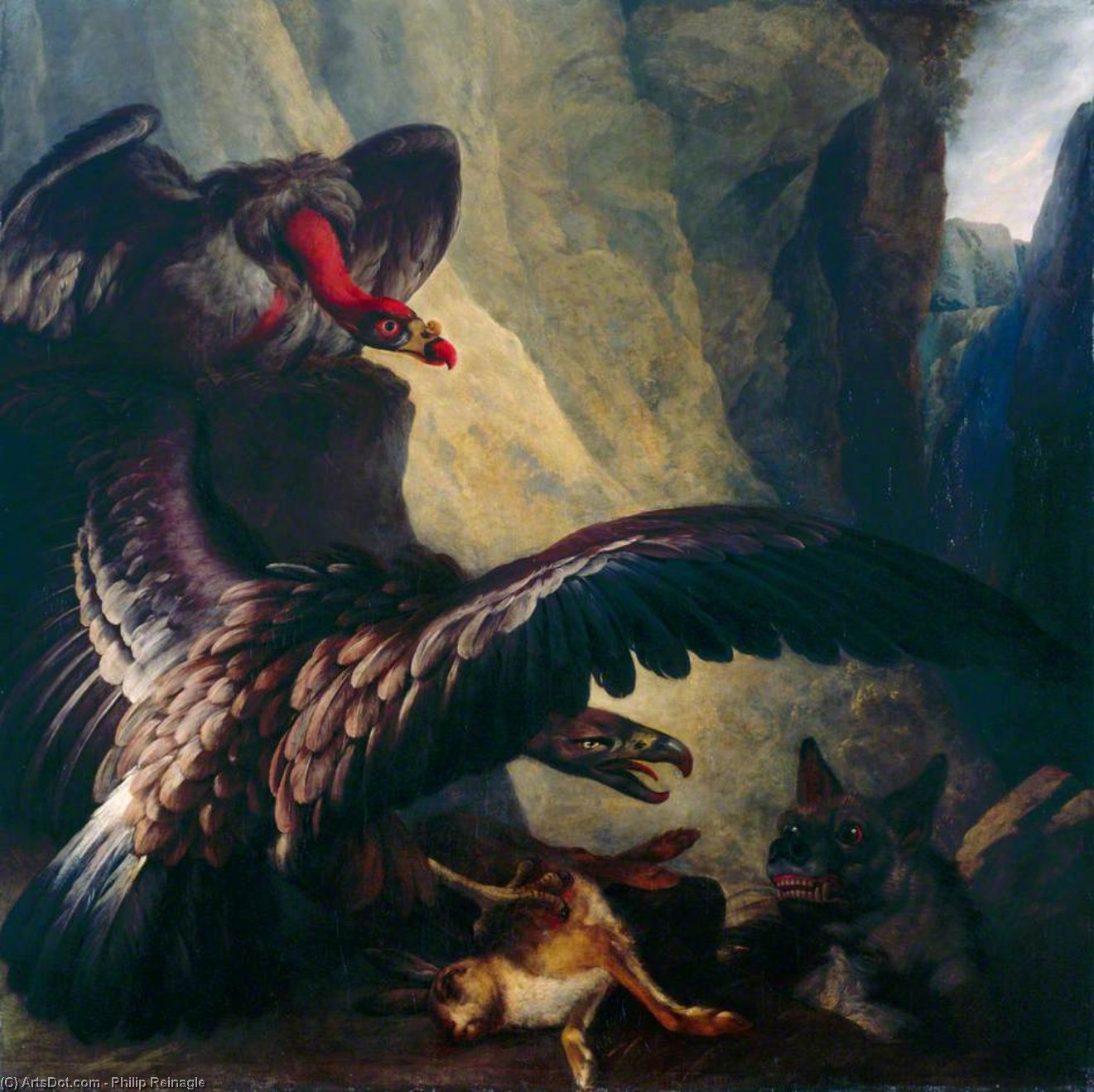
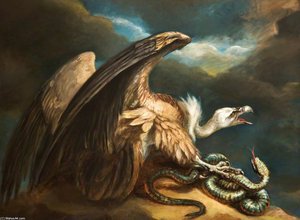
Eagle And Vulture Disputing With A Hyena

 Читать далее
Приобретите цифровое изображение высокого разрешения в улучшенном качестве, которое значительно превосходит онлайн-превью.
Каждый файл тщательно подготавливается нашими специалистами с использованием передовых инструментов и экспертной ручной ретуши. Мы гарантируем исключительную четкость, точную цветопередачу и детальную проработку каждого изображения.
Финальный файл доставляется по электронной почте в течение 72 часов и оптимизирован для немедленного использования в профессиональной среде, при верстке и печати. Это тот же уровень качества, которому доверяют ведущие дизайнерские студии, издательства и галереи.
Цифровое изображение
Скачайте файл высокого разрешения для личного использования, печати и творческих проектов. ( Перейти к печати Купить картину ручной работы)
Включено в каждый заказ цифровых изображений
Гарантия экспертной цифровой доставки
Выбирая ArtsDot.com, вы получаете не просто изображение — вы приобретаете профессионально обработанное цифровое произведение искусства, созданное с безупречной точностью и под защитой гарантии качества. Вот всё, что автоматически входит в ваш заказ:

Мгновенная доставка по e-mail
Ваш цифровой файл в высоком разрешении будет отправлен вам по электронной почте в течение 72 часов после оформления заказа — и сразу станет доступен для использования.

Цифровой файл с ИИ-улучшением
Ваше произведение искусства проходит профессиональную оптимизацию с использованием передовых инструментов ИИ и ручной обработки, что гарантирует максимальную детализацию, четкость и точность цветопередачи.

Бессрочная бесплатная повторная доставка
Случайно удалили или потеряли файл? Не беспокойтесь — мы отправим его вам повторно в любое время и совершенно бесплатно.

Без импортных пошлин — навсегда
Наслаждайтесь вашим произведением искусства мгновенно без таможенных пошлин, сборов или затрат на доставку — цифровые загрузки всегда не облагаются налогом.

Гарантия точности цветопередачи
Мы гарантируем, что ваше цифровое изображение максимально точно передает оригинальные цвета благодаря использованию профессиональных инструментов и систем управления цветом.

Гарантия удовлетворенности 100 дней
Если вы не будете удовлетворены своим цифровым изображением, мы внесем правки или вернем 100% стоимости в течение 100 дней — без лишних вопросов.

100% Гарантия возврата средств
Не удовлетворены покупкой? Получите полный возврат средств в течение 100 дней после получения цифрового файла — без лишних вопросов.

Скидки на оптовые заказы
Купите 3 изображения, сэкономьте 10% — Купите 5, сэкономьте 15% — Купите 10+, сэкономьте 20%. Отличное решение для творческих проектов, галерей и агентств.
A Clash of Predators: Reinagle's Dramatic Wildlife Encounter
George Philip Reinagle’s "Eagle And Vulture Disputing With A Hyena" is a captivating snapshot of 18th-century naturalism, rendered with remarkable detail and dramatic flair. This painting isn't merely an observation of wildlife; it's a carefully constructed narrative depicting a moment of intense competition within the animal kingdom. The scene unfolds against a backdrop of rugged cliffs, bathed in the soft light suggestive of dawn or dusk, creating an atmosphere both serene and charged with tension. The composition centers on three powerful creatures: a large bird likely identified as a turkey vulture (or similar species) displaying agitated behavior, a smaller, darker bird resembling an eagle or hawk, and a menacing hyena below, all locked in what appears to be a territorial dispute. Reinagle’s skill lies not only in his accurate depiction of animal anatomy but also in conveying their individual personalities through posture and expression – the open beak of the vulture, the focused gaze of the eagle, and the bared teeth of the hyena all contribute to the palpable sense of conflict.Style & Technique: Naturalism with Artistic License
Reinagle’s style is firmly rooted in 18th-century naturalism, a movement that emphasized accurate observation of the natural world. However, he wasn't simply documenting reality; he was crafting an artistic interpretation. The painting demonstrates Reinagle’s mastery of oil on canvas, utilizing subtle gradations of color and light to create depth and texture. Notice how the artist uses soft illumination to highlight the animals' forms while casting long shadows that add drama and a sense of realism. While naturalistic in its depiction of animal form, the composition itself is carefully staged – a hallmark of Reinagle’s approach—suggesting an artistic license taken to maximize visual impact and narrative clarity. His earlier training assisting Allan Ramsay on royal portraits undoubtedly influenced his attention to detail and ability to capture character, even within the realm of wildlife.Historical Context & Artistic Trajectory
Created around the late 1700s, this work reflects a growing interest in natural history during the Enlightenment era. The burgeoning field of zoology fueled artistic depictions of animals, often intended to educate as well as entertain. Reinagle’s shift from portraiture to animal painting, beginning around 1785, is significant. Disenchanted with the repetitive nature of royal commissions, he found renewed inspiration in depicting the natural world. His success in portraying sporting dogs and birds established him as a prominent figure within the Royal Academy, where he exhibited regularly. "Eagle And Vulture Disputing With A Hyena" exemplifies this transition, showcasing his evolving artistic focus and demonstrating his ability to capture both the beauty and ferocity of wildlife.Symbolism & Emotional Impact
Beyond its surface depiction of a wildlife encounter, the painting can be interpreted on a symbolic level. The clash between the vulture (often associated with scavenging and decay), the eagle (a symbol of power and dominion), and the hyena (known for its cunning and opportunistic nature) could represent broader themes of competition, survival, and the delicate balance within ecosystems. The emotional impact is immediate: a sense of tension, anticipation, and perhaps even a touch of awe at witnessing such raw natural drama. The painting evokes a feeling of being present in the wild, observing a moment frozen in time—a testament to Reinagle’s skill in capturing not just what he saw, but also the *feeling* of that observation.Похожие произведения
Биография художника
George Philip Reinagle RA: A Master of Animal Painting and Dutch Influence
George Philip Reinagle (1749 – 6 December 1835) stands as a significant figure in the British art landscape of the late 18th and early 19th centuries, celebrated primarily for his exquisite depictions of animals—particularly sporting dogs—and his skillful reproductions of Dutch masters’ landscapes. His artistic journey began amidst the vibrant intellectual milieu of Edinburgh, where he was born to Ramsay Richard Reinagle, a musician who instilled in him an appreciation for artistic pursuits. Moving to London in 1763, Reinagle embarked on a career path shaped by apprenticeship and membership within the Royal Academy, cementing his place amongst Britain’s most esteemed artists.- Early Training & Patronage: Reinagle's formative years were marked by rigorous training under Allan Ramsay, whose influence extended beyond mere stylistic imitation; Ramsay fostered in Reinagle a deep understanding of portraiture and compositional principles – skills that would serve him well throughout his illustrious career.
- Royal Academy Debut & Portraiture Shift: His debut at the Royal Academy in 1773 established Reinagle’s reputation as a painter, initially focusing on portraits of nobility, mirroring the prevailing artistic tastes of the era. However, around 1785, he experienced a notable disillusionment with portraiture, perceiving it as repetitive and lacking creative challenge.
The Rise of Animal Painting & Dutch Masters’ Legacy
Recognizing this dissatisfaction, Reinagle decisively turned his attention to animal painting—a genre that swiftly captivated him and yielded remarkable success. He became renowned for capturing the dynamism and grace of sporting dogs, particularly Spaniels, alongside breathtaking renderings of birds and deceased game animals. This stylistic shift wasn't merely a matter of preference; it represented a profound engagement with contemporary artistic trends and a deliberate exploration of expressive possibilities. Reinagle’s fascination with Dutch landscape painters—Paul Potter, Ruysdael, Hobbema, Berchem, Wouwerman, Adriaen van de Velde, Karel du Jardin—became an enduring influence on his oeuvre. He meticulously studied their techniques, incorporating atmospheric perspective and meticulous detail into his own canvases, thereby honoring the artistic heritage of Holland.- Dutch Influence: Reinagle’s reproductions of Dutch masterpieces – Potter's cattle-pieces, Ruysdael’s interiors, Hobbema’s idyllic landscapes—became celebrated for their accuracy and beauty, establishing Reinagle as a pivotal figure in disseminating Dutch artistic ideals across Britain.
Notable Achievements & Artistic Recognition
Reinagle’s dedication to his craft earned him recognition from the Royal Academy, where he was elected an Associate in 1787 – a prestigious honor signifying substantial accomplishment and artistic merit. Although he didn't ascend to Academician status until 1812, Reinagle presented as his diploma painting “The Eagle and The Vulture Disputing With A Hyena,” demonstrating his mastery of symbolism and narrative composition. Furthermore, Reinagle’s contributions extended beyond easel painting; he served as a draftsman for Robert Thornton's ambitious illustrations of Linnaeus’s Sexual System (1799–1807) and for Thornton’s Philosophy of Botany (1809–10), showcasing his versatility and commitment to disseminating scientific knowledge through visual representation. His drawings for William Taplin’s Sportsman’s Cabinet (1803)—particularly those depicting dogs—were engraved by John Scott, securing Reinagle's legacy as a painter whose work resonated with both artistic excellence and technical innovation.Legacy & Historical Significance
Reinagle’s enduring influence can be seen in his meticulous copies of Dutch landscapes and portraits, which continue to fascinate art historians today. His contribution to the dissemination of Dutch artistic ideals solidified Reinagle's position as a pivotal figure in shaping British visual culture during the Romantic era. Notably, Reinagle’s work gained notoriety for its deceptive authenticity—many reproductions of Dutch masterpieces were falsely presented as originals—underscoring both his skill and the complexities surrounding attribution in 18th-century art circles. Reinagle died peacefully at York Place, Chelsea, London, on November 27, 1833, leaving behind a substantial body of work that remains treasured for its beauty, precision, and profound engagement with artistic tradition.
george philip reinagle
1749 - 1833
Основные сведения
- Artistic Movement Or Style: Romanticism
- Artists Or Movements Influenced By This Artist: ['Dutch Masters']
- Artists Who Influenced This Artist:
- Allan Ramsay
- Ludolf Backhuysen
- Date Of Birth: 1749
- Date Of Death: 1833
- Full Name: George Philip Reinagle RA
- Nationality: English
- Notable Artworks:
- The Battle of Navarino
- Robert Hooper
- Sir Cordell Firebrace's Dogs By A Dead Hind
- Place Of Birth: Edinburgh, Scotland