

 Предпросмотр
 Поделиться
 Поделиться
 Детали произведения

 Скачать
 Похожие работы
 Рентгенография
 Слайд-шоу
 Статистика
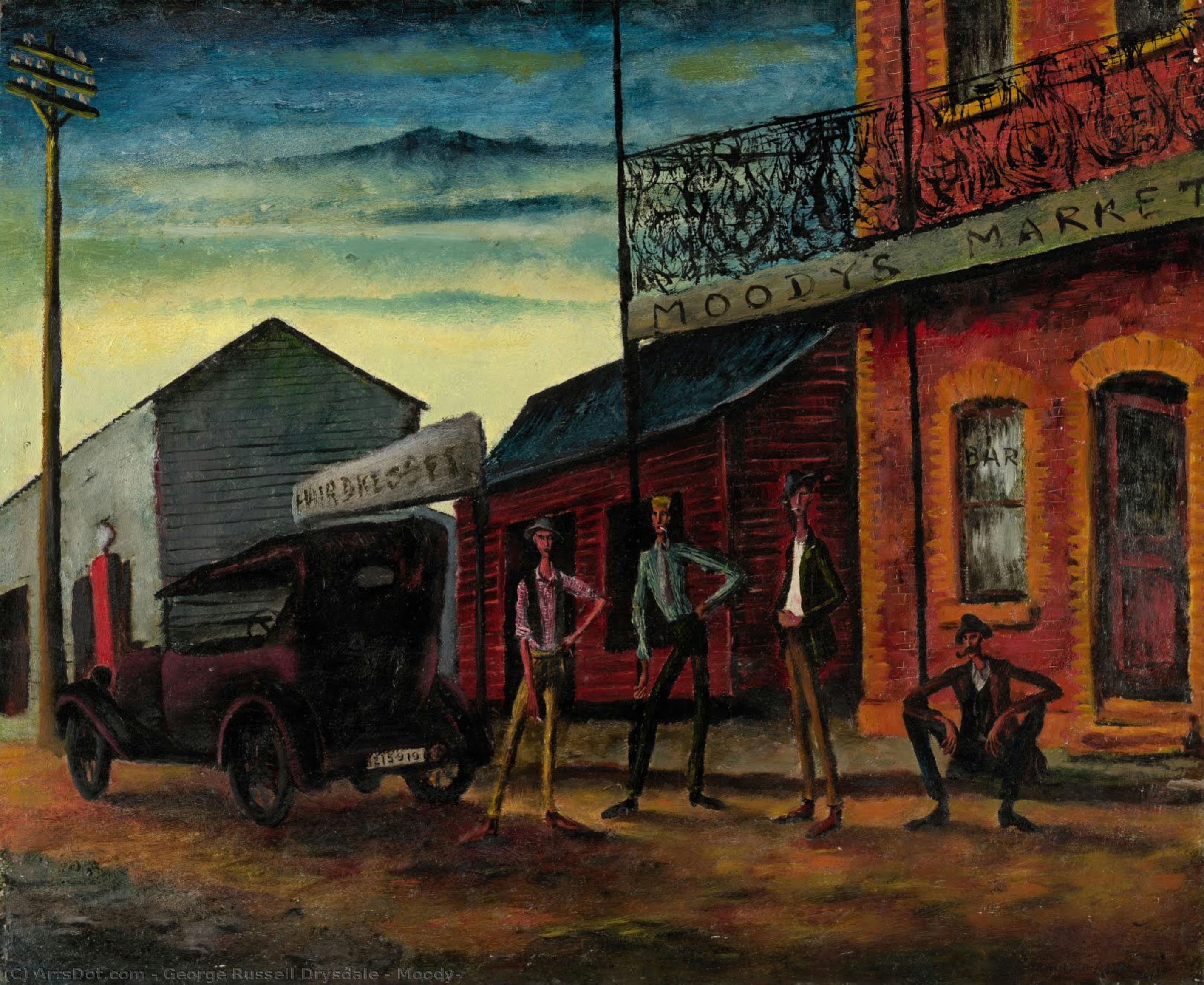
Moody
 Painting
- Australian Modernism
 1941
1941 50.0 x 61.0 cm
 Национальная галерея Виктории
 Читать далее
Приобретите цифровое изображение высокого разрешения в улучшенном качестве, которое значительно превосходит онлайн-превью.
Каждый файл тщательно подготавливается нашими специалистами с использованием передовых инструментов и экспертной ручной ретуши. Мы гарантируем исключительную четкость, точную цветопередачу и детальную проработку каждого изображения.
Финальный файл доставляется по электронной почте в течение 72 часов и оптимизирован для немедленного использования в профессиональной среде, при верстке и печати. Это тот же уровень качества, которому доверяют ведущие дизайнерские студии, издательства и галереи.
Цифровое изображение
Скачайте файл высокого разрешения для личного использования, печати и творческих проектов. ( Перейти к печати Купить картину ручной работы)
Включено в каждый заказ цифровых изображений
Гарантия экспертной цифровой доставки
Выбирая ArtsDot.com, вы получаете не просто изображение — вы приобретаете профессионально обработанное цифровое произведение искусства, созданное с безупречной точностью и под защитой гарантии качества. Вот всё, что автоматически входит в ваш заказ:

Мгновенная доставка по e-mail
Ваш цифровой файл в высоком разрешении будет отправлен вам по электронной почте в течение 72 часов после оформления заказа — и сразу станет доступен для использования.

Цифровой файл с ИИ-улучшением
Ваше произведение искусства проходит профессиональную оптимизацию с использованием передовых инструментов ИИ и ручной обработки, что гарантирует максимальную детализацию, четкость и точность цветопередачи.

Бессрочная бесплатная повторная доставка
Случайно удалили или потеряли файл? Не беспокойтесь — мы отправим его вам повторно в любое время и совершенно бесплатно.

Без импортных пошлин — навсегда
Наслаждайтесь вашим произведением искусства мгновенно без таможенных пошлин, сборов или затрат на доставку — цифровые загрузки всегда не облагаются налогом.

Гарантия точности цветопередачи
Мы гарантируем, что ваше цифровое изображение максимально точно передает оригинальные цвета благодаря использованию профессиональных инструментов и систем управления цветом.

Гарантия удовлетворенности 100 дней
Если вы не будете удовлетворены своим цифровым изображением, мы внесем правки или вернем 100% стоимости в течение 100 дней — без лишних вопросов.

100% Гарантия возврата средств
Не удовлетворены покупкой? Получите полный возврат средств в течение 100 дней после получения цифрового файла — без лишних вопросов.

Скидки на оптовые заказы
Купите 3 изображения, сэкономьте 10% — Купите 5, сэкономьте 15% — Купите 10+, сэкономьте 20%. Отличное решение для творческих проектов, галерей и агентств.
The Enduring Spirit of the Outback Town
To gaze upon George Russell Drysdale’s Moody is to step directly into the heart of an Australian moment—a pause in time captured on canvas. This seminal work, depicting a scene before the Royal Hotel at Seymour on the Hume Highway, transcends a mere depiction of architecture and figures; it is a portrait of character etched against the vast backdrop of the outback experience. The composition, rendered with a masterful sense of immediacy, places us right on the sidewalk, observing a tableau vivant of laconic country men. These figures, standing with hands either planted firmly on their hips or hanging loosely at their sides, possess an undeniable stillness that speaks volumes about resilience and quiet camaraderie.
A Glimpse into Early Australian Modernism
Painted in 1941, Moody holds a significant place in the narrative of twentieth-century Australian art. It is not only one of Drysdale’s earliest portrayals of an outback street scene—a motif that would become so intrinsically linked to his genius—but it also marks a pivotal moment for the artist himself, being among the first works acquired by the National Gallery of Victoria. Drysdale, whose own journey was shaped by European modernism yet rooted deeply in Australian soil, captures here a unique blend of observation and subtle humor. The black and white quality of the scene lends it an almost timeless, documentary feel, allowing the viewer to focus entirely on the human interaction unfolding beneath the visible sign above.
Technique and Compositional Strength
The technical execution is remarkably strong, balancing detailed rendering with atmospheric suggestion. The presence of the parked truck anchors the lower portion of the piece, grounding the composition while simultaneously suggesting the passage of modern life through this historic setting. Drysdale employs a skilled handling of light and shadow to give depth to the brick building and the figures themselves. While the subject matter is seemingly mundane—a gathering outside a local pub—the artist elevates it through his keen eye for human posture and the interplay between the solid, enduring structures and the transient nature of the people gathered there.
Emotional Resonance and Collecting Appeal
What truly resonates with the collector or the decorator is the emotional echo within Moody. It speaks to a deep sense of place, a feeling that modern life often struggles to replicate: the unpretentious gathering spot, the shared history embodied by the local pub. For those seeking art that tells a story—art imbued with cultural weight and narrative depth—this piece is unparalleled. Reproducing this work allows one to bring not just an image, but a palpable sense of Australian spirit into any interior space, transforming a room from merely decorated to deeply evocative.
Похожие произведения
Биография художника
George Russell Drysdale: A Vision of the Australian Interior
Born in Bognor Regis, Sussex, England, in 1912, George Russell Drysdale’s artistic journey took him from the familiar landscapes of his youth to the stark and evocative heart of Australia. His life story is inextricably linked with the evolution of modern Australian art, marked by a unique vision shaped by European influences and an intimate understanding of the country's vast interior. Initially destined for a career in the military, Drysdale’s artistic inclinations led him to study under George Bell in Melbourne, a pivotal moment that steered him away from conventional illustration and towards a deeply personal exploration of Australian life.
Drysdale’s early years were profoundly influenced by the English modernist movement. His time spent in Europe during 1938-39 at the Grosvenor School in London and La Grande Chaumière in Paris exposed him to the works of artists like Modigliani and Picasso, subtly shaping his approach to composition and form. However, it was his relocation to Australia in 1923, following his family’s move from England, that truly ignited his artistic fire. The Australian outback, with its harsh beauty and resilient inhabitants, became the central subject of his oeuvre – a landscape he would render with an unparalleled sensitivity and depth.
The Formation of a Distinctive Style
Drysdale's artistic development was not without challenges. A detached retina in his left eye significantly impacted his vision, forcing him to develop a remarkable ability to perceive space and form through memory and observation. This physical limitation paradoxically fueled his creative genius, leading him to create paintings of extraordinary depth and emotional resonance. His early works, such as Study of a Man (1938), demonstrate an exploration of layered compositions influenced by Surrealism, while simultaneously retaining a distinctly Australian sensibility.
His move to Sydney in 1940 marked a crucial turning point. He began to depict the realities of rural life – drought-stricken farms, abandoned mining towns, and the solitary figures who inhabited these remote regions. The influence of Peter Purves Smith, a fellow artist who encouraged Drysdale to focus on Australian themes, proved invaluable. Works like Walls of China (1945) exemplify this shift, capturing the desolate beauty and psychological weight of the outback landscape with remarkable intensity. This painting, rendered in stark reds and browns, evokes a sense of isolation and timelessness, reflecting Drysdale’s profound empathy for the people who called these harsh environments home.
Recognition and International Acclaim
Drysdale's artistic reputation began to rise steadily throughout the 1940s. His 1942 exhibition in Sydney established him as a leading figure of the modern Australian art scene, alongside artists like William Dobell and Elaine Haxton. A pivotal moment arrived in 1947 with his winning the Wynne Prize for landscape painting – an award recognizing his exceptional ability to capture the essence of the Australian environment. This success propelled him onto the international stage, culminating in a landmark exhibition at Leicester Galleries in London in 1950.
This London show was transformative, introducing Drysdale’s work to a wider European audience and establishing him as one of Australia's most significant artists. It challenged prevailing notions about Australian art, demonstrating its capacity for originality and emotional depth. Drysdale’s representation at the Venice Biennale in 1954 further cemented his international standing, placing him alongside other leading contemporary artists from around the world.
Legacy and Enduring Influence
Throughout the 1960s and beyond, Drysdale continued to explore the Australian interior, documenting its landscapes and people with unwavering dedication. His work is characterized by a profound sense of place – a deep connection to the land and its inhabitants. His paintings are not merely depictions of scenery; they are imbued with emotion, history, and a subtle commentary on the human condition.
Drysdale’s legacy extends far beyond his individual achievements. He played a crucial role in shaping the trajectory of Australian modern art, paving the way for subsequent generations of artists to explore their own unique visions of the country. His work remains celebrated today for its honesty, emotional power, and enduring relevance – a testament to the artist's extraordinary ability to capture the spirit of Australia.
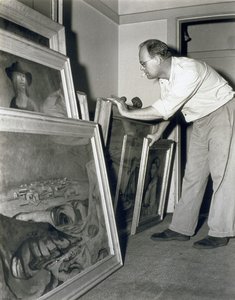
george russell drysdale
1912 - 1981