

 Поделиться
 Поделиться
 Детали произведения

 Скачать
 Похожие работы
 Слайд-шоу
 Статистика
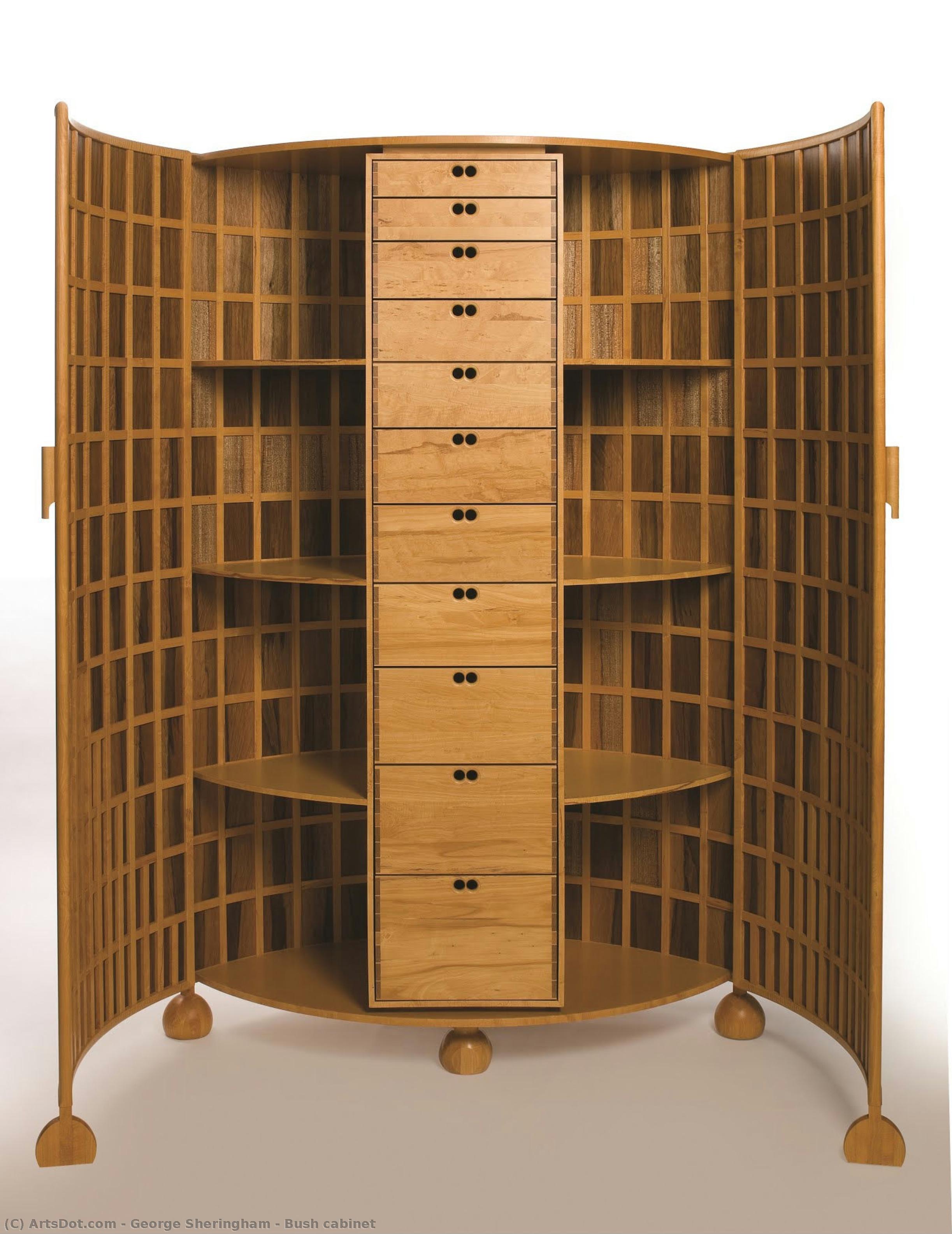
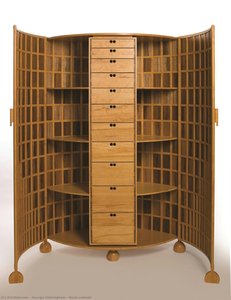
Bush cabinet
 Wood
Wood- Sculpture
 Modern
 188.0 x 144.0 cm
 Canberra Museum and Gallery
 Читать далее
Масляная репродукция ручной работы
Картина маслом на холсте в выбранном вами размере и раме, написанная на заказ нашими художниками. ( Перейти к печати Перейти к цифровым изображениям)




































Выберите один из наших стандартных размеров, соответствующих оригинальным пропорциям произведения искусства.

Вы можете указать собственные размеры, чтобы картина идеально вписалась в выбранную раму или пространство. Если выбранный вами размер не соответствует пропорциям оригинала, мы либо обрежем полотно, либо расширим его за счет дополнительных элементов, написанных вручную. Цифровой макет будет отправлен вам на утверждение перед началом производства.
Обратите внимание, что предварительный просмотр на экране не отражает фактическую обрезку или расширение. Только макет точно покажет окончательную композицию.
Хотя доступны индивидуальные размеры, мы рекомендуем выбирать вариант из предопределенного списка, чтобы сохранить исходные пропорции.
После оформления заказа команда ArtsDot.com свяжется с клиентом по электронной почте для уточнения деталей и предоставит предварительный макет
Доставка по всему миру () за 3–4 недели вместо стандартных 5 недель. (12 Сентябрь). Без компромиссов в качестве.

Бесплатная экспресс-доставка по всему миру

Высококачественный льняной холст

Полное страхование доставки

Гарантия возмещения таможенных пошлин

Гарантия точного соответствия цветов

100-дневная политика возврата (только при обнаружении дефектов)

Гарантия возврата 100% средств

Предложение оптовых скидок
 Вариант со стеклом доступен только для размеров менее 110 см

Bush cabinet
Техника репродукции
Размер репродукции
-


Итоговая стоимость
$ 263
A Masterpiece of Form and Timber
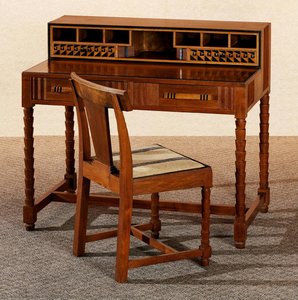
In the realm of fine craftsmanship, few pieces command attention with the quiet authority of the Bush Cabinet. This extraordinary work stands as a testament to the visionary genius of George Ingham, an artist who bridged the gap between industrial design and the soulful intimacy of woodworking. The cabinet is not merely a functional object but a bravura display of material mastery, where the organic textures of rare timbers are woven into a complex architectural narrative. Each of its twelve shelves, varying in scale and height, invites the eye to wander through a meticulously organized landscape of wood, creating a rhythmic interplay of light and shadow that transforms a storage piece into a sculptural centerpiece.
The soul of this work lies in its profound connection to the earth and the history of the materials used. Ingham possessed a rare, almost poetic ability to find beauty in the discarded; the cabinet was birthed from rescued fine timbers, remnants of rare tree species harvested from northern New South Wales in the 1950s. This use of reclaimed wood imbues the piece with a sense of temporal depth, as if the cabinet itself holds the memory of the forests from which it was carved. The artist’s commitment to this process—a labor of love that spanned four years—reflects a dedication to the "paradox" of furniture making: the marriage of high-concept, exotic luxury with the grounded, essential necessity of function.
Symbolism and the Art of the Craft
Beyond its physical structure, the Bush Cabinet serves as a symbolic bridge between the wildness of nature and the refinement of human intellect. The intricate arrangement of the shelves suggests an organized cosmos, where every fragment of wood has been placed with intentionality and respect for its original form. There is a palpable tension within the piece—a balance between the "indulgent" scale of the work and the disciplined precision required to execute such complex joinery. For the collector, this duality offers a profound emotional resonance, representing the human desire to tame the wild through art while simultaneously celebrating its raw, unyielding beauty.
For interior designers and connoisseurs of fine art, this piece offers unparalleled versatility. Whether placed in a contemporary gallery setting or an elegantly appointed study, the cabinet acts as a focal point that anchors a room with its rich, variegated tones and structural complexity. It is a conversation starter that speaks of sustainability, heritage, and the enduring value of slow, deliberate creation. To possess a reproduction of such a work is to bring into one's space a fragment of history—a piece that honors the legacy of Ingham’s technical brilliance and his unwavering belief in the transformative power of wood.
Похожие произведения

Биография художника
George Sheringham: Weaver of Myth and Shadow
George Sheringham (1884-1937) wasn’t merely a painter; he was a conjurer of atmosphere, a translator of ancient stories into visual form. Born in London amidst the burgeoning artistic ferment of the late Victorian era, Sheringham’s career unfolded as a fascinating confluence of influences – from the Symbolist movement's embrace of dream and emotion to the Pre-Raphaelite Brotherhood’s reverence for medieval legend and the darker currents of Romanticism. His work, often characterized by its brooding intensity, rich color palettes, and meticulous detail, offers a glimpse into a world where myth, folklore, and human psychology intertwine.
Sheringham's early artistic training was deliberately broad. He began at the Slade School of Fine Art, absorbing the classical techniques taught there while simultaneously seeking inspiration in Paris’ vibrant avant-garde scene. This dual exposure shaped his style – a careful balance between academic precision and expressive freedom. Crucially, he apprenticed himself to Harry Becker, a painter known for his evocative landscapes and portraits, further honing his technical skills and developing an appreciation for capturing the subtleties of light and shadow.
The Theatre of Dreams: Design and Illustration
While often remembered primarily as a painter, Sheringham’s contribution extended far beyond canvas. He quickly established himself as a sought-after designer for the D’Oyly Carte Opera Company, creating elaborate sets and costumes that transported audiences to fantastical realms. His designs weren't merely decorative; they were integral to the storytelling process, meticulously crafted to enhance the drama and atmosphere of each production. This experience profoundly influenced his painting style, imbuing it with a theatrical sensibility – a heightened sense of composition, color, and narrative depth.
Beyond theatre, Sheringham’s talents as an illustrator flourished. He collaborated on books by prominent authors like Max Beerbohm and Edmond Rostand, bringing their stories to life with his distinctive style. His illustrations were notable for their meticulous detail, evocative symbolism, and a subtle sense of melancholy—a hallmark of his artistic vision. He was particularly drawn to the darker corners of mythology and folklore, frequently depicting scenes of heroism, tragedy, and the supernatural.
A Palette of Shadows: Style and Influences
Sheringham’s paintings are immediately recognizable by their rich, saturated colors—deep blues, greens, and purples dominate many of his works, creating a sense of mystery and foreboding. He employed a meticulous technique, layering paint with incredible precision to achieve remarkable detail and texture. His compositions often feature dramatic lighting effects, casting long shadows and highlighting key elements within the scene. The influence of Symbolism is evident in his use of allegory and symbolism—recurring motifs such as fading roses, ancient ruins, and solitary figures evoke a sense of loss, longing, and the passage of time.
Furthermore, Sheringham’s work demonstrates a clear debt to the Pre-Raphaelites. Like his predecessors, he was fascinated by medieval legend and folklore, frequently depicting scenes from Arthurian romances, Celtic myths, and biblical stories. However, unlike the often idealized depictions of the Pre-Raphaelites, Sheringham's works possess a darker, more unsettling quality—a sense that beauty is intertwined with decay and tragedy.
Legacy and Recognition
Despite his considerable talent and prolific output, George Sheringham’s career was tragically cut short by illness in 1937. However, his work continues to be appreciated for its artistic merit and evocative power. He received the Royal Designers for Industry award in 1937, a testament to his contributions to design and art. His paintings are held in prestigious collections across Britain and internationally, including those of the Tate Gallery, the British Museum, and the Fitzwilliam Museum. Sheringham’s legacy lies not only in his individual works but also in his ability to capture the spirit of an era—the anxieties, aspirations, and artistic sensibilities of a world on the cusp of modernity.
Основные сведения
- Artistic Movement Or Style: Symbolist, Pre-Raphaelite
- Artists Or Movements Influenced By This Artist: ['Edmund Dulac']
- Artists Who Influenced This Artist:
- George Barret the Elder
- George Goodwin Kilburne
- Date Of Birth: November 13, 1884
- Date Of Death: November 11, 1937
- Full Name: George Sheringham
- Nationality: British
- Notable Artworks:
- Peredur
- Baptism of Dylan
- Place Of Birth: London, England
Похожие статьи
Зарождение общественных музеев: Исторический обзор и социокультурный контекст
Исследуйте историю зарождения общественных музеев и их роль в формировании культуры и общества. Анализ эволюции, влияния на образование и перспективы развития музейного дела.
Curating the Domestic Sphere: Gallery-Style Art Display for Discerning Collectors
Elevate your home with gallery-style art display. Discover expert curation tips for thematic cohesion, spatial harmony & preservation. Build a lasting collection reflecting your unique style.
F.A.Q.: Многопанельные картины – размеры, развеска и возможности перекомпоновки для ценителей искусства
: экспертные советы по выбору, развеске и перекомпоновке многопанельных картин для ценителей искусства. Индивидуальный заказ репродукций высокого качества.
The Art of Layered Narratives: Spatial Harmony & Visual Cohesion in Multi-Piece Artwork Arrangements
Explore the art of multi-panel arrangements for impactful interiors. Expert guidance on spatial harmony, visual storytelling & psychological impact – perfect for luxury hotels and discerning collectors. Elevate your space with curated artwork.
Многопанельные художественные композиции: что это такое и как они работают – FAQ
Узнайте все о многопанельных художественных композициях от ! Создание на заказ, высокое качество репродукций и эксклюзивный дизайн для ценителей искусства. Бесплатная консультация!